Tag

Aphids

All articles tagged with #aphids

The Unwanted Encounter: Monarch Butterflies and Aphids
environment2 years ago

The Unwanted Encounter: Monarch Butterflies and Aphids

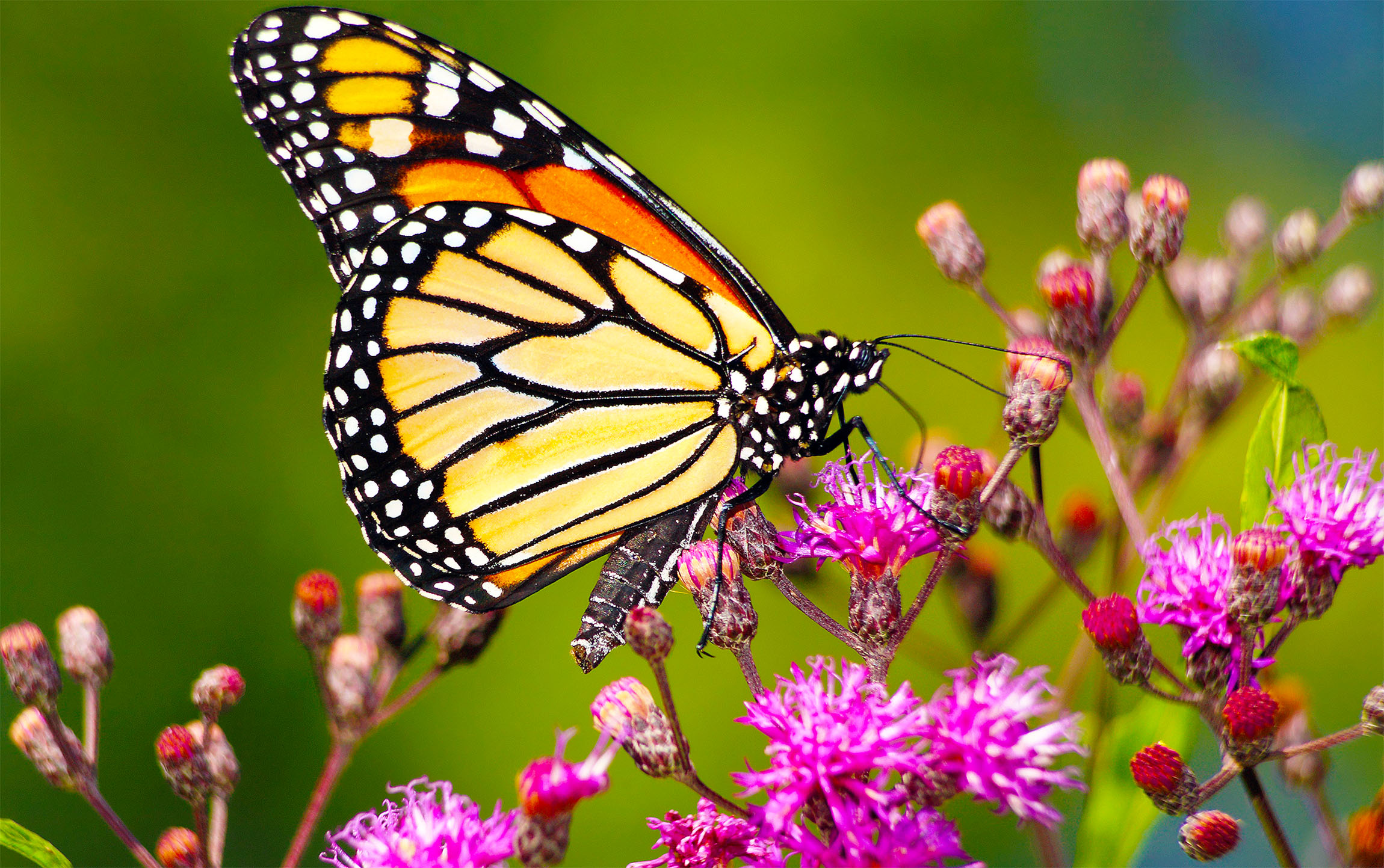
Aphids, specifically oleander aphids, have been found to pose a significant threat to the life cycle of monarch butterflies, according to a study by scientists from the University of Florida. These pests interfere with the development of monarch butterflies on tropical milkweed, a commonly used plant across the southern U.S. Monarchs heavily rely on milkweed for their survival, and aphid infestations compromise this resource. Efforts to sustain monarch populations through planting milkweed in urban areas may be hindered by high aphid densities. Researchers recommend considering native milkweed species or using insecticidal soap to control aphids on tropical milkweed. Further research is needed to explore pest management options that maintain low aphid levels without harming monarch butterflies.

Aphids' presence deters monarch butterflies from tropical milkweed, study reveals
environment2 years ago

Aphids' presence deters monarch butterflies from tropical milkweed, study reveals

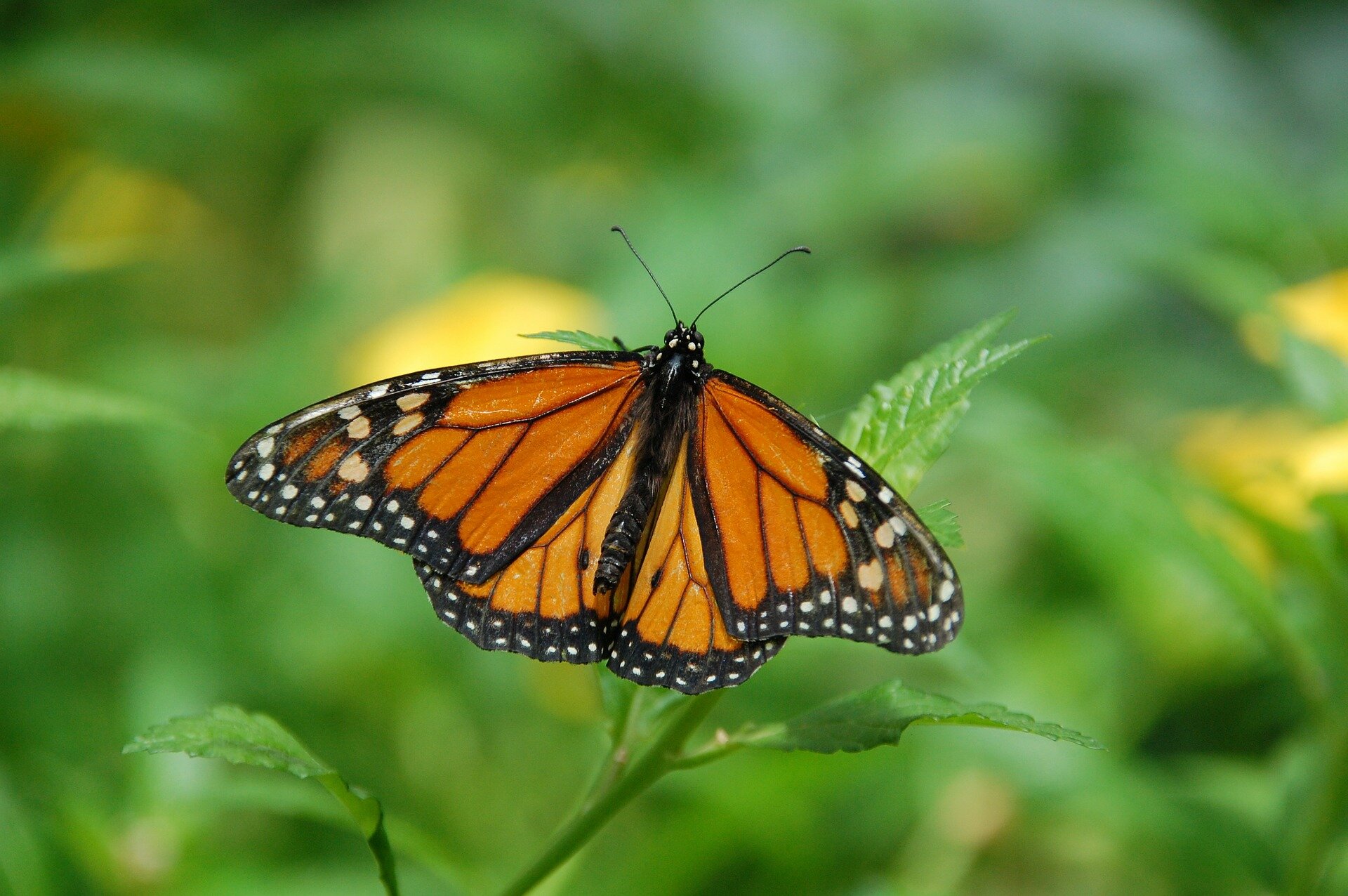
A study from the University of Florida reveals that aphids infesting tropical milkweed, a common plant used to attract and support monarch butterflies, negatively impact the butterflies' reproduction and development. Aphid-infested plants receive fewer eggs from monarch butterflies, and the caterpillars that do hatch are slower to mature. The study suggests that aphid outbreaks compromise the availability of milkweed, a crucial resource for monarch butterflies. Native milkweed species with lower cardenolide levels, such as swamp milkweed, are recommended for home gardeners in the southern U.S. who want to conserve monarch butterflies. Insecticidal soap is an effective method to control aphids on tropical milkweed, but alternative pest management options that are safe for monarch butterflies are being explored.

environment2 years ago

Insect Invasion: Aphids Swarm NYC, Causing Confusion

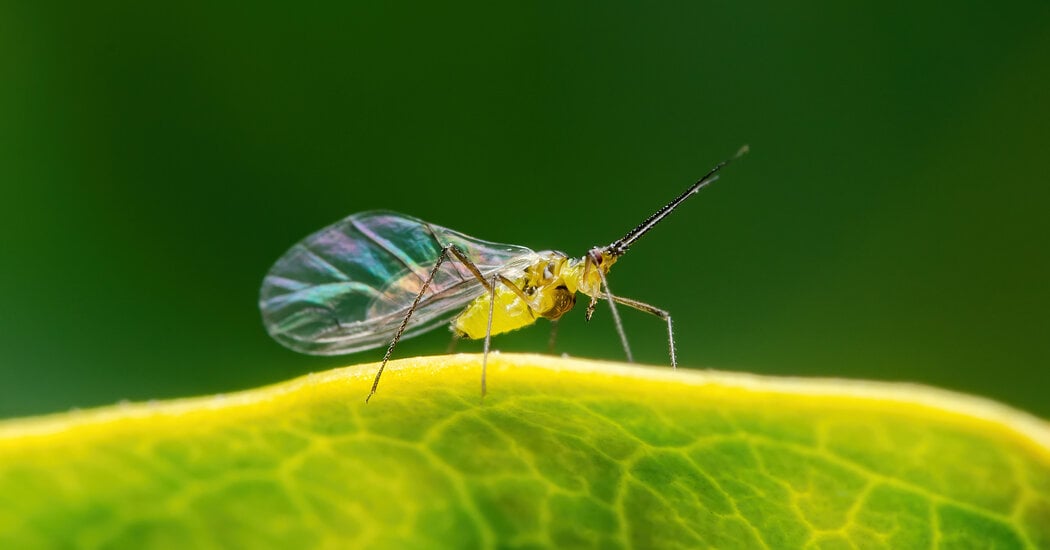
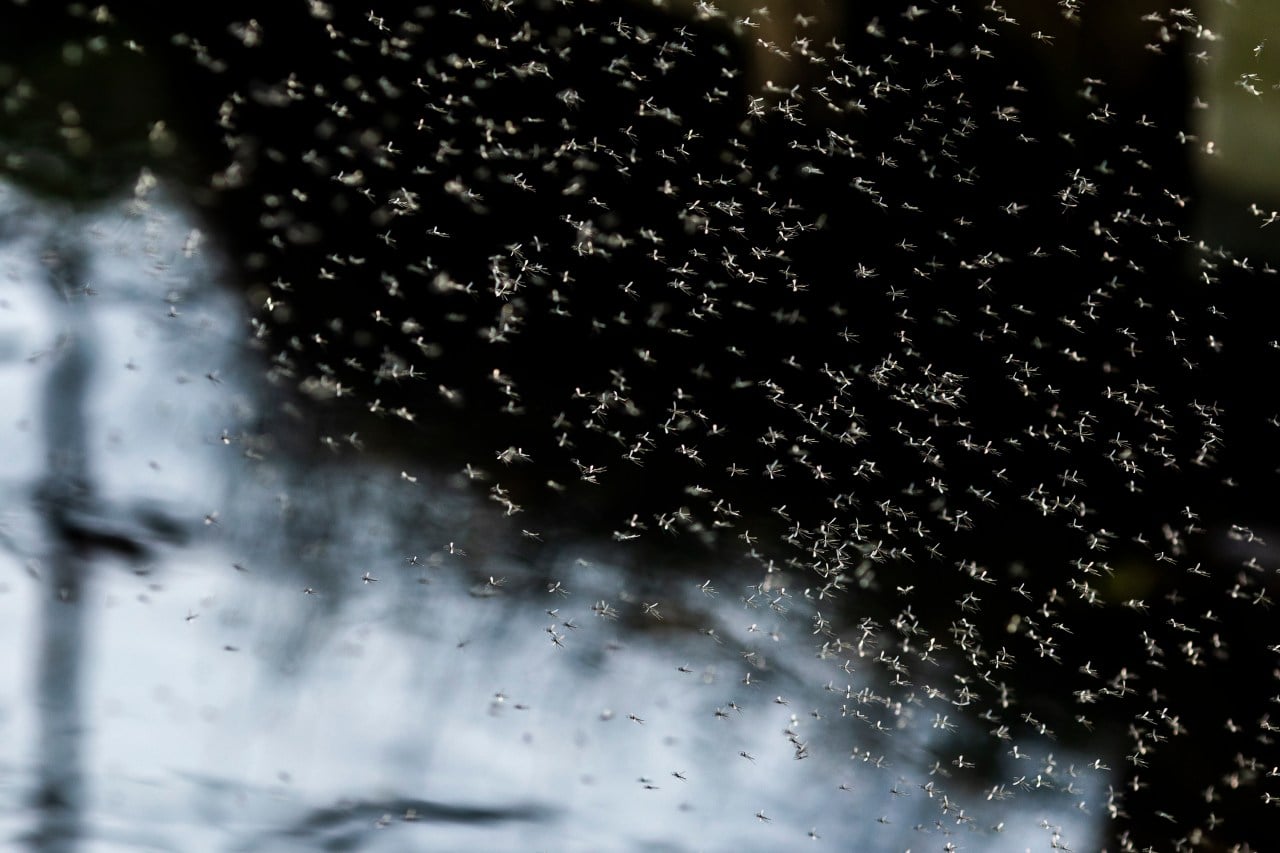
New York City is currently experiencing a surge in aphids, which are often mistaken for gnats. However, entomology experts assure that these tiny critters pose no health risk. The mild and humid spring weather has allowed the aphids to thrive, feeding on tree leaves and multiplying quickly. While some New Yorkers have been bothered by the swarms, there is no cause for concern as aphids are a natural part of the city's ecosystem and are normally controlled by predator insects.

Invasion of Winged Aphids: Mysterious Bug Swarms Blanket New York City
environment2 years ago

Invasion of Winged Aphids: Mysterious Bug Swarms Blanket New York City

Swarms of small gnat-like insects, identified as aphids, have been observed in New York City, particularly in Manhattan and Brooklyn. The sudden arrival of high temperatures, increased humidity, and recent rainfall has created the right environmental conditions for their population to explode. While they may be a nuisance, these insects do not pose a known public health risk, according to the New York City Department of Health.

Insect Swarms Plague New York City, Alarming Residents
environment2 years ago

Insect Swarms Plague New York City, Alarming Residents

New Yorkers, already concerned about smoky skies caused by Canadian wildfires, are now dealing with swarms of insects, believed to be aphids. The mild winter and rainy spring have created favorable conditions for aphids to reproduce, leading to an unusual abundance of these non-stinging insects. While some residents have compared the situation to a biblical plague, experts suggest that the smoke may be amplifying the visibility of the swarms. However, the aphids are not harmful if accidentally ingested, and the primary concern should be the air quality due to the smoke.

Insect Invasion: Mysterious Swarms Overwhelm NYC
environment2 years ago

Insect Invasion: Mysterious Swarms Overwhelm NYC

New York City has been invaded by a swarm of gnat-like insects, identified as aphids by entomologist Dr. David Grimaldi. The bugs, which may be native or introduced species, are feeding on tree leaves and leaving behind sugary secretions that sustain ants and other insects. The swarms are likely a result of population cycles and favorable weather conditions. Despite theories linking the aphids to Canadian wildfire smoke, there is no known connection. The duration of the swarm's presence depends on weather conditions, with mild temperatures and high humidity prolonging their stay. There are no health concerns associated with the aphid swarms.