Tag

Jn1

All articles tagged with #jn1

health1 year ago

"Updated COVID-19 Vaccine Provides 54% Protection Against Symptomatic Cases, CDC Reports"

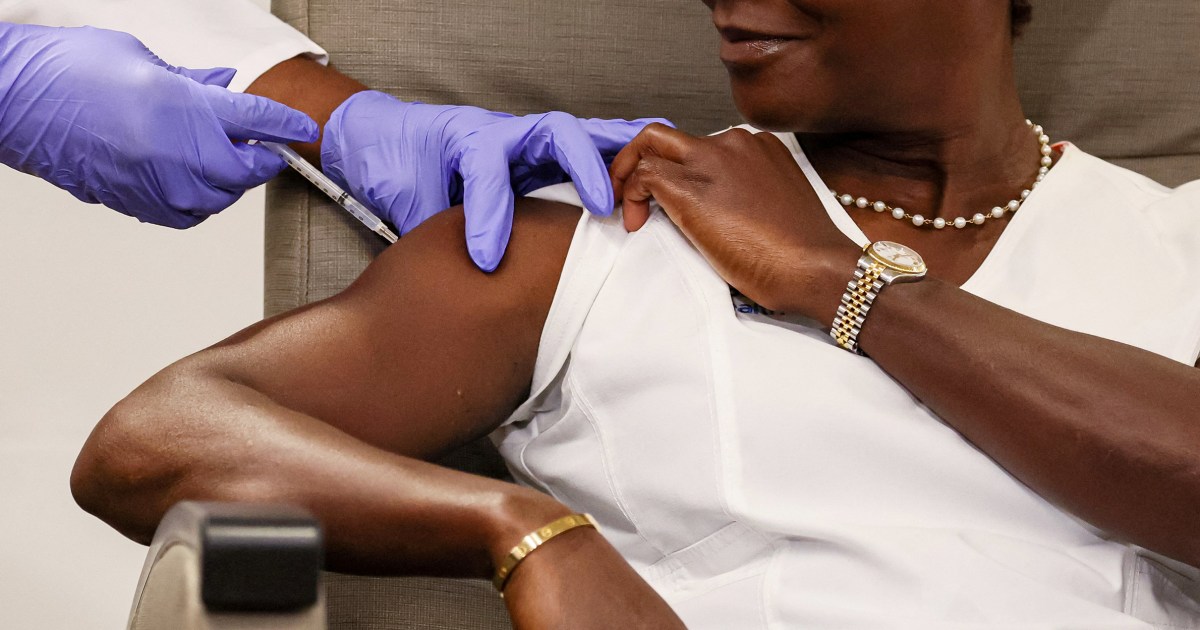
The CDC's recent study found that the updated COVID-19 vaccine is 54% effective against symptomatic infection in adults, offering increased protection against recent variants of the virus. The study, based on observations of 9,000 people from mid-September 2023 to January 2024, showed that the new shots provide defense against JN.1 and other circulating lineages. However, the results are not yet conclusive, and further studies will assess the vaccine's effectiveness in preventing severe symptoms and hospitalizations. The CDC urges everyone over 6 months to get the new shots for protection against COVID and evolving variants, as updated vaccination coverage in the U.S. remains low.

health-science2 years ago

"Emerging COVID Variants Pirola BA.2.86 and JN.1 Pose Increased Risk, Studies Warn"

New studies suggest that highly mutated COVID variants BA.2.86 and JN.1 may cause more severe disease than other Omicron variants, with BA.2.86 showing traits similar to earlier, more deadly strains. Experts are concerned about the potential recombination of COVID with other coronaviruses in animals and the possibility of a more severe form of the virus emerging. Waning immunity from vaccination and prior infection may also contribute to an increase in COVID hospitalizations. The evolving nature of the virus, including its potential to infect the GI tract and the role of animals in viral mutation, warrants further study and vigilance.

health2 years ago

Rapidly spreading JN.1 variant: What you need to know

The JN.1 variant of the coronavirus is rapidly spreading and becoming the dominant version of the virus, accounting for a significant percentage of COVID-19 cases in the US and globally. However, there is no evidence to suggest that JN.1 causes more severe illness than earlier variants. Symptoms of JN.1 appear to be similar to previous variants, with sore throat and congestion being common. The World Health Organization has designated JN.1 as a "variant of interest" due to its potential to drive new cases and evade immunity. Vaccines from Moderna and Pfizer have shown effectiveness against JN.1, but low vaccination rates highlight the need for people to stay up to date with their shots. Scientists anticipate ongoing challenges in keeping up with the evolving virus.

health2 years ago

Rapid Spread of JN.1 COVID-19 Subvariant in the US

The CDC reports that the JN.1 COVID-19 subvariant is spreading rapidly in the US, becoming the dominant strain in the Northeast and causing more than one in five COVID cases nationwide. JN.1 is a descendant of the BA.2.86 variant and has shown an ability to evade prior immunity and potentially reduce the effectiveness of vaccine antibodies. COVID-related hospitalizations have increased by 51% in the last four weeks. The CDC and World Health Organization recommend staying up to date on vaccinations, wearing medical-grade masks, and practicing good hygiene to mitigate the spread of the variant.

health2 years ago

The Rapid Spread of COVID Variant JN.1: What You Should Know

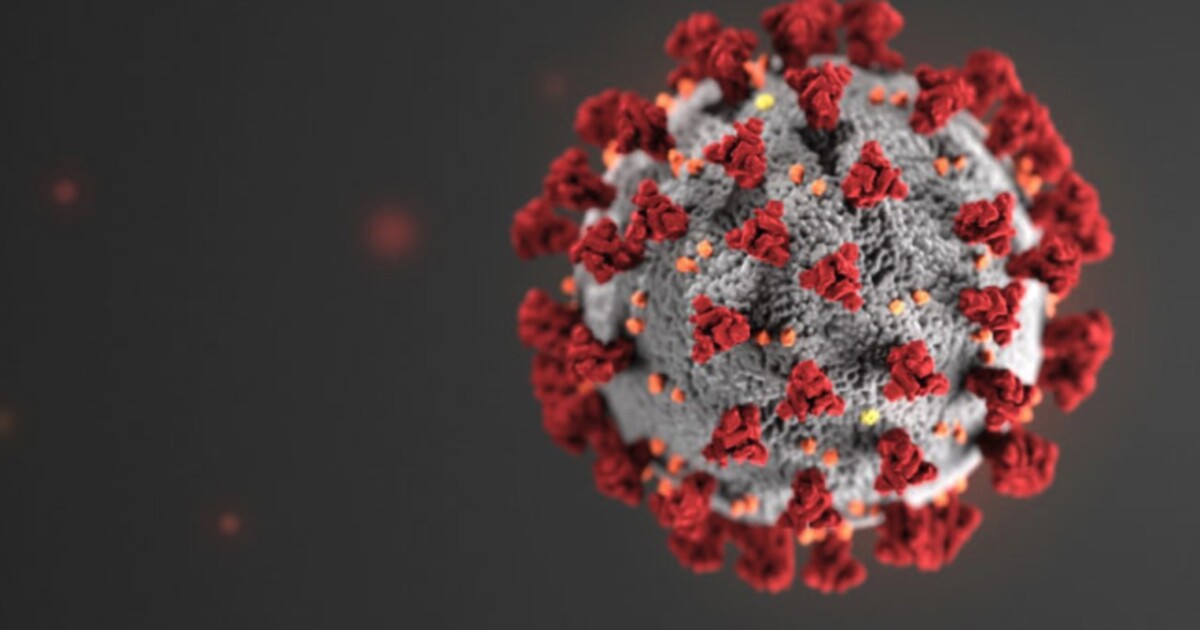
The new coronavirus strain JN.1, which is highly transmissible, has emerged as a variant of interest. It is a close relative of the BA.2.86 lineage of the Omicron variant and has one mutation in its spike protein. While there is no evidence that JN.1 causes more severe cases of COVID-19, its rapid evolution suggests it may be better at evading immune systems or more transmissible. COVID cases are rising, and experts recommend getting updated vaccines, practicing protective measures, and staying aware of transmission levels in your area.

health2 years ago

"World Health Organization designates JN.1 COVID strain as a 'variant of interest'"

The World Health Organization (WHO) has classified the new COVID-19 variant JN.1 as a "variant of interest" due to its rapid spread globally. While JN.1 has not been found to cause different or more severe symptoms compared to previous variants, its mutations suggest an advantage in evading immune defenses. The CDC has not yet classified JN.1 as a variant of interest in the United States. Current vaccines are expected to provide protection against JN.1, although early studies indicate lower neutralization of the variant by antibodies. JN.1 is projected to become the dominant variant in the U.S., with estimates suggesting it already accounts for over 20% of cases nationwide.

health2 years ago

Rapidly Spreading COVID Variant JN.1 Raises Concerns

The World Health Organization (WHO) has designated the COVID variant JN.1 as a "variant of interest." JN.1 was previously classified under the parent strain BA.2.86 and is estimated to account for 21% of new cases in the U.S. While there is no evidence that JN.1 causes more severe disease, caution is urged as the holiday season may lead to increased respiratory infections. Existing tests, vaccines, and treatments are still expected to be effective against JN.1, and the public health risk is currently considered low.

health2 years ago

WHO Identifies JN.1 as "Variant of Interest" Amid Rapid Spread of New Covid Strain

The World Health Organization (WHO) has classified the JN.1 coronavirus strain as a "variant of interest," but stated that it poses a low risk to public health. JN.1, which was first detected in the US in September, is a subvariant of the parent lineage BA.2.86. Current vaccines are still effective against JN.1 and other circulating variants of the COVID-19 virus. The US Centers for Disease Control and Prevention (CDC) reported that JN.1 accounts for 15% to 29% of cases in the US, but there is no evidence of increased risk compared to other variants. China has also detected seven infections of the JN.1 subvariant.

health2 years ago

Rapid Spread of JN.1 Variant Raises Concerns Amid Winter Flu Surge

COVID-19 cases are surging in the US, with a 17.6% increase in hospital admissions and a 25% rise in deaths. The JN.1 subvariant of the Omicron variant now accounts for 15-29% of current cases, indicating it may be more transmissible. Experts are concerned about the combination of holiday gatherings, low vaccination rates, and the new variant. While JN.1 is similar to other Omicron variants, it has the potential to evade the immune system. The US is currently experiencing high COVID activity, but it's unclear if JN.1 is solely responsible. Experts urge people to take precautions, such as wearing masks in crowded places and staying home if sick, to mitigate the risk during the holiday season.

health2 years ago

COVID-19 Variants: Unveiling Symptoms and Subvariants

As new Covid variants such as JN.1 and HV.1 emerge, experts have noted that all variants exhibit similar symptoms. One symptom to watch out for is a rash, which can appear as large red patches with smaller red or darker patches after a few days, resembling hives. The rash is not itchy and can occur on the chest, stomach, or back. While a Covid rash is considered a less common symptom, it is important to be aware of its presence as it could indicate a Covid infection.

health2 years ago

CDC Provides Updates on Dominant COVID-19 Variants in the U.S.

The US Centers for Disease Control and Prevention (CDC) is monitoring the spread of the JN.1 COVID-19 variant, which is part of the same lineage as the BA.2.86 variant. JN.1 contains an extra spike mutation and has been detected in the United States and 11 other countries. The CDC expects that updated COVID vaccines will help protect against both variants, and it reassures the public that new variants are monitored for their impact on vaccines, tests, and treatments. In other news, a study from Japan suggests that seasonal flu vaccination is associated with reduced antibiotic use in people over 65. The US Food and Drug Administration (FDA) has warned consumers to avoid certain over-the-counter eye drops due to potential infection risk. A study from Denmark found that over 50% of long-COVID patients failed to improve 1.5 years after their initial diagnosis, regardless of the variant they were infected with. Lastly, a study in British Columbia, Canada, revealed that by July 2023, over 80% of residents younger than 50 had been infected with SARS-CoV-2, while over 40% of those aged 80 or older remained uninfected and at higher risk for severe outcomes.