Scientists have discovered that mutations in the GRIN2A gene can cause serious mental illnesses like schizophrenia and depression, often starting in childhood. This breakthrough suggests that genetic testing could identify individuals at risk and that targeted treatments, such as L-serine supplements, may help manage or even cure these conditions, offering hope for personalized mental health care.
A study analyzing real-world data suggests that the new schizophrenia drug Cobenfy is most effective for patients with negative symptoms like social withdrawal, supporting the move toward precision psychiatry by identifying biological subtypes of psychosis that respond differently to treatment.
Research indicates that patients experiencing their first episode of psychosis with skin conditions are at a higher risk of depression and suicidality, suggesting skin issues could serve as early markers for severe psychiatric outcomes due to shared developmental and inflammatory pathways between the brain and skin.
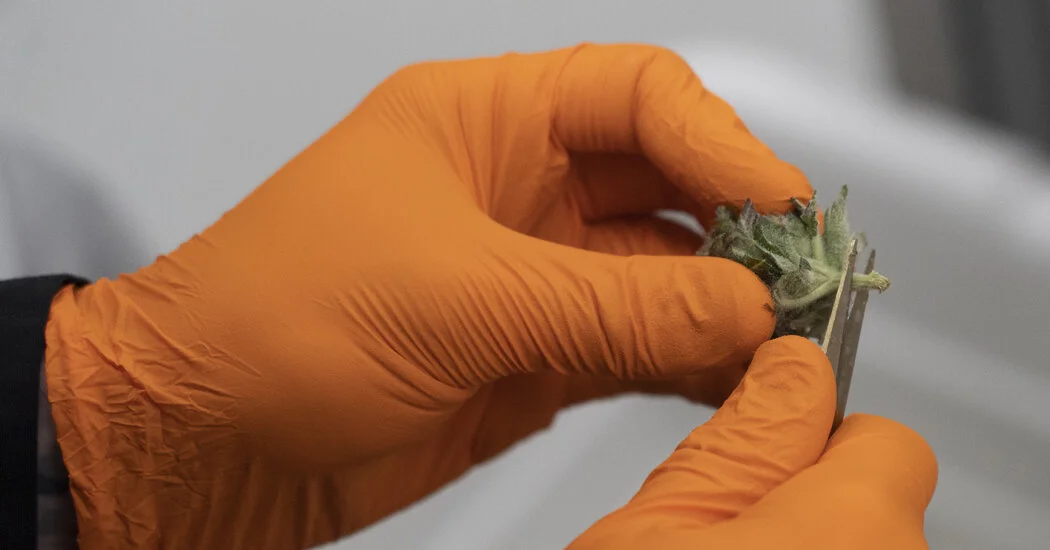
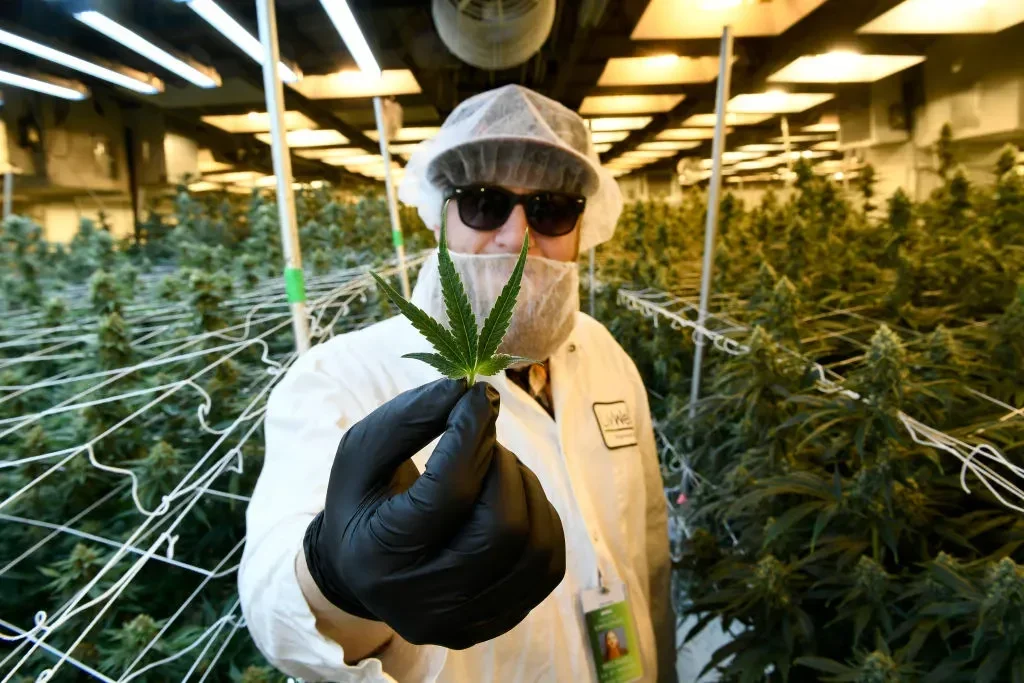
A study in JAMA Psychiatry links marijuana legalization to a nearly 10% increase in use among people with psychosis, raising concerns about public health and safety. Despite evidence of health risks, including the potential to cause psychosis, pro-legalization efforts continue, though public support is waning as awareness of harms grows. Experts call for stronger regulation and honest messaging to address these issues.
The author recounts her mother's 15-year life living off-grid with her husband Mark in a remote mountain cabin, exploring themes of resilience, dependency, and mental health, culminating in her mother's diagnosis of folie à deux and her subsequent health decline, highlighting the complex dynamics of their relationship and the impact of isolation and caregiving.
The article explores how different cultures perceive and treat hearing voices, with some viewing it as a spiritual or positive experience, contrasting with Western psychiatry's view of it as a symptom of psychosis, highlighting cultural influences on mental health perceptions and outcomes.
The article discusses schizophrenia, a complex and often misunderstood mental illness affecting millions worldwide, highlighting its symptoms, causes, societal stigma, and the importance of treatment, with a focus on personal stories like Henry Cockburn's journey to manage the disorder.
A systematic review links high-potency THC cannabis to increased risks of mental health issues such as psychosis, schizophrenia, and cannabis use disorder, but emphasizes the need for more rigorous research to provide clear guidance.
A systematic review of 99 studies found that high-THC cannabis products are linked to increased risks of psychosis, schizophrenia, and cannabis use disorder, with some inconsistent evidence suggesting potential benefits for anxiety and depression. The research emphasizes the need for better-designed studies to clarify these effects.
A comprehensive analysis of 99 studies indicates that highly potent cannabis products with high THC concentrations are associated with increased risks of psychosis, schizophrenia, and addiction, raising concerns about their health impacts and the need for regulatory oversight.
A 31-year-old man in the Czech Republic experienced a psychotic episode after using cannabis and kratom, leading to extreme self-mutilation including amputation of his ears and penis. The case highlights potential risks of psychoactive substances, especially when combined, and underscores the importance of psychiatric treatment and abstinence for recovery.
A 60-year-old man developed psychosis after following health advice from ChatGPT, leading him to consume sodium bromide to replace chloride, which caused bromide toxicity. The case highlights potential risks of AI-generated health information influencing vulnerable individuals and underscores the need for caution when using chatbots for medical advice.
The article narrates the tragic story of Naina Mishra, a young woman who struggled with mental illness, family estrangement, and social isolation, ultimately leading to her death by suicide in 2024. It highlights the challenges her family faced in recognizing her mental health crisis and the broader issue of societal ignorance about mental illness, emphasizing the need for better awareness and education.
A man followed AI-guided dietary advice from ChatGPT to replace chloride with bromide, leading to bromide poisoning and psychosis, highlighting risks of decontextualized AI information in health decisions.
Originally Published 6 months ago — by Hacker News
The article discusses the complex relationship between schizophrenia, drug use, genetics, and societal factors, highlighting personal stories and scientific insights into how predispositions and external triggers like drugs and stress can lead to psychosis, emphasizing the importance of treatment and understanding in mental health.