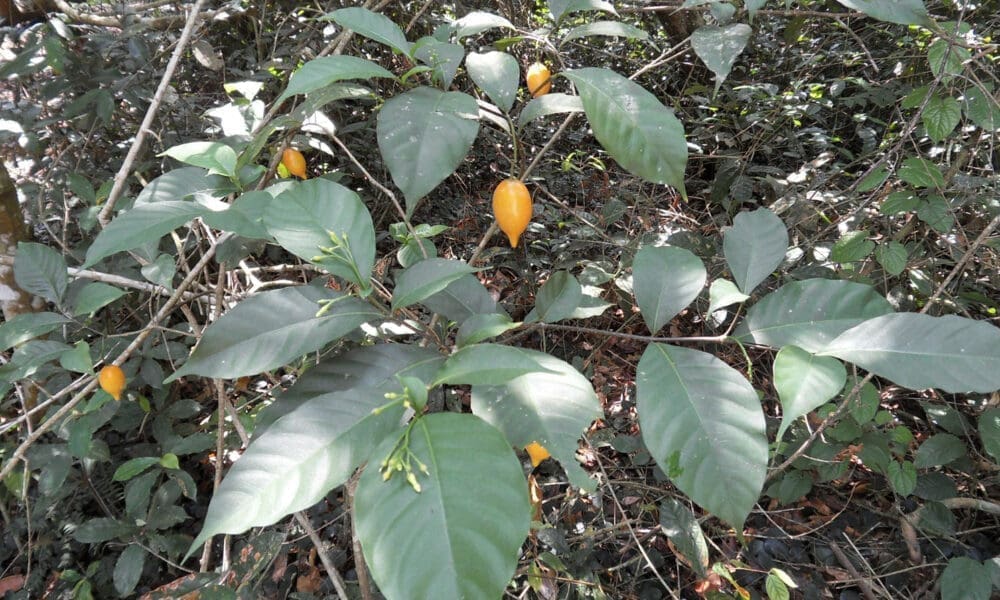
A study shows that DMT, a naturally occurring psychedelic molecule, can protect the brain from stroke damage in mice by restoring the blood-brain barrier and reducing inflammation, suggesting potential for new stroke treatments, though clinical trials are ongoing and legal restrictions vary.
Margaret Mead, a renowned 20th-century scientist, became involved in early LSD experiments in the 1950s, considering psychedelics as a potential catalyst for cultural evolution. Her interest in LSD and its potential impact on society led her to contemplate taking the drug herself, but ultimately, she decided against it due to concerns about maintaining control and the potential risks to her personal life and career. Her involvement in psychedelic research sheds light on a lesser-known aspect of her legacy and the potential impact she could have had on the history of drugs in the 20th century.
A Stanford University study found that military veterans with traumatic brain injuries experienced "dramatic" and "life-changing" improvements in symptoms and cognitive functioning after receiving ibogaine treatment in Mexico, with significant reductions in PTSD, depression, and anxiety. The veterans' disability ratings dropped, and cognitive assessments showed improvements in concentration, memory, and impulsivity. The study suggests that ibogaine could be a powerful therapeutic for psychiatric symptoms related to TBI and combat exposure, prompting increased interest in psychedelic research and potential DEA production quota escalation.