Tag

Protein Degradation

All articles tagged with #protein degradation

science18 days ago

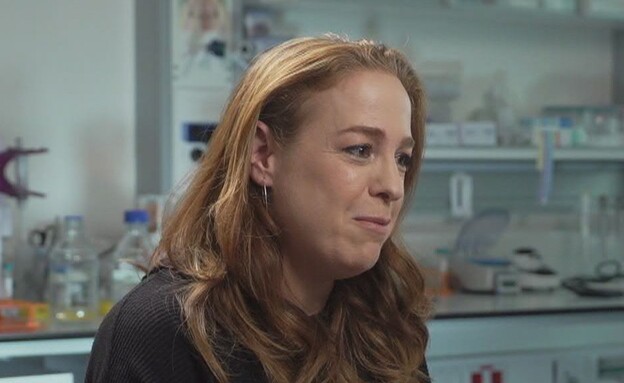
Israeli Scientist Recognized in Nature's '10 Who Shaped Science 2025' After Lab Destruction

Prof. Yifat Merbl, a researcher from the Weizmann Institute, was named one of Nature's '10 Who Shaped Science in 2025' for her discovery of a new immune mechanism involving protein fragments that fight bacteria, despite facing personal and physical challenges including the destruction of her lab by an Iranian missile and her unconventional educational path. Her work aims to develop new treatments for diseases like cancer and Alzheimer's, and she remains committed to scientific progress in Israel amidst political obstacles.


pharmaceuticals2 years ago

Roche and Monte Rosa join forces in $50M deal to revolutionize cancer and neuro discovery

Roche has entered into a partnership with start-up Monte Rosa Therapeutics, focusing on protein degradation. Roche will pay $50 million upfront to collaborate on Monte Rosa's "molecular glue" programs, which target proteins involved in the degradation process. The deal could potentially be worth over $2 billion in downstream biobucks for Roche.

health2 years ago

Targeting Cancer-Driving Proteins: A Promising Breakthrough in Cancer Treatment

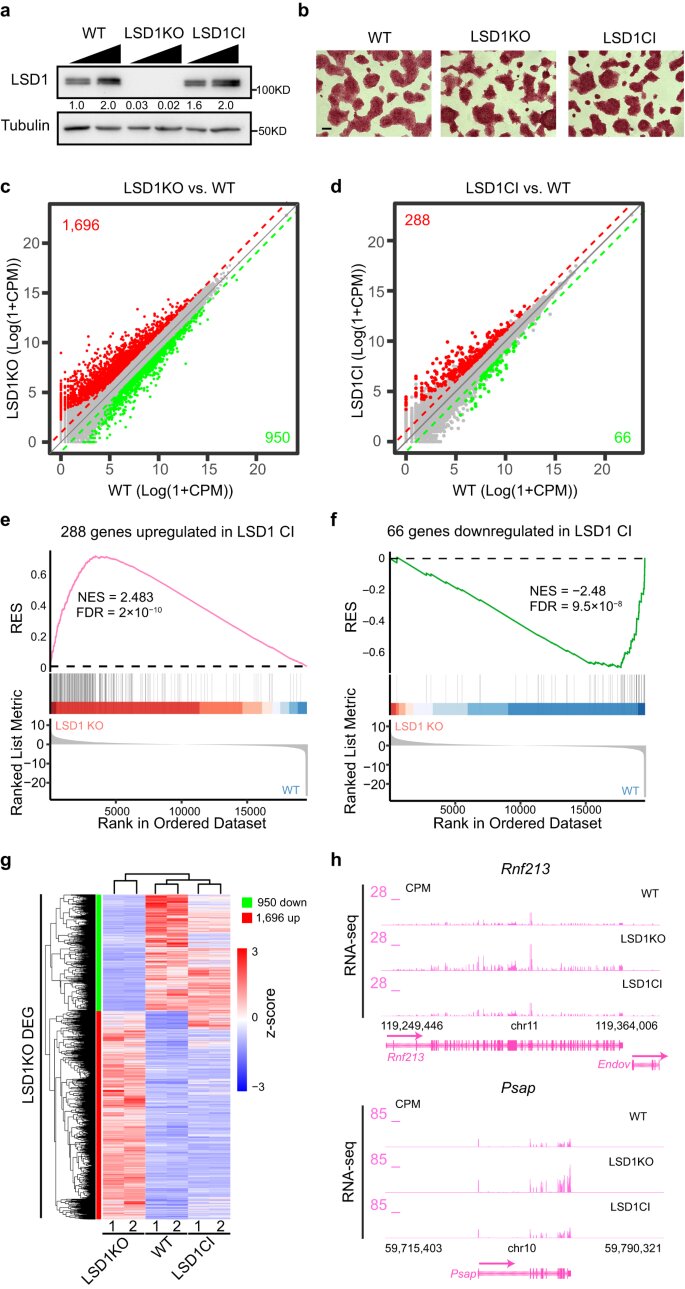
Biochemical researchers at Case Western Reserve University have discovered a new function of the protein LSD1, which plays a role in cancer development. While previous research focused on inhibiting the catalytic activity of LSD1, the researchers propose degrading the entire protein as a more effective approach to slowing or stopping cancer growth. Their findings challenge the current paradigm and suggest that degrading LSD1 could be successful in approximately 80% of cases, compared to only 15% with catalytic inhibition. The team plans to further test their approach in cancerous tissues, animal models, and eventually human trials.

science-and-technology2 years ago

Unveiling a Novel Protein Breakdown Pathway with Implications for Brain Disorders

Scientists from Harvard Medical School have discovered a previously unknown mechanism by which cells break down short-lived proteins in the nucleus. They identified a protein called midnolin that directly grabs these proteins and pulls them into the cellular waste-disposal system, called the proteasome, where they are destroyed. This discovery has implications for understanding gene expression and could potentially be used to modulate protein levels and correct dysfunction in processes related to the brain, immune system, and development. Further research is needed to explore the mechanism and its potential therapeutic applications.

science2 years ago

Uncovering a Mechanism for Healthy Aging of Cells.

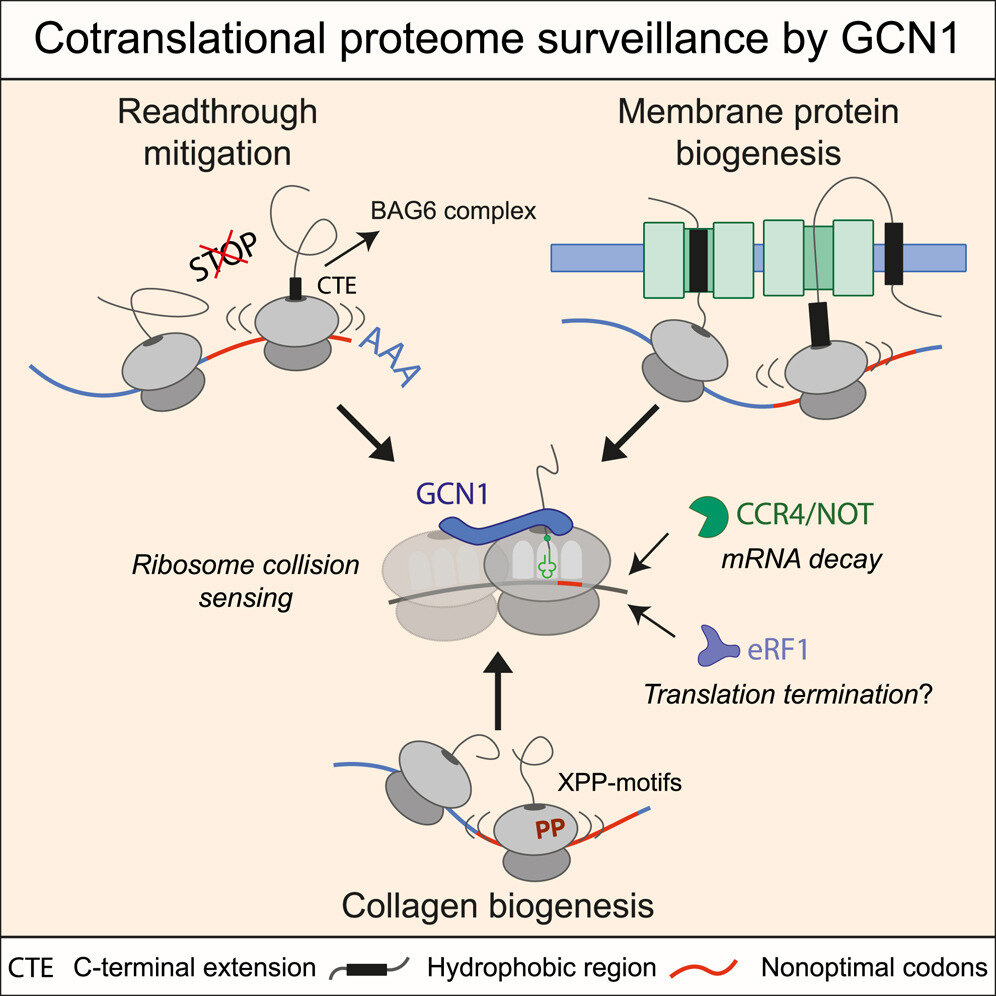
Researchers have discovered a new mechanism that initiates the targeted degradation of defective proteins, which can accumulate to form protein clumps and trigger neurodegenerative diseases. The protein GCN1 plays a crucial role in this process, acting like a firefighter to stabilize and secure the site of ribosome collisions and call for the removal of defective proteins. The malfunction of GCN1 can shorten the life expectancy of organisms and promote neurodegenerative diseases. The study provides insights into how to reduce the age-related accumulation of defective proteins and prevent neurodegenerative diseases.

neuroscience2 years ago

Proteasome's New Role in Brain Synapses Unveiled.

The 19S regulatory particle, a component of the cellular proteasome machinery, has been found to have an independent role in regulating synaptic proteins at the synapses in the brain, according to a study published in Science. Using super-resolution imaging technique DNA PAINT, researchers discovered an abundance of free 19S particles interacting with synaptic proteins, suggesting a novel regulatory mechanism. This discovery may provide new targets for understanding and treating neurological diseases with dysfunctional synapses like dementia and Parkinson’s disease.