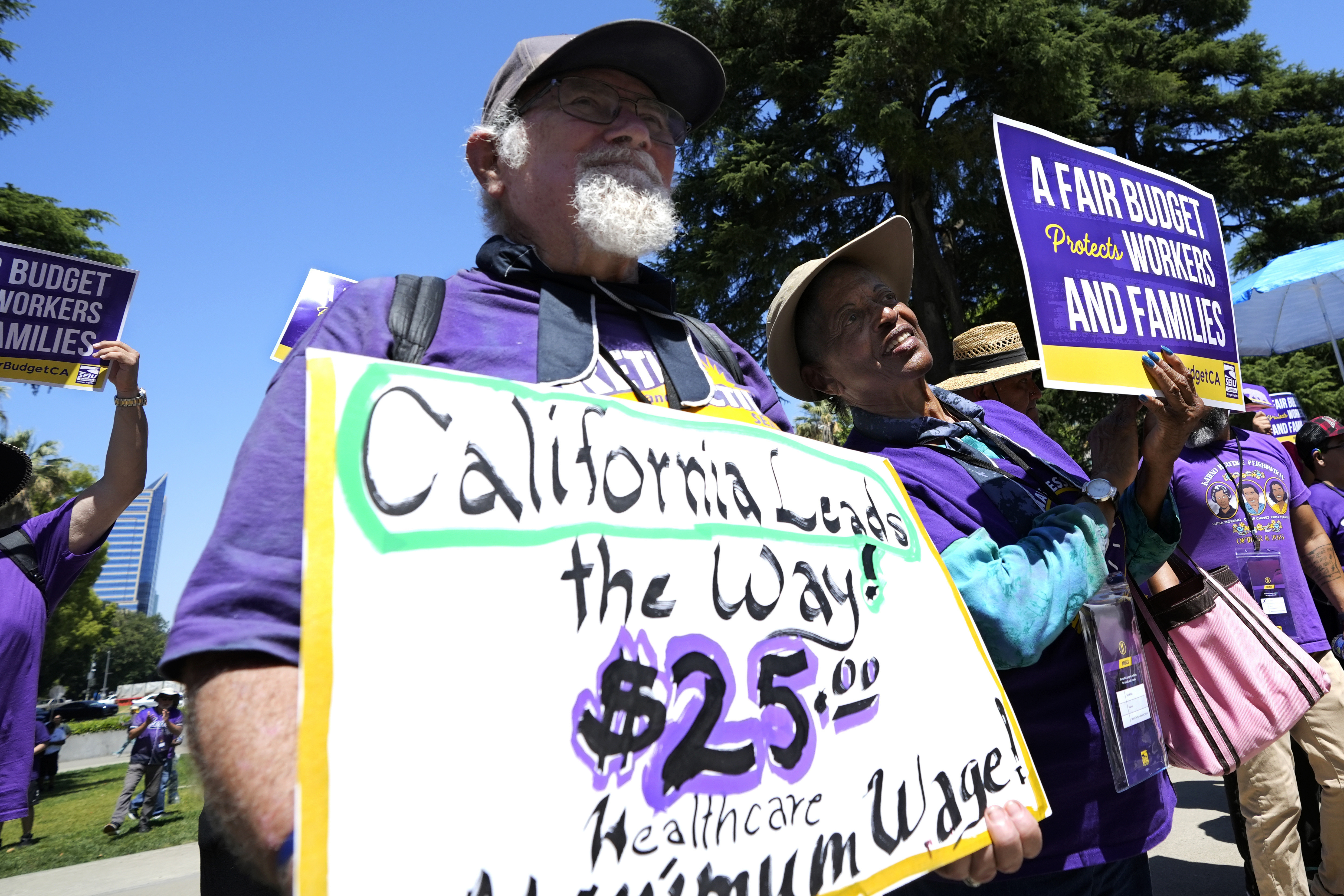
California voters narrowly rejected Proposition 32, a ballot measure to increase the state's minimum wage to $18 per hour by 2026, marking the first defeat of such a measure nationwide since 1996. With 92% of votes counted, 50.8% opposed the measure, citing concerns over increased costs for employers and potential job losses. The California Chamber of Commerce opposed the measure, emphasizing economic concerns. Despite this, California's current minimum wage remains among the highest in the U.S., with specific sectors like fast food and healthcare having even higher minimums.
California voters rejected Proposition 32, which aimed to raise the statewide minimum wage to $18 an hour, marking the first time in nearly 30 years a state has turned down a minimum wage increase at the ballot. The initiative, backed by entrepreneur Joseph Sanberg, faced opposition from business groups who argued it would increase living costs. Despite the defeat, supporters claim the close result lays groundwork for future wage advocacy. The outcome reflects broader national debates on wage policies, with varying results in other states.
California's Proposition 32, which aimed to raise the state's minimum wage to $18 an hour, was narrowly defeated, reflecting voter concerns over potential price increases amid high inflation. The rejection indicates a shift in voter sentiment in the traditionally progressive state, with many Californians wary of further cost-of-living impacts. While supporters argued the increase would benefit low-income workers, opponents feared it would lead to higher consumer prices and job cuts. The outcome highlights a broader trend of economic caution among voters.