A new AP-NORC poll shows Democratic voters’ views of their party have not rebounded since Donald Trump’s 2024 victory, even as Democratic candidates have won some recent special elections.
A Washington Post piece argues that while many voters still favor strong immigration enforcement, a growing share of Republicans say the administration is targeting the wrong people and places—detentions in inner cities far from the border—eroding support for Trump’s policy and complicating the GOP’s political strategy ahead of elections.
A recent Virginia Commonwealth University poll shows tight races in the 2025 statewide elections, with the governor's race remaining stable, the lieutenant governor's race nearly tied, and the attorney general's race shifting in favor of Jason Miyares. Voters prioritize issues like the rising cost of living, immigration, and reproductive rights, with a slight preference for a Democratic majority in the House of Delegates. The poll reflects high voter engagement and close competition among candidates as the election approaches.
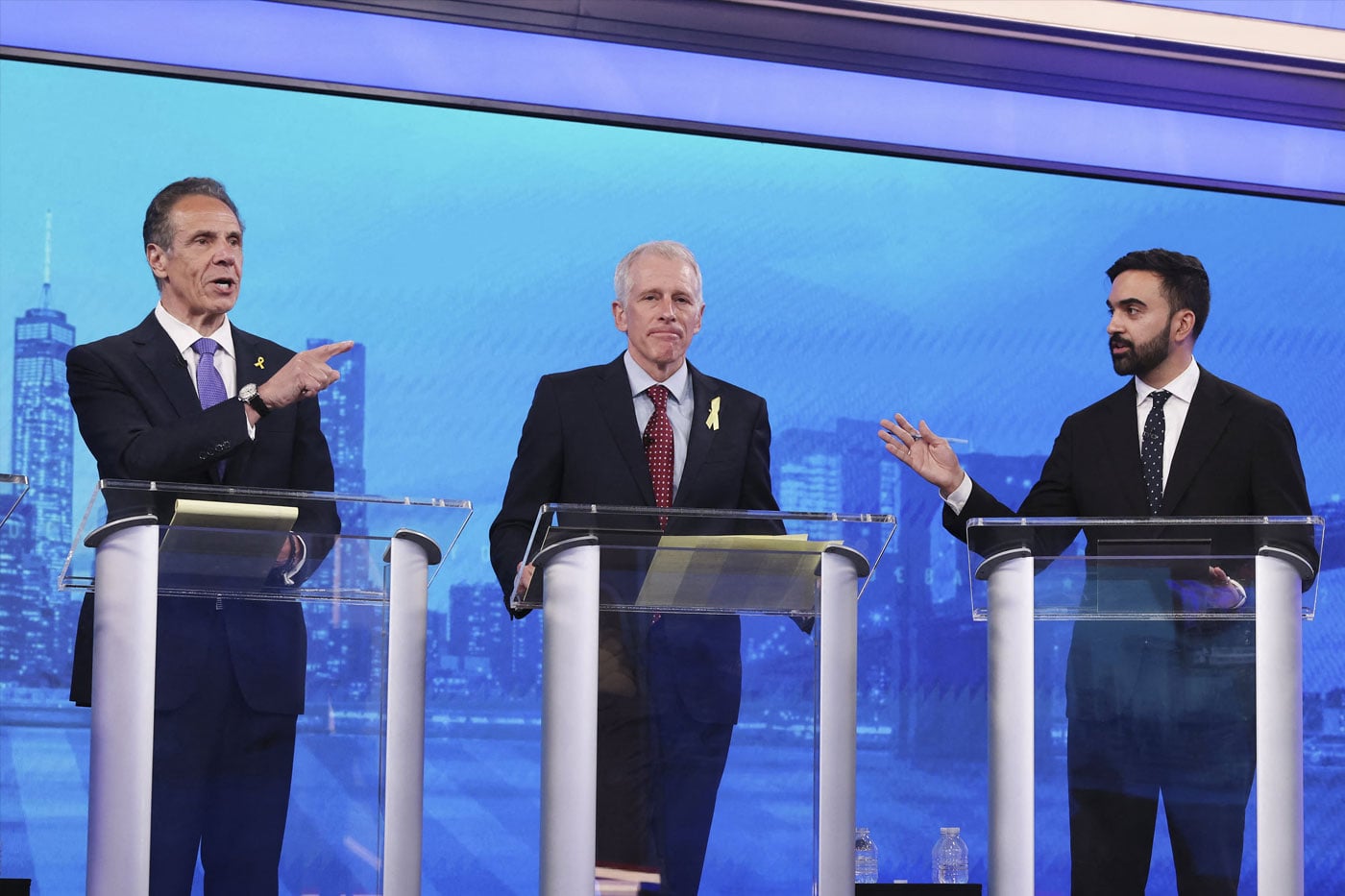
A Manhattan Institute survey shows Andrew Cuomo maintaining his lead in the NYC mayoral primary amid voter unease with the city's direction, with key issues being crime, housing, and public safety. The race remains fluid, with demographic and issue-based divides shaping support, and Cuomo's broad coalition giving him an edge in the general election.
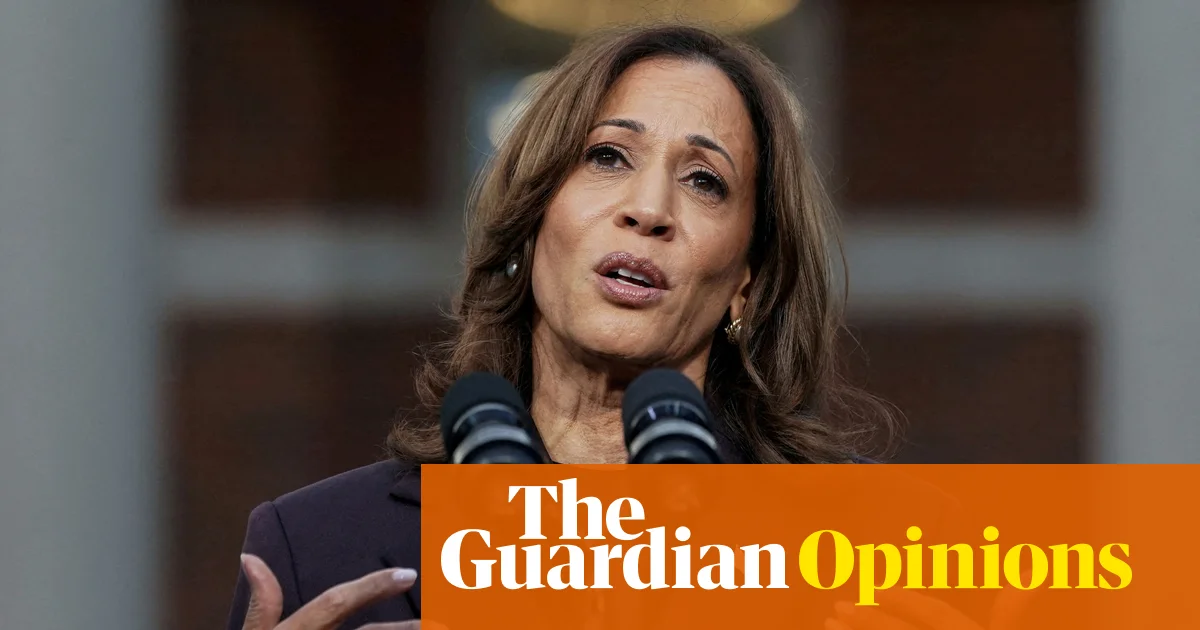
Kamala Harris's campaign faced challenges similar to those of the UK Labour Party in 2019, losing touch with core working-class voters. Despite some policy successes, Harris's focus on 'woke' issues alienated many, with voters craving change on inflation and immigration. The Democrats, like Labour, must reconnect with these 'hero voters' by embracing change and strong leadership to counter Trump's appeal. Labour's recent efforts under Keir Starmer offer a potential blueprint for revitalizing center-left politics.
Some voters, skeptical of traditional health agencies, are supportive of former President Trump's choices to lead these organizations, reflecting a broader distrust in established health institutions.
California's Proposition 32, which aimed to raise the state's minimum wage to $18 an hour, was narrowly defeated, reflecting voter concerns over potential price increases amid high inflation. The rejection indicates a shift in voter sentiment in the traditionally progressive state, with many Californians wary of further cost-of-living impacts. While supporters argued the increase would benefit low-income workers, opponents feared it would lead to higher consumer prices and job cuts. The outcome highlights a broader trend of economic caution among voters.
Vice President Kamala Harris's campaign faced insurmountable challenges in the 2024 election due to a political environment favoring Republicans, widespread voter dissatisfaction, and a significant shift in demographics. Despite a strong campaign effort, Harris was unable to overcome the negative sentiment towards the Biden administration and the appeal of Donald Trump's messaging on issues like immigration and inflation. The election saw Democrats losing ground across various demographics and traditionally blue states, highlighting a need for the party to reassess its messaging strategies.
Donald Trump won the 2024 U.S. presidential election, largely due to voter dissatisfaction with the economy and a desire for change, according to NBC News Exit Polls. Despite controversial stances on immigration and abortion, Trump's appeal among voters seeking leadership and change, as well as his improved performance among voters of color and first-time voters, contributed to his victory over Democratic Vice President Kamala Harris.
A recent survey reveals that many Americans are feeling anxious and scared about the upcoming election, reflecting widespread concerns over political stability and the future of the country.
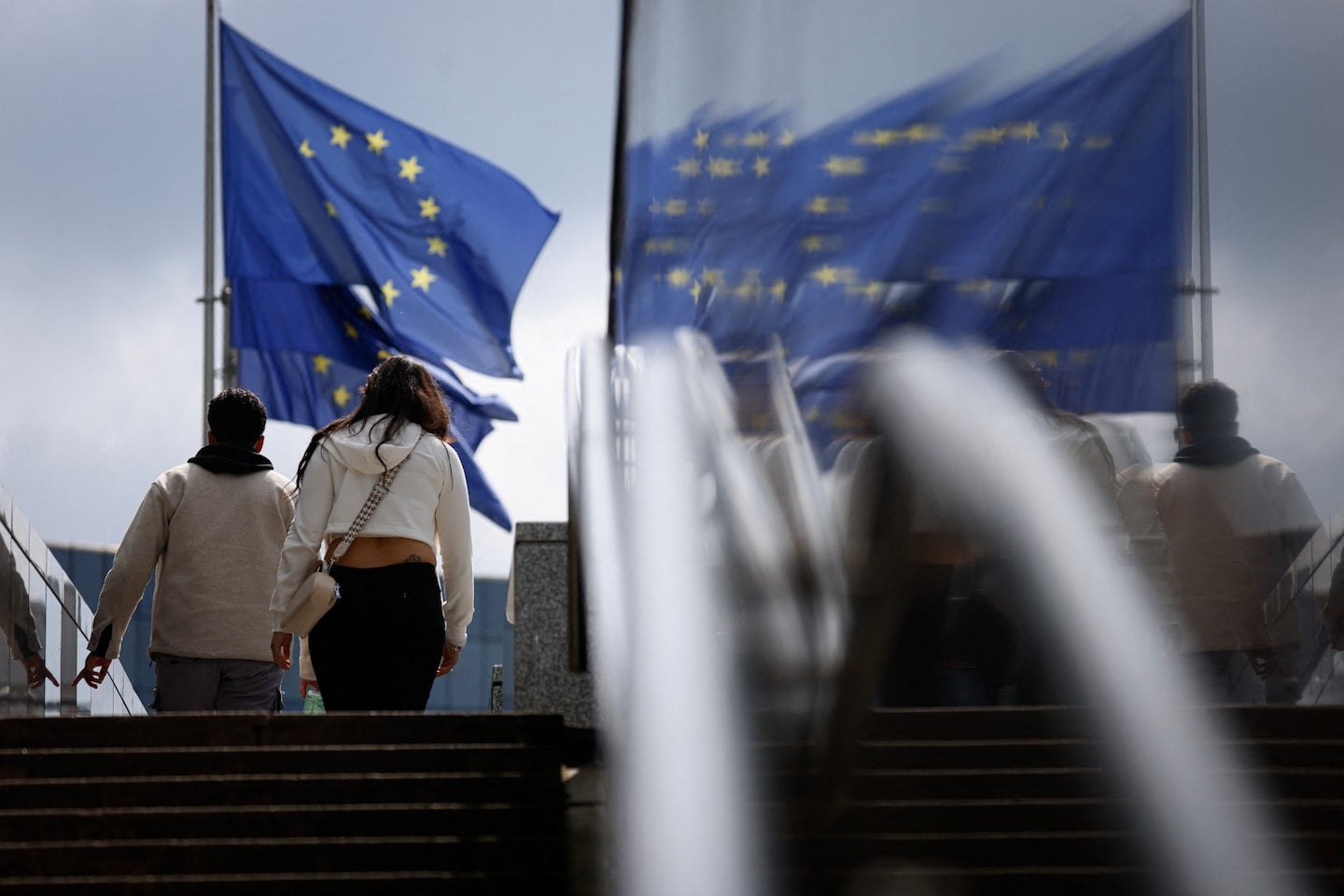
The European Union is experiencing a political shift to the right, with upcoming European Parliament elections potentially giving far-right parties their largest share of seats ever. This shift could significantly influence European policymaking and serve as an indicator of broader Western voter sentiment ahead of other national elections, including in the United States.
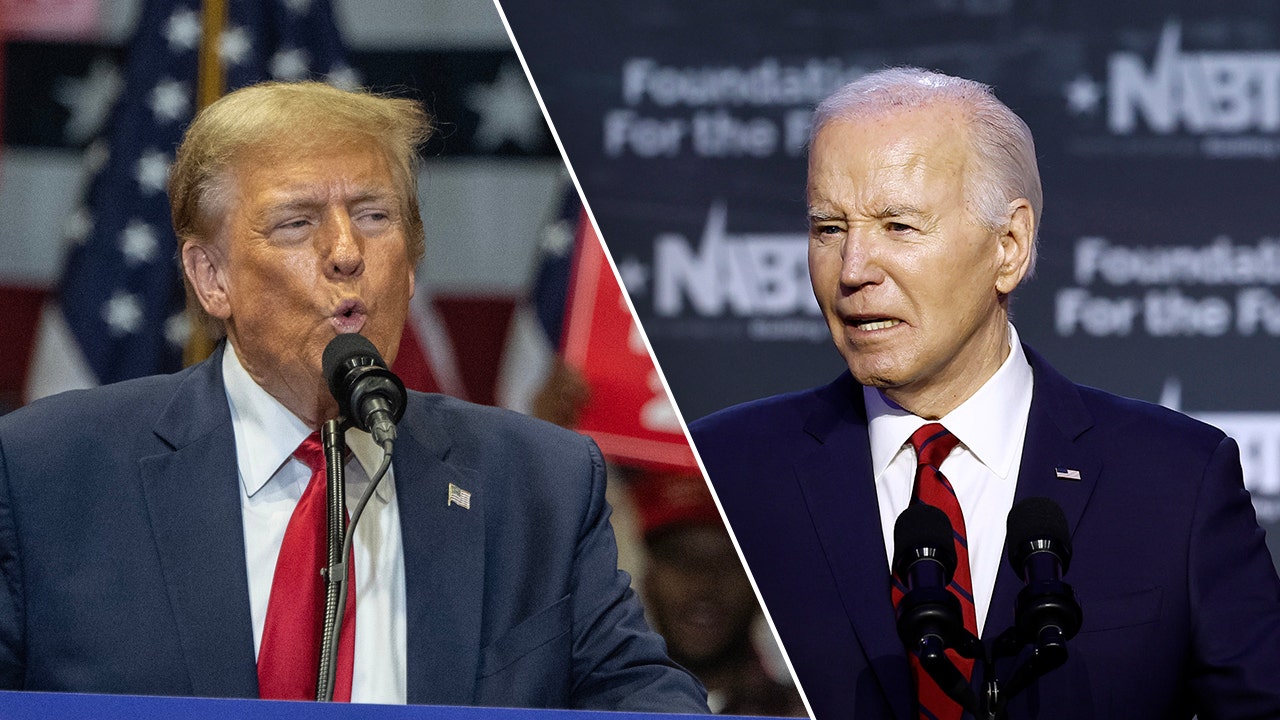
A new Emerson College Polling survey shows former President Trump leading President Biden 46% to 45% in the 2024 presidential race, with 9% undecided. Opinions on Trump's criminal conviction are divided, with 40% of voters believing he should receive prison time. Biden's job approval stands at 37%, with the economy being the top issue for voters. Third-party candidates slightly reduce support for both main candidates.
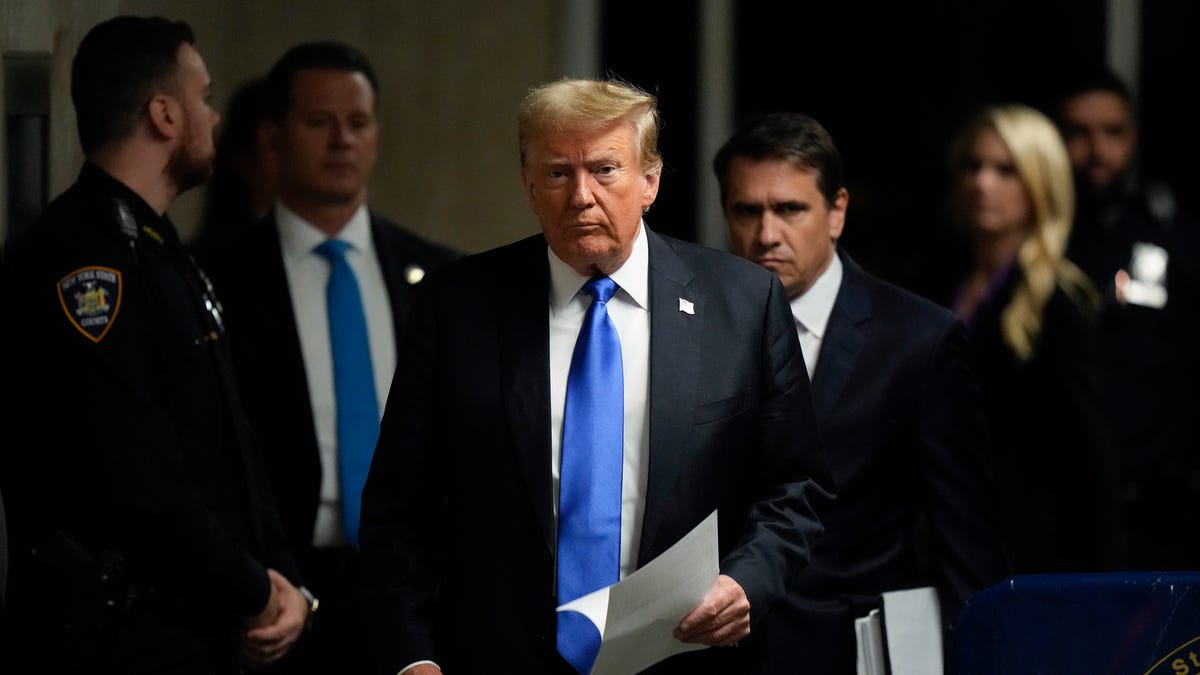
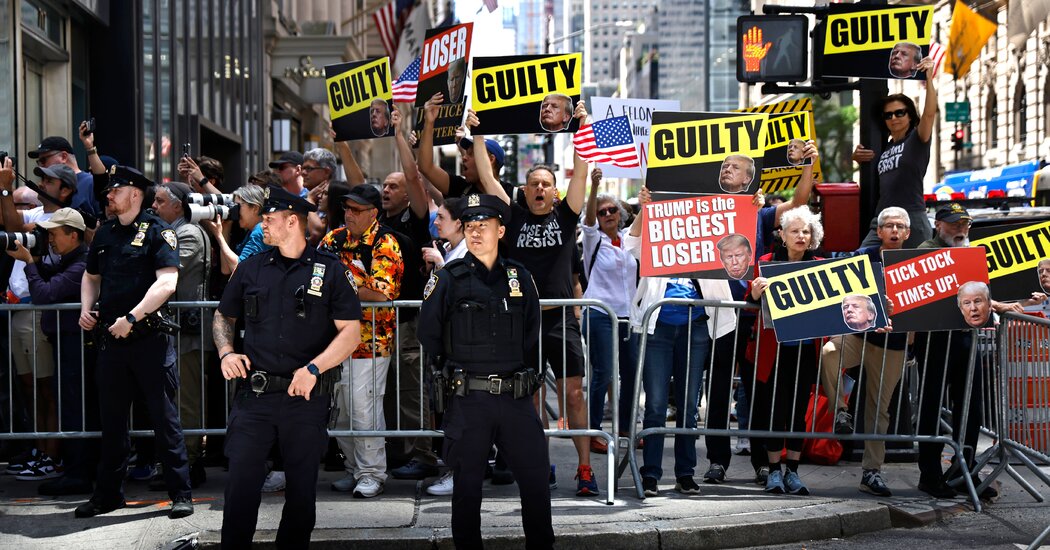
Early polls following Donald Trump's conviction in his New York hush money case show minimal change in voter sentiment, with his conservative base remaining largely supportive. However, a small but potentially decisive number of moderate and independent voters in key battleground states appear less likely to support him, which could impact the 2024 election outcome. Both Democrats and Republicans are using the trial to court these pivotal voters, with Trump resuming full-time campaigning and emphasizing early voting strategies.
Following Donald Trump's conviction for falsifying business records, a slight shift in voter sentiment has been observed, with President Biden gaining marginal support among nearly 2,000 previously polled voters. While Trump still retains 93% of his previous supporters, the findings suggest some voters are reconsidering their stance.
Voters express mixed reactions to former President Trump's conviction, with some feeling it strengthens his support base and others viewing the trial as fair. Despite the guilty verdict, Trump's favorability rating remains largely unchanged, and his campaign raised $53 million within 24 hours. An ABC/Ipsos poll shows 49% of Americans believe Trump should end his presidential run, while 47% think the convictions were politically motivated.