As a total solar eclipse is set to cross North America, here are 14 fascinating facts and photos about eclipses, including the different types of eclipses, historical eclipse events, eclipse viewing safety tips, and notable figures observing past eclipses. The article also highlights the significance of protective eyewear and the term "Baily's Beads," and provides insights into the longest and shortest total solar eclipses of the 21st century.
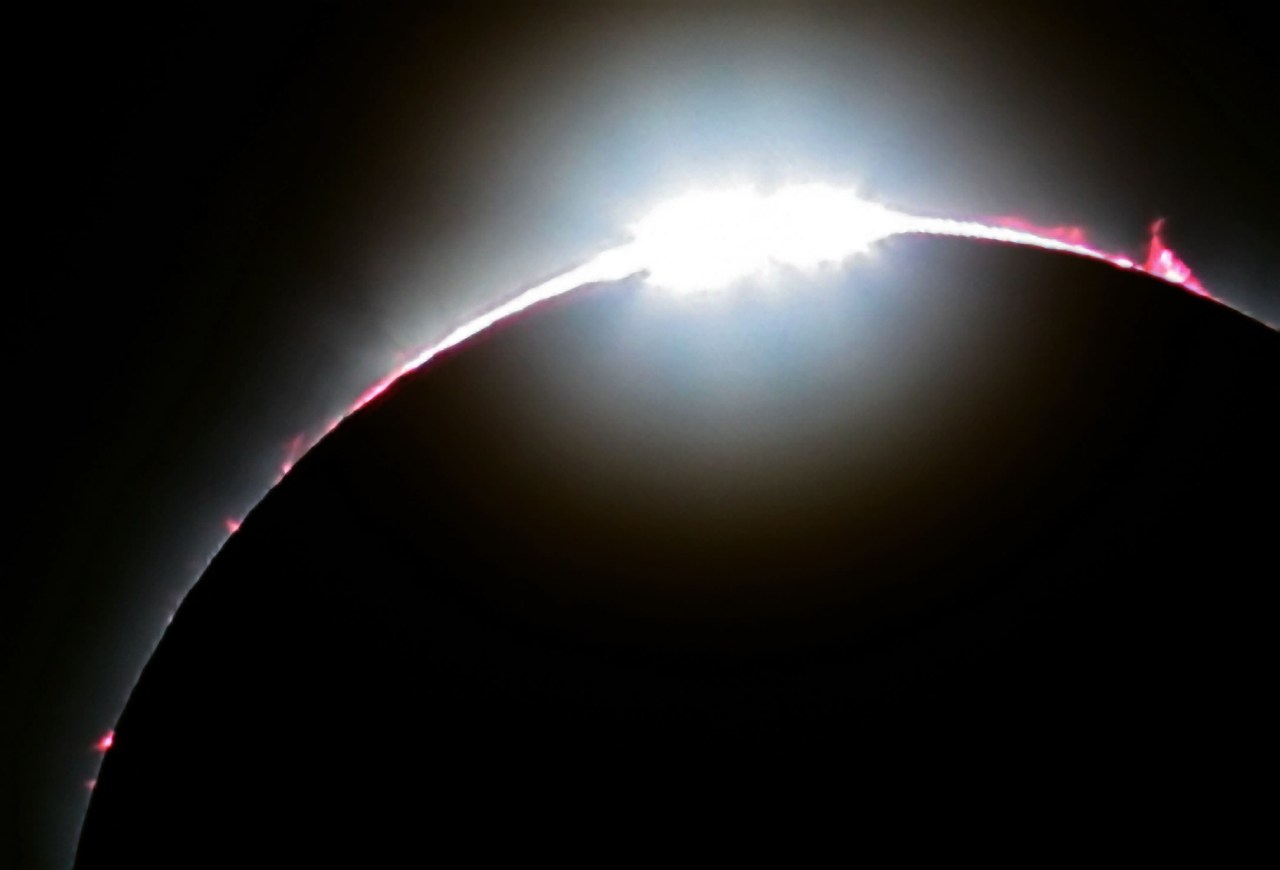
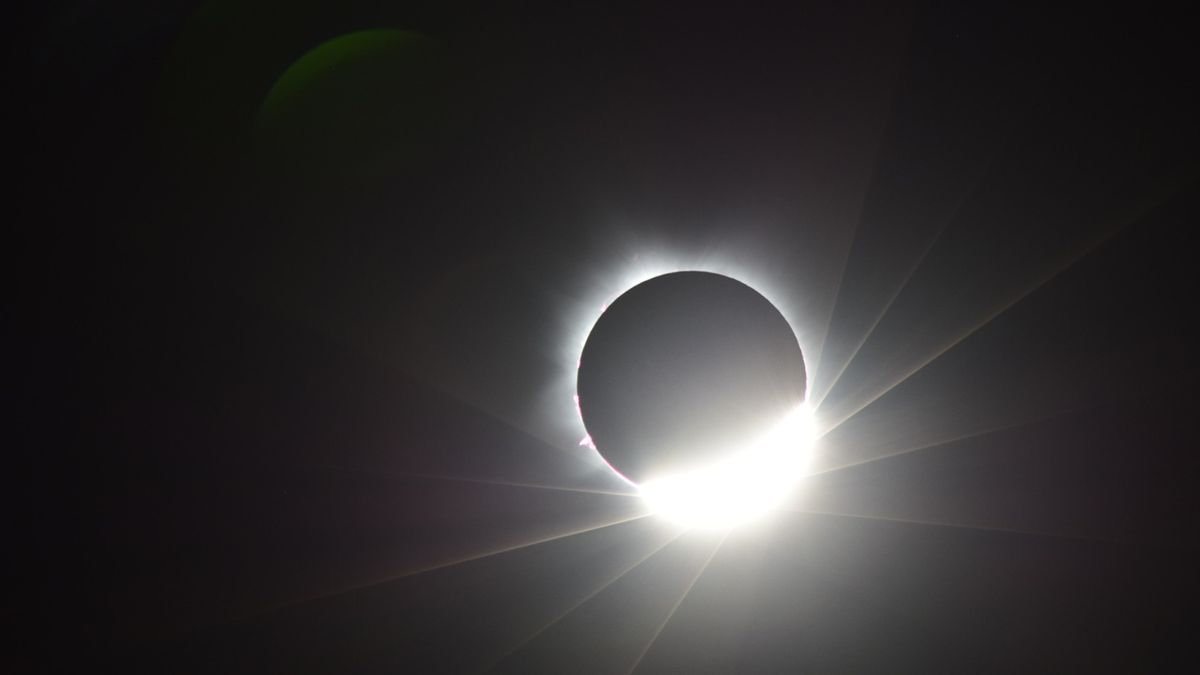
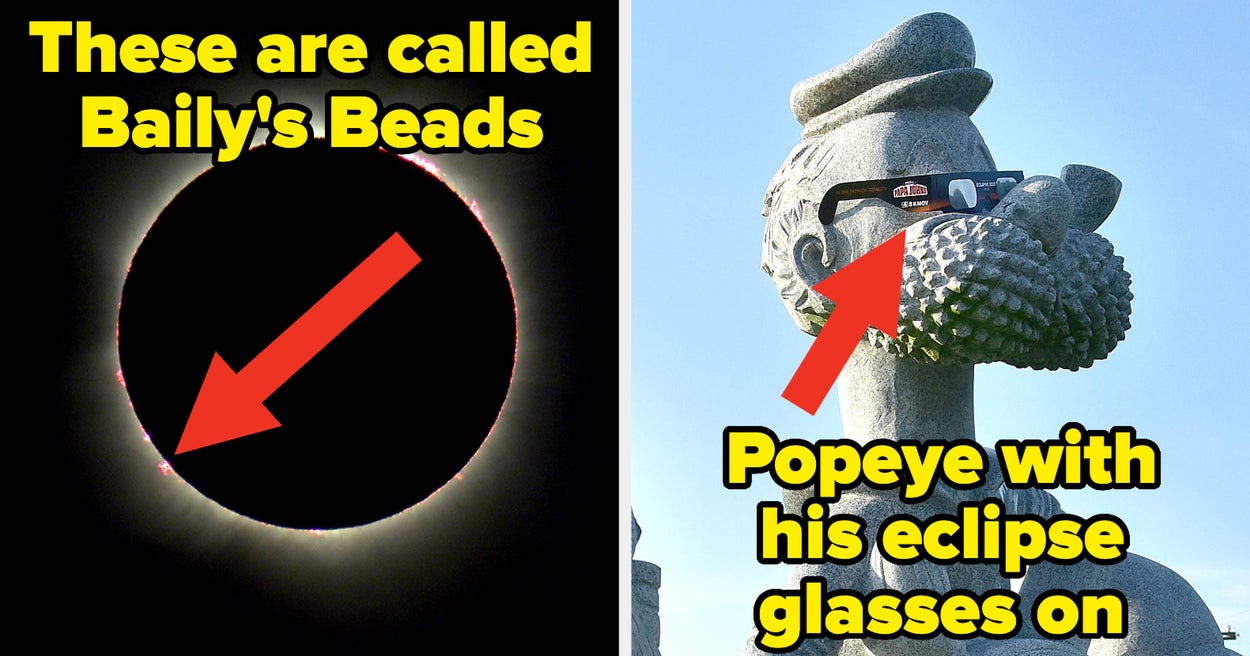
During April's total eclipse, a "double diamond ring" effect, also known as Baily's Beads, will be visible in parts of Central Texas as the last bit of the sun is covered by the moon and when it reemerges, caused by the uneven edge of the moon. Cartographer Michael Zeiler has created maps showing where this phenomenon will be visible, particularly just west of Fredericksburg and Kerrville, and has also created 14 maps across North America for other viewing locations. Solar eclipse glasses are necessary for safe viewing, and only those within the path of totality can briefly remove them when the sun is completely obscured.
As a partial solar eclipse approaches, here are 10 weird things that can happen during an eclipse. These include the appearance of Baily's beads, solar prominences, plunging temperatures, changing winds, confused animal behavior, scrambled radio waves, potential effects on microorganisms, the formation of weird shadows, the occurrence of shadow bands, and the visibility of stars and planets during a total eclipse.
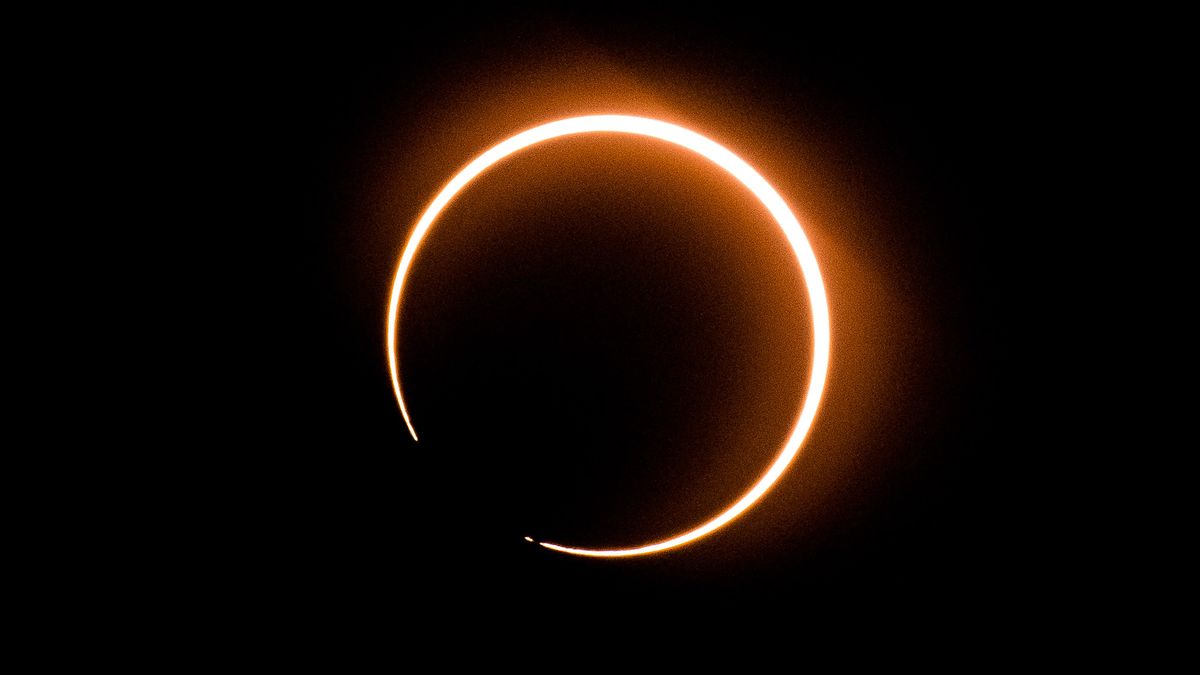
An annular solar eclipse is set to occur in the US Southwest on October 14, 2023. While the centerline of the eclipse path offers the longest view of the "ring of fire," standing at the northern or southern edge of the path provides a unique experience of Baily's beads and the illusion of rotation. These edge effects can be observed in specific locations within the "grazing zone," such as Siletz Bay in Oregon, Grants Pass in Oregon, Lava Butte Lookout in Oregon, Mancos State Park in Colorado, Bandera Crater in New Mexico, Alto in New Mexico, and New Braunfels in Texas.
A rare "hybrid-total" solar eclipse was witnessed by 2,000 eclipse-chasers from the deck of a cruise ship off the coast of Australia. The event was a combination of a total solar eclipse and an annular solar eclipse, with a colossal corona, multiple prominences, and a drifting "diamond ring" visible. The totality lasted for just 60 seconds, but the display of solar explosions was one of the advantages of experiencing a total solar eclipse while the sun is so active. The next hybrid total solar eclipse will be on Nov. 14, 2031, visible from the Pacific Ocean.