Tag

Progesterone

All articles tagged with #progesterone

Scientists Identify Brain Circuit for Female Sexual Rejection

Originally Published 1 year ago — by SciTechDaily

Featured image for Scientists Identify Brain Circuit for Female Sexual Rejection
Source: SciTechDaily

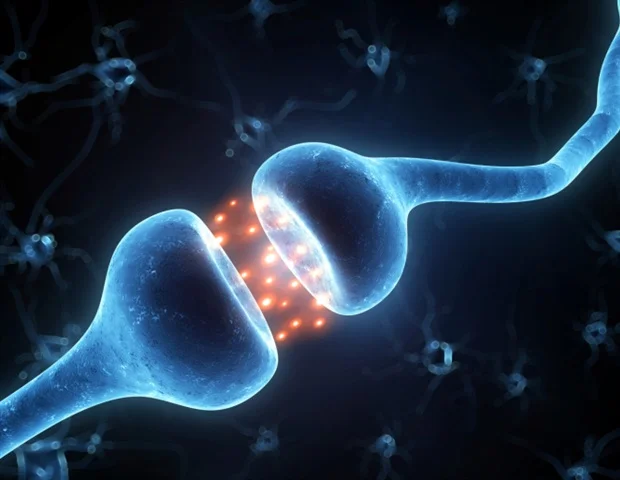
Researchers at the Champalimaud Foundation have identified a neural circuit in the anterior ventromedial hypothalamus (VMH) that regulates sexual rejection in female mammals based on their fertility cycle. Progesterone-sensitive neurons in this brain region become active in non-receptive females, prompting rejection behaviors, while their activity decreases during fertility, allowing mating. This discovery highlights the brain's dual control system for balancing sexual receptivity and rejection, providing insights into the neural mechanisms governing reproductive behavior.

Scientists Identify Brain Circuit for Female Sexual Rejection

Originally Published 1 year ago — by Neuroscience News

Featured image for Scientists Identify Brain Circuit for Female Sexual Rejection
Source: Neuroscience News

Researchers have discovered that progesterone-responsive neurons in the anterior ventromedial hypothalamus (VMH) of female mice toggle between sexual receptivity and rejection based on fertility. These neurons are active during rejection behaviors outside the fertile phase and receive inhibitory signals during fertility, reducing their activity and allowing mating. Using optogenetics, the study confirmed these neurons act as a neural switch for rejection, offering insights into human sexual behavior and related disorders.

Researchers Identify Brain Circuit for Female Sexual Rejection

Originally Published 1 year ago — by Interesting Engineering

Featured image for Researchers Identify Brain Circuit for Female Sexual Rejection
Source: Interesting Engineering

Researchers at the Champalimaud Foundation have identified a neural circuit in the ventromedial hypothalamus (VMH) of female mammals that governs sexual rejection. This study highlights how progesterone-sensitive neurons in the VMH act as a switch between acceptance and rejection of mating attempts, depending on the female's reproductive state. The findings, which have implications for understanding human reproductive and social behaviors, suggest that abnormalities in this brain region could be linked to conditions like polycystic ovarian syndrome and altered social behaviors.

"The Potential Benefits of Progesterone for Perimenopausal Women"

Originally Published 2 years ago — by Medscape

Featured image for "The Potential Benefits of Progesterone for Perimenopausal Women"
Source: Medscape

Micronized oral progesterone may reduce night sweats and improve sleep quality in perimenopausal women, according to a randomized, placebo-controlled trial. The study found that women who received progesterone experienced a significant decrease in night sweats and improved sleep compared to the control group. However, there was no significant difference in vasomotor symptoms between the two groups. The researchers recommend oral micronized progesterone at a dose of 300 mg at bedtime for women who have menstruated within the last year and are bothered by night sweats and sleep disturbances.

Progesterone's Potential in Fighting Parkinson's Disease

Originally Published 2 years ago — by Neuroscience News

Featured image for Progesterone's Potential in Fighting Parkinson's Disease
Source: Neuroscience News

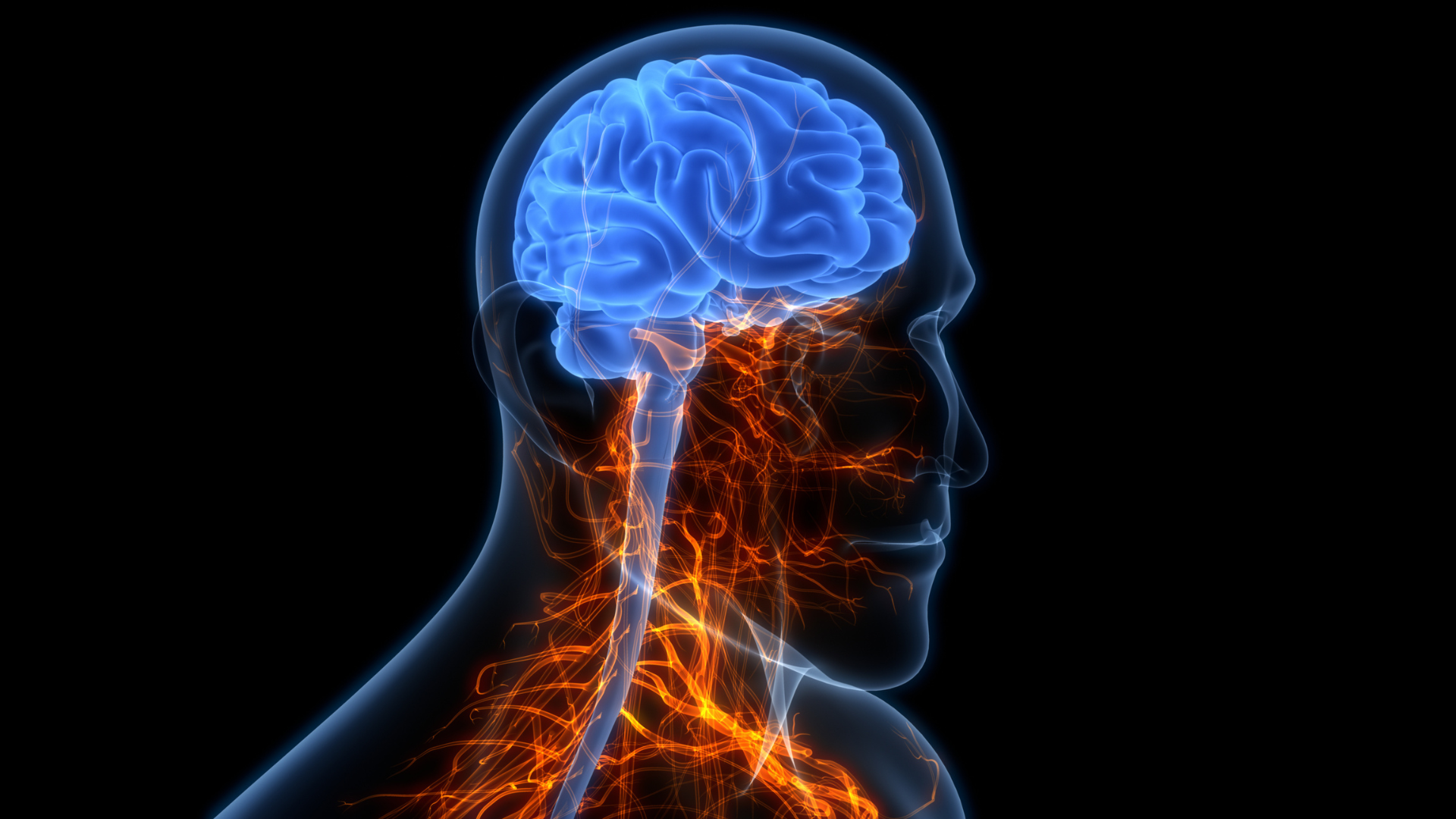
Progesterone has a protective effect on the nerve cells of the enteric nervous system (ENS), also known as the body's "second brain", according to recent research. The ENS communicates closely with the central nervous system and influences neurological diseases like Parkinson's and Alzheimer's. The study demonstrated that nerve cells treated with progesterone were more resistant to conditions simulating Parkinson's disease, suggesting that progesterone receptors in the ENS may have crucial roles in neuroprotection. This discovery opens up the possibility for new, steroid hormone-based treatments for neurodegenerative diseases.