Gold and silver prices fell sharply after reaching record highs, as investors took profits amid a slightly stronger U.S. dollar and ongoing geopolitical tensions, despite supportive factors like expectations of U.S. interest rate cuts and inflation cooling.

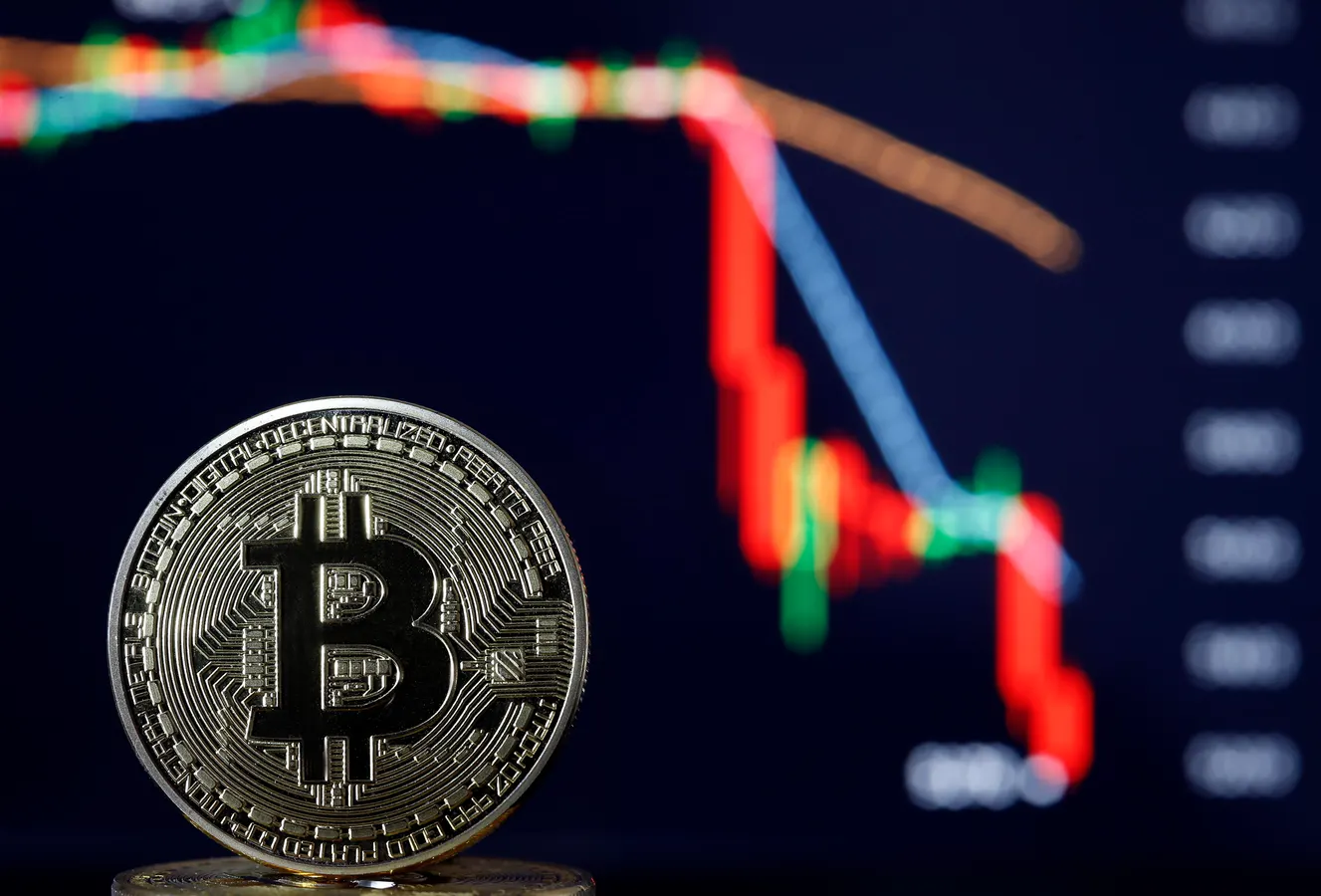
Bitcoin's October performance has disappointed, breaking its 6-year trend of roughly 20% gains, with an 8% decline driven by reduced US investor demand, ETF outflows, and slowing treasury acquisitions, leading market participants to await new catalysts for future gains.
Gold prices declined by up to 1.3% to near $4,058 an ounce as progress on a US-China trade deal reduced haven demand, reversing a recent rally that saw gold reach over $4,380. The market is shifting towards more fundamental factors amid upcoming central bank decisions, with traders also focusing on a record-high conference in Kyoto for bullion professionals.
Gold and silver prices experienced their largest drop in four years, with gold falling over 3% after reaching a record high, driven by a strengthening US dollar, cooling haven demand, and upcoming US-China trade talks, amid increased market volatility and concerns over a potential correction.
Bitcoin has experienced a sharp decline, dropping nearly 10% and wiping out $300 billion from the crypto market amid fears of a major crash, influenced by economic concerns, trade tensions, and seasonal trends, despite some institutional optimism about its long-term potential.
Home price gains are expected to slow down nationally, with regional variations showing some markets experiencing declines, especially in the South and West, while others in the Midwest and Northeast see significant increases. The overall trend suggests a slowdown in price growth through 2024, influenced heavily by mortgage rates and regional market conditions.
Bitcoin recently hit a record high above $123,000 but has since declined about 5% as investors lock in profits, with data showing $3.5 billion in gains booked in 24 hours. Despite the pullback, bullish sentiment remains, with options traders betting on further gains and legislative support expected in the US. Bitcoin has gained nearly 29% in 2025 and 44% over the past three months.
Falling home prices, driven by high mortgage rates and softening demand, suggest a potential deeper correction in the housing market, with recent data indicating a possible sustained downturn despite some factors like tight supply and a resilient labor market providing limited support. Economists warn of ongoing declines, but some believe a prolonged downturn can be avoided.
The U.S. housing market shows signs of cooling, with slower price growth and declining sales, raising concerns about a potential sustained downturn due to high mortgage rates and rising supply, although tight inventory may prevent significant price drops.
Originally Published 6 months ago — by Wolf Street
Condo and single-family home sales have plummeted to historic lows, with condo sales hitting the lowest since 2012 and inventory reaching levels not seen since the housing bust, driven by a sharp decline in demand due to skyrocketing prices that have become unsustainable, leading to significant price drops in many major cities.
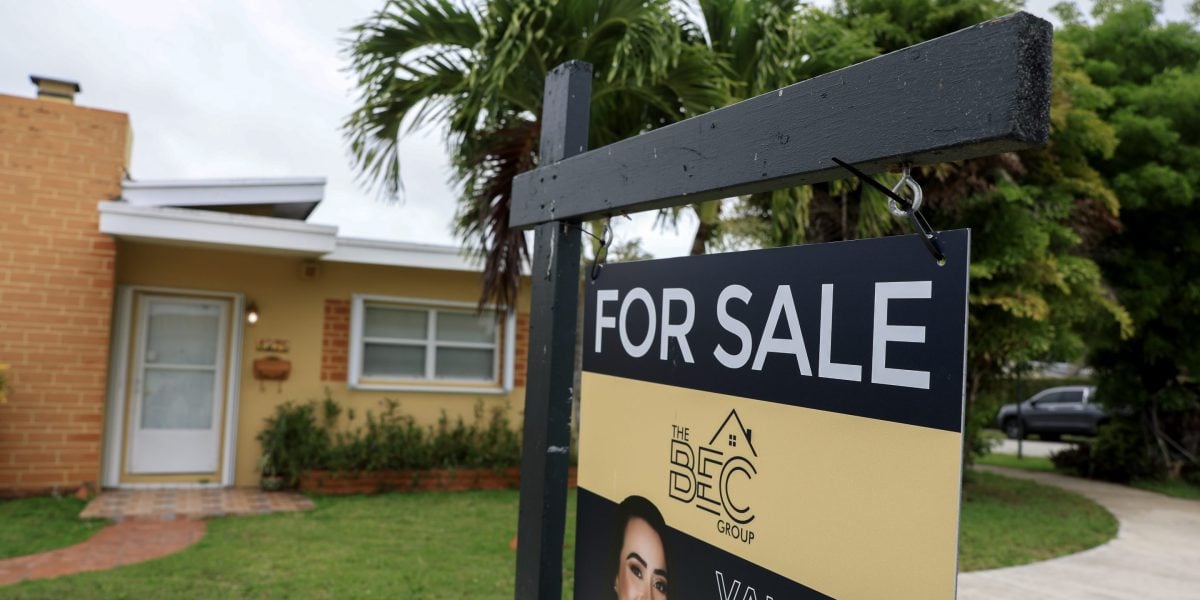
The US housing market is shifting from a seller's to a buyer's market, with record-high inventory and fewer buyers leading to significant price cuts, especially in markets like California and Texas, and experts predict home prices will decline by about 1% by year's end.
The US housing market is showing signs of a slowdown with falling home prices, rising inventory, and increased concessions from sellers, driven by higher mortgage rates and economic uncertainty, signaling a potential shift towards a more balanced or challenging market environment.
The U.S. housing market is shifting in favor of buyers as home prices in major metro areas begin to fall due to increased supply and higher mortgage rates, with prices expected to decline further later this year, signaling a potential reversal from the prolonged seller's market.
Bitcoin's price has dropped to a five-week low of $63,700 amid a historic level of negative sentiment, with indicators showing extreme fear and disinterest among traders. Despite this, some analysts suggest that whale accumulation and trader fatigue could lead to a price bounce. Google Trends data also indicates a decline in retail search interest for Bitcoin, and significant outflows from U.S.-listed Bitcoin ETFs have been observed.
XRP's price declined by over 3% in the past week, and market indicators suggest a bearish breakout could lead to further losses. Despite some bullish metrics, the overall sentiment remains negative, with key indicators like the MACD, RSI, and MFI pointing towards a potential price drop to $0.477.