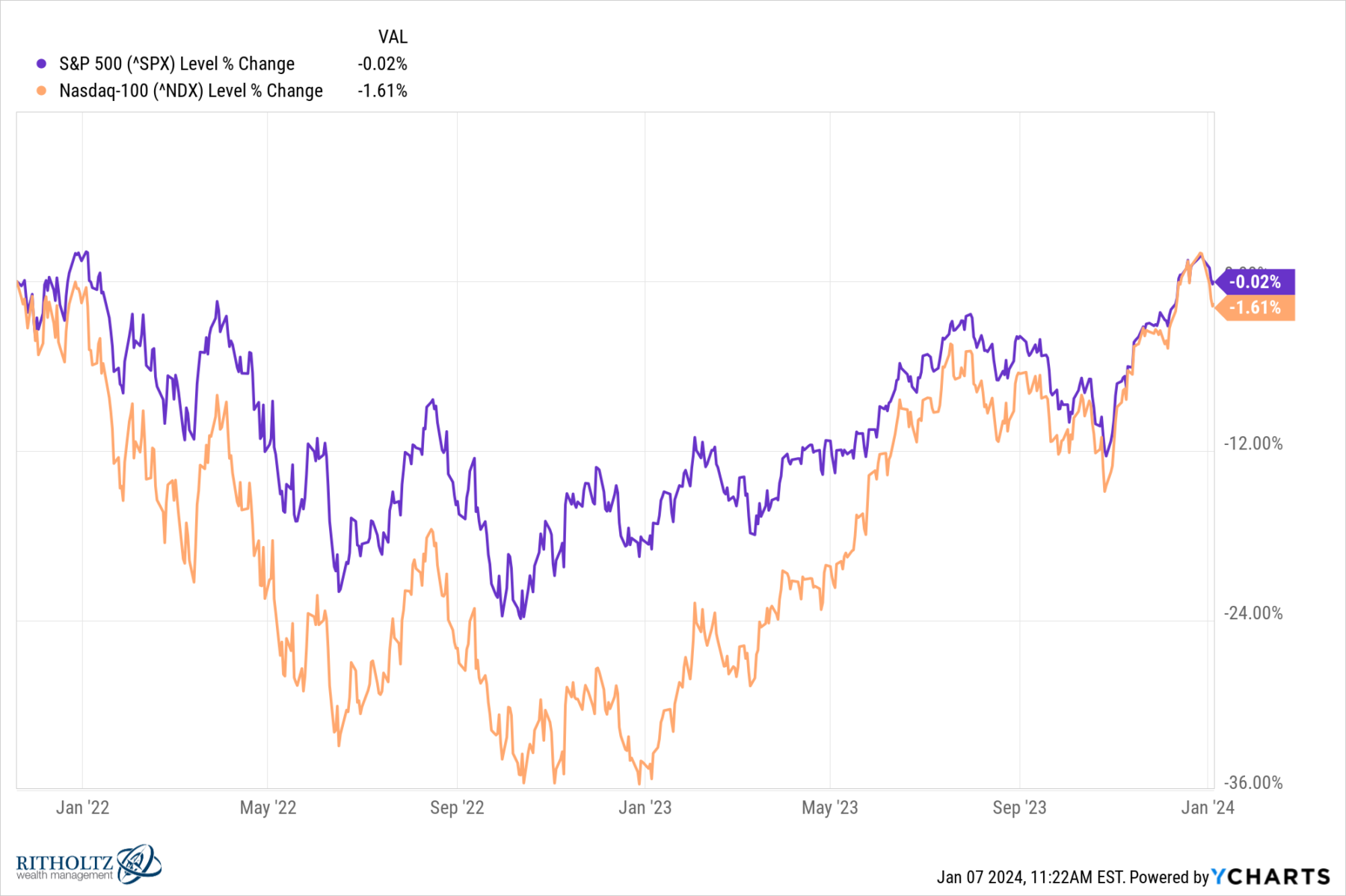
Wall Street's most bearish strategist, Peter Berezin of BCA Research, warns that the S&P 500 is nearing a 'Wile E. Coyote' moment, indicating a potential sharp decline due to economic concerns such as weak consumer spending, housing, and payroll data, along with geopolitical and fiscal risks. His models suggest below-average returns in the short term, and he recommends an underweight position in U.S. stocks amid these risks.

POPCAT experienced a significant 79.7% rally in November but has since retraced most of these gains due to a bearish market structure and weak social media engagement. Despite Bitcoin's recovery, POPCAT struggled to surpass the $1.4 resistance level, with technical indicators showing dominant bearish momentum. Compared to other memecoins, POPCAT has underperformed, shedding 23.28% over the past 30 days. The sentiment around POPCAT turned negative, and a decline in whale addresses holding large amounts of POPCAT further contributed to its struggles.
XRP's price declined by over 3% in the past week, and market indicators suggest a bearish breakout could lead to further losses. Despite some bullish metrics, the overall sentiment remains negative, with key indicators like the MACD, RSI, and MFI pointing towards a potential price drop to $0.477.
Natural gas experienced a rally to a high of 2.88 before encountering resistance and undergoing a sharp intraday selloff, ultimately closing below the 200-Day MA. The outlook for natural gas remains uncertain, with arguments for both bullish and bearish perspectives. The bearish view is supported by recent price behavior indicating a potential bearish continuation pattern, while the bullish perspective highlights a breakout of the long-term downtrend line and the potential for a short-term bullish indication if the 200-Day MA is successfully tested.
Veteran strategist David Rosenberg is "maximum" bearish on U.S. stocks, citing similarities to the setup in 2022 and warning of extreme readings in positioning, sentiment, and technicals. He advises investors to consider financials, particularly larger banks and insurance companies, as well as energy, communication services, and utilities. Rosenberg also suggests considering locking in yields on front-end T-bills and turning constructive on commodities, particularly food/agricultural products. Stock futures are lower, Treasury yields are climbing, and oil and gold prices are up, while the Nikkei 225 index hits a 33-year high. In other news, Juniper Networks stock is up on reports of a potential acquisition, and Samsung Electronics forecasts plunging fourth-quarter profit.
The debate over the market outlook for 2024 presents a range of bullish and bearish factors. Bullish arguments include momentum from the S&P 500's previous gains, a lack of recession, declining inflation, and the Federal Reserve's potential impact. On the other hand, bearish concerns revolve around long and variable lags in monetary policy, challenges in commercial real estate due to remote work, market concentration, yield curve inversion, global economic slowdown, and geopolitical risks. The unpredictability of the future and the potential impact of unforeseen events make forecasting a challenging endeavor.
Shares of Walt Disney closed at their lowest level in nearly nine years as investors turned bearish, with some betting on a further price drop in the coming months. Disney stockholders are closely watching the company's turnaround plan, which includes price hikes, more ads, and cost cuts across its streaming properties. Trading sentiment leaned towards bearish bets, with put options being actively traded to guard against the stock slipping below $80 by mid-September and mid-October. The stock was also affected by market weakness and caution ahead of U.S. Federal Reserve Chair Jerome Powell's speech. Disney's CEO acknowledged the challenging environment in the company's recent earnings report.
Fund managers are the least bearish in over a year, according to Bank of America, erasing a previous buy signal. The surprise rate cuts in China are impacting stock futures, potentially reflecting the economic troubles in the country. Retail sales data is expected to be released later, which may provide further insight into the market's performance.
Hedge funds with bearish positions in the stock market are facing significant losses as a surprise rally bulldozes their predictions, leading to unexpected gains for investors.
ZIM Integrated Shipping Services is expected to report a large loss for Q1 2023, with analysts forecasting a loss of $0.22 per share and a 57.3% YoY decrease in revenue. The container shipping company is facing a tough market ahead, with shipping rates continuing to dip and newbuilds set to hit the market. Despite this, some investors remain bullish on the stock and forecast a dividend surprise, but the company's switch to losses could usher out remaining bulls. The author maintains a bearish investment thesis on the stock heading into a lackluster year ahead.
Despite the S&P 500 popping its head through the 4,200 level again, investors are expressing misery about the market. However, this negative sentiment is a potential catalyst for positive forward returns, according to George Smith, portfolio strategist at LPL Research. The spread between the bulls and the bears is at minus 17%, versus a long-term average of plus 2%, implying further market gain. Extremes in pessimism in the American Association of Individual Investors data are, on average, bullish for near-term stock market returns.
According to RBC, individual investors' bearish sentiment towards the stock market is a contrarian buy signal that historically has led to a 15% gain. RBC's analysis shows that when individual investors are pessimistic, it's usually a good time to buy stocks.