Morrissey has canceled two U.S. shows due to an adverse reaction to medication, adding to a series of cancellations in recent months. Despite health issues affecting his tour schedule, he is expected to release new music soon, with an album announced but no release date set.
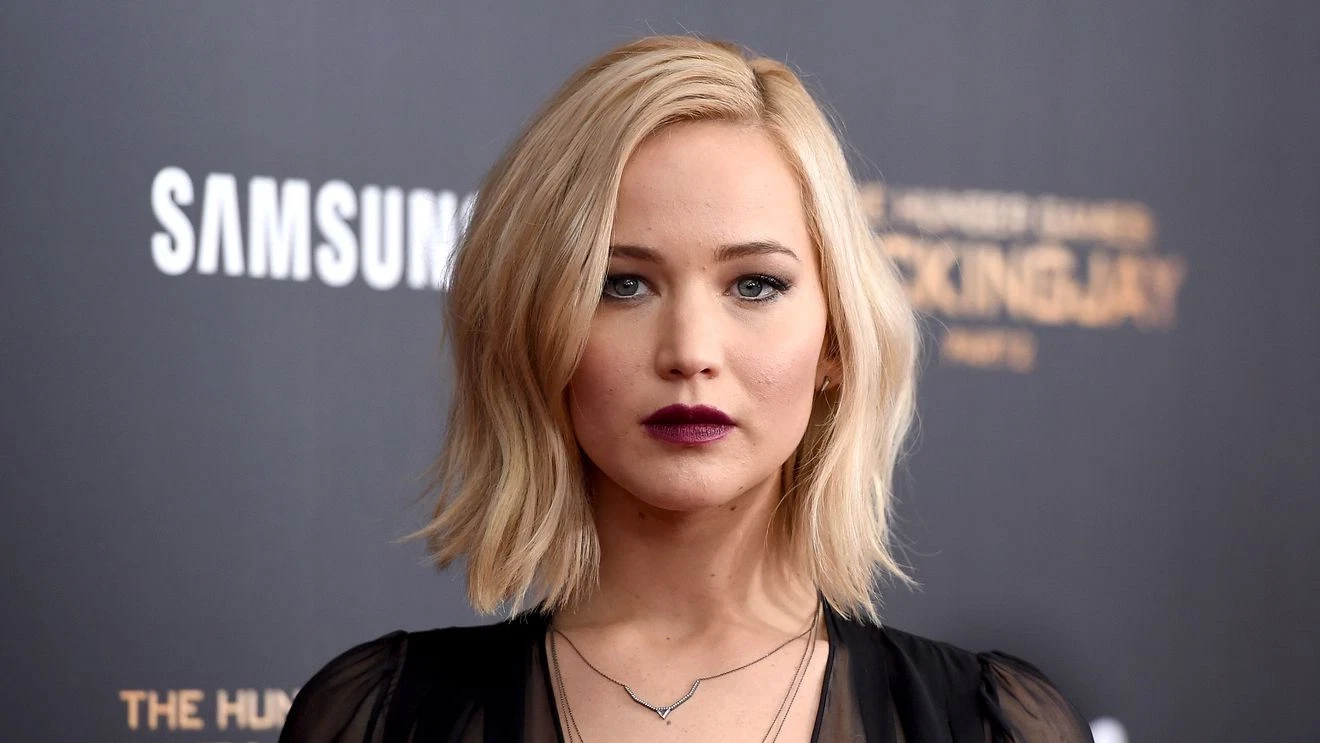
Jennifer Lawrence revealed that during the filming of 'Hunger Games,' she accidentally took the wrong prescription medication, which caused her to hallucinate and panic, highlighting the challenges actors face with medication and sleep management on set.
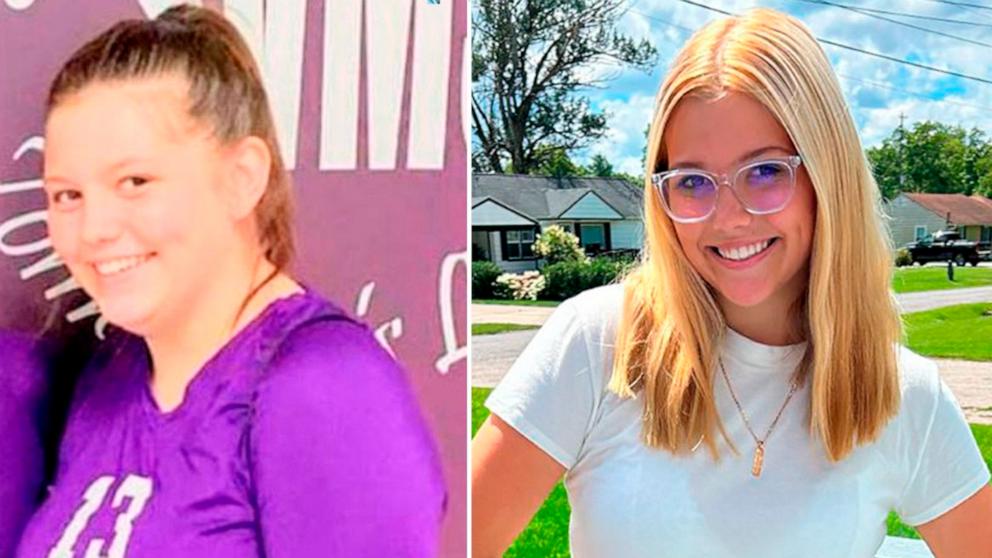
Demi Buckley, a 16-year-old, struggled with obesity despite living an active lifestyle and turned to prescription weight-loss medication Wegovy, containing semaglutide, with her doctor's approval at the age of 15, losing 55 pounds. The use of prescription weight-loss medications in adolescents has gained attention, with experts emphasizing the importance of a comprehensive treatment plan for children with obesity, while also considering potential side effects and the risk of eating disorders. Despite some backlash, Demi and her mother advocate for the positive impact of these medications and hope to inspire others facing similar challenges.
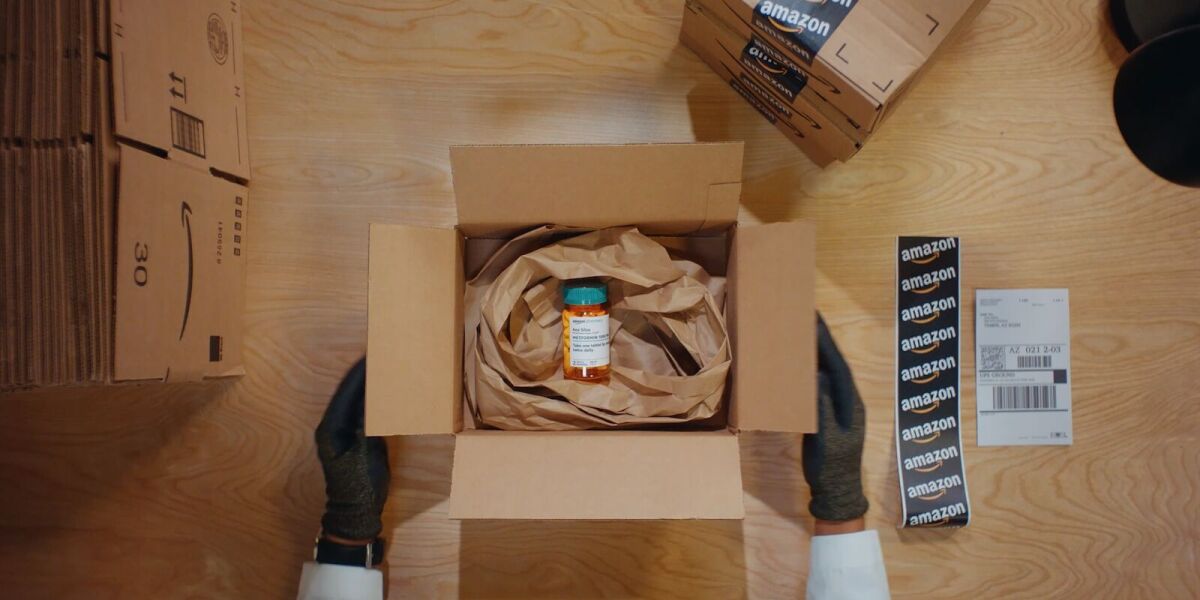
Amazon Pharmacy has launched Same-Day Delivery of prescription medication in New York City and greater Los Angeles, with plans to expand to more than a dozen U.S. cities by the end of the year. The service utilizes environmentally friendly delivery vehicles, including e-bikes, electric vans, and drones, and leverages AI and machine learning to streamline prescription filling. By integrating advanced technology and logistics, Amazon Pharmacy aims to provide faster and more convenient delivery of medications, ultimately helping customers save time and focus on their health.
Utah has the second-highest rate of people reporting shortages of prescription medication in the U.S., with over 16% of Utahns experiencing difficulties. The state also ranks sixth in shortages of over-the-counter meds. The University of Utah Health's Drug Information Service tracks shortages, including medications for ADHD, chemotherapy, and blood pressure. Expert advice includes maintaining a relationship with a single pharmacy, talking to pharmacists about alternative medications, and not panicking when facing supply issues.
Oprah Winfrey is set to host a TV special discussing the impact of prescription weight-loss medications, aiming to shed light on the stigma and controversy surrounding the topic. She hopes to liberate people from shame and blame regarding weight and obesity, emphasizing that it's not their fault but a matter of brain function. The special, premiering on March 18, will feature conversations with medical experts and individuals battling obesity, addressing the impact of weight-loss medications on healthcare, economy, lifestyle, and culture.
The first oral pill approved by the FDA to treat postpartum depression, called Zurzuvae, is now available in the US. The medication, which costs $15,900 per course before insurance, has shown promising results in reducing depressive symptoms within three days. However, concerns have been raised about its accessibility due to the high cost. Biogen and Sage Therapeutics have launched a patient support program to provide financial assistance and medication at no cost for eligible individuals. Other options for treating postpartum depression, such as SSRIs, are more affordable but take longer to take effect.
A shortage of minoxidil, a popular drug used to treat hair loss, is causing difficulties for patients trying to obtain their prescriptions. Minoxidil, taken orally, is effective in regrowing hair and maintaining progress, but interruptions in treatment can lead to hair loss. Recent research found that only 40% of pharmacies surveyed had the ability to immediately fill 30-day prescriptions for minoxidil. The cause of the shortage is unclear, but increased attention and prescriptions may be contributing factors. The shortage is concerning for dermatologists, as many patients may not be able to access the medication, impacting their quality of life.
Amazon has introduced its Amazon Virtual Clinic, allowing individuals to consult with licensed clinicians through video chat or direct messages to address symptoms of colds, coughs, or the flu. Users can complete a form detailing their symptoms and health history, after which a clinician will create a personalized treatment plan that may include prescription medication. Amazon can then deliver the prescription directly to the user with free delivery through Amazon Pharmacy. The service provides a convenient and quick way to access healthcare for minor illnesses, reducing the burden on medical professionals and offering relief to customers in a matter of minutes or hours.
Ozempic, an injectable treatment for type 2 diabetes and weight loss, is not covered by Medicare Part D for off-label use. However, if prescribed to control type 2 diabetes, it is covered under Medicare Part D. The cost of Ozempic can range from $900 to $1,100 without insurance, but with insurance, it can be as low as $25 a month. The Inflation Reduction Act of 2022 includes a maximum out-of-pocket spending cap for Medicare Part D beneficiaries, which will go into effect in 2024. There is hope that as Medicare drug price negotiations continue, Ozempic could become more affordable in the future.
Toenail fungus, or onychomycosis, is a common infection that affects an estimated one in 10 people worldwide. It is characterized by yellowing, brittle, and unusual-looking toenails. While the infection does not go away on its own, it can be managed with the right treatment. Prescription antifungal medications, both topical and oral, are the most effective options for killing the fungus. Over-the-counter treatments may improve nail appearance but do not eliminate the infection. It is important to confirm the presence of fungus before starting treatment to avoid unnecessary use of antifungals and the development of antifungal resistance. Preventive measures, such as keeping toenails trimmed, avoiding walking barefoot in public areas, and treating athlete's foot promptly, can help reduce the risk of toenail fungus.
Ozempic is an injectable medication approved by the FDA for managing type 2 diabetes and has also been found to be effective for weight loss. It can be purchased online with a valid prescription from licensed and regulated sources. Other options include getting it from a doctor's office, participating in weight management programs like Everlywell, using convenient care services like Sesame Care, or ordering through Amazon Pharmacy. It is important to be cautious when purchasing medications online to avoid counterfeit or substandard products. Always consult with a healthcare professional before making any decisions about medication purchases.
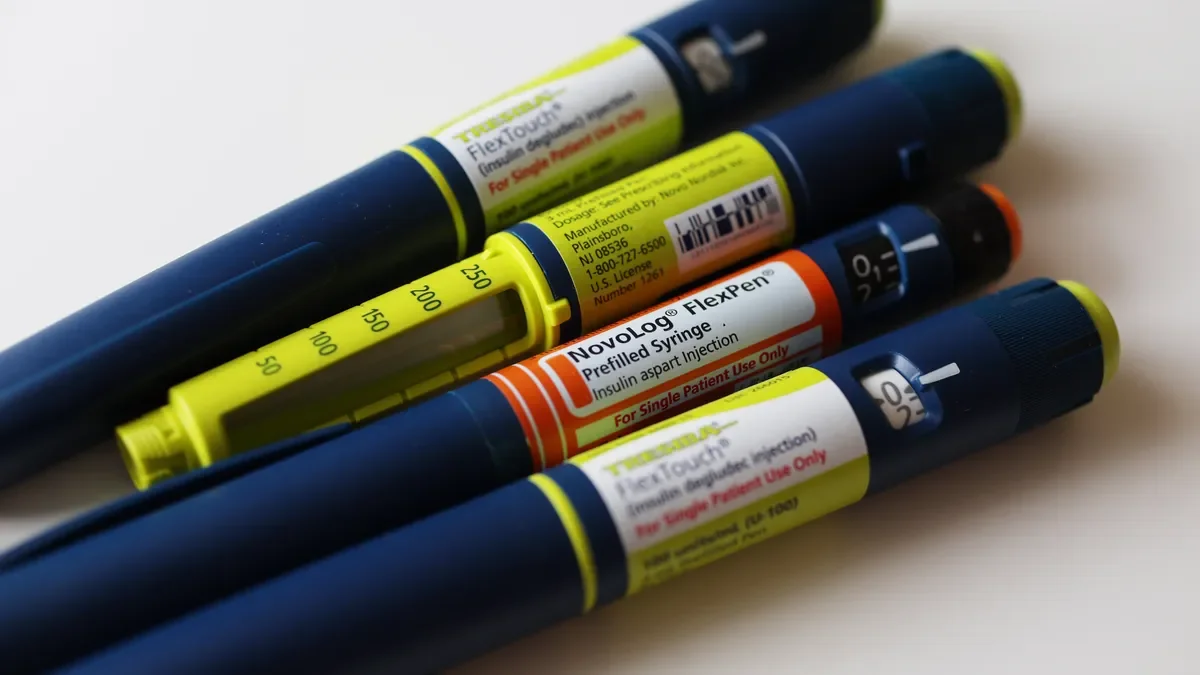
Amazon Pharmacy will automatically apply manufacturer coupons to over 14 commonly-used insulin products, including Eli Lilly's Humalog, Humulin, and Lispro, Novo Nordisk's Novolog, and Sanofi's Lantus, to provide discounts for consumers. The move aims to simplify the purchasing process and alleviate the struggles faced by consumers in accessing discounted insulin due to pharmacy restrictions and confusing information. The initiative comes after efforts to lower insulin prices, with three major insulin makers slashing prices by 70% or more. However, some consumers still face challenges in obtaining cheaper insulin, as highlighted in a report by Democratic senators. Other tech companies, such as Cost Plus Drugs and CivicaRX, are also working to offer lower-priced insulin products.
The weight loss drug Wegovy, which has been hailed as a breakthrough in treating obesity, is facing a national shortage, leaving some patients unable to access the medication. Developed by Novo Nordisk, Wegovy has shown significant results in weight loss, with some patients experiencing a 15% drop in body weight. However, the high demand for the drug has led to supply shortages, forcing some patients to stop treatment and potentially regain weight. The cost of Wegovy, which can reach $1,400 per month, has also raised concerns about accessibility, as it is not covered by Medicare. Despite these challenges, healthcare professionals are hopeful that more insurance companies will cover the drug in the future, given its potential to reduce the need for costly treatments related to obesity-related health issues.
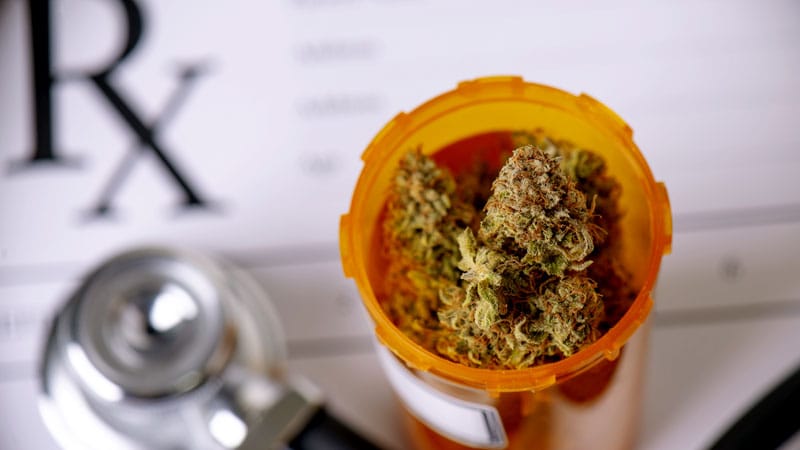
A study published in Annals of Internal Medicine found that the availability of medical cannabis has little impact on prescription rates of opioids, nonopioid pain medicines, and other pain interventions. The study analyzed insurance data from over half a million adults with chronic noncancer pain and compared prescription rates in states where medical cannabis is legal versus states where it is not. The researchers found minimal differences in prescription rates between the two groups, suggesting that medical cannabis laws do not significantly affect the use of prescription medications for pain management.