In 2026, Medicare beneficiaries will face increased premiums and deductibles, higher out-of-pocket costs for prescription drugs, and new negotiated rates on 10 common medications, making it crucial to review plans and budget accordingly for retirement healthcare expenses.
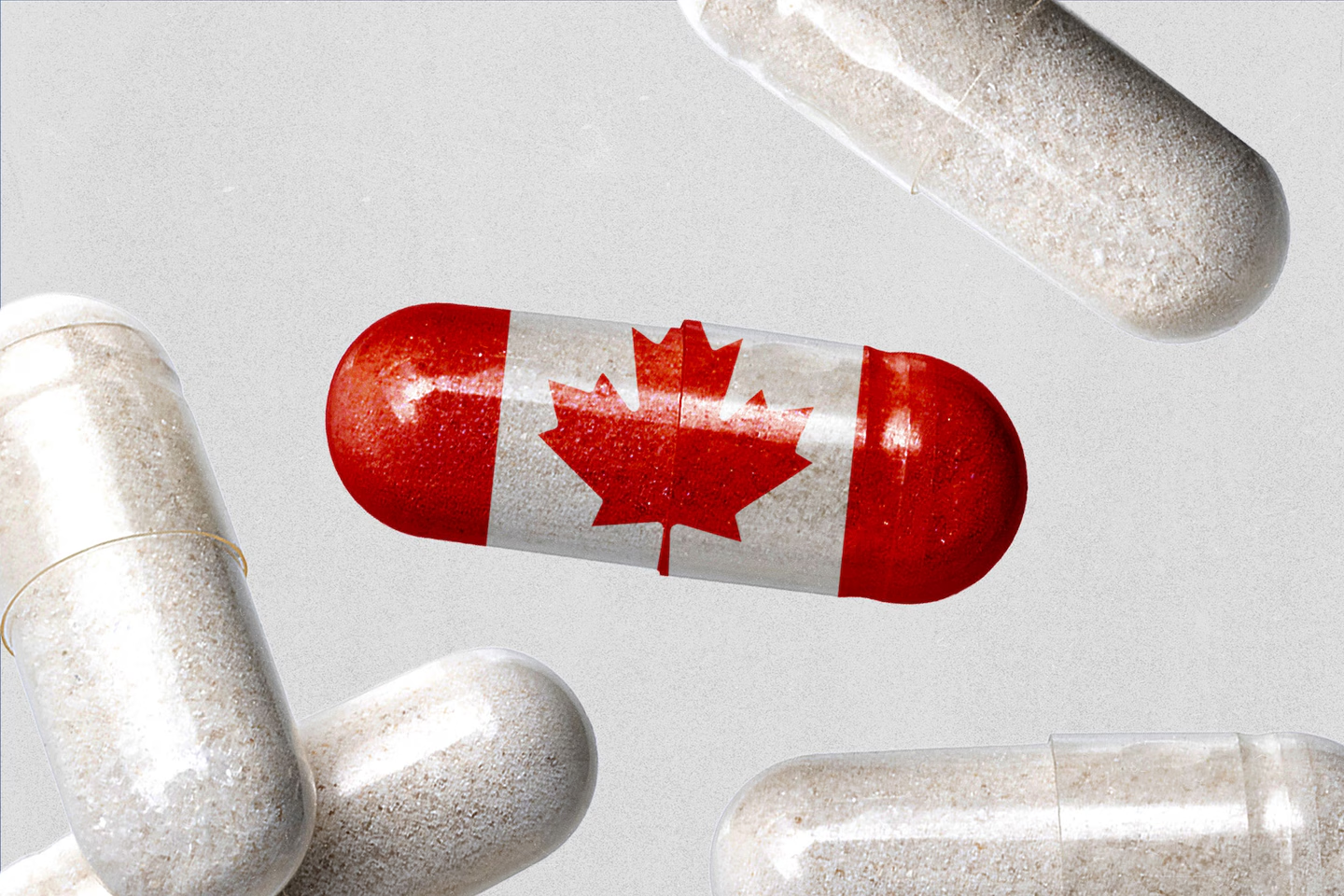
The article discusses how U.S. seniors increasingly rely on cheaper Canadian and international pharmacies for prescription medications, but recent trade policies, tariffs, and shipment restrictions are making access more difficult and expensive, raising concerns about affordability and safety.
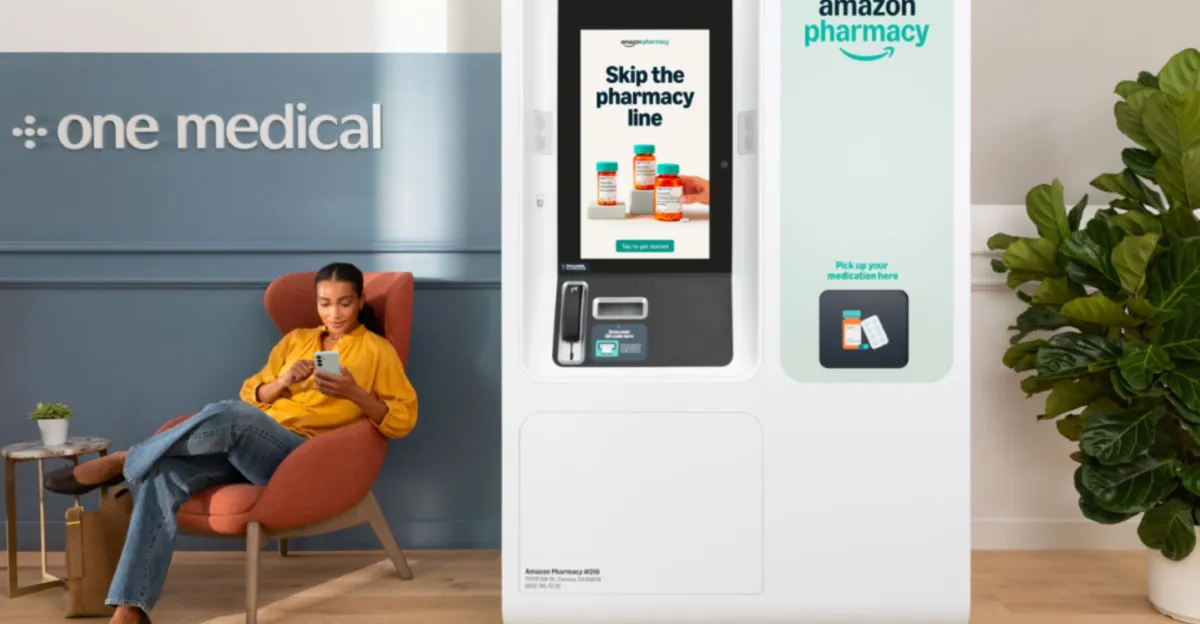
Amazon is introducing vending machines at One Medical clinics in Los Angeles to allow patients to quickly pick up common prescriptions like antibiotics and blood pressure medication, aiming to improve access and reduce delays in medication collection. These kiosks will not dispense controlled substances and will be available at more locations in the future, with added options for phone and video consultations with pharmacists.
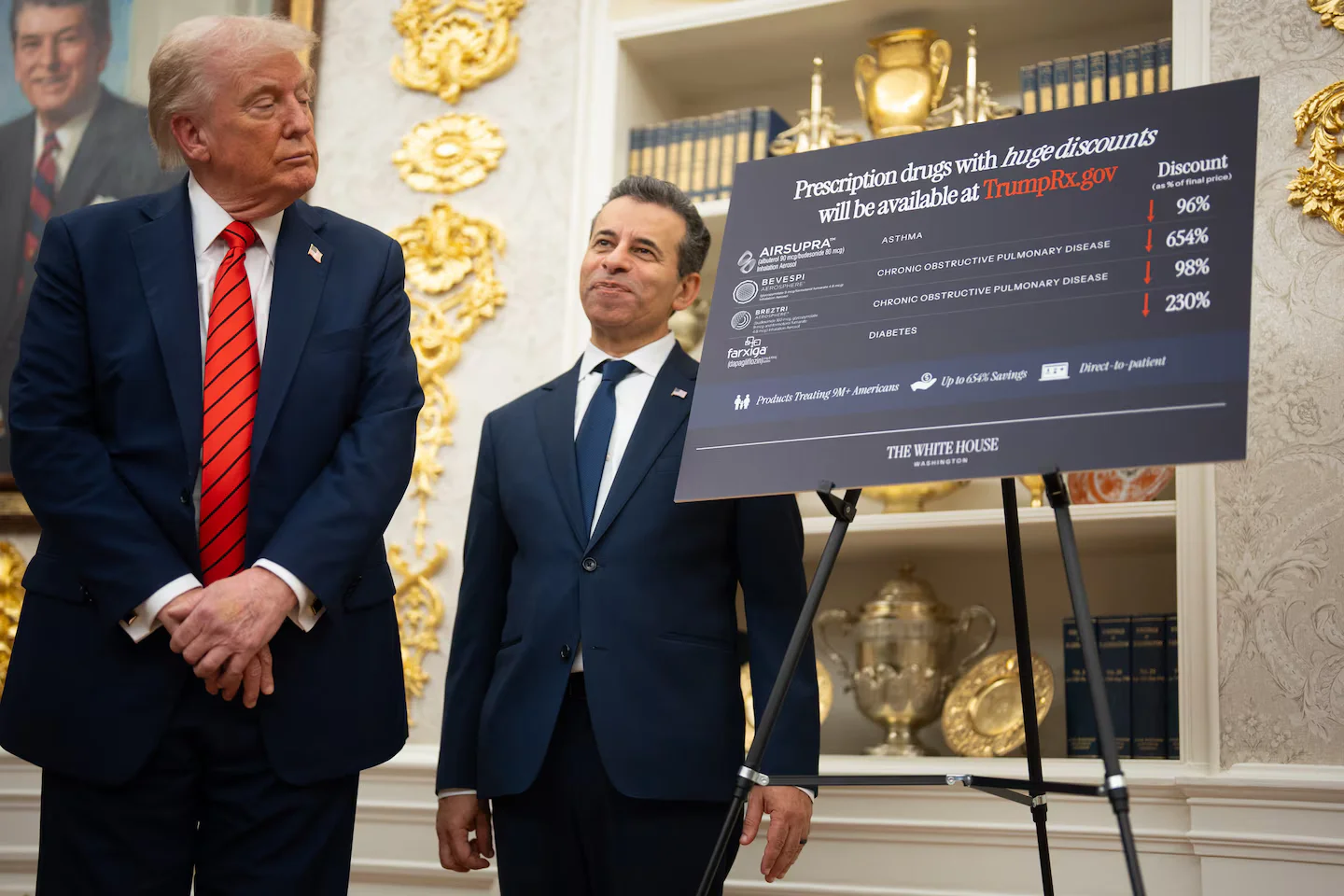
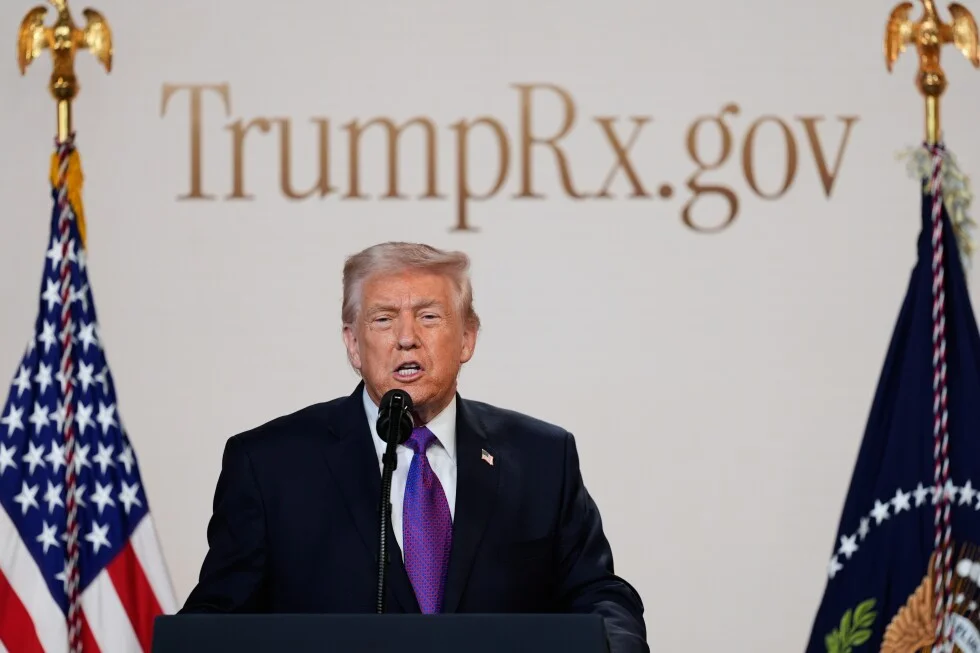
The article highlights the struggles of Americans like Janet Kerrigan and Aarolyn McCullough, who face exorbitant costs for essential medications, and discusses President Trump's efforts to lower drug prices through initiatives like Pfizer's Medicaid discounts and the upcoming 'TrumpRx' site, with critics arguing these measures may not go far enough.
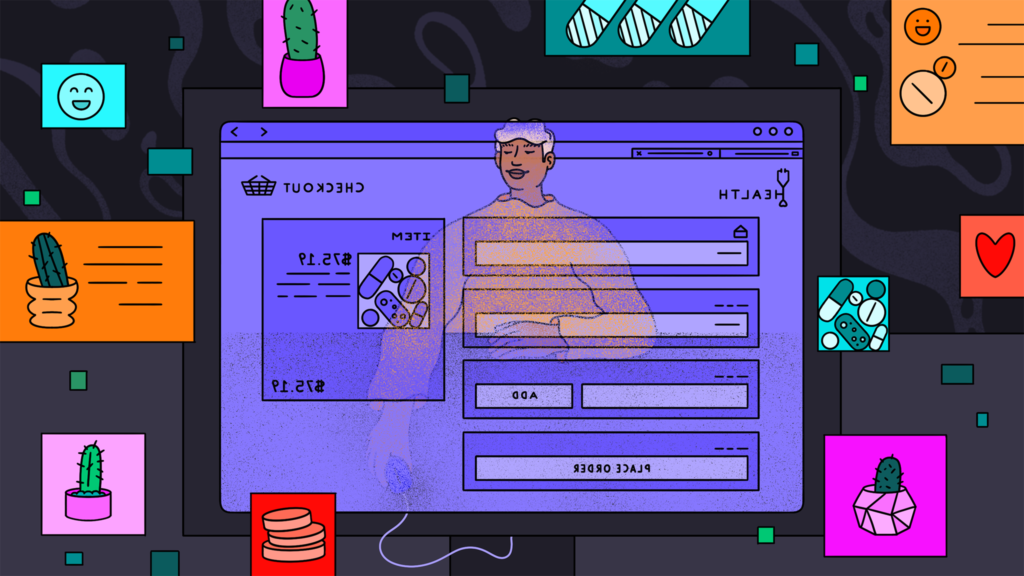
Telehealth has evolved from a tool for accessible medical consultations to a major marketing platform for direct-to-consumer drug sales, with ads for various medications like erectile dysfunction and weight loss drugs becoming ubiquitous in city environments, reflecting a shift towards drug-first approaches in digital healthcare.
Donald Trump announced the launch of 'TrumpRx,' a government website allowing Americans to buy prescription drugs directly at potentially lower prices, with Pfizer's involvement and an agreement to sell drugs to Medicaid at reduced rates.
President Trump's announcement of a 100% tariff on foreign brand-name drugs raises questions about which drugs will be affected, potential price increases for patients, the impact on U.S. drug manufacturing, and the risk of shortages, with many uncertainties about exemptions and the timeline for manufacturing changes.
Healthcare inflation is rising, with medical costs increasing by 4.2% in August, leading to potential double-digit premium hikes for consumers and a projected 9% increase in employer health coverage costs in 2026. Expensive drugs, especially cancer and weight loss medications like GLP-1s, are major cost drivers, prompting employers to explore more affordable access options and new payment models to manage rising expenses.
The use of certain prescription drugs, known as fall risk-increasing drugs (FRIDs), has been linked to a tripling of fall-related death rates among seniors in the U.S. over the past 30 years, with medications like opioids, benzodiazepines, and antidepressants contributing to increased fall risks, though further research is needed to establish causation.
The article discusses the rising death rates among older adults due to falls, highlighting the role of increased medication use, especially drugs that cause drowsiness or dizziness, and the challenges in fall prevention despite various guidelines and interventions. It emphasizes the importance of careful medication management and patient awareness to reduce fall-related deaths.
The article discusses the increasing trend of older adults experiencing fatal falls, with some researchers suggesting that rising prescription drug use may be a contributing factor, highlighting a concerning public health issue.
President Donald Trump announced actions to lower U.S. prescription drug prices by demanding pharmaceutical companies offer the lowest prices available in other developed nations, aiming to end the practice of American consumers subsidizing foreign healthcare systems and to ensure Americans get the best prices for medications.
Taking excessive prescription medications can be very risky for older adults, leading to dangerous interactions and side effects such as confusion, unsteadiness, and blood pressure issues, as illustrated by the case of Argie, a woman in her 70s experiencing health problems potentially linked to polypharmacy.
Certain prescription drugs, including antidepressants, antipsychotics, heart medications, stimulants, and insulin, can impair the body's ability to regulate temperature and hydration, increasing the risk of heat-related illnesses during hot weather. It's important for individuals on these medications to stay hydrated, avoid peak heat hours, and consult healthcare providers about managing heat exposure.
A civil suit alleges that former Angels pitcher Tyler Skaggs received prescription drugs from Wade Miley, a current Reds pitcher, with claims coming from court filings and prison conversations involving Skaggs's former associates. Miley has not been charged with any wrongdoing.