The Biden-Harris Administration has proposed a new rule to expand Medicare and Medicaid coverage for anti-obesity medications, aiming to make these treatments more affordable for millions of Americans. This initiative is part of a broader effort to lower prescription drug costs and improve health outcomes, building on previous legislation like the Inflation Reduction Act. The proposal could significantly reduce out-of-pocket expenses for these medications, which are crucial for managing obesity-related health risks.

Pharmacy benefit managers (PBMs), acting as middlemen in the healthcare system, are significantly driving up prescription drug costs for millions of Americans, employers, and the government by steering patients toward more expensive drugs, charging high markups, and extracting hidden fees, despite their role being to reduce drug costs.
The Centers for Medicare & Medicaid Services (CMS) has finalized the Calendar Year 2025 Rate Announcement for the Medicare Advantage (MA) and Medicare Part D Prescription Drug Programs, with payments to MA plans expected to increase by 3.70 percent. The finalized policies include improvements to the Medicare Part D drug benefit, capping annual out-of-pocket costs at $2,000 for 2025, and updates to Medicare managed care plan payments. These changes aim to lower prescription drug costs and ensure access to affordable healthcare options for people with Medicare.
The FDA has approved Florida's request to import prescription drugs from Canada, a first for any U.S. state, aimed at reducing medication costs for illnesses such as HIV/AIDS, mental illness, and prostate cancer. This approval is part of a broader effort to lower drug prices, a key issue for President Joe Biden and Florida Governor Ron DeSantis. While the move is expected to save Florida millions annually, it faces opposition from the pharmaceutical industry and concerns from Canada about drug shortages. Florida must still meet FDA requirements to ensure safety and cost savings before importing drugs.
The FDA has approved Florida's plan to import prescription drugs from Canada, which is expected to lower drug costs for consumers. This marks a significant victory for Florida Governor Ron DeSantis, who has criticized the Biden administration for delays in approval. The pharmaceutical industry has expressed concerns about the risks of counterfeit medications and is anticipated to challenge the policy legally. Other states, including Colorado, are also pursuing similar importation plans. The FDA insists that any importation program must demonstrate safety and significant cost savings for consumers.
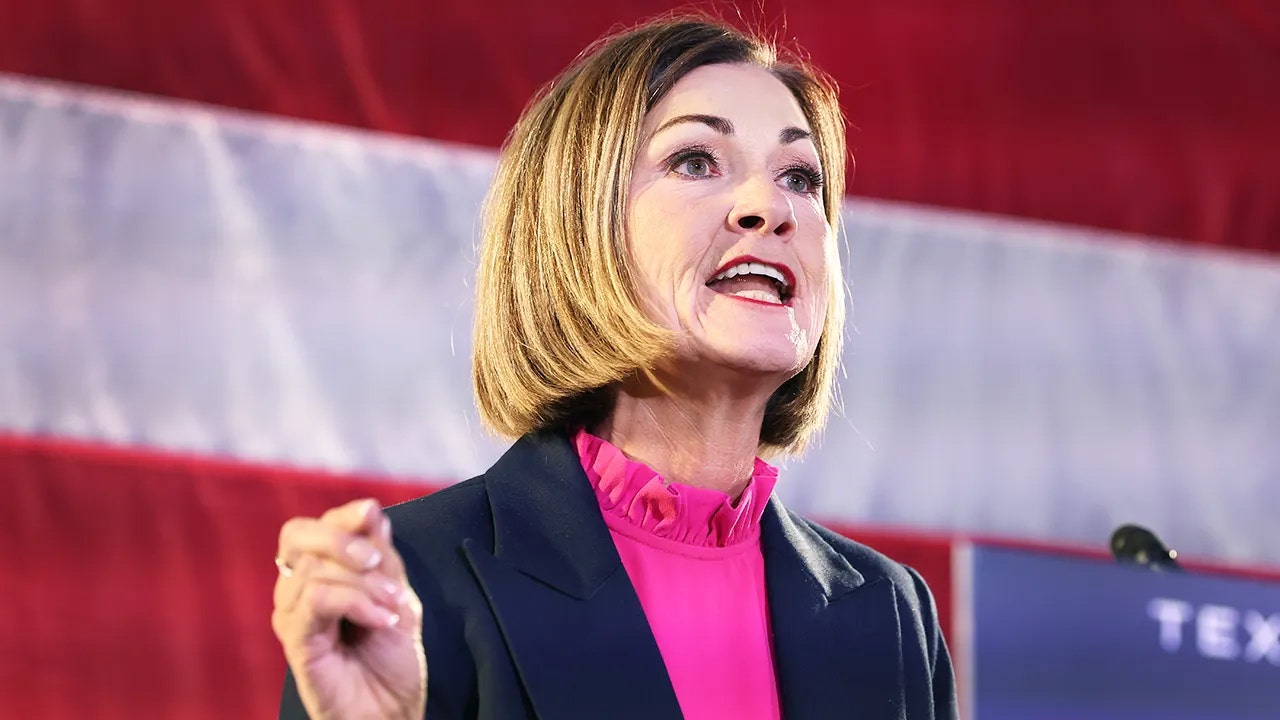
Republican Gov. Kim Reynolds of Iowa accuses Donald Trump's campaign of airing a misleading ad after endorsing Florida Gov. Ron DeSantis for the GOP presidential nomination. Sen. Cardin breaks his silence on a staffer allegedly fired over a Senate hearing room sex tape. A new poll reveals America's least favorite leader in Congress. The Army halts the Confederate memorial takedown after a judge intervenes. Democrats face criticism for their past support of a signature Biden bill as seniors struggle with rising prescription drug costs.
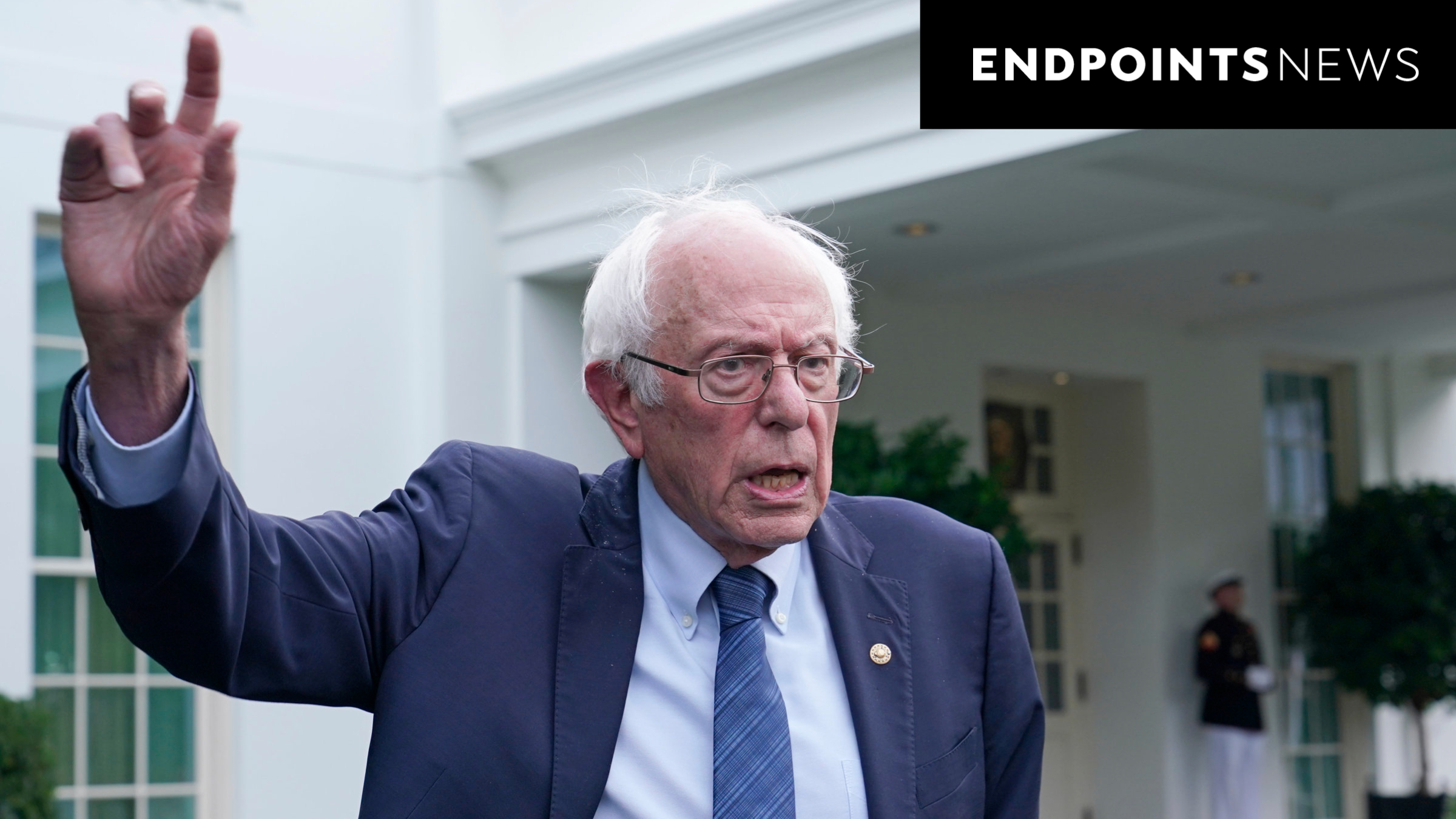
Senator Bernie Sanders plans to introduce legislation that would reduce prescription drug costs in the US by 50%, as discussed during a Senate committee hearing on the diabetes epidemic. Sanders aims to make anti-obesity and diabetes medications more affordable and has previously called on CEOs of pharmaceutical companies to testify about the high prices of prescription drugs in the US.
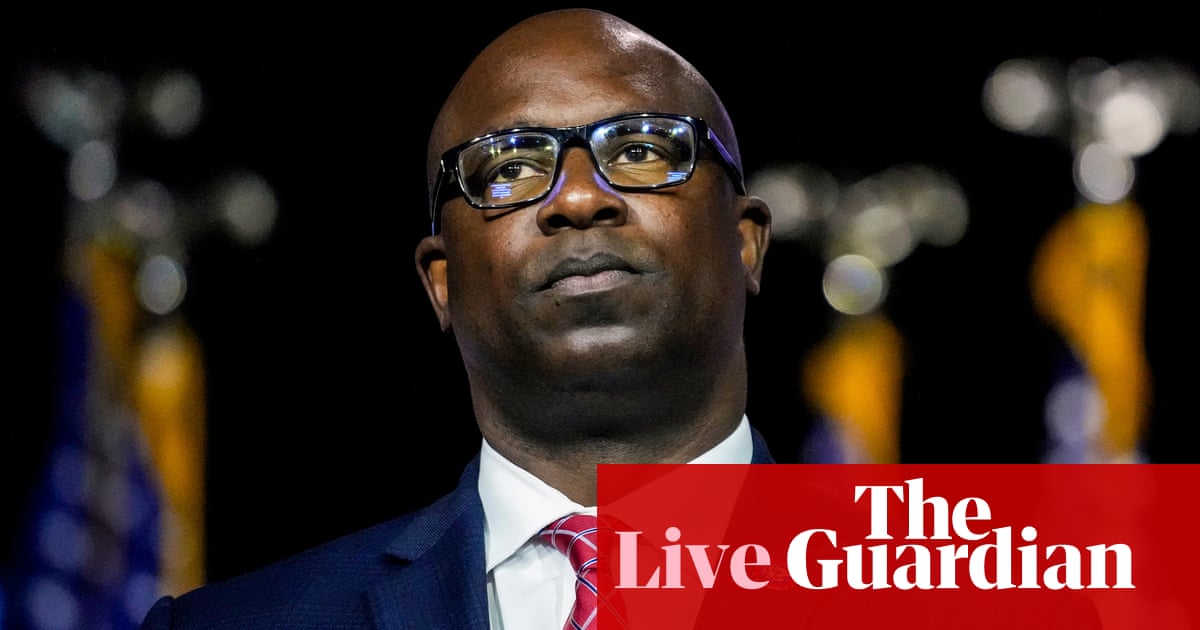
New York Democratic representative Jamaal Bowman responds to his censure by House Republicans, calling the Republican House "unserious and unproductive." Bowman expresses gratitude to Democratic colleagues for their support and emphasizes his regret, apology, and accountability for his actions. He criticizes his Republican colleagues for prioritizing relitigating settled matters over addressing urgent issues such as healthcare costs, gun violence, and education. Bowman sees their targeting of him as a testament to the importance of his voice in pushing back against harmful policies. He vows to continue serving his constituents and the country.
The Biden-Harris Administration has announced new actions to promote competition in healthcare and lower prescription drug costs. This includes releasing a proposed framework for agencies on the exercise of march-in rights on taxpayer-funded drugs, which considers price as a factor in determining accessibility. The administration is also launching a public inquiry into corporate greed in healthcare, scrutinizing anticompetitive acquisitions and practices, increasing ownership transparency, and improving Medicare Advantage transparency. These actions build on previous efforts to negotiate and lower drug prices, crack down on anticompetitive practices, increase healthcare competition, and improve the quality and availability of care.
A new poll suggests that President Joe Biden could benefit from Donald Trump's recent threat to Obamacare, as most voters trust Democrats over Republicans to handle the future of the Affordable Care Act. However, the survey also reveals that most adults are unaware of the steps Democrats have taken to reduce prescription drug costs for seniors, which is a key issue for Biden's re-election campaign. The low awareness highlights the need for more public education on the benefits provided by Biden's changes to Medicare.
The Biden administration's new rule aimed at limiting the power of pharmacy benefit managers (PBMs) in the drug industry is backfiring, according to pharmacists. The rule, set to take effect in January, requires PBMs to take most of their "performance fees" at the time prescriptions are filled. However, PBMs are responding by demanding new contracts with significant payment cuts for independent drugstores. If pharmacies refuse, they risk losing Medicare customers to the same PBMs that have been absorbing a growing share of the pharmacy business. The current PBM practices have also led to increased prescription costs for Medicare patients.
A study published in the Annals of Internal Medicine found that patients in the U.S. could save millions of dollars by purchasing prescription drugs through online pharmacy discount programs like Amazon Pharmacy and GoodRx. The study compared the prices paid out of pocket for 20 commonly prescribed generic drugs with the prices advertised by discount pharmacy card programs. The analysis revealed that at least 1 out of 5 prescriptions were cheaper through these programs, with estimated potential savings of $969 million for Amazon Pharmacy users and $1.83 billion for GoodRx users. However, potential drawbacks include monthly prescription fees and the risk of drug-to-drug interactions due to "pharmacy shopping."
Blue Shield of California, a major health insurer, is partnering with Amazon Pharmacy and Mark Cuban Cost Plus Drug Company to lower prescription drug costs for its 4.8 million members. By ditching CVS Health's Caremark as its pharmacy benefit manager, Blue Shield expects to save up to $500 million annually. The move aims to address the opaque practices of pharmacy benefit managers and create a more transparent and affordable system. Amazon's involvement in the healthcare sector continues to expand, with acquisitions and the launch of its own pharmacy services.
Georgia lawmakers missed an opportunity to reform a system that allows pharmacy benefit managers (PBMs) to pocket medication discounts intended to lower costs for Georgia patients. PBMs negotiate drug prices and rebates for health plans, but with little transparency and oversight, they have become one of the largest stakeholders in prescription drug access and affordability decisions in Georgia. Patients are struggling to afford critical healthcare due to insurance barriers and PBMs, causing them to pay more from their own wallets for their medications. Georgia lawmakers must take action to ensure rebates are passed onto patients to reduce healthcare costs for Georgians.