The article discusses how famine in Gaza and Sudan, similar to historical events like the Dutch Hunger Winter, can cause long-term health issues across generations by affecting prenatal development, emphasizing the importance of early nutrition and care to prevent chronic diseases later in life.
A UK study suggests that prenatal testosterone exposure, indicated by a longer ring finger compared to the index finger (low digit ratio), may predispose individuals to heavier alcohol consumption. Researchers found that this prenatal hormone exposure could influence alcohol tolerance and drinking habits, highlighting potential biological factors in alcohol abuse. However, the study's findings are based on a limited sample of students, and further research is needed to establish a causal relationship.
A study by Swansea University suggests that prenatal exposure to testosterone may influence adult alcohol consumption. Researchers found that individuals with a lower 2D:4D digit ratio, indicating higher testosterone exposure in the womb, tend to consume more alcohol. This correlation was particularly strong in men with longer ring fingers on their right hand. The study highlights the potential role of prenatal sex-steroids in shaping drinking habits, though further research is needed to establish causal relationships.
A study from Brigham and Women's Hospital suggests that maternal immune activity during pregnancy can influence offspring's risk of developing memory disorders like Alzheimer's disease, with effects varying by sex. Elevated immune markers in mothers were linked to adverse brain activity in memory regions and lower cognitive performance in children, particularly affecting postmenopausal women. These findings highlight the potential for early interventions to mitigate risks and promote resilience in brain health.
A study published in BMC Pregnancy and Childbirth has found a significant relationship between neighborhood disorder and increased levels of testosterone during pregnancy. The research suggests that characteristics of neighborhoods, such as crime rates and building conditions, can influence prenatal development. The study involved 262 pregnant women in their first trimester, and the researchers found that as the level of neighborhood disorder increased, so did the concentrations of testosterone in the women's blood, particularly for those carrying male babies. However, further research is needed to understand the exact mechanisms behind this association.
Fragile X syndrome (FXS), the leading form of inherited intellectual disability, has been found to develop before birth due to a deficiency in the protein FMRP, which plays a crucial role in mitochondrial function during prenatal development. Researchers discovered that brain cells damaged by the lack of FMRP can be rescued by enhancing mitochondrial function, offering potential avenues for early intervention and treatment strategies. The study also identified the regulatory role of FMRP on the RACK1 gene, highlighting the importance of prenatal development in FXS and providing a molecular link between FXS and autism spectrum disorder.
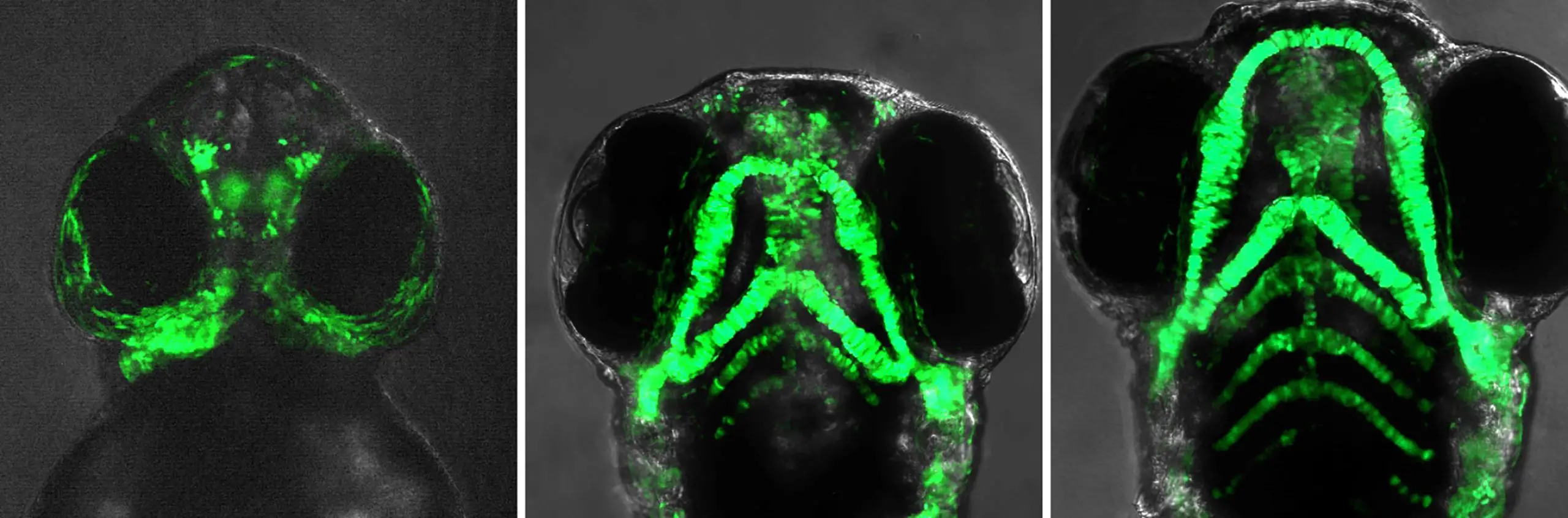
A study using zebrafish embryos has found that substances such as caffeine and the blood thinner warfarin can impair the migration of bone-forming cells, leading to facial malformation. Zebrafish embryos are transparent and develop outside of the parent's body, making them ideal for studying early development. Researchers suggest that a zebrafish-based system could be used to screen for potentially harmful substances, reducing the need for animal testing and supporting parents-to-be in making choices for their baby's health. The study highlights the potential for a general mechanism by which teratogenic chemicals limit the movement of cells involved in facial development, leading to craniofacial anomalies.