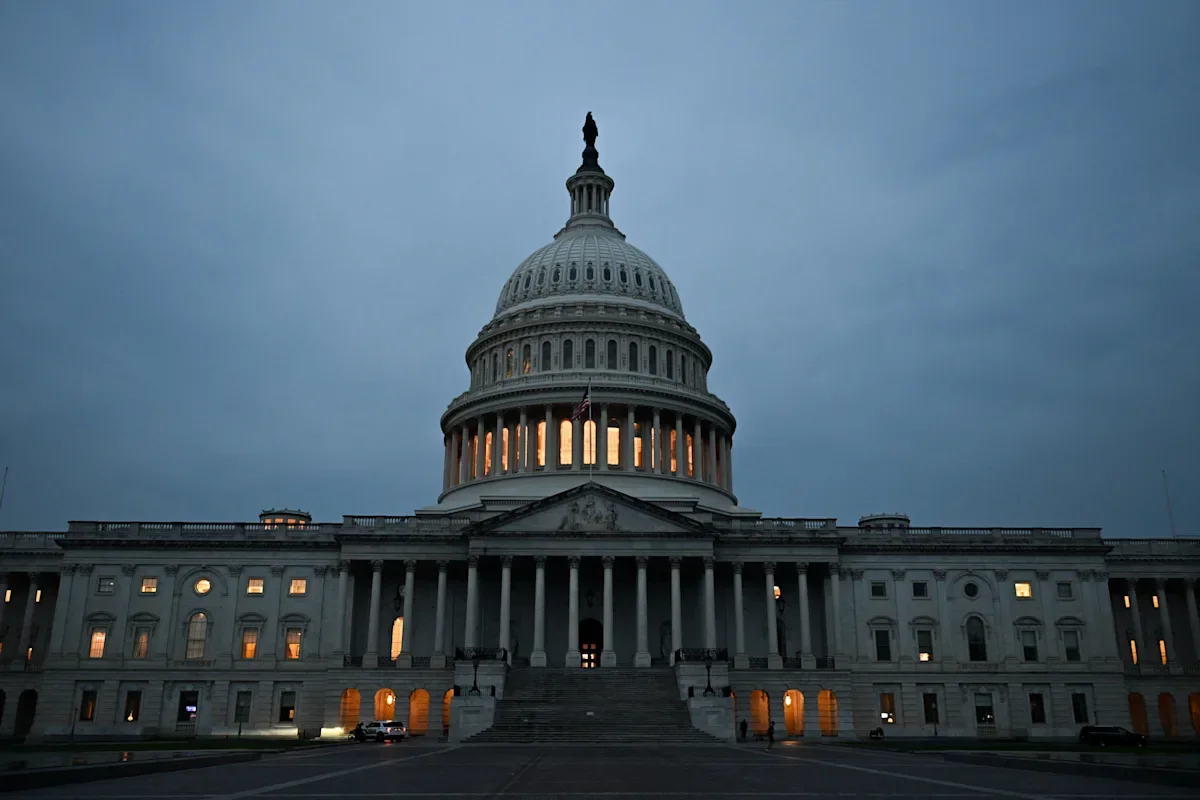
The US government shutdown has led to widespread disruptions including flight cancellations, reduced air traffic capacity, and delays in SNAP benefits payments, while consumer confidence hits a three-year low and political negotiations remain deadlocked, with some signs of cautious progress.
Spain plans to eliminate its "golden visa" program, which grants residency to wealthy non-EU citizens who invest in real estate, citing concerns about affordable housing. The move follows similar actions by Portugal, Ireland, and Australia in recent years. Critics argue that the program has had minimal impact on the housing market and is part of a broader trend of tightening such policies globally. The decision reflects a shift away from prioritizing wealth in immigration policies, with some experts emphasizing the importance of entrepreneurial spirit over financial means.
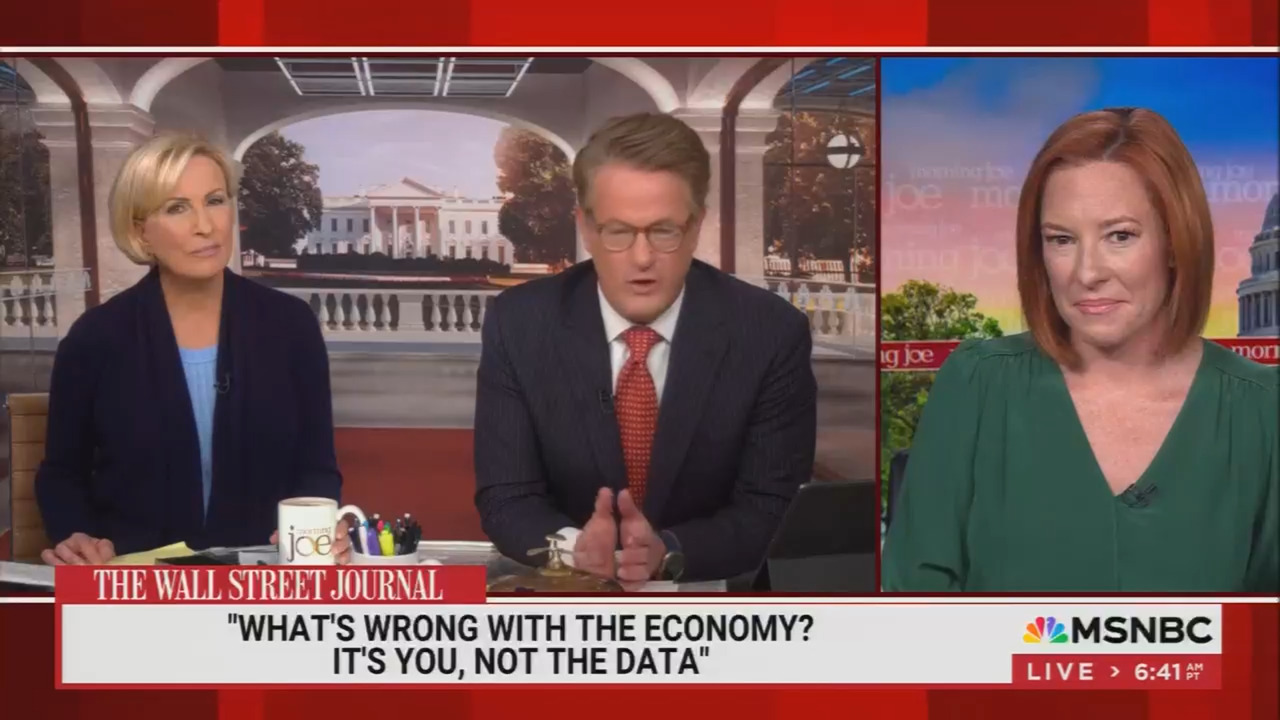
Right-wing misinformation is distorting Americans' perceptions of the economy and inflation, leading to widespread belief in a false narrative of economic decline. Despite robust job creation and GDP growth, public opinion data shows a majority incorrectly believe inflation has risen and the economy has worsened. MSNBC's Morning Joe panel discussed the impact of partisan misinformation on public sentiment, highlighting the need for a different approach to address these misconceptions. The panel also criticized right-wing media for perpetuating false narratives about the economy, immigration, and transgender issues, contributing to a distorted public perception.
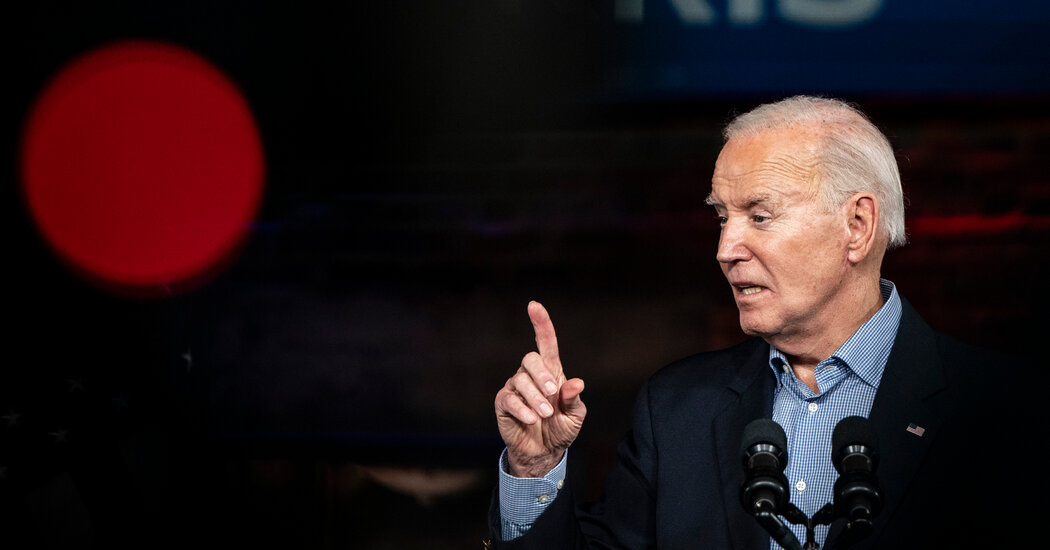
President Biden proposed a $7.3 trillion budget for the 2025 fiscal year, emphasizing tax increases on corporations and high earners to support new spending on social programs and combat high consumer costs. The budget includes measures to reduce housing costs, tax cuts for those earning less than $400,000 a year, and aims to reduce deficits by about $3 trillion over the next decade. However, with Republicans controlling the House, the proposal faces significant opposition and is seen as a platform for Biden's re-election campaign.
President Biden has proposed two tax credits to help Americans purchase homes amid soaring home prices and interest rates. The first-time homebuyer tax credit would provide $10,000 over two years, while a separate one-year tax credit of up to $10,000 would be available to current homeowners selling their "starter homes" to move into larger properties. The credits aim to make homebuying more affordable for middle-class families, but their implementation depends on congressional approval, which may be challenging in an election year.
During his State of the Union address, President Joe Biden proposed a $10,000 tax credit for first-time homebuyers, distributed as $400 monthly payments over two years, aiming to alleviate rising housing costs and help working families achieve homeownership. Additionally, he called for changes to lower closing costs, including the elimination of title insurance, which has sparked debate within the industry.
UK Finance Minister Jeremy Hunt delivers the Spring Budget amid a challenging General Election, with expectations of tax cuts to woo voters despite a stagnant economy and fragile public finances. Speculation about a "British ISA" and concerns about the impact of tax cuts in the context of past and future tax increases. The government faces limited fiscal headroom, and the ruling Conservative Party trails significantly behind the Labour Party in national polls. Hunt is expected to announce a 2 pence cut to National Insurance, but economists doubt the effectiveness of modest tax cuts in closing the poll gap.
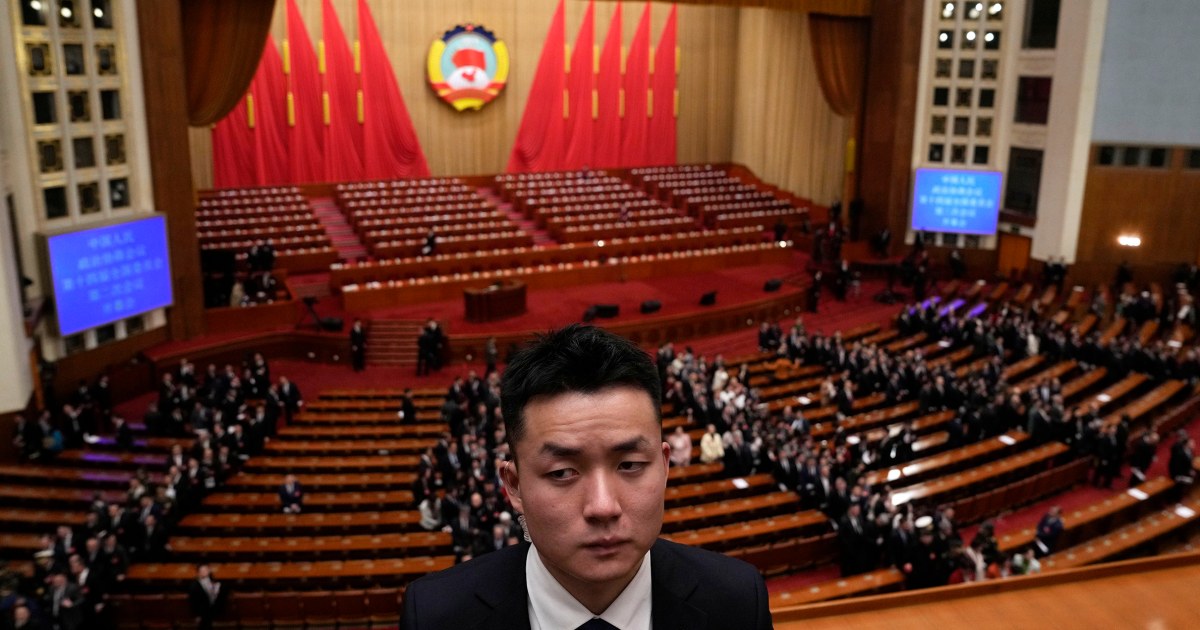
China surprised the world by scrapping the tradition of the premier's news conference at the National People’s Congress, raising concerns about the country's economic uncertainty and global tensions. The move comes amid worries about China's economic slowdown, real estate crisis, unemployment, and declining exports. As the legislative session opens, all eyes are on China's plans for fiscal stimulus and efforts to restore confidence in the economy, which some economists believe could take three to five years.
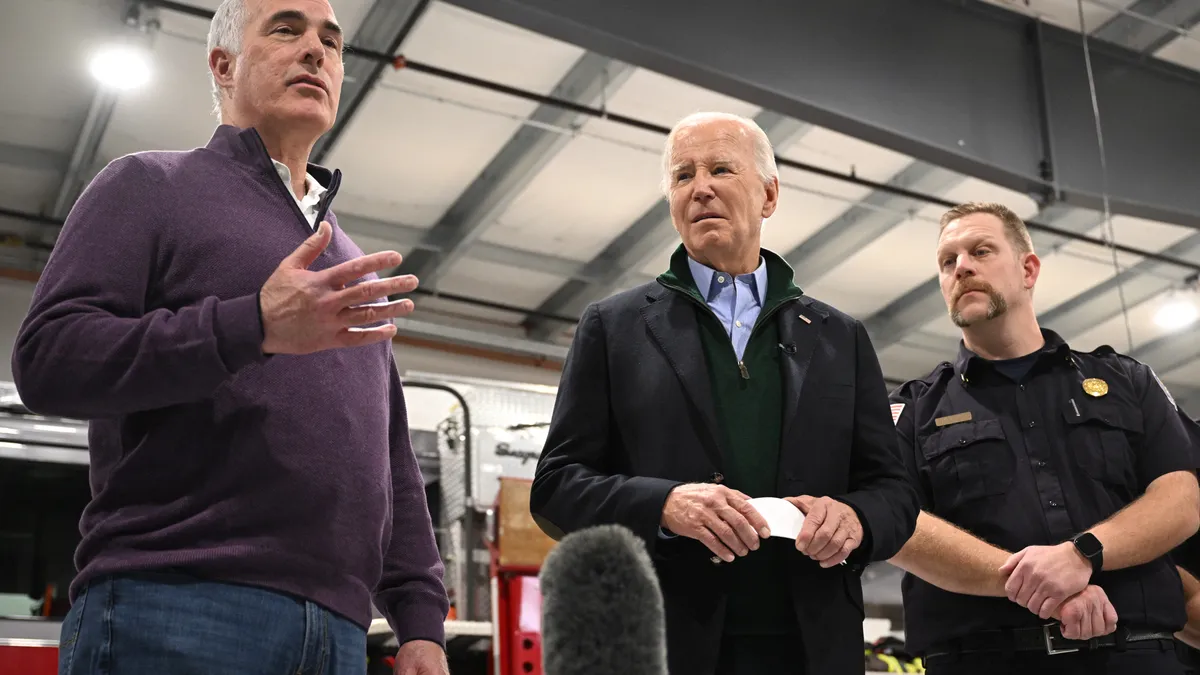
Senator Bob Casey, D-Pa., has introduced the Shrinkflation Prevention Act of 2024 to combat the practice of shrinkflation, where companies reduce the size of consumer goods while maintaining the same price. The bill gives the Federal Trade Commission and state attorneys general the authority to crack down on such practices and requires companies to provide warnings on packages when they reduce the size or weight of a product but charge the same price. Critics argue that the bill goes too far by telling companies how to package their products, while supporters emphasize the need to hold corporations accountable for deceptive practices.
Fitness guru Jillian Michaels criticized Bill Maher for downplaying inflation, citing the soaring prices of essentials like eggs, houses, and cars. Maher argued that while Americans feel the pinch, the economic numbers have improved since the peak of inflation in 2022, attributing the problem to the COVID stimulus plan. Despite concerns about the economy, Maher likened America to a "stupid but strong" teenage boy driving over the speed limit, suggesting that the country is currently "having a good time" despite potential risks.
Hafize Gaye Erkan, Turkey's first woman central bank governor, was appointed with high expectations but was dismissed less than nine months later amidst allegations of internal strife, long absences, and accusations of misconduct. Despite her strong educational and professional background, including a role at an American bank, her tenure was marred by controversies, including her father's alleged interference at the bank and her own comments in the media. Her dismissal, orchestrated by Finance Minister Mehmet Simsek, aimed to restore the central bank's credibility and signal his authority over the economy, despite initial hopes for Erkan's appointment to improve Turkey's financial credibility and investor trust.
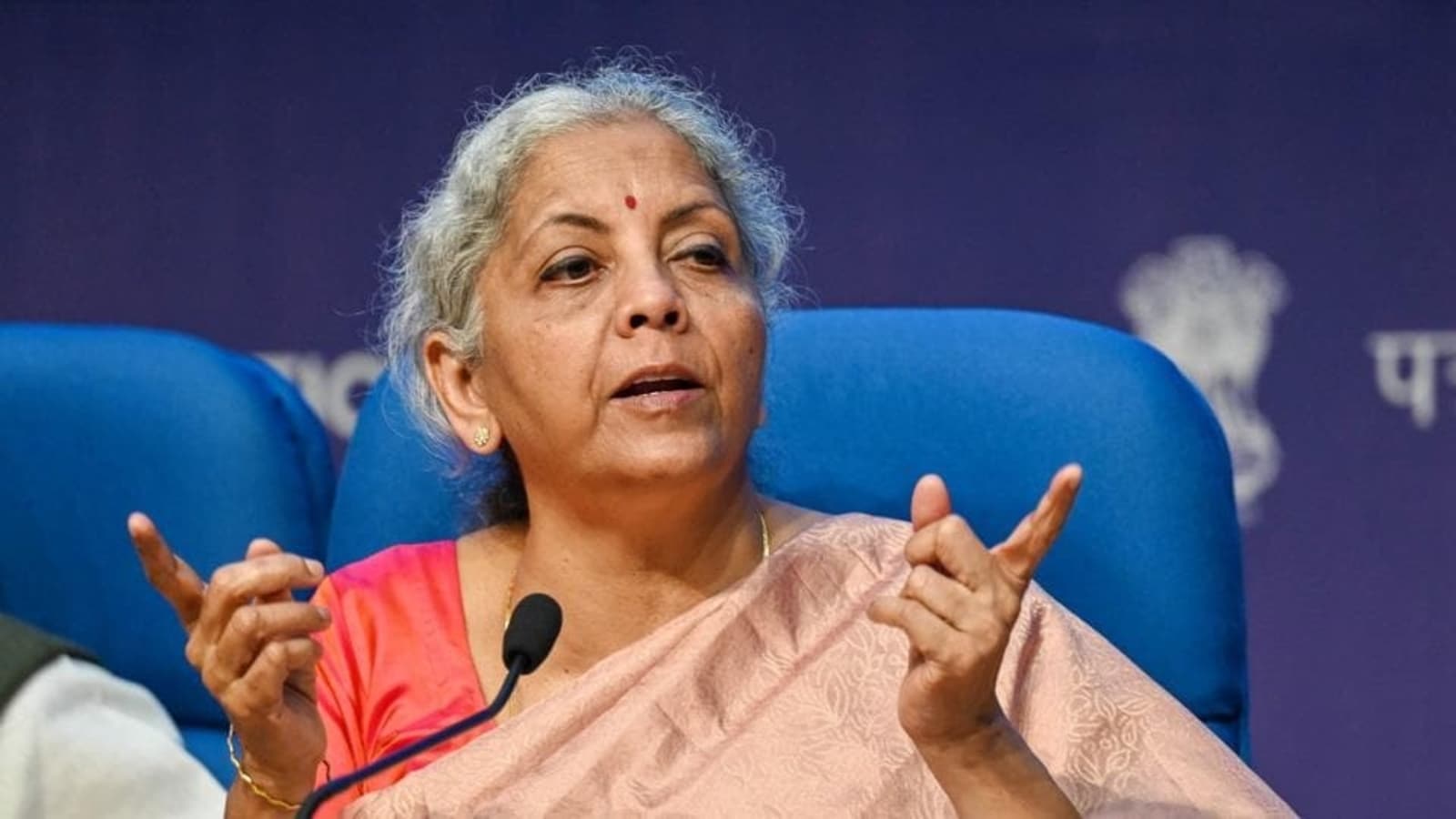
India's Finance Minister, Nirmala Sitharaman, outlined the government's priorities for the future, emphasizing the goal of making India the world's third largest economy in Prime Minister Narendra Modi's third term. She discussed the challenges and transformations in the economy, including the impact of the pandemic, rural-urban shifts, and the need for better data to inform policymaking. Sitharaman also addressed issues such as unemployment, structural reforms, corporate tax reductions, and plans to deepen the debt market, highlighting the government's efforts to reboot the economy and foster sustained growth.
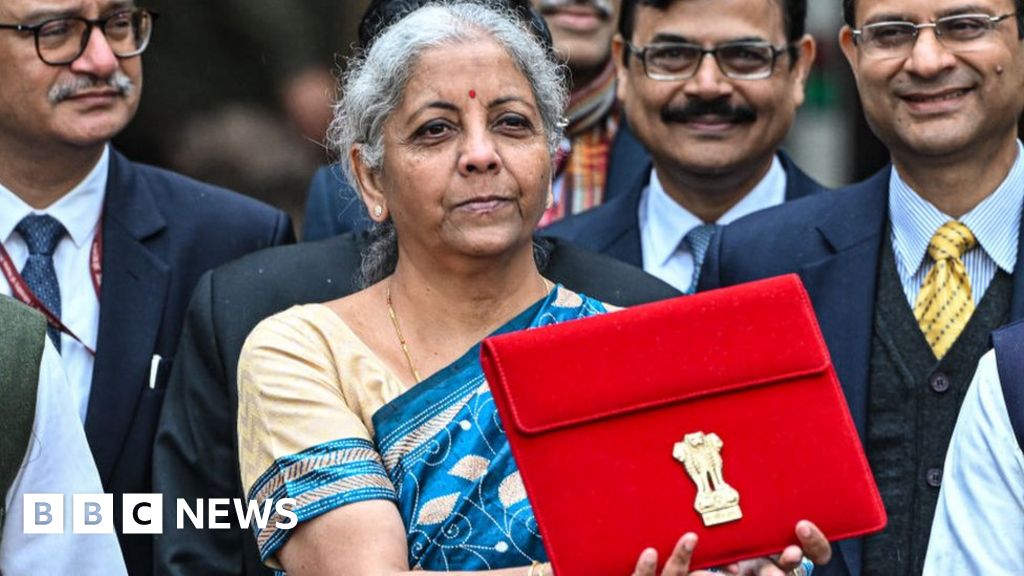
India's interim budget for 2024 focuses on continued infrastructure funding, with over $130 billion allocated for physical assets like roads and ports, but shuns big spending on social schemes and tax relief measures for the middle class. The government aims to build 20 million affordable houses in the next five years and keep GDP growth at about 7%, while curbing the fiscal deficit. Critics, including former central bank governor Raghuram Rajan, express concerns over inadequate spending on health and education, unemployment, and uneven consumption growth.
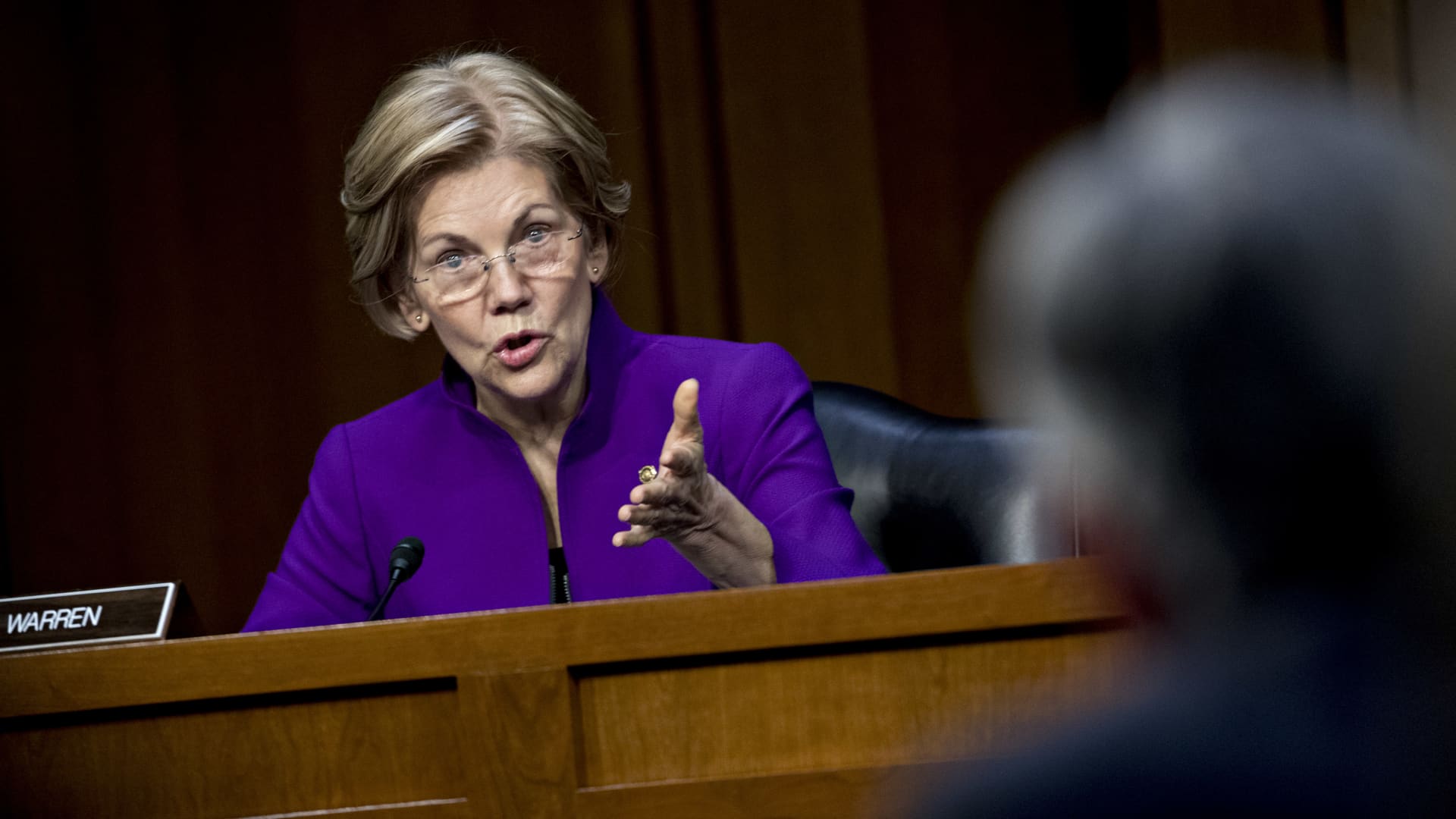
Senator Elizabeth Warren and three other Democratic lawmakers are urging Federal Reserve Chairman Jerome Powell to consider lowering interest rates at the upcoming Fed meeting to alleviate the pressure on the housing market, citing the significant increase in home purchasing costs for consumers. The Fed has indicated the possibility of three rate cuts in 2024 as inflation cools, which has already boosted consumer attitudes on the economy. Expensive housing costs have been a concern for President Joe Biden's reelection campaign, and the recent surge in mortgage demand signals a potential return of homebuyers to the market.
Canada has granted the Arctic territory of Nunavut control over its mineral reserves, including gold, diamonds, iron, cobalt, and rare earth metals, through a devolution agreement signed by Prime Minister Justin Trudeau and Nunavut Premier P.J. Akeeagok. This move aims to boost exploration and development in the region, which is strategically important due to climate change making resources more accessible. However, challenges such as harsh weather, lack of infrastructure, high operating costs, and environmental concerns remain.