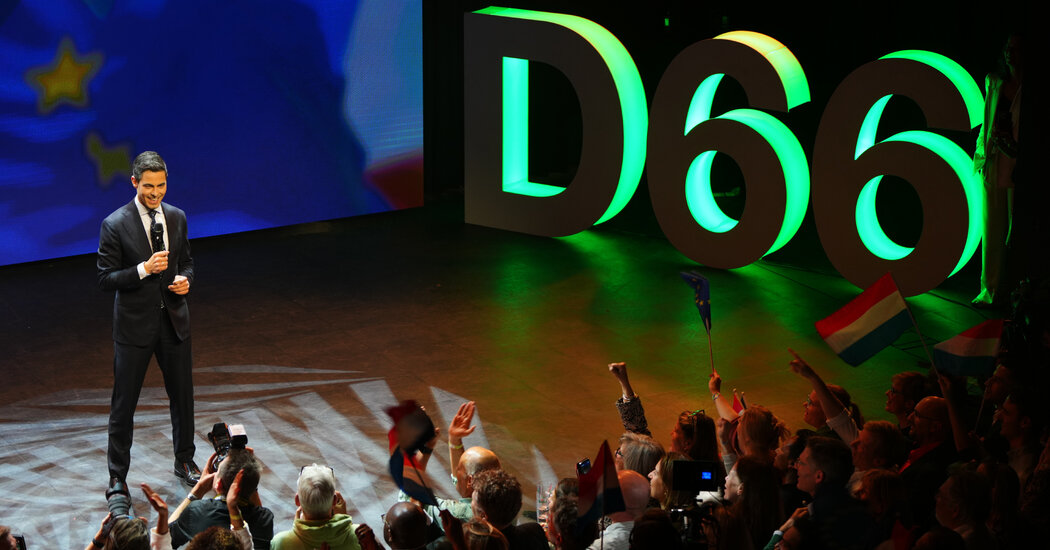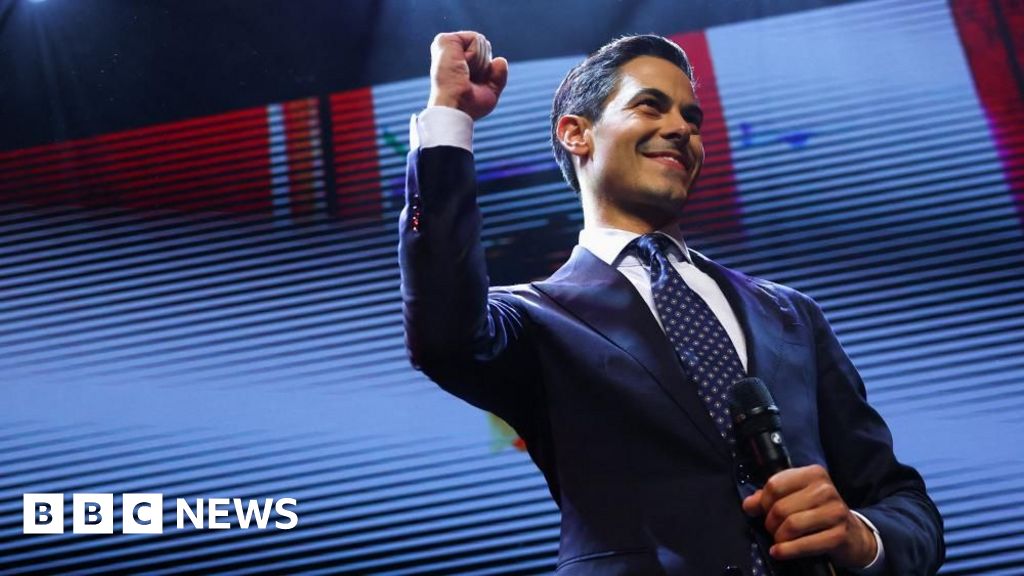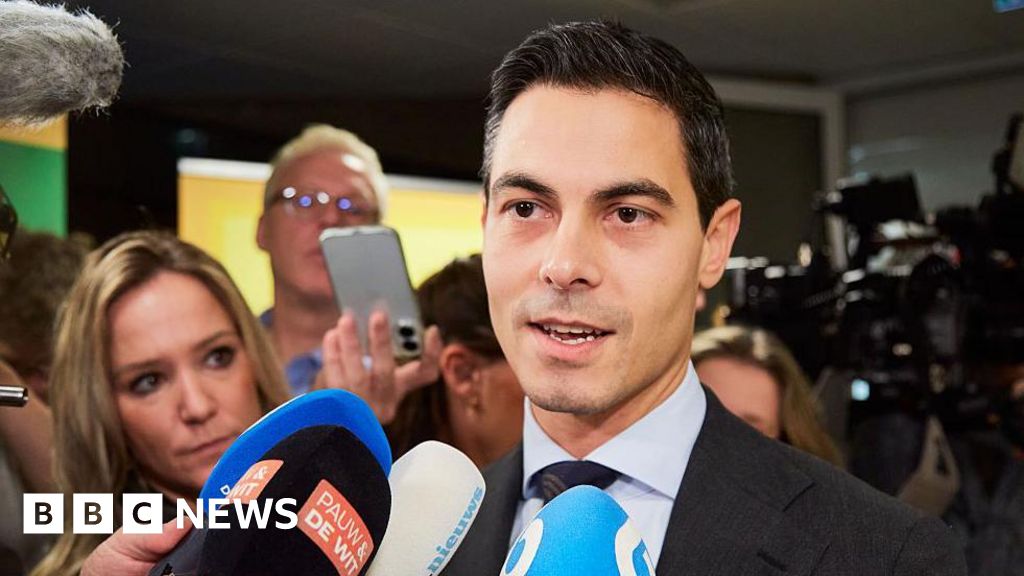
Rob Jetten's centrist liberal party narrowly won the Dutch election, surpassing populist Geert Wilders, and Jetten is poised to become the country's youngest prime minister, though forming a coalition may take months.
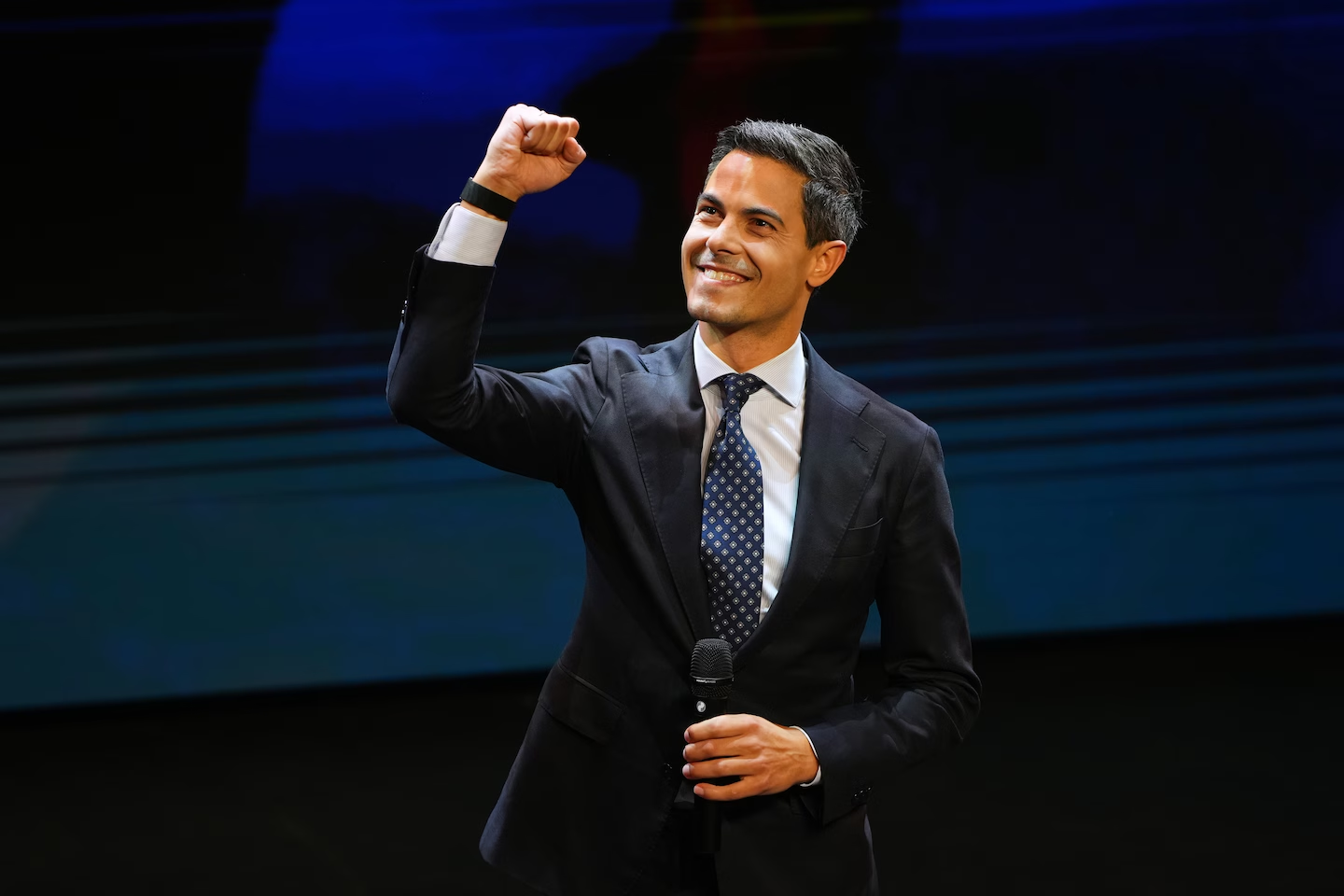
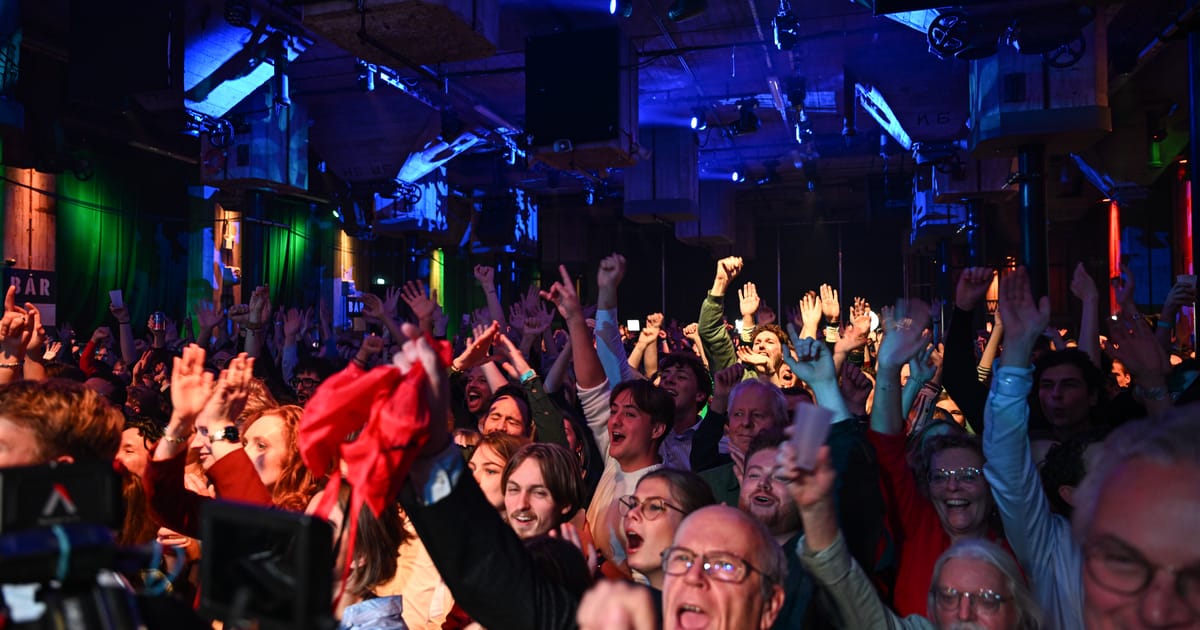
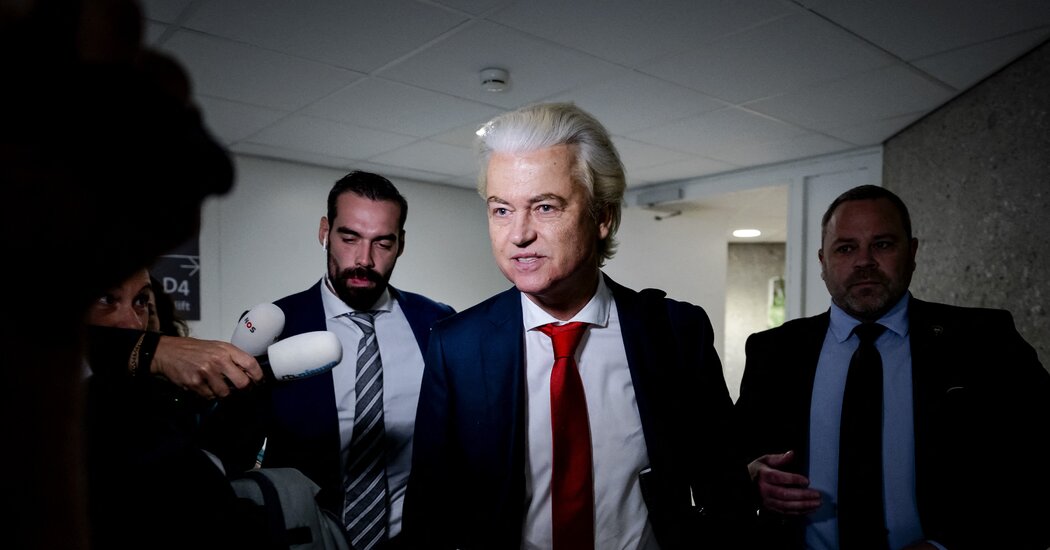
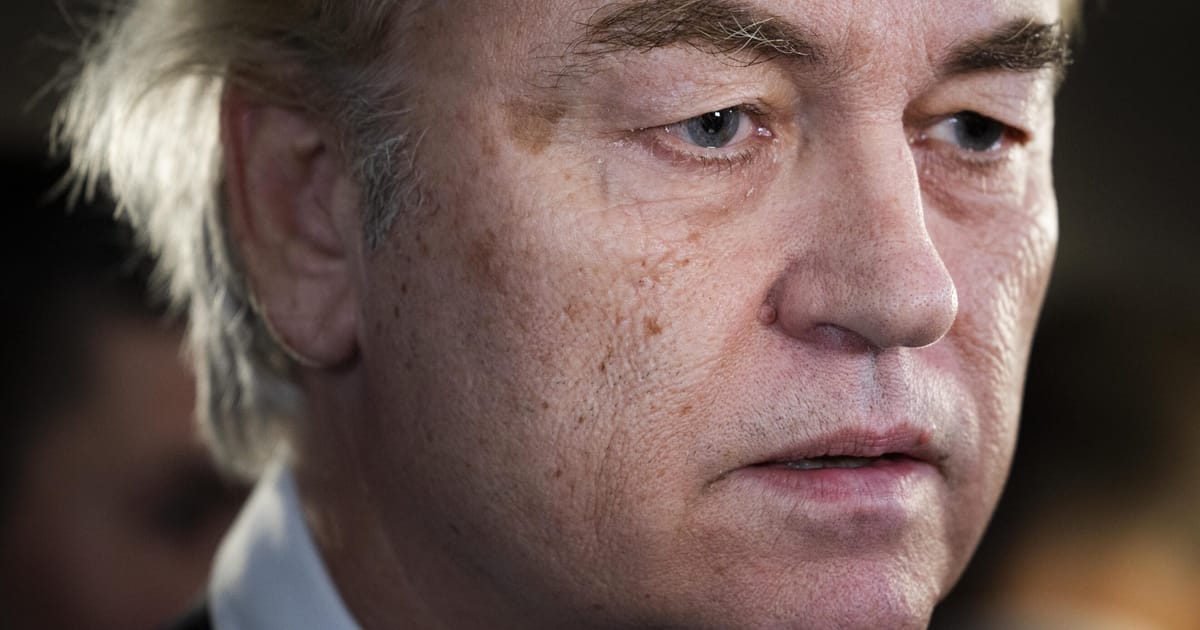
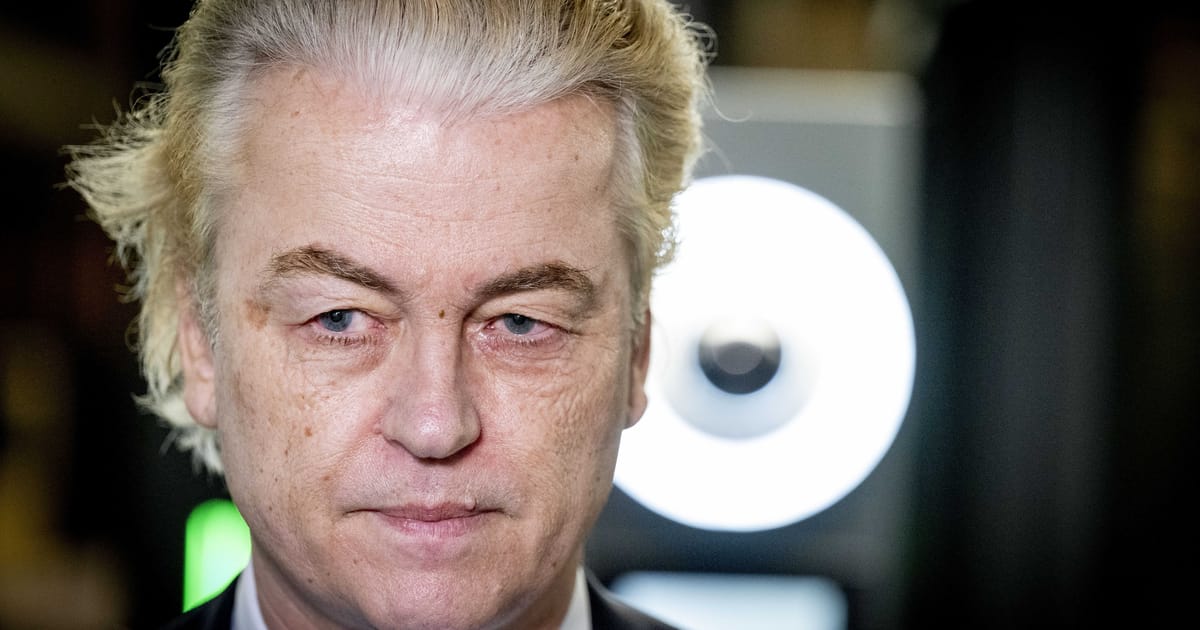
Dutch voters delivered a rebuke to the far right in a closely contested election, with the centrist D66 party nearly tripling its seats and Geert Wilders’s right-wing party losing ground after a surprising first-place finish in 2023.
In the Dutch election, the centrist Democrats 66 and Geert Wilders's far-right Party for Freedom each secured an equal number of seats, marking a significant setback for Wilders's party and a close contest overall.
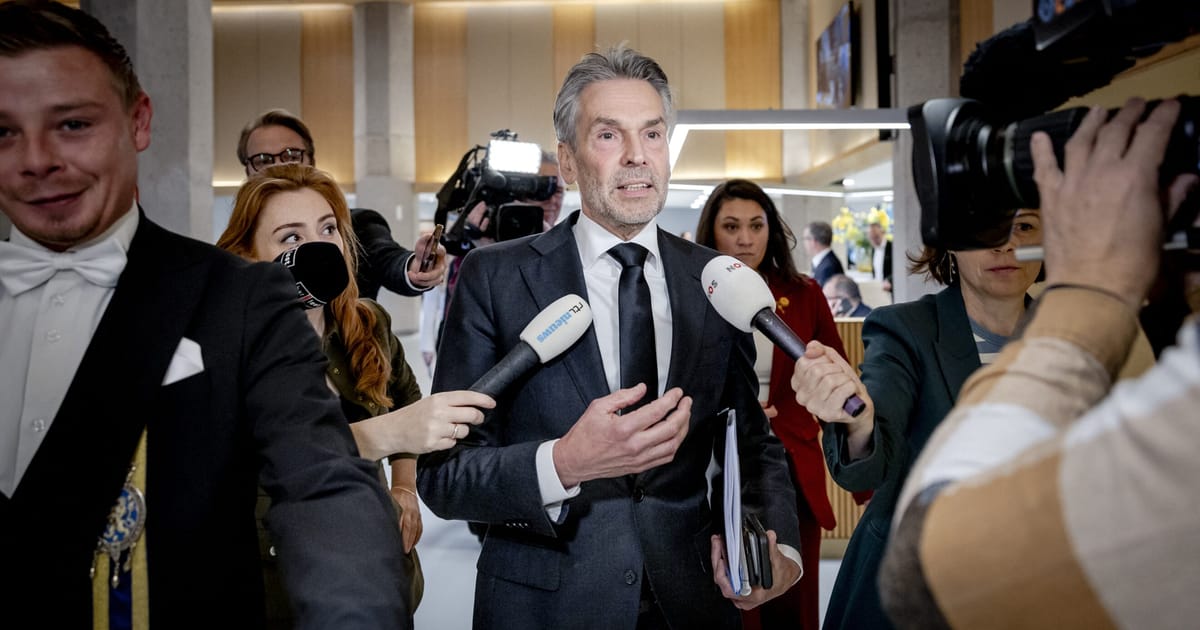
In the 2025 Dutch election, centrist Rob Jetten is on track to become the next prime minister, with the election closely contested between his party and far-right leader Geert Wilders' Party for Freedom, marking a significant political development in the Netherlands.
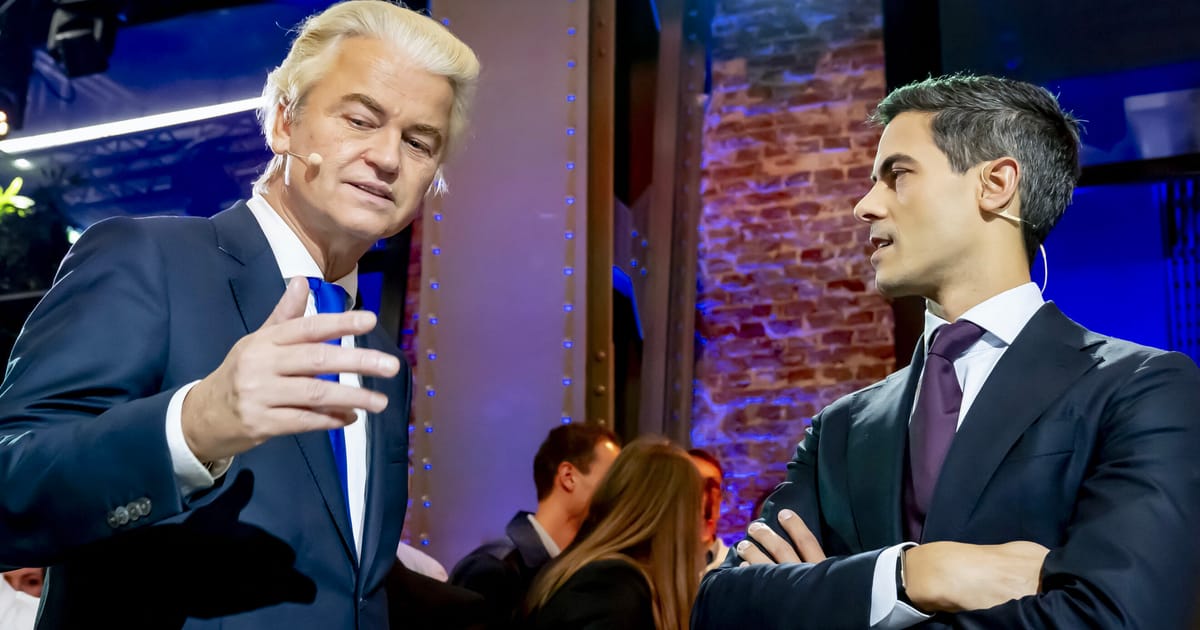
In the Dutch election, centrist liberal Rob Jetten's party D66 is in a close race with populist Geert Wilders' party, both projected to win 26 seats, with Jetten's campaign gaining momentum through TV debates and a focus on progress and unity, while Wilders faces challenges in forming a coalition after losing support.
Rob Jetten's liberals and Geert Wilders' far-right party are competing in the Dutch election, highlighting a political battle between progressive and far-right forces in the Netherlands.
Dutch politician Geert Wilders has suspended his campaign due to security threats, highlighting ongoing concerns about political safety and security in Europe.
The Netherlands is set to hold a snap election on October 29 after the government collapsed due to a dispute involving Geert Wilders' far-right party, with Prime Minister Dick Schoof continuing in a caretaker role.
The Dutch government collapsed after far-right politician Geert Wilders withdrew his party from the coalition over disagreements on immigration policies, leading to the resignation of Prime Minister Dick Schoof and the calling of early elections, with political uncertainty continuing until a new government is formed.
Far-right leader Geert Wilders withdrew his party from the Dutch ruling coalition over disagreements on migration policies, leading to a caretaker government and delaying new elections, amid ongoing political instability in the Netherlands.
The Dutch government collapsed after far-right leader Geert Wilders withdrew his party from the coalition over disagreements on migration policies, leading to the resignation of Prime Minister Dick Schoof and the anticipation of early elections, amid ongoing debates on immigration in Europe.
The Dutch government has collapsed after far-right leader Geert Wilders' Party for Freedom (PVV) withdrew over disagreements on asylum policies, leading to the resignation of the cabinet and potential early elections amid political instability.
The Dutch coalition government has managed to maintain its stability despite recent turmoil instigated by the controversial far-right politician Geert Wilders. Wilders, known for his provocative rhetoric, has been a significant source of political tension, but the coalition has so far withstood the challenges posed by his influence.
The Dutch government is facing instability as a minister's resignation has put the new four-party coalition to the test. This political turmoil is further exacerbated by the actions of far-right leader Geert Wilders, who has been vocal in his criticism. The situation highlights the fragility of the coalition, which is already dealing with internal and external pressures, including recent violence involving Amsterdam football fans.
The recent violence in Amsterdam, involving Maccabi Tel Aviv supporters and local youths, has been mischaracterized as a "pogrom" by some political figures, including Geert Wilders, who used the incident to fuel anti-Muslim rhetoric. The clashes were sparked by provocative actions from Maccabi fans and escalated due to existing political tensions and propaganda. The situation highlights the complex interplay of anti-Semitism, Islamophobia, and unresolved political issues, rather than a simple case of football hooliganism.