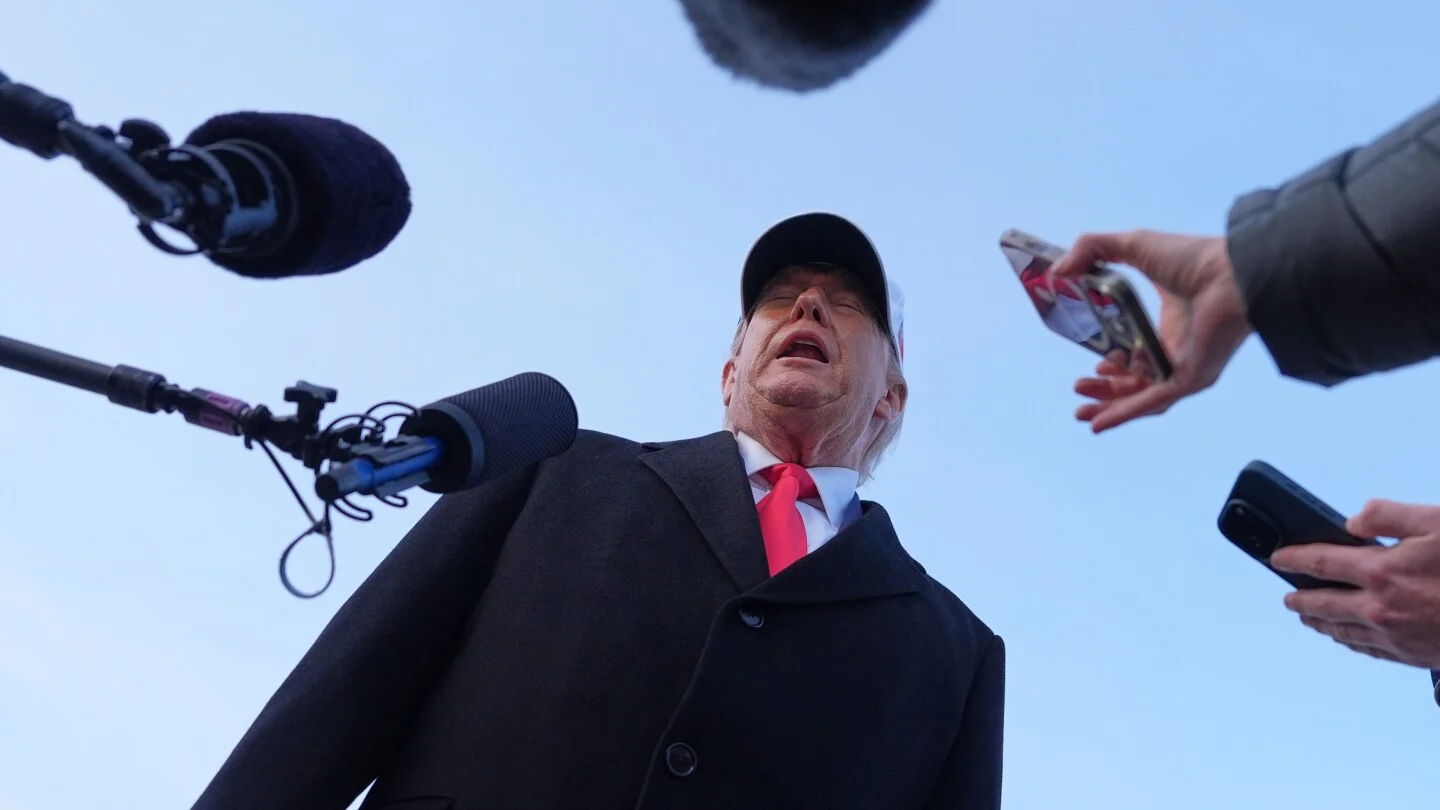
As the midterm verdict approaches, AP reports that Donald Trump is staging high-stakes moves and rhetoric that increase political turbulence for the GOP, spanning domestic policy and international positioning from Minneapolis to Venezuela, with potential implications for his influence and the election landscape.
The article discusses the cautious stance of Wall Street on investing in Argentina without U.S. government guarantees amid political uncertainty, especially with upcoming elections that could impact economic reforms and U.S. support, which is tied to Argentina's policy outcomes.
The article discusses the potential significance of an upcoming US government shutdown, emphasizing that unlike previous instances, this one could have real market and economic consequences, especially amid ongoing Federal Reserve policy challenges and inflation concerns.
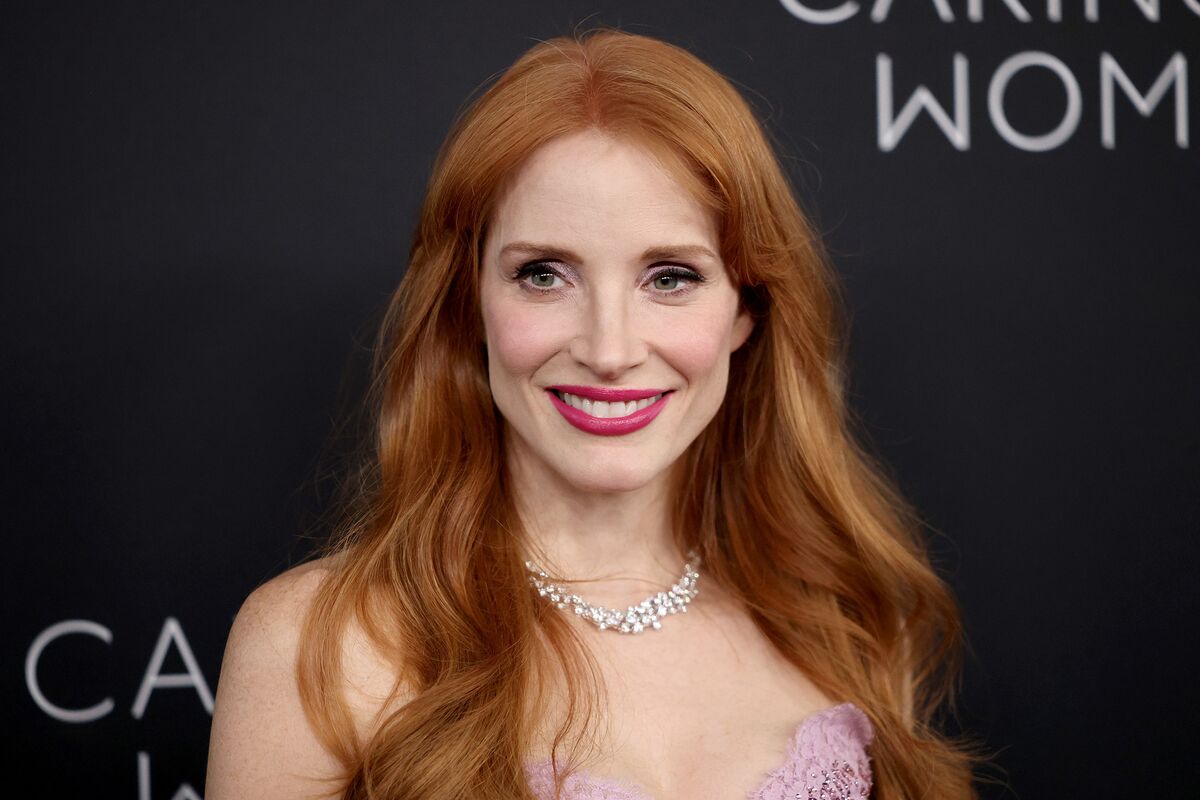
Jessica Chastain criticized Apple TV+ for postponing her series The Savant, which addresses online hate groups and domestic violence, citing the show's relevance to recent US violence and political issues. Apple stated the release is postponed but plans to release it in the future.
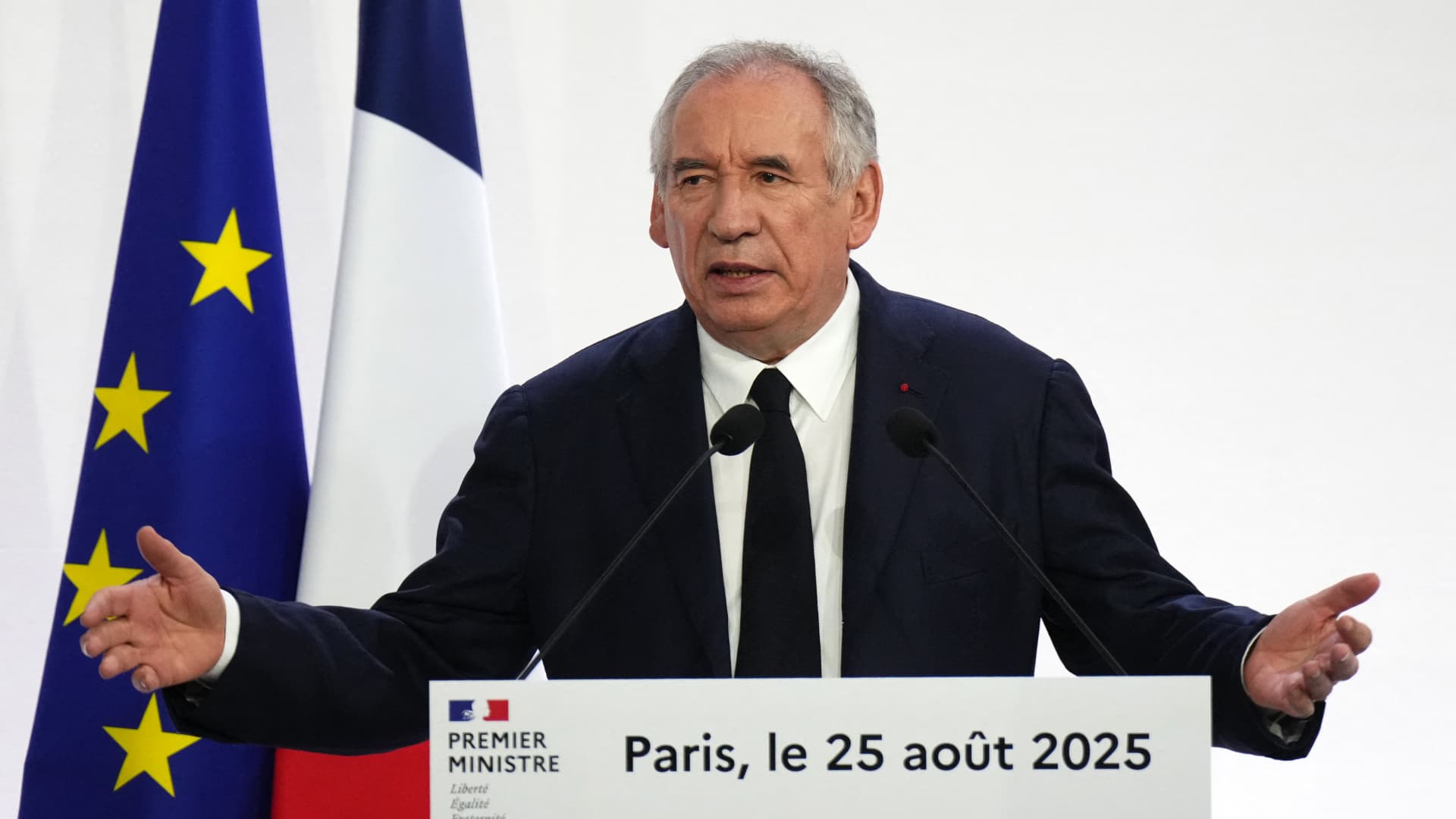
France's minority government faces potential collapse over a confidence vote on its 2026 budget, which includes significant austerity measures to reduce a high deficit. Opposition parties have announced they will not support the government, raising concerns about political stability and economic implications, with markets reacting to the uncertainty.
The article discusses Donald Trump's unconventional approach to managing the economy and other issues, highlighting the political risks associated with his departure from traditional conservatism.
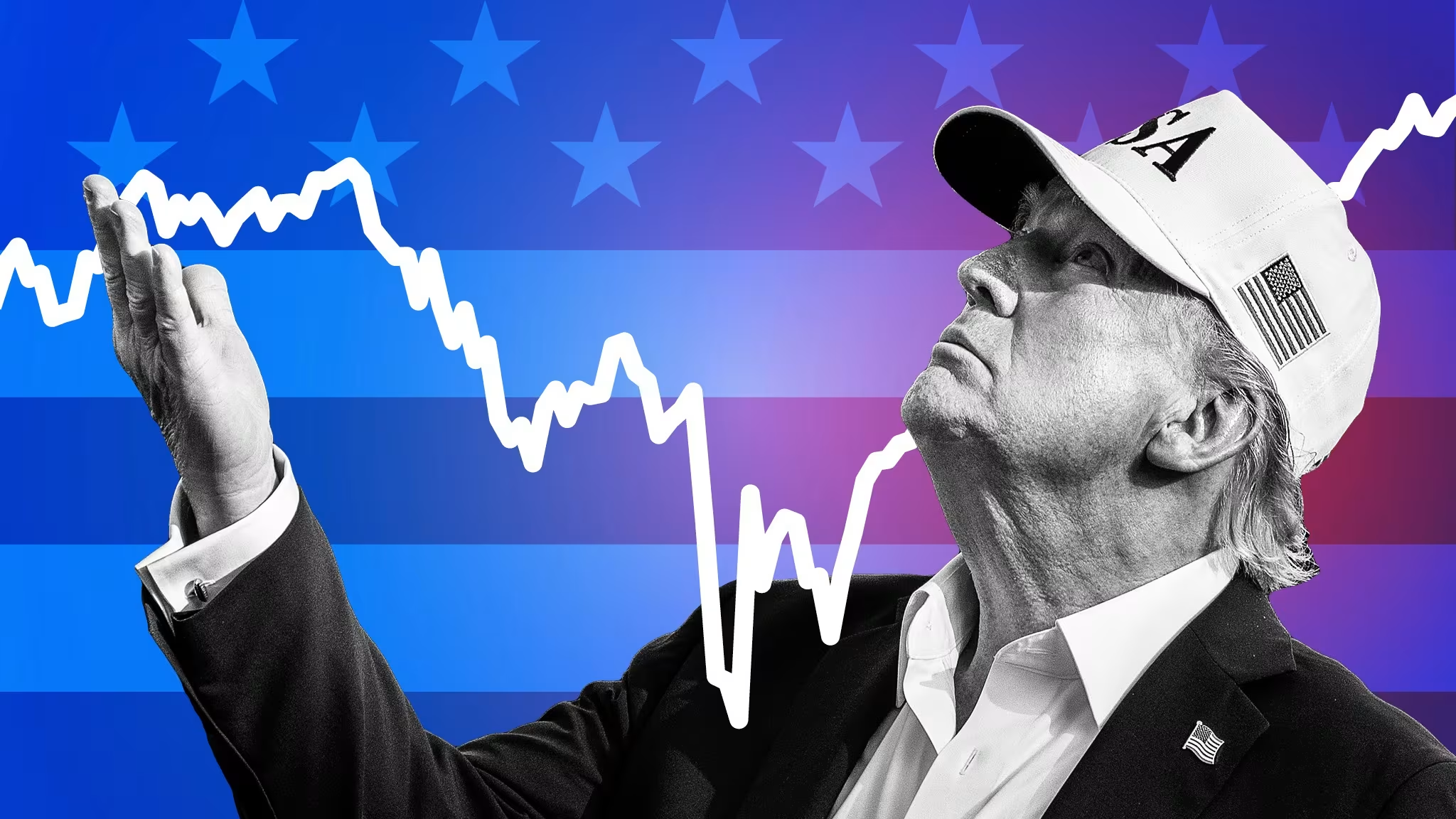
Investors warn that Donald Trump could potentially trigger another market shock due to political risks, highlighting concerns about market stability amid his influence.
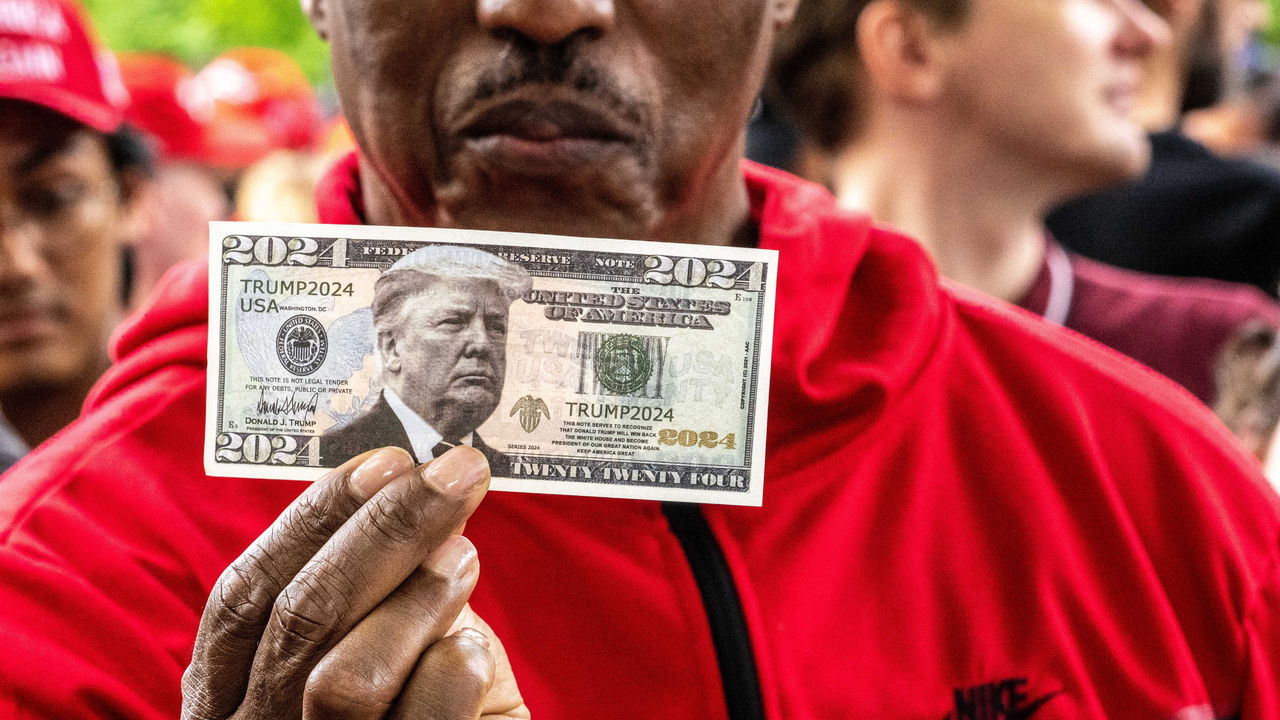
Investors are engaging in the "Trump trade," betting that Donald Trump's potential election victory will boost the dollar. This reflects a shift in focus from central bankers to political figures in influencing financial markets, a trend more common in emerging markets but now seen in the US as the presidential election approaches.
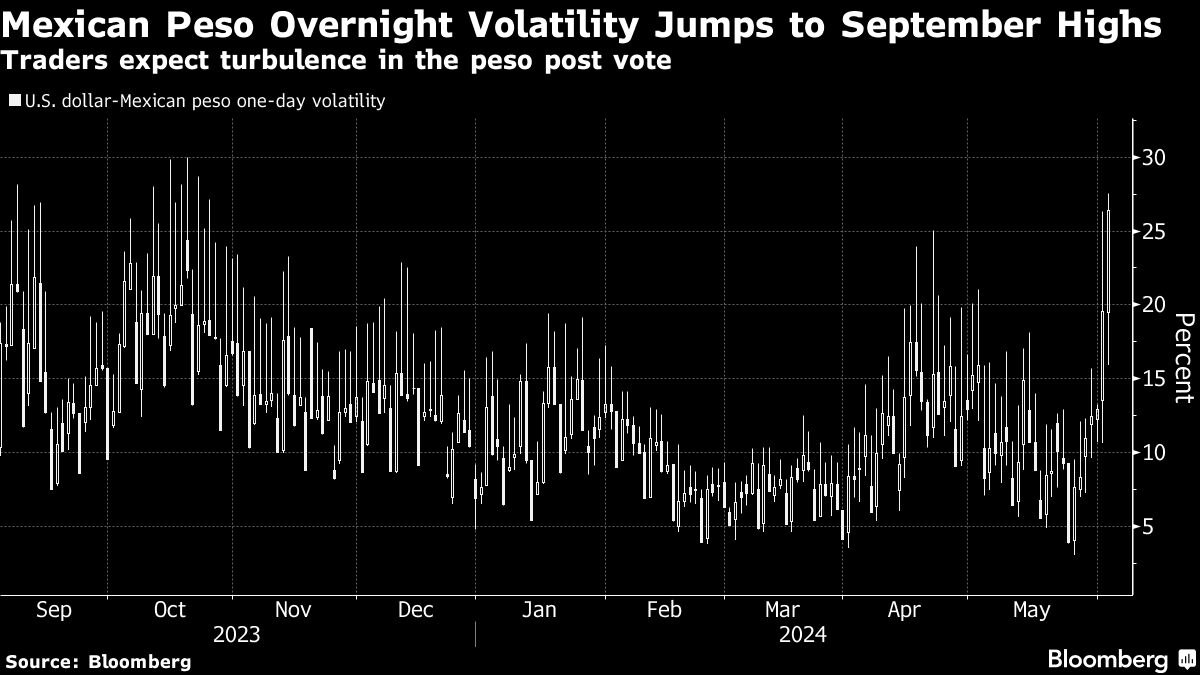
The Mexican peso fell sharply for a second consecutive session following a surprising landslide election victory by the ruling Morena party, raising investor concerns about potential constitutional changes and increased state interference in the economy. The peso dropped as much as 2.9% to 18.1936 per dollar, adding to a 3.8% loss on Monday, while Mexico's benchmark stock index sank 6.1%. Analysts suggest that market stabilization may occur if the new leadership, particularly Claudia Sheinbaum, reassures investors by avoiding major controversial changes.
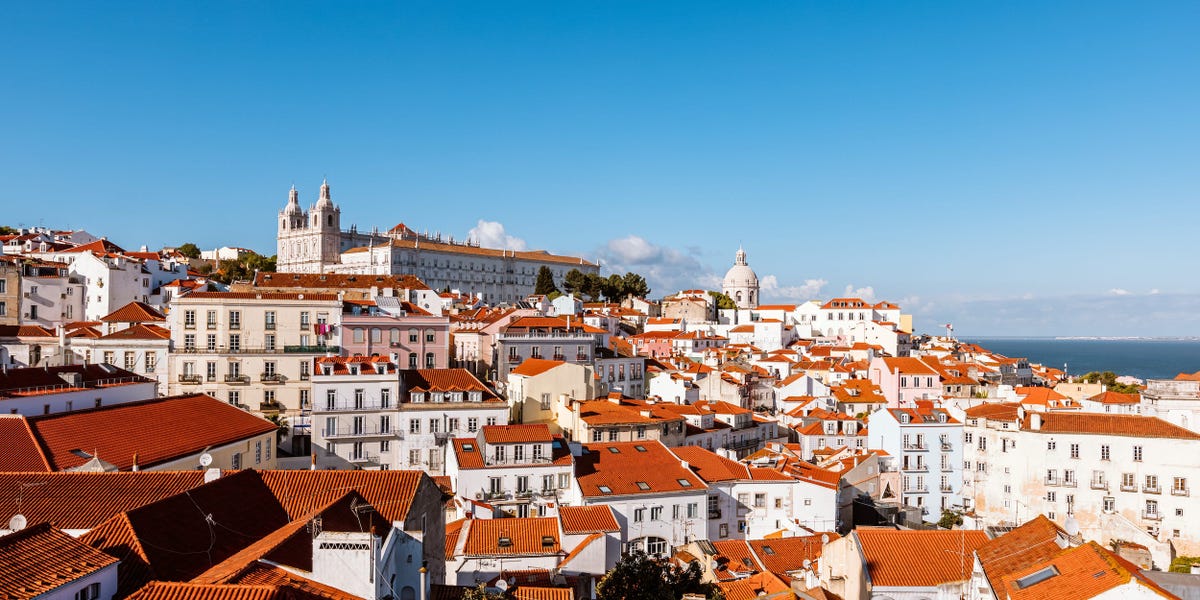
A consultancy reports that a record number of wealthy Americans are seeking residence rights abroad or additional citizenships, with Portugal's "golden visa" being the most popular option. This trend is attributed to the desire for an "ultimate insurance policy" against economic and political uncertainties, as well as the opportunity to mitigate political risk, create business opportunities abroad, and reduce taxes. The consultancy anticipates continued strong demand in 2024 as high-net-worth individuals seek to hedge uncertainty.
China's Spring Festival holds significant cultural and demographic importance, but the country's demographic toll from the One Child Policy and Covid-19, along with economic challenges, has cast a shadow over the festivities. Xi Jinping's authoritarian power and state-directed interventions have led to economic stagnation, a bursting property bubble, and disaffected youth. Despite Western criticisms, international institutions are cautious in addressing China's economic issues, which are exacerbated by political risks and Xi's nationalist agenda. As China faces a population doom spiral and increasing political tensions with the West, the focus should shift from GDP and unemployment to preparing for a new cold war.
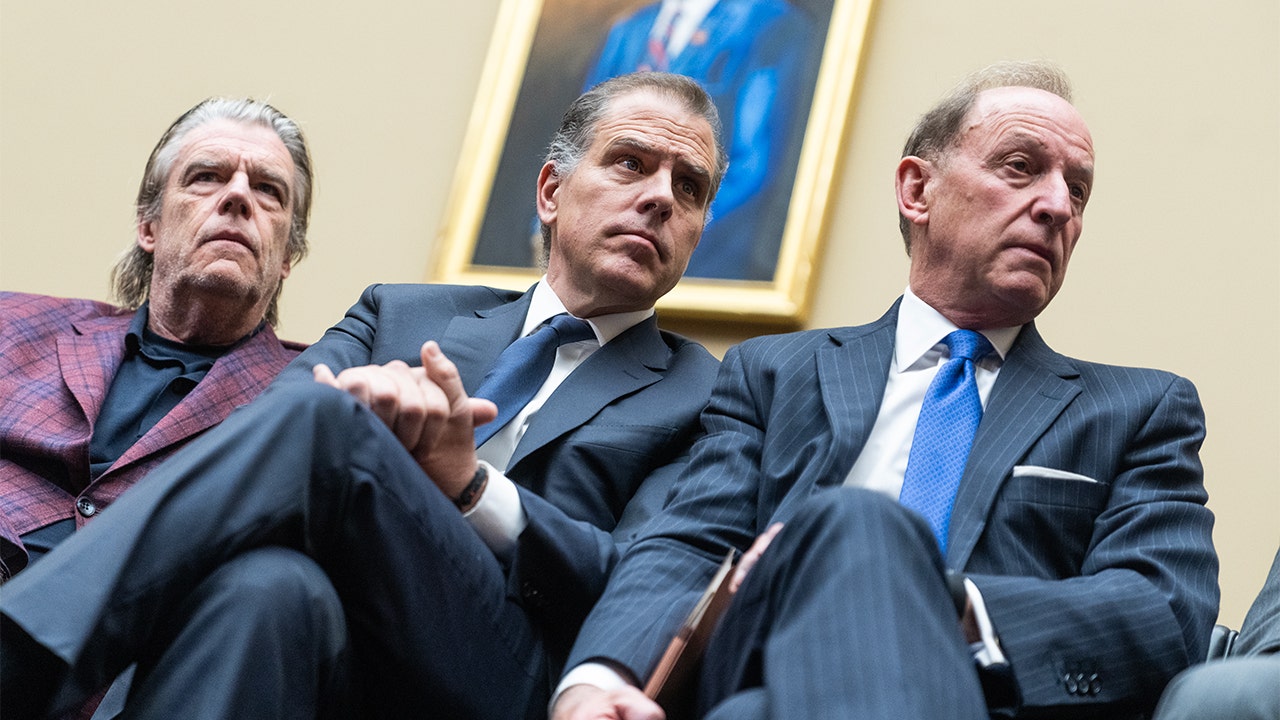
Hunter Biden's lawyer testified that the first Trump impeachment in February 2020 created an "emergency" for Hunter to file his tax returns, citing "political risk" amid the election cycle. The lawyer also admitted to loaning Hunter at least $5 million and paying his tax liability, which House Oversight Committee Chairman James Comer claims was a move to "insulate then-presidential candidate Joe Biden from political liability." Republicans are investigating any involvement Biden had in his son’s business dealings, including allegations made by Burisma CEO Mykola Zlochevsky that he was "coerced" into paying Joe Biden and Hunter Biden millions of dollars to get a prosecutor fired. Hunter Biden has been under federal investigation since 2018 and was charged with federal tax and gun charges, to which he pleaded not guilty.
Hunter Biden's lawyer testified that the first Trump impeachment created an "emergency" for Hunter to file his tax returns, citing "political risk" amid the election cycle. The lawyer explained that the urgency was prompted by the possibility of Hunter being called to testify in the impeachment proceedings. Additionally, it was revealed that the lawyer provided substantial financial support to Hunter, including at least $5 million in loans, which do not have to be repaid until 2025 and could be forgiven. Meanwhile, Hunter Biden has been under federal investigation since 2018 and has been charged with federal tax and gun charges, to which he has pleaded not guilty.
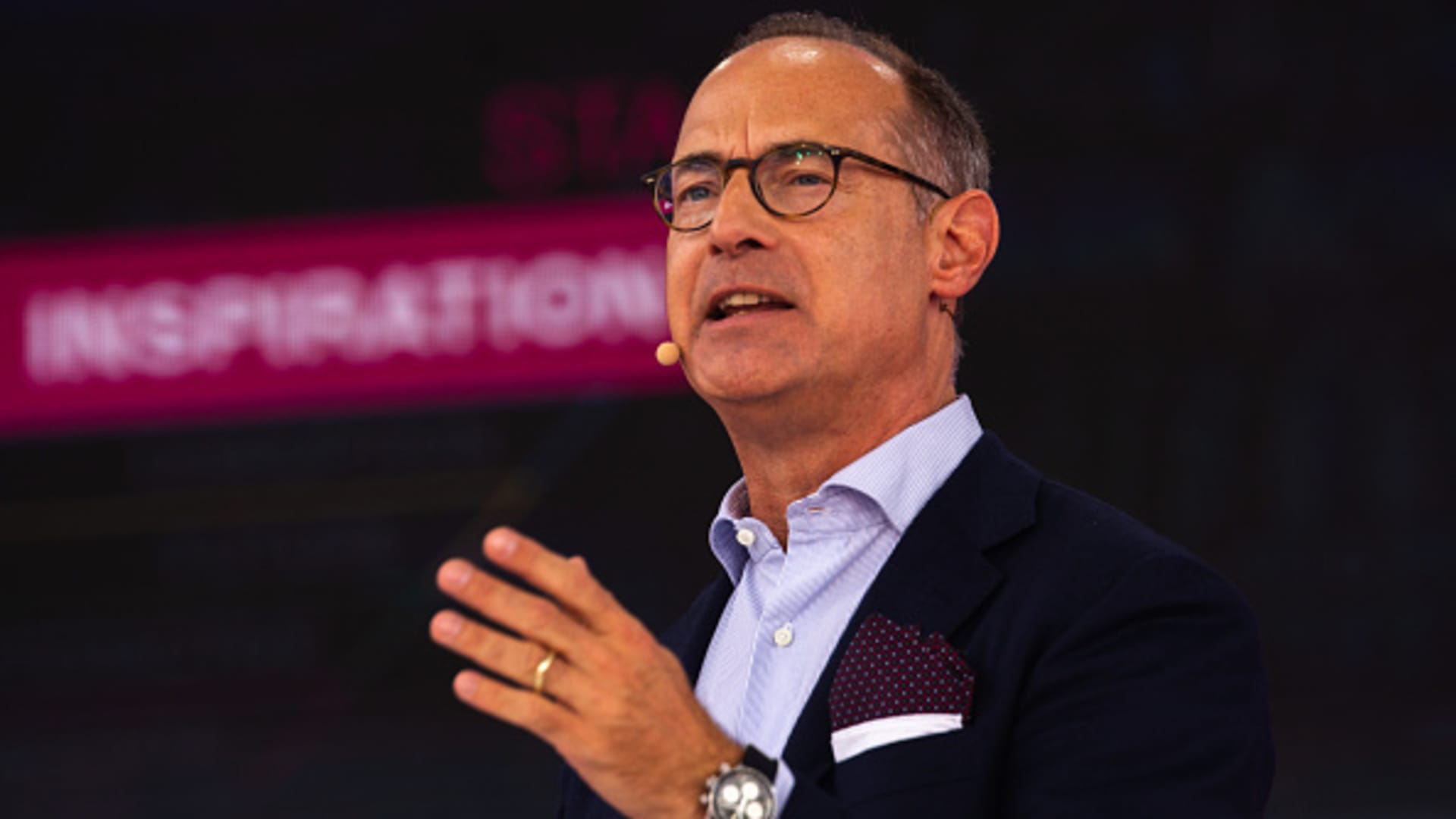
Allianz CEO Oliver Bäte warns that the growing detachment between political elites and the working class poses a major risk in a year filled with geopolitical tensions and major elections. The Allianz Risk Barometer highlights political risk at a five-year high, with civil unrest expected to deepen in 2024, particularly in debt-crisis countries. Bäte emphasizes the need for leaders to address the needs of the people to prevent further polarization and societal risks, as seen in recent elections and protests across various countries.
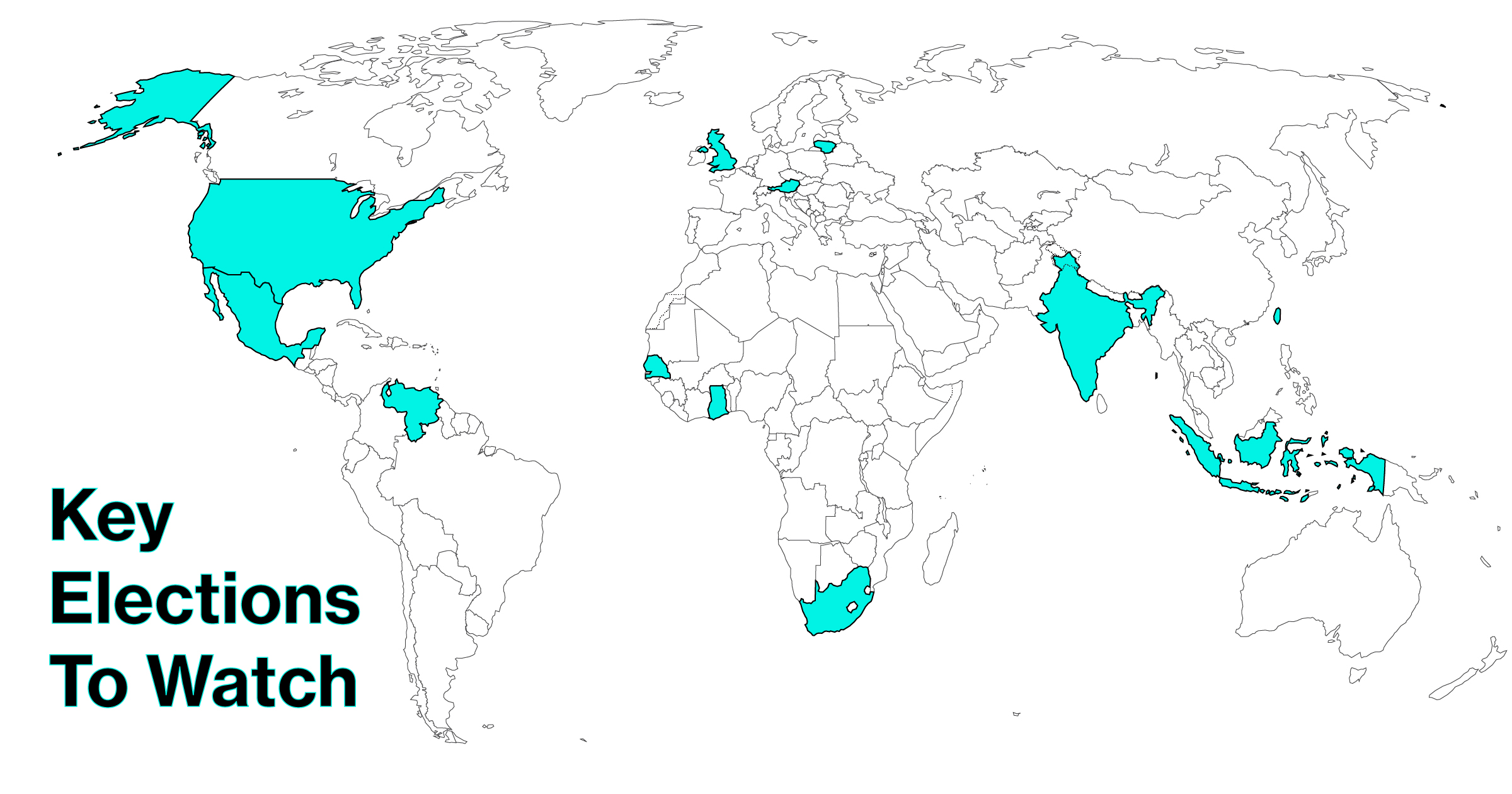
The year 2024 will see a flurry of elections across the globe, impacting nearly half of the world's GDP and population. From Russia to India, and from the US to Taiwan, these elections will shape public policy amidst global disorder, with potential consequences for economic and market issues. The outcomes will influence geopolitical tensions, trade routes, immigration policies, government debt, and climate action, with the hope that healthy democracies can navigate these challenges through domestic and global cooperation.