The US government shutdown has entered its 35th day after the Senate rejected a funding package for the 14th time, with ongoing negotiations to resolve the crisis, concerns over impacts on services like food stamps and healthcare subsidies, and political tensions between Democrats and Republicans.
The article discusses the ongoing government shutdown nearing a record length, highlighting key pressure points such as SNAP benefits and ACA subsidies, the debate over the Senate filibuster, and the potential for a resolution amid upcoming elections and public pressure.
California faces a potential health insurance crisis with upcoming policy changes requiring annual opt-in coverage, reduced federal aid for immigrants, and shorter enrollment periods, amid political negotiations over subsidies that could lead to higher premiums and coverage uncertainties for millions.
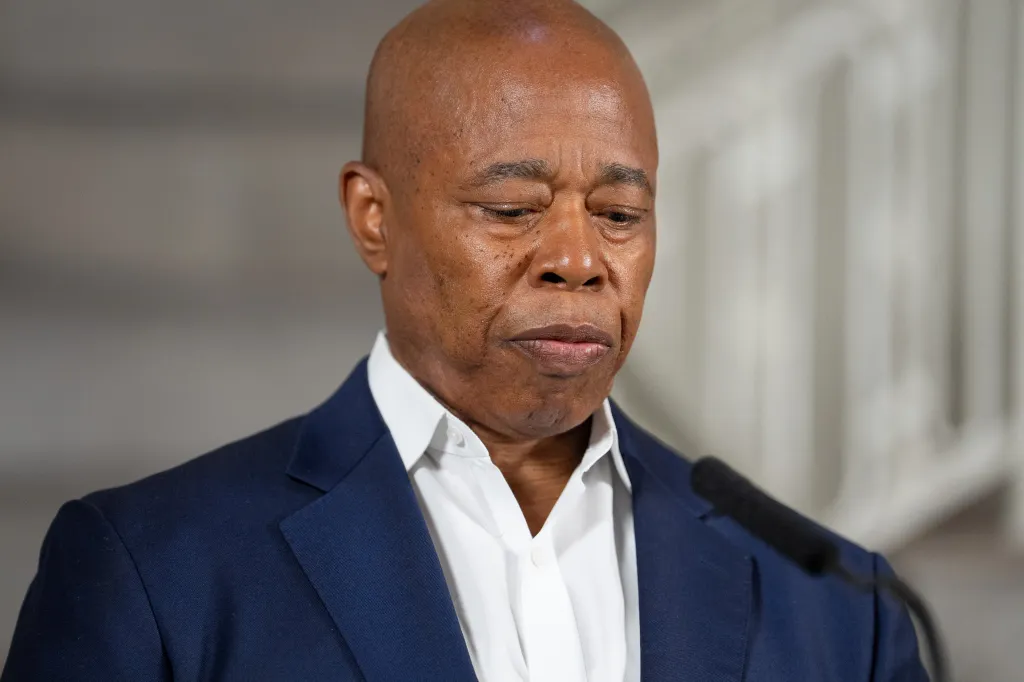
Mayor Adams is in discussions about potentially joining President Trump's administration, possibly to drop out of the NYC mayoral race to help stop front-runner Mamdani, as part of a broader political strategy involving Trump allies and other candidates. Adams has not confirmed any specific plans and remains focused on his reelection campaign amid low polling and controversy.
The Senate is facing a complex summer exit with high tensions over government funding negotiations, including disputes over appropriations bills and delays in confirming President Trump's nominees, as leaders work to reach deals amid political disagreements and procedural challenges.
Chandrababu Naidu and Pawan Kalyan visited Delhi to negotiate seat allocation with the BJP, but faced a series of dismissive and disrespectful treatment, including late-night calls, short notice meetings, and being made to wait for hours. This experience highlighted the desperate measures taken by Chandrababu Naidu in his political dealings.
Americans who rely on government assistance to make ends meet fear the consequences of the ongoing debt-ceiling negotiations in Washington. Congressional Republicans are pushing for tougher work requirements for federal benefits, while President Joe Biden has suggested he's open to such restrictions. Families across America are watching with trepidation as the decisions made in those debt-ceiling talks could have real-life consequences. The negative economic effects of a default could cause instability in interest rates, increases in credit card rates, and difficulty borrowing money. Some Americans hope for a default to "wake up" the American people to whom they elect into office.