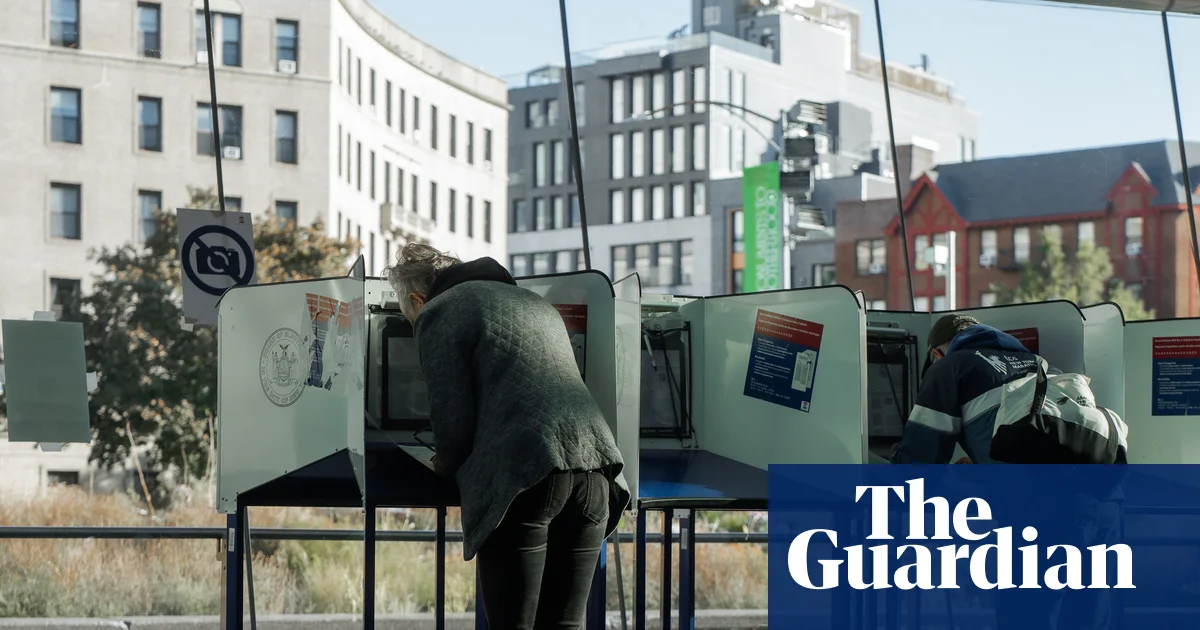
Early voting has begun for the New York City mayoral race and New Jersey governor's race, highlighting key political divisions and issues like affordability, with candidates including Democrat Zohran Mamdani, Republican Curtis Sliwa, and former Governor Cuomo in New York, and Jack Ciattarelli and Mikie Sherrill in New Jersey, as voters prepare for the November elections.
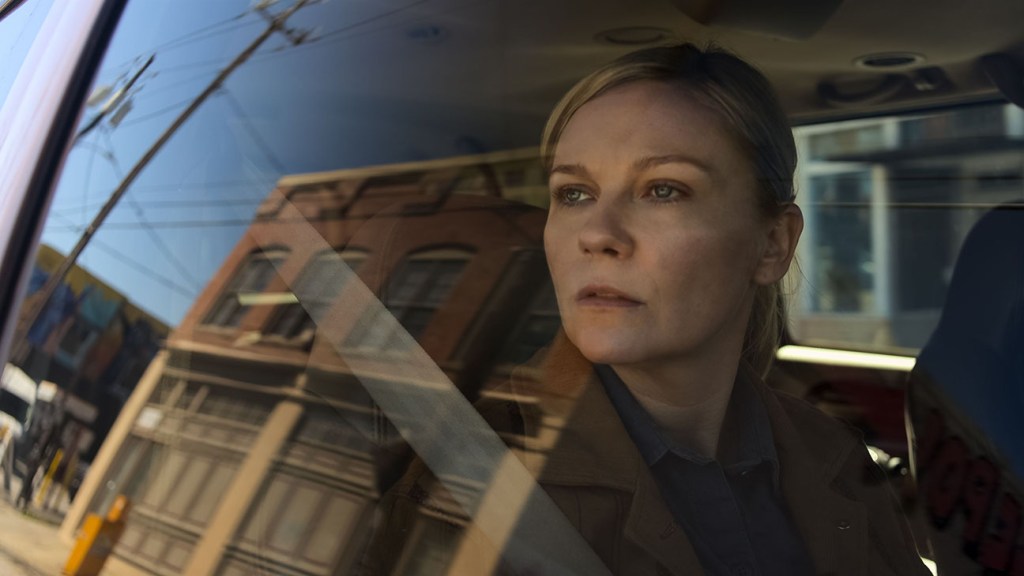
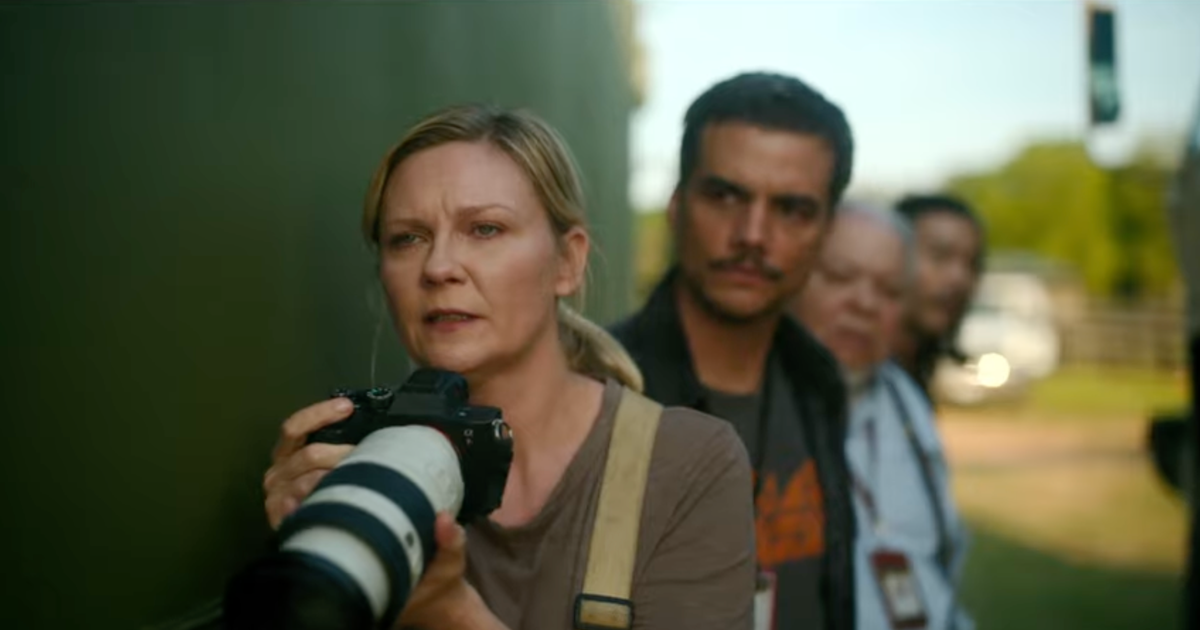
Alex Garland's dystopian film "Civil War" explores the existential threat of a nation torn apart by political and social divisions, leaving the audience haunted by familiar images of torture and terror. The film follows journalists traveling through a war-torn America, but fails to provide a clear explanation for the conflict, leaving the audience questioning the reasons behind the civil war. While the film captures the reality of a divided nation, it falls short in addressing the underlying causes of the turmoil, missing an opportunity to resonate with the current societal tensions.
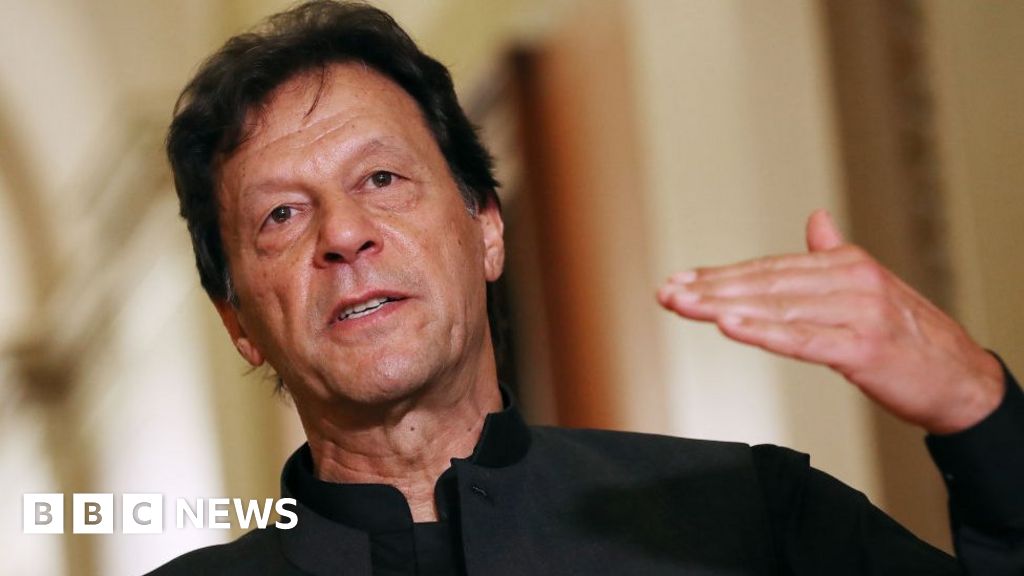
Imran Khan, the former Pakistani prime minister, has left the country divided ahead of the upcoming election after being jailed and barred from standing due to criminal convictions he claims are politically motivated. Khan's supporters remain loyal despite his downfall, while his ouster has paved the way for rival Nawaz Sharif to potentially become prime minister for a record fourth term, leading to deep political divisions and rifts among families and friends in Pakistan. The military's influence and alleged crackdown on dissenting voices have further exacerbated the political tensions in the country.
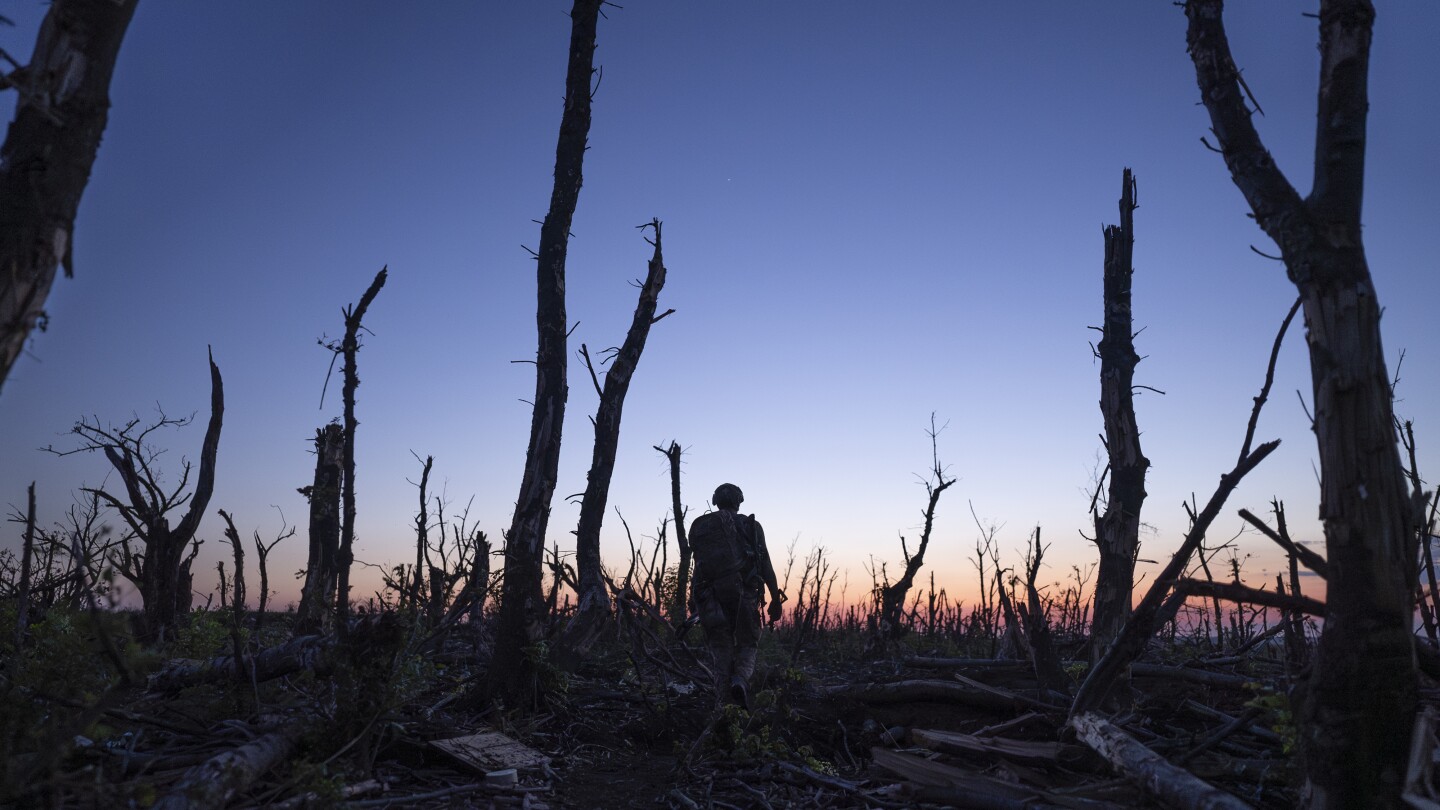
Ukraine ends the year disappointed as its counteroffensive against Russia fails to make significant progress, leaving about one-fifth of Ukraine under Russian control. The stalemate on the battlefield has led to anxiety about the future of Western aid for Ukraine's war effort, as political deliberations over financial assistance become strained. Russian President Vladimir Putin is playing a waiting game, hoping that Western support will gradually crumble due to political divisions, war fatigue, and other global demands. The shifting sentiment could benefit Putin, especially after the upcoming US elections. Despite setbacks, Putin has managed to maintain control and increase defense spending, while Ukraine faces the challenge of resourcing another offensive operation. The international political outlook remains uncertain, raising questions about the best way forward for Ukraine.
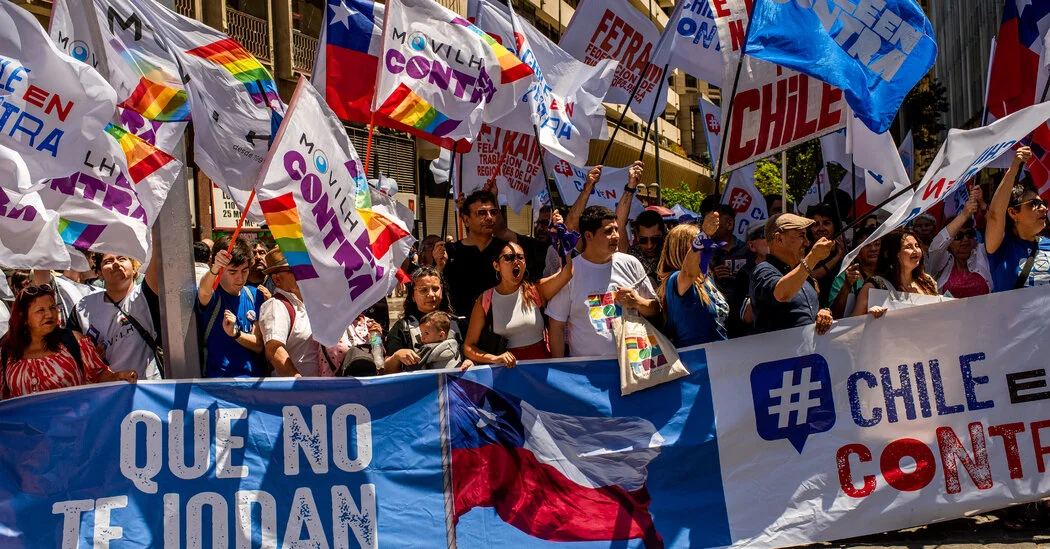
Chileans have rejected a new conservative constitution in a national referendum, marking the second time in less than two years that a proposed constitution has been rejected. The rejection highlights the deep divisions within the country, as Chileans remain divided over the rules and principles that should govern the nation. The constitutional process, once seen as a model of democratic participation, has now become an example of the challenges of democracy, particularly in the internet age. The rejection of the proposed constitution is a bitter outcome, as it signifies a failure to channel the hopes of achieving a new constitution that would be inclusive for all.
The trailer for the movie "Civil War" envisions a near-future America in the midst of armed conflict, with fictional states seceding and California and Texas forming a rebel alliance. The film follows a photojournalist played by Kirsten Dunst as she documents the unfolding atrocities during a massive July 4 invasion in Washington, D.C. Directed by Alex Garland, the cautionary tale is set to release in spring 2024.
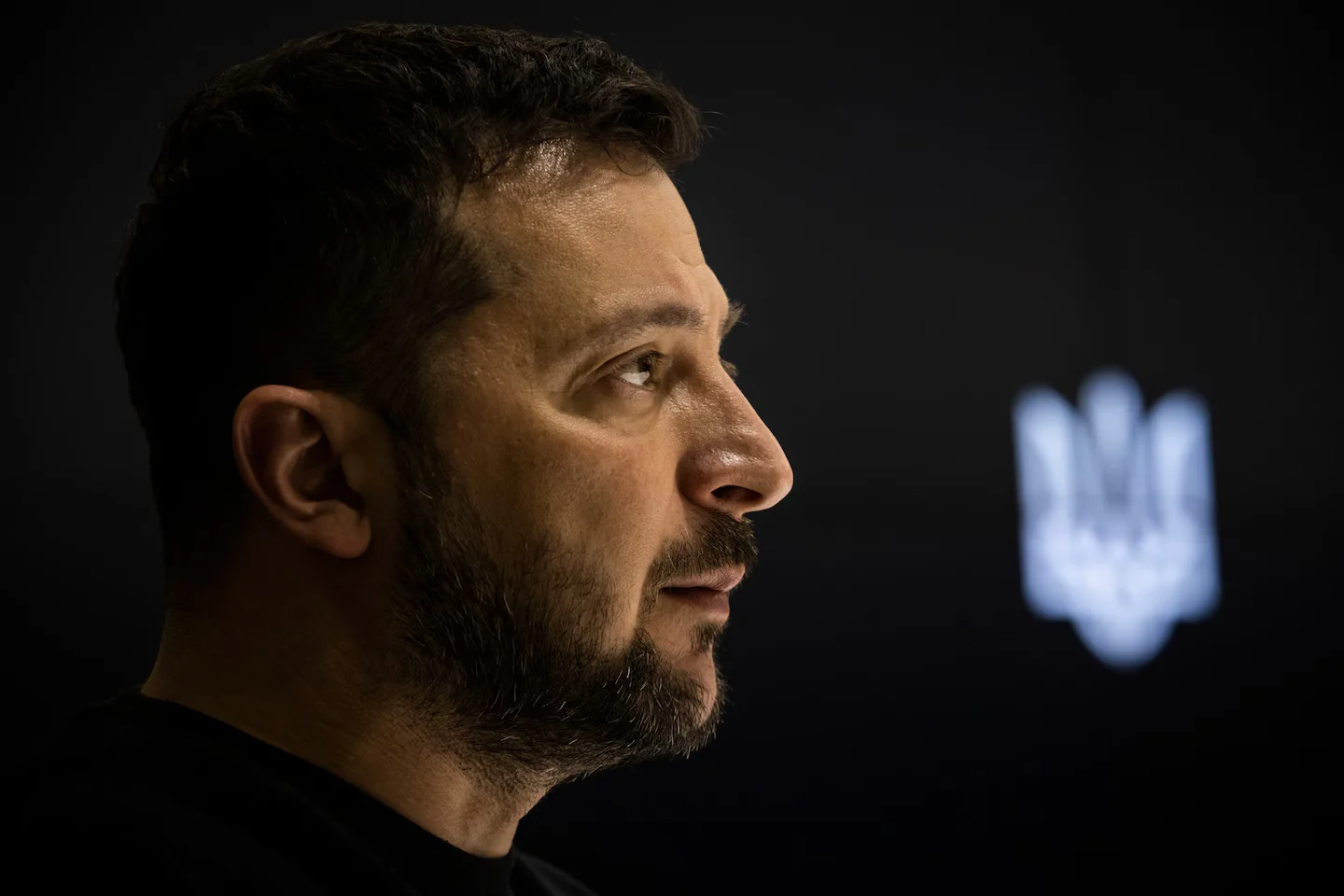
Ukrainian President Volodymyr Zelensky is facing increasing challenges as disagreements in Washington delay crucial military and financial aid for Ukraine. The strain in the relationship between Kyiv and Washington, coupled with internal political divisions, has created tensions in the capital. The cancellation of Zelensky's virtual address to a House and Senate briefing raised questions about the advice he received from Ukrainian and U.S. officials. The delay in aid funding is critical for Ukraine, as a third of its budget relies on U.S. financial assistance. The lack of funding could impact Ukraine's ability to pay salaries and procure necessary munitions for defense against Russia.
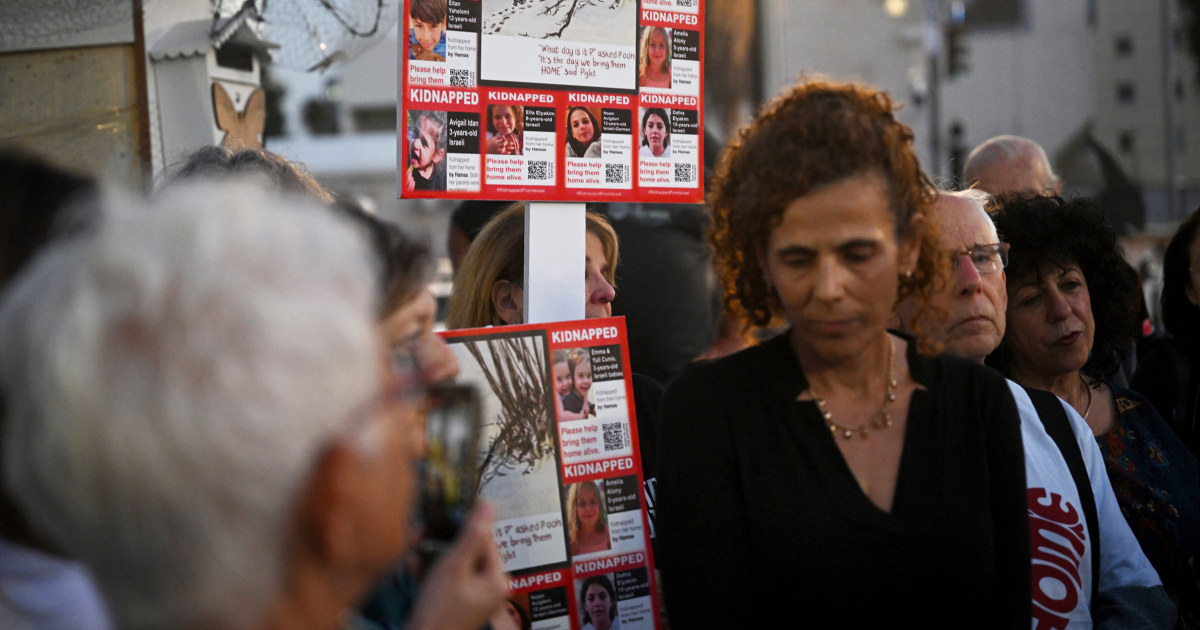
The recent agreement to pause the fighting and swap prisoners between Israel and Hamas has exposed divisions within Israel's government and society. Hard-right members of the government oppose any cessation in fighting, favoring a military-only solution, while the families of the hostages are calling for a longer pause to free more people. The tension between prioritizing negotiations and military action is pulling national opinion to extremes. The majority of Jewish Israelis support the military's response and want to see the hostages freed, but there is disagreement on how to achieve both goals.
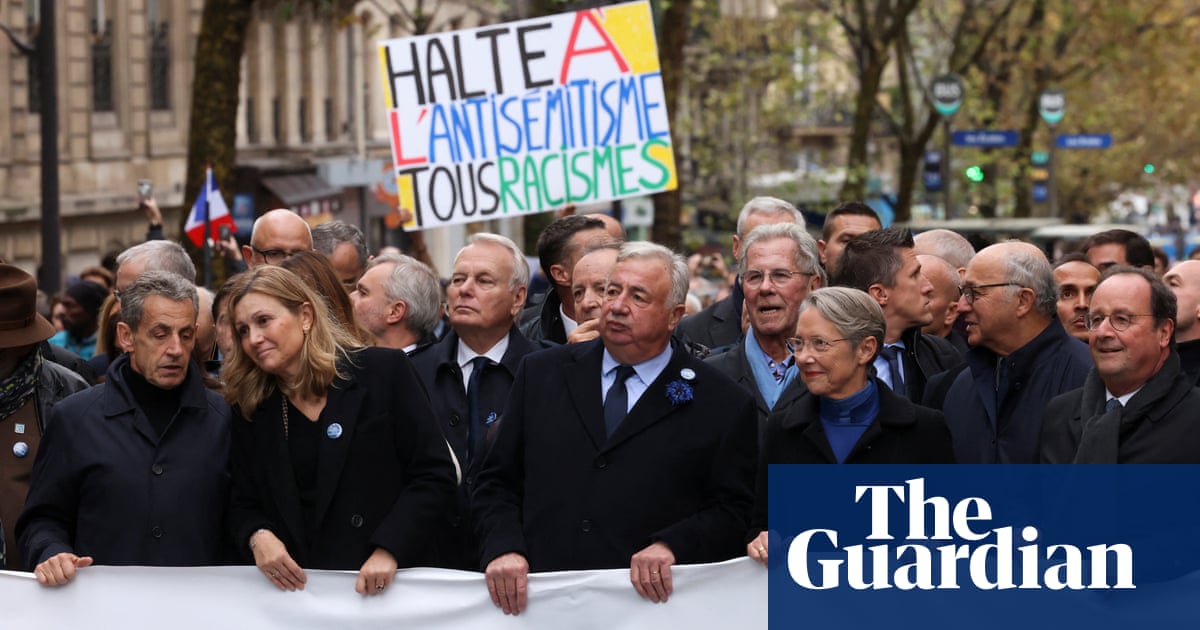
Tens of thousands of people, including senior politicians, marched in Paris against antisemitism amid a surge in anti-Jewish incidents across France. The march was organized by politicians from both houses of parliament and aimed to unite the country against antisemitism. However, the event was marred by political divisions, with the far-right National Rally's attendance drawing widespread criticism. The French government's spokesperson called their presence "indecent," while the Communist party leader refused to march alongside them. The far-left Unbowed France party boycotted the march, describing it as a gathering for "friends of unconditional support for the massacre" in Gaza. The event highlighted the tensions in France following the recent conflict between Israel and Hamas, which has led to a significant increase in antisemitic acts in the country.
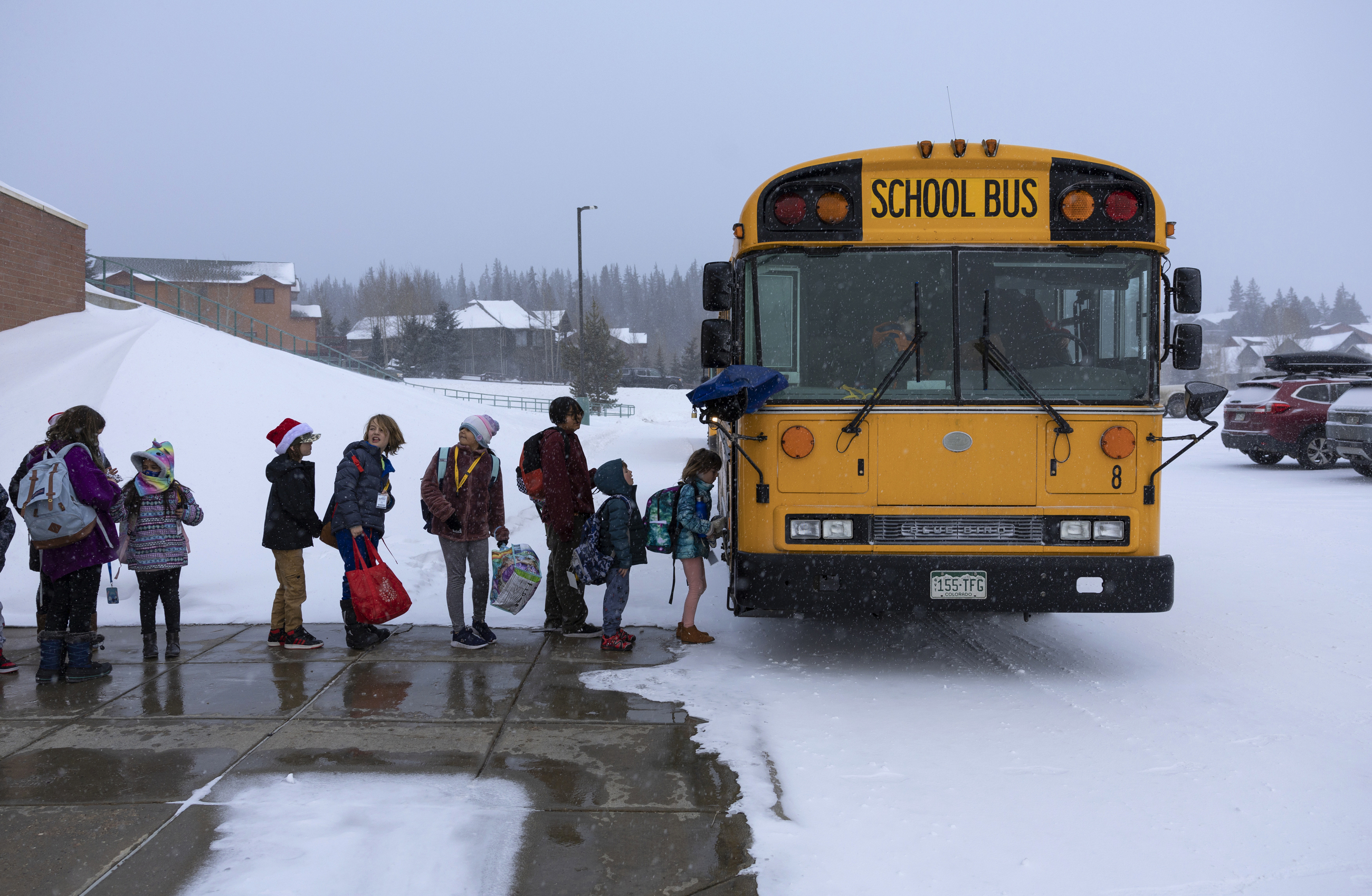
School board elections in Colorado saw clusters of candidates backed by teachers unions leading in several districts, including Woodland Park School District. However, conservatives were set to retain control in other districts like Colorado Springs School District 11. The elections were marked by contentious and partisan campaigns, with hot-button issues such as student pronouns, sex education, and teaching about race. Super PACs spent millions of dollars trying to influence the outcomes, with the majority of the spending concentrated in a few key districts. The results reflect a demand from voters to keep political turmoil out of elections and classrooms.
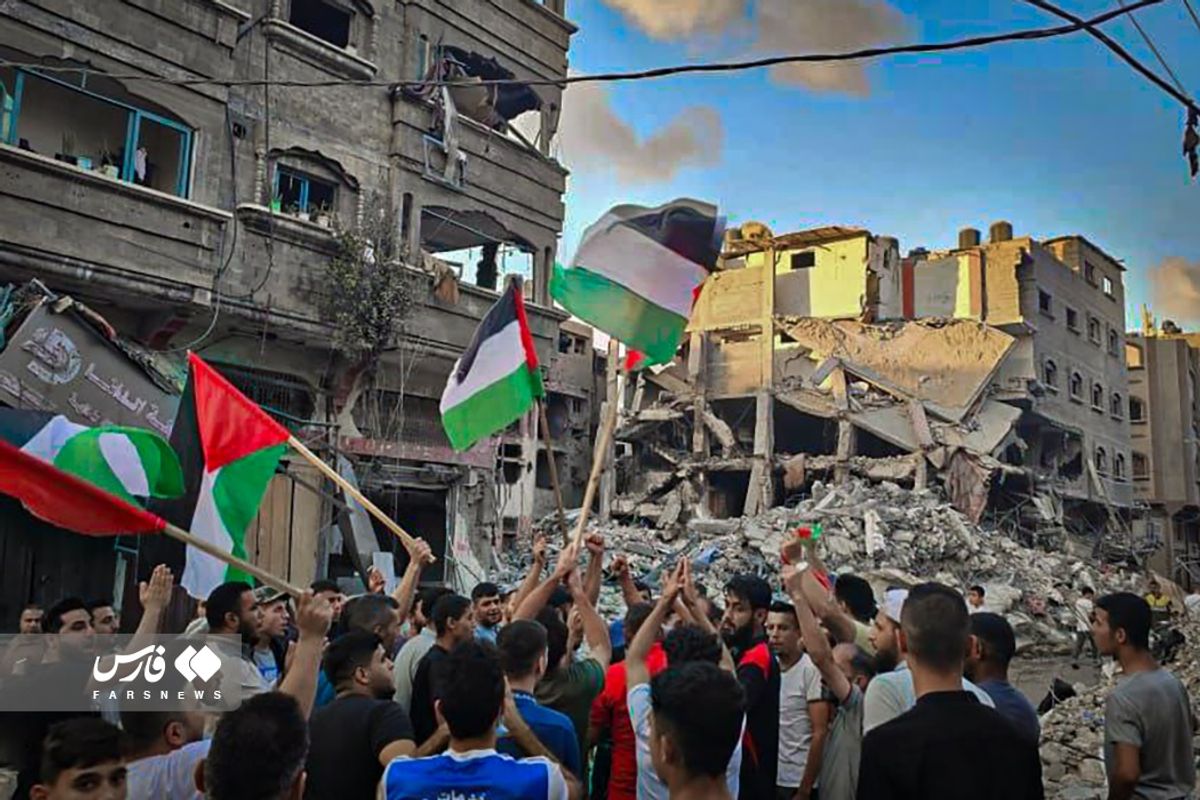
Claims that the majority of Palestinians in Gaza elected Hamas and support its actions towards Israel lack important historical context. While Hamas did win the 2006 election in Gaza, it was not by a majority of votes, but rather a majority of seats in the legislature. The reasons for Hamas' electoral success included campaign promises of change and reform, as well as widespread discontent with corruption among Fatah leadership. It is important to note that almost half of the current population in Gaza could not vote in 2006 due to their age, and the views of Palestinians have shifted over time. Recent survey data shows varying levels of support for Hamas, with some Palestinians expressing trust in the group while others do not. The lack of recent elections in the Palestinian territories is attributed to factors such as international rejection of Hamas, fear of losing elections by Fatah, and Israeli intervention.
An unprecedented attack by Hamas on Israel has shaken Prime Minister Benjamin Netanyahu's grip on power, with the event being referred to as a national trauma. Netanyahu's proposed judicial reforms, which sparked widespread protests, have already made him a divisive figure. The slow military response to the attack has raised questions about his government's handling of security. While there is currently little appetite for a political reckoning against Netanyahu, his perceived failings may lead to his downfall in the future.
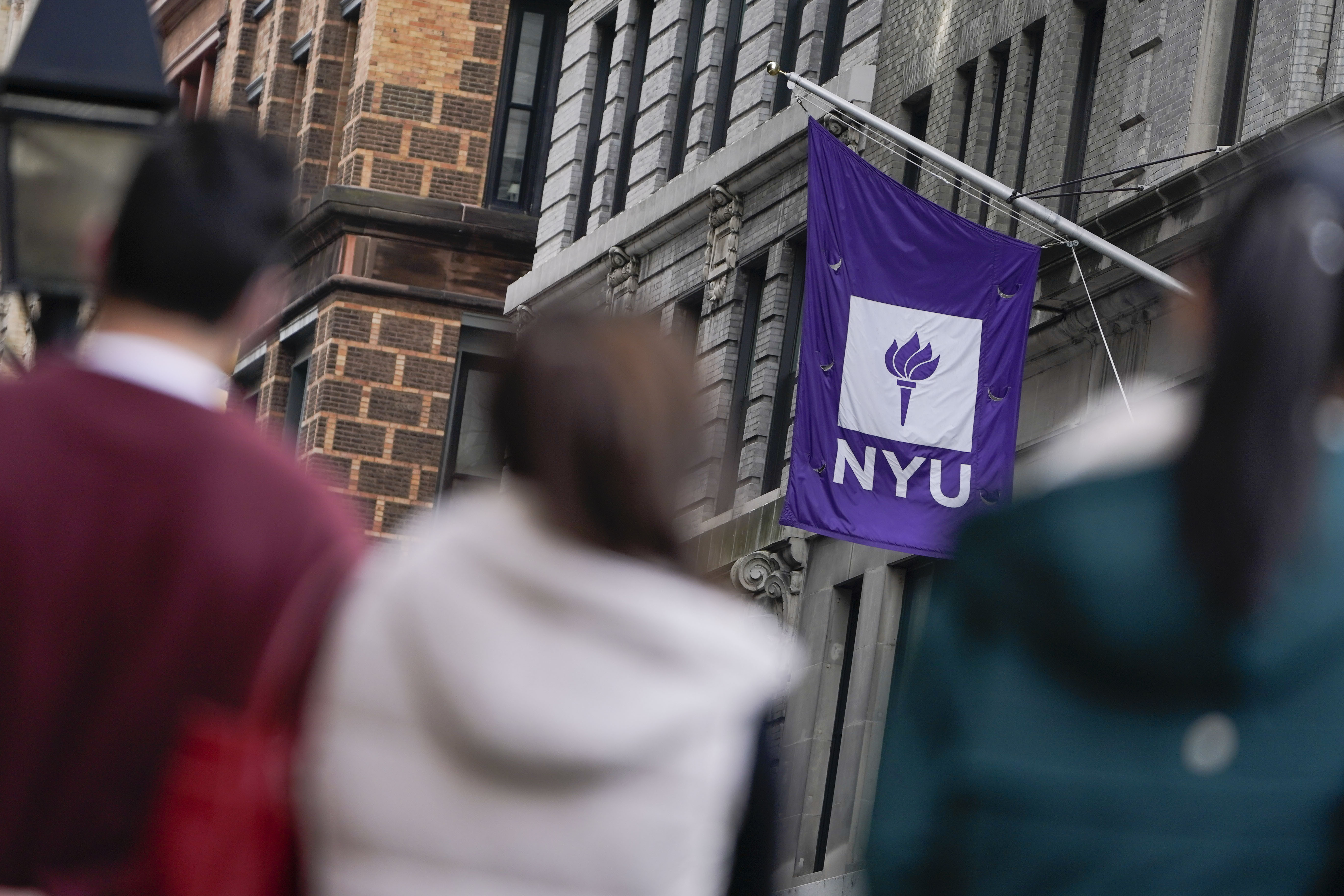
American colleges are grappling with a divisive atmosphere on campuses as administrators clash with far-left student groups over Hamas' attacks on Israel. College presidents calling for calm and compassion have faced backlash from student associations critical of Israel's control of the region. The issue has sparked a nationwide debate involving members of Congress, conservative figures like Senator Ted Cruz, and left-wing professor Cornel West. Schools such as Harvard, Stanford, and Georgetown have been caught in the maelstrom, with student messaging causing uproar among political leaders on both sides. The situation highlights the ideological battles and divisions within the Democratic Party, with leading progressives distancing themselves from anti-Israel rhetoric.
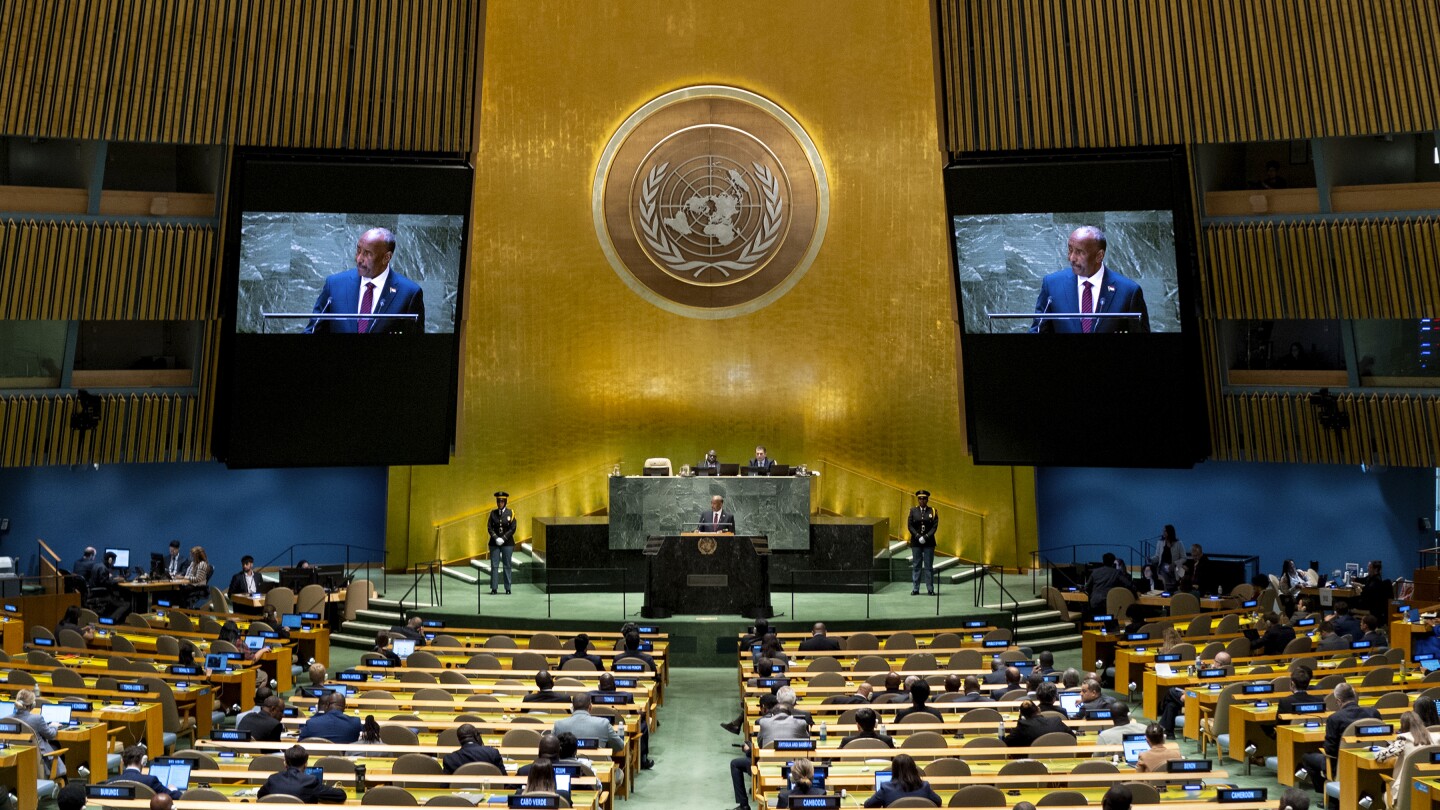
The United Nations Credentials Committee, an obscure and opaque body, serves as the gatekeeper to the world stage at the UN General Assembly's annual meeting. The committee decides which representatives from divided nations are granted legitimacy and the opportunity to speak. While effective control of territory is a key criterion, the committee's decision-making process remains unclear and may involve political considerations. The committee's recommendations can have significant impacts, including determining who represents a country at international courts. The lack of transparency allows the committee to avoid making difficult decisions and kick them down the road.
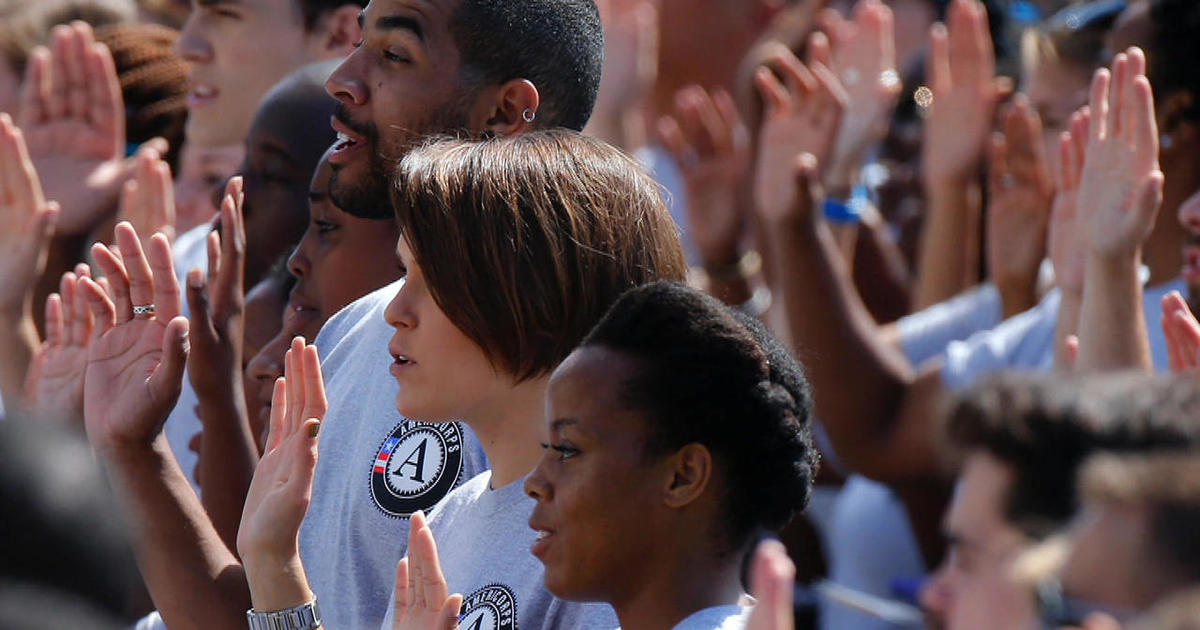
Gen. Stanley McChrystal suggests that national service could help bridge the political divide in America by bringing together young Americans from diverse backgrounds to work on common projects for a year or two. This concept, already existing in programs like AmeriCorps, City Year, and Vista, would require a public/private partnership to provide funding, create opportunities, and establish supporting policies. By fostering connections and producing better citizens, national service could help heal the divisions in American society.