Gal Gadot clarified that the poor box office performance of 'Snow White' was not solely due to anti-Israel sentiment, after initially linking it to pressure in Hollywood related to the Gaza war, amidst a backdrop of polarized opinions and social media debates.
Social media influencer Emily Austin visited southern Israel and the Gaza border communities to witness the destruction caused by Hamas. She described the experience as "like visiting concentration camps" and emphasized the importance of seeing it firsthand. Austin, who has a large following on Instagram and Twitter, aims to educate her followers about the reality in Israel and combat anti-Israel sentiment. Despite receiving backlash and losing job opportunities, she remains committed to standing up for Israel and promoting education to fight against misinformation.
Wake Forest University professor, Laura Mullen, resigned from her position after facing backlash for a tweet in which she expressed temptation to shoot dance parties like the one Hamas committed in Israel. Mullen claimed that her employer threw her to the wolves and felt let down by the university. This incident is part of a larger trend of anti-Israel sentiment on college campuses, with professors and students facing consequences for their social media posts. In a separate incident, a trainee doctor at Wake Forest University School of Medicine faced criticism for implying deliberate harm to a patient on social media. The school defended the trainee doctor, stating that her claims did not reflect the incident and that she had followed guidelines correctly. Another controversy involved a tenured English professor who was placed on leave after posting explicit photos of himself online.
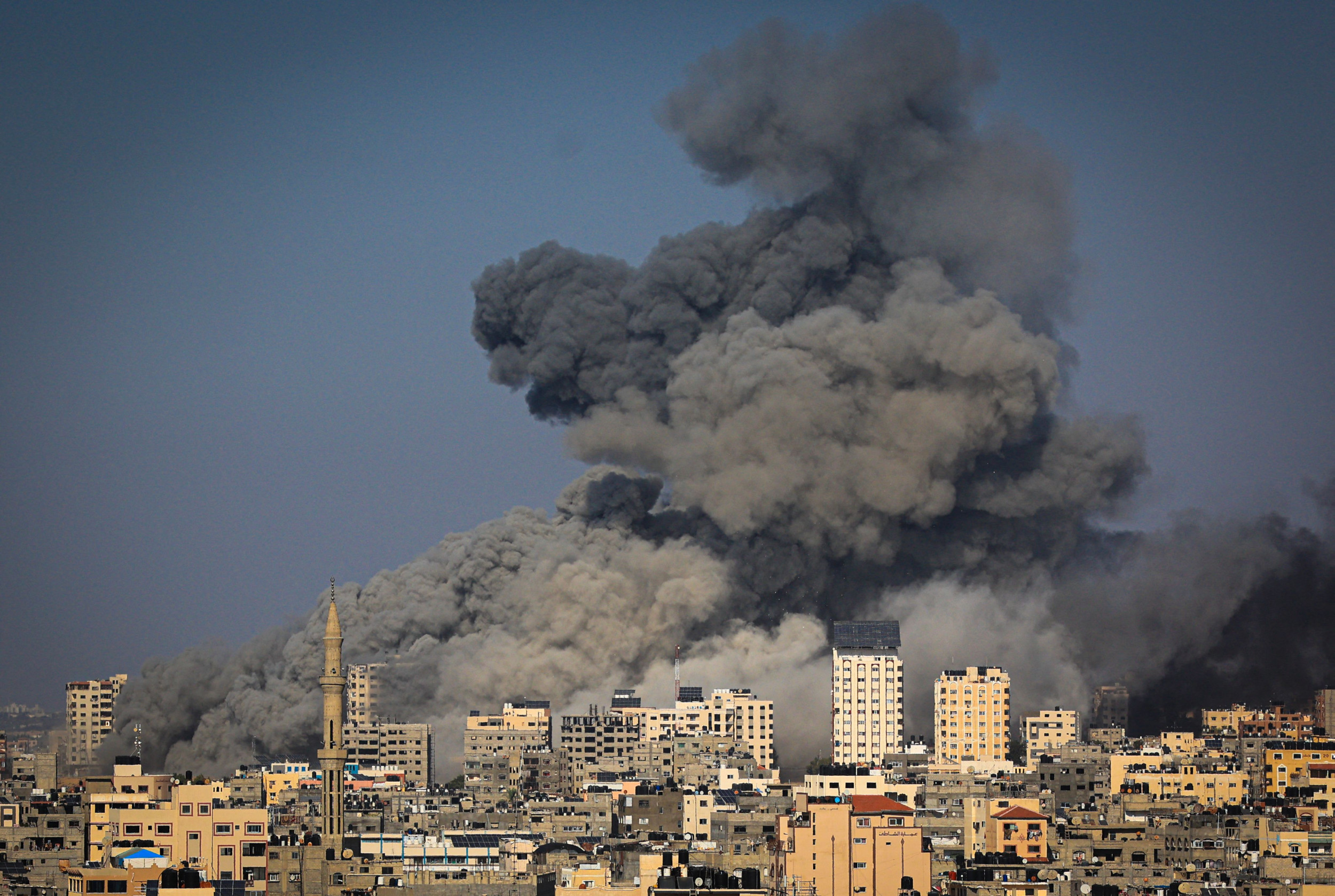
China, positioning itself as a peace broker in the Israel-Gaza conflict, has refrained from condemning Hamas, the group responsible for sparking the crisis. While China has called for restraint and a ceasefire, it has not explicitly named Hamas for its initial rocket attacks or the subsequent Israeli airstrikes. Anti-Israel sentiment is prevalent among Chinese netizens, with pro-Palestinian views dominating social media discussions. Several factors contribute to China's stance, including historical support for the Palestinian cause, aspirations for global leadership, the need to maintain support from Arab countries, and opposition to US-backed initiatives. China's relationship with the US and its treatment of the Muslim-majority population in Xinjiang also play a role.
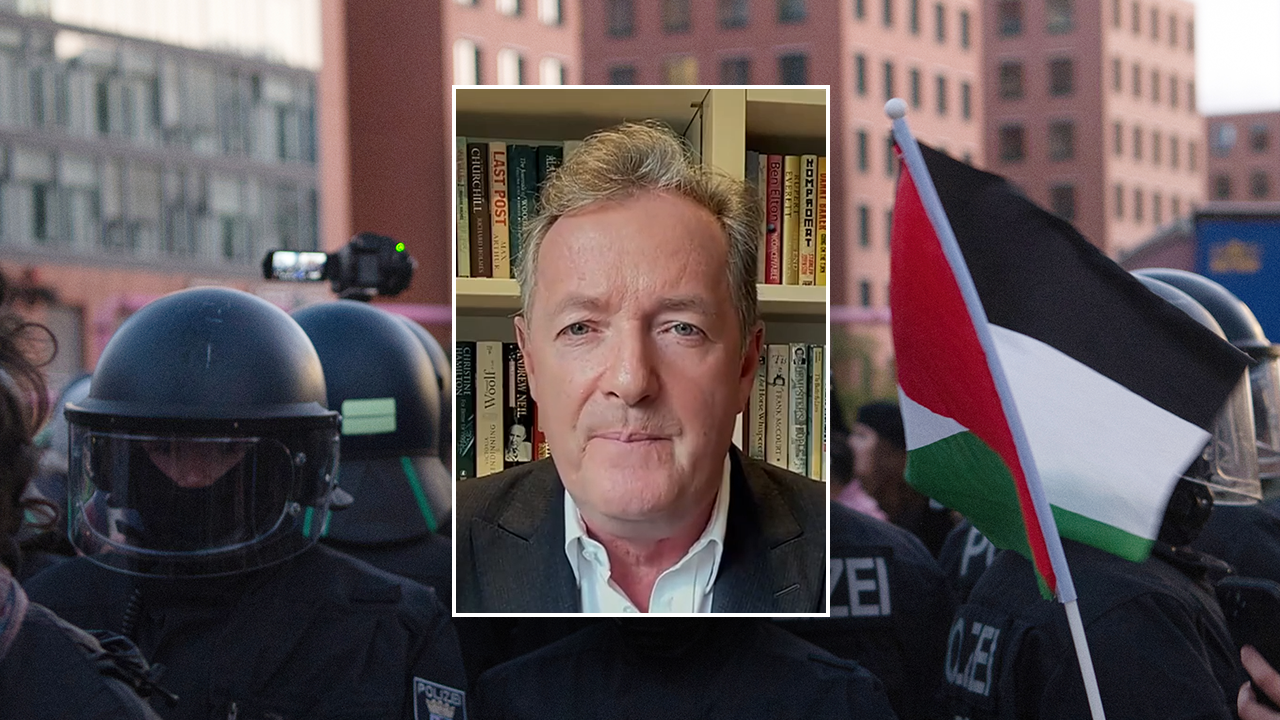
Piers Morgan criticized Pro-Palestinian protests in Europe, particularly in Berlin, where Jews were warned not to publicly express their faith due to anti-Israel sentiment. Morgan condemned the demonstrations for lacking criticism of Hamas' attacks on Israeli citizens and called the spread of disinformation, including by the BBC, "complete nonsense." Germany has cracked down on pro-Palestinian demonstrations following violent incidents, and Israel declared war on Hamas after rocket attacks and invasions. Morgan described the protests and rhetoric surrounding the attacks as "completely disgusting."
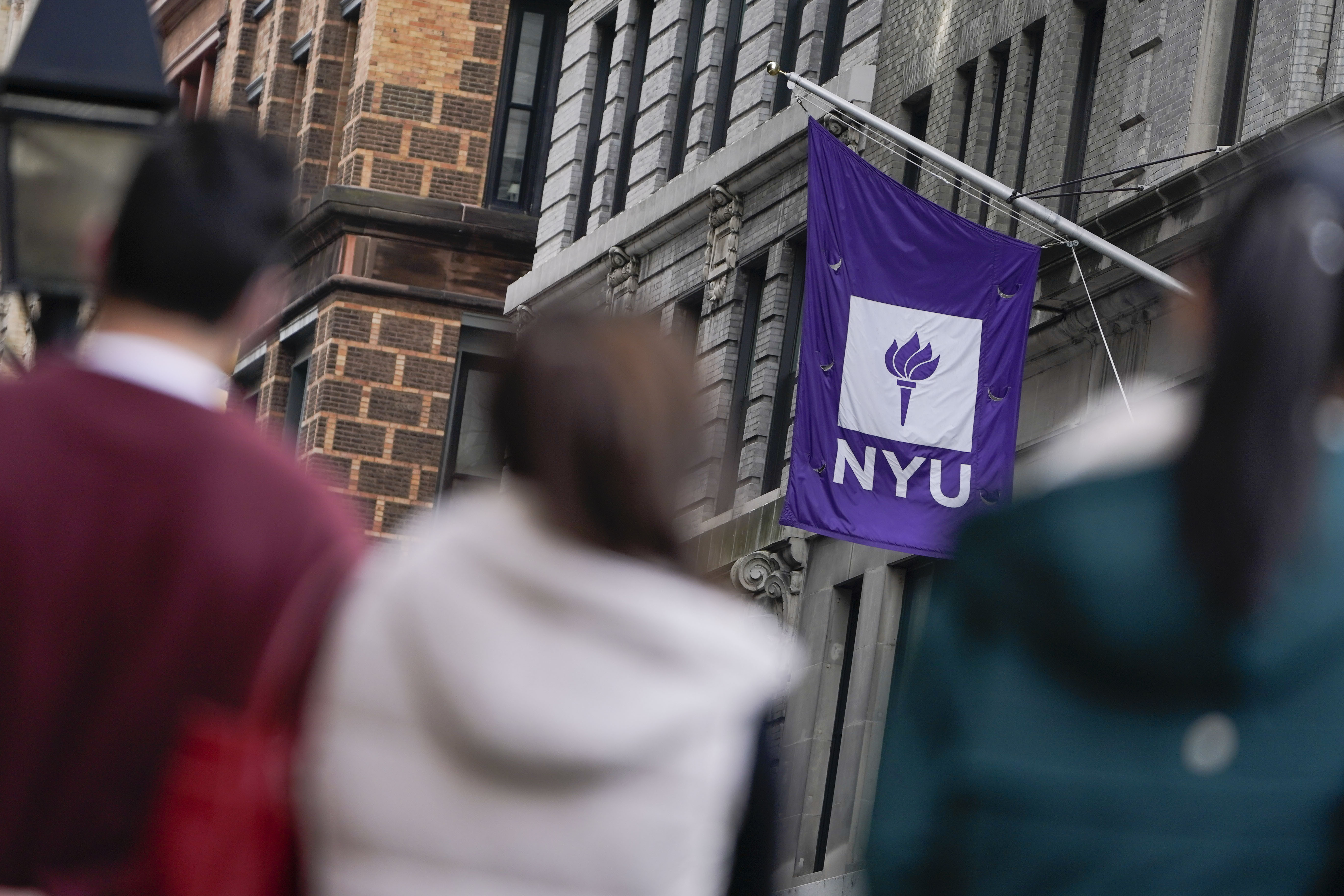
American colleges are grappling with a divisive atmosphere on campuses as administrators clash with far-left student groups over Hamas' attacks on Israel. College presidents calling for calm and compassion have faced backlash from student associations critical of Israel's control of the region. The issue has sparked a nationwide debate involving members of Congress, conservative figures like Senator Ted Cruz, and left-wing professor Cornel West. Schools such as Harvard, Stanford, and Georgetown have been caught in the maelstrom, with student messaging causing uproar among political leaders on both sides. The situation highlights the ideological battles and divisions within the Democratic Party, with leading progressives distancing themselves from anti-Israel rhetoric.