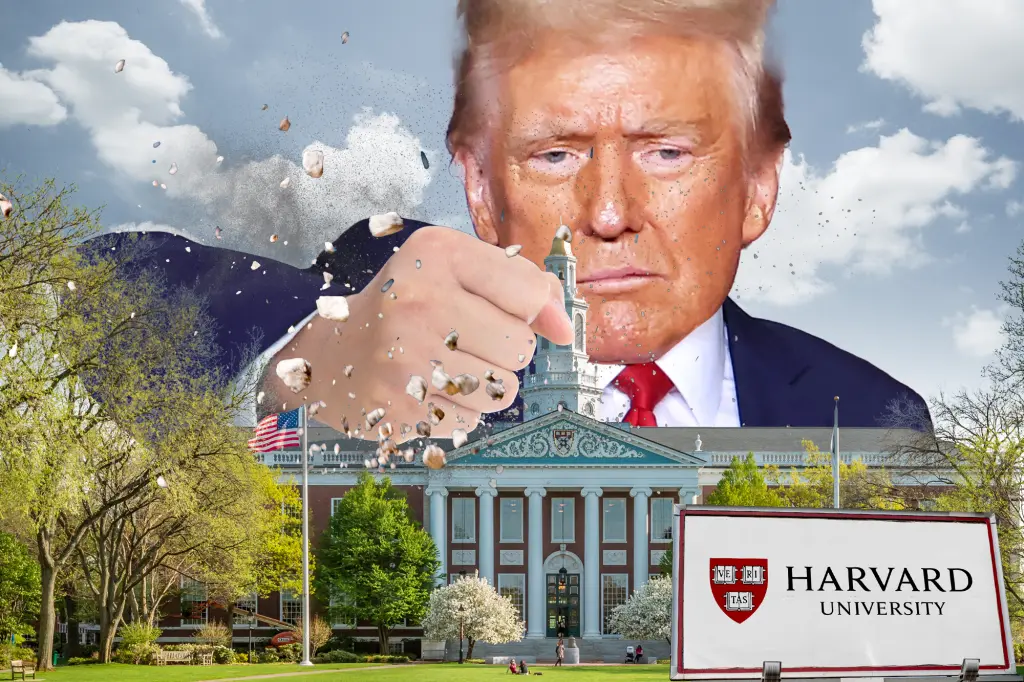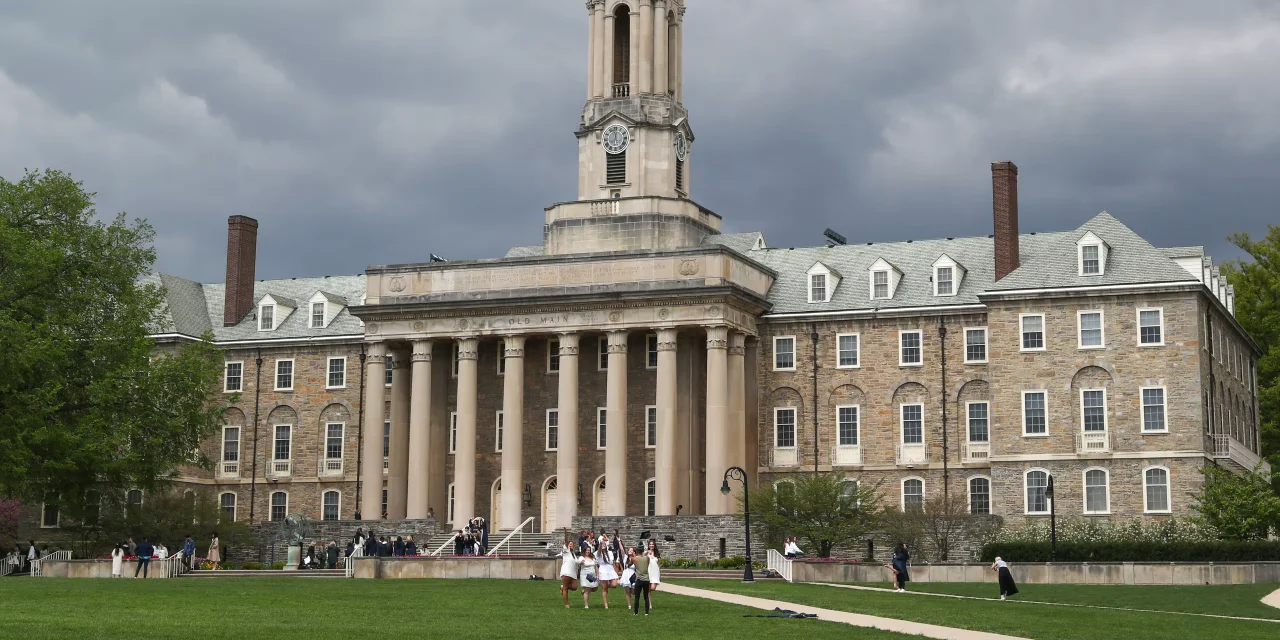
The Trump administration has urged nine top universities to sign a 'compact' pledging to freeze tuition for five years, limit international student enrollment, and adopt strict gender definitions, promising benefits in exchange, as part of a broader effort to align higher education with its political agenda.
The NCAA Division I Men's Cross Country rankings have been released, with Iowa State maintaining the top spot after strong performances at recent meets, followed by Oklahoma State, New Mexico, Virginia, and Colorado. The season is heating up with teams competing across various meets, leading to shifts in the rankings and increased anticipation for the upcoming NCAA Championships.
The article discusses Donald Trump's recent actions to increase transparency in college admissions by demanding racial and admissions data from universities, which critics fear could be misused to undermine diversity efforts and reinforce racial biases in higher education, amid his broader campaign against diversity and affirmative action.
The Trump administration's efforts to target 'woke' universities, including potential removal of non-profit status and increased taxes on endowments, are causing concern among Wall Street investors and private equity firms, as these measures threaten the financial stability of elite institutions like Harvard, which heavily invest in private equity and hedge funds. The administration aims to push colleges toward more liquid investments and a centrist approach to higher education, amid broader political and ideological conflicts.
Colleges are struggling to process student financial aid data due to repeated delays in the rollout of the new Free Application for Federal Student Aid (FAFSA), with two-thirds of institutions expressing concerns about the tight timeline. The Education Department's admission of miscalculating data for hundreds of thousands of students has led to widespread fears about downstream effects for millions of students. The revamped FAFSA, while intended to make more low-income students eligible for aid, has faced technical problems and timing issues, causing a backlog of applications and eroding trust between colleges, students, and the federal government. Colleges are urging transparency from the Education Department to address potential hiccups and ease the burden on institutions and students.
On April 8, 2024, a rare total solar eclipse will cross North America, prompting some schools to close due to safety concerns and the potential for unprecedented traffic and visitors in areas within the eclipse's path of totality. Some schools cite safety risks and the temptation for students to view the eclipse without proper precautions, while others anticipate significant traffic challenges and a high number of visitors. Colleges are also adjusting schedules to accommodate the eclipse, with some opting for alternative instruction and others canceling in-person classes due to the expected influx of visitors.
The US Education Department is easing requirements for colleges and universities to help them deal with delayed student financial aid information caused by technical glitches with the new federal financial aid application, FAFSA. The department will reduce the proportion of financial aid forms it reviews for potential inaccuracy, suspend new reviews of colleges’ compliance with financial aid rules, and offer flexibility in their applications to renew eligibility for federal financial aid programs. These changes aim to support institutions in processing aid applications and delivering aid packages to students amidst the FAFSA delays.
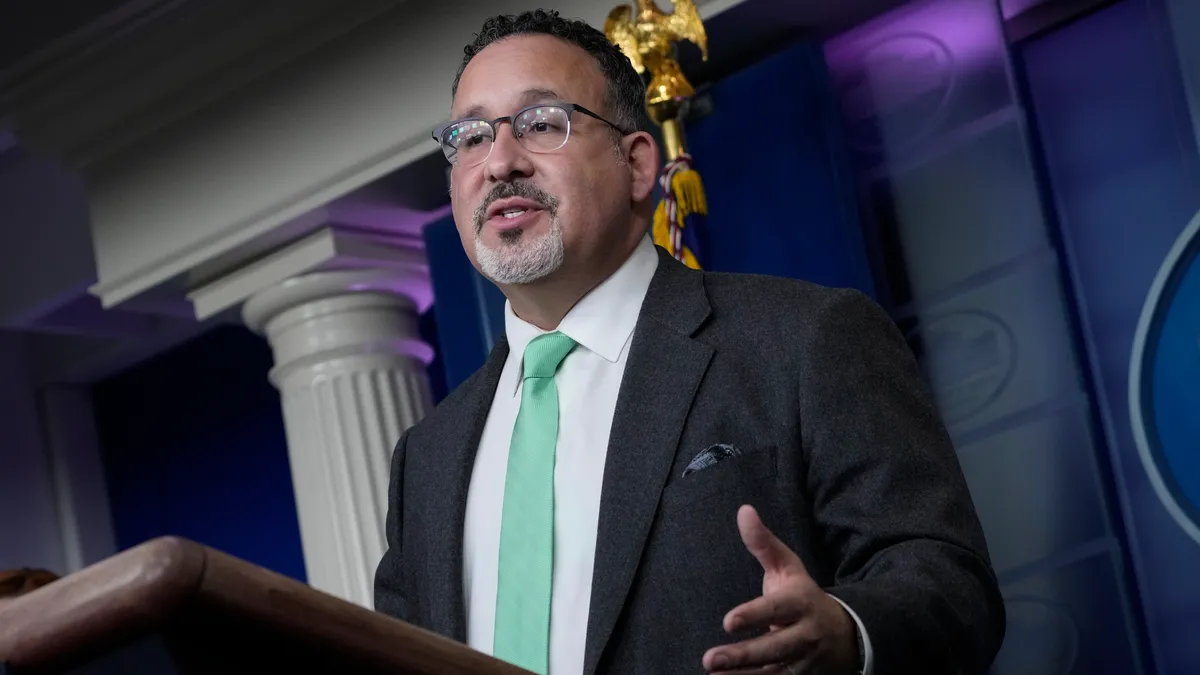
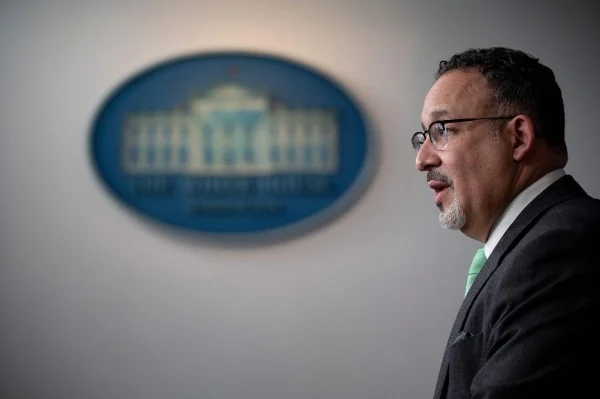
The U.S. Department of Education is taking additional steps to support colleges and students with the FAFSA process, aiming to make it easier for schools to process student financial aid forms and provide maximum aid to students. These steps include reducing verification requirements, suspending routine school compliance reviews, and providing flexibility on recertification. The Department is also deploying federal personnel to support under-resourced colleges, allocating $50 million in funding for technical assistance, and releasing test versions of Institutional Student Information Records (ISIRs) to help institutions prepare their systems. U.S. Secretary of Education Miguel Cardona emphasized the goal of simplifying the FAFSA process for colleges, universities, and students.
American colleges are grappling with a divisive atmosphere on campuses as administrators clash with far-left student groups over Hamas' attacks on Israel. College presidents calling for calm and compassion have faced backlash from student associations critical of Israel's control of the region. The issue has sparked a nationwide debate involving members of Congress, conservative figures like Senator Ted Cruz, and left-wing professor Cornel West. Schools such as Harvard, Stanford, and Georgetown have been caught in the maelstrom, with student messaging causing uproar among political leaders on both sides. The situation highlights the ideological battles and divisions within the Democratic Party, with leading progressives distancing themselves from anti-Israel rhetoric.
Colleges are being urged to provide more detailed and transparent information about how they spend their money, as concerns about rising tuition costs and student debt continue to grow. The lack of clear financial data makes it difficult for students and families to make informed decisions about which college to attend and how to finance their education. Advocates argue that greater transparency and accountability are necessary to address these issues and ensure that colleges are using their resources effectively.
Public universities in the US have been engaging in excessive spending over the past two decades, constructing lavish academic buildings and dorms, investing in high-profile sports programs, and hiring numerous administrators.
Colleges are exploring alternative methods to consider race in admissions without directly asking about it, in response to legal challenges. Some institutions are considering factors such as neighborhood characteristics, socioeconomic status, or high school quality to indirectly capture racial diversity. These approaches aim to promote diversity and equity while navigating legal restrictions on explicit consideration of race in admissions processes.