Zohran Mamdani's NYC mayoral campaign innovatively used fandom culture and community-based influencer collaborations to connect with voters on an emotional level, contrasting with traditional campaign strategies and emphasizing the power of shared community narratives in politics.
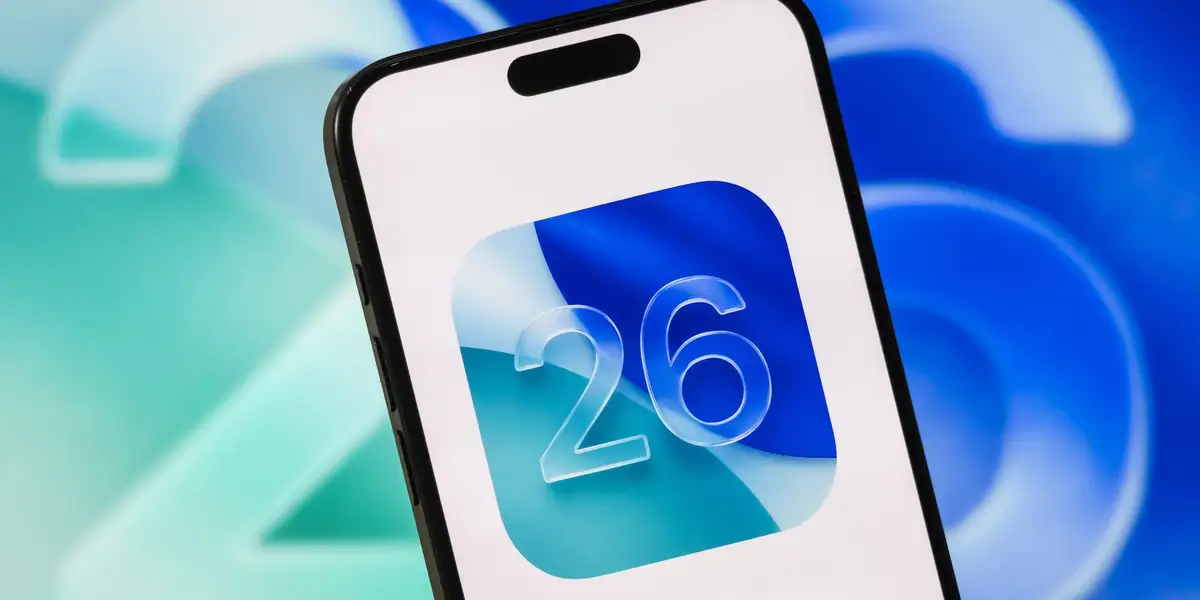
Apple's iOS 26 introduces a feature that filters texts from unknown senders into an 'Unknown' inbox, potentially causing significant financial losses for political campaigns, especially GOP, estimated at up to $500 million, by reducing their ability to reach voters and raise funds via text messages.
Comedian Billy Eichner has launched an initiative called 'Loud white men for Kamala' to support Vice President Kamala Harris in the upcoming election. Eichner's effort aims to rally support and counteract panic among voters, emphasizing the momentum Harris has gained in recent polls. This move is part of a broader political landscape where various figures are reacting to the closing days of the Trump campaign and the upcoming 2024 election.
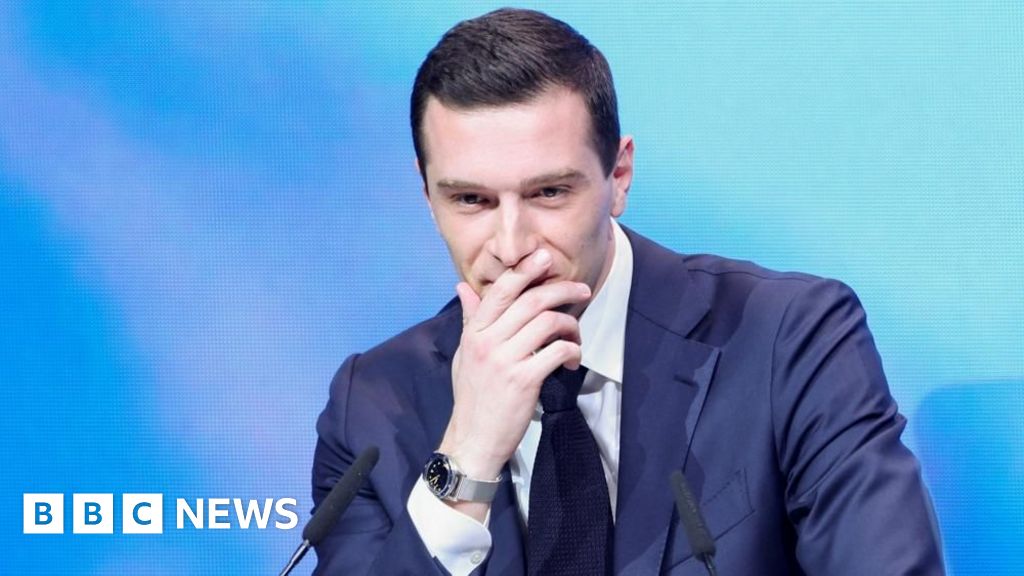
The upcoming European Parliament elections will reflect diverse national sentiments across 27 countries, with significant gains expected for right and far-right parties. Key issues include the rise of young far-right leaders in France, Belgium's potential dissolution, Poland's focus on national security amid Russia's war, and muted campaigns in Slovakia following an assassination attempt. Other notable developments include Austria's far-right surge, Italy's Giorgia Meloni solidifying her position, Germany's Scholz facing criticism over Ukraine, Hungary's Orban challenged by a new party, Spain's conservatives pressuring PM Sánchez, the Netherlands' political polarization, and Denmark's election as a test for its government.
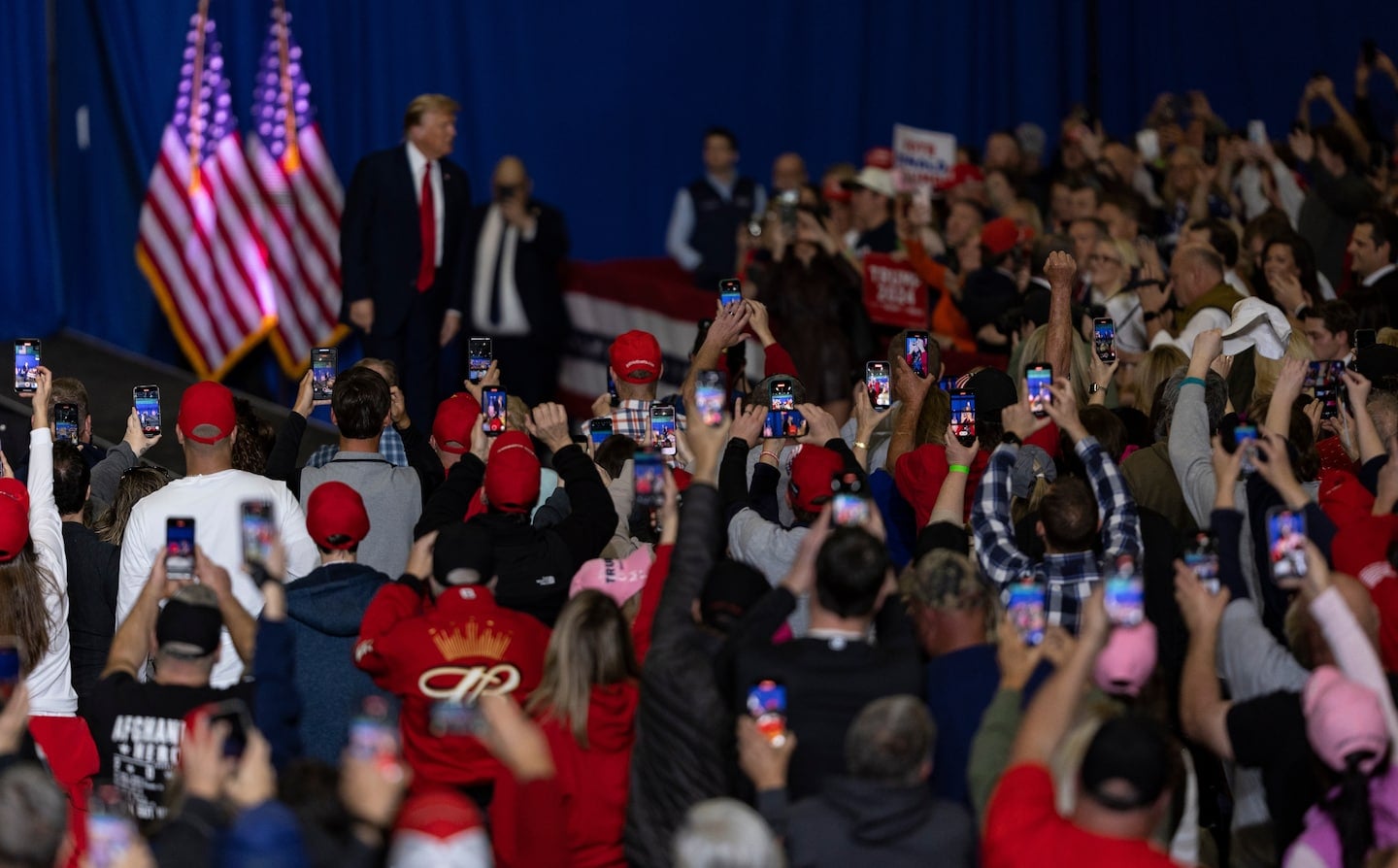
After Donald Trump's loss in the 2020 election, his small-dollar fundraising operation has seen a significant decline, with warnings from consultants about oversaturation and donors feeling exhausted. The Republican National Committee also faced budget problems due to decreased small-dollar donations, and the National Republican Senatorial Committee was disappointed by the low returns on their investment in the strategy. Trump's team is now re-energizing his base ahead of his trial in New York, but faces increased competition and changing donor behavior in the small-dollar fundraising space.
The rise of liberal video influencers on social media platforms like X has shifted the dynamics of political campaigning, with independent video-clippers like Rupar and the MeidasTouch team playing a crucial role in shaping campaign coverage by relentlessly seeking out and sharing viral moments from Trump interviews and rallies. The Biden campaign has also bolstered its rapid response team to share potentially viral videos, garnering one billion impressions since its relaunch. This shift highlights the natural advantages that online personalities have over traditional media and campaign accounts in shaping the news cycle and influencing public opinion.
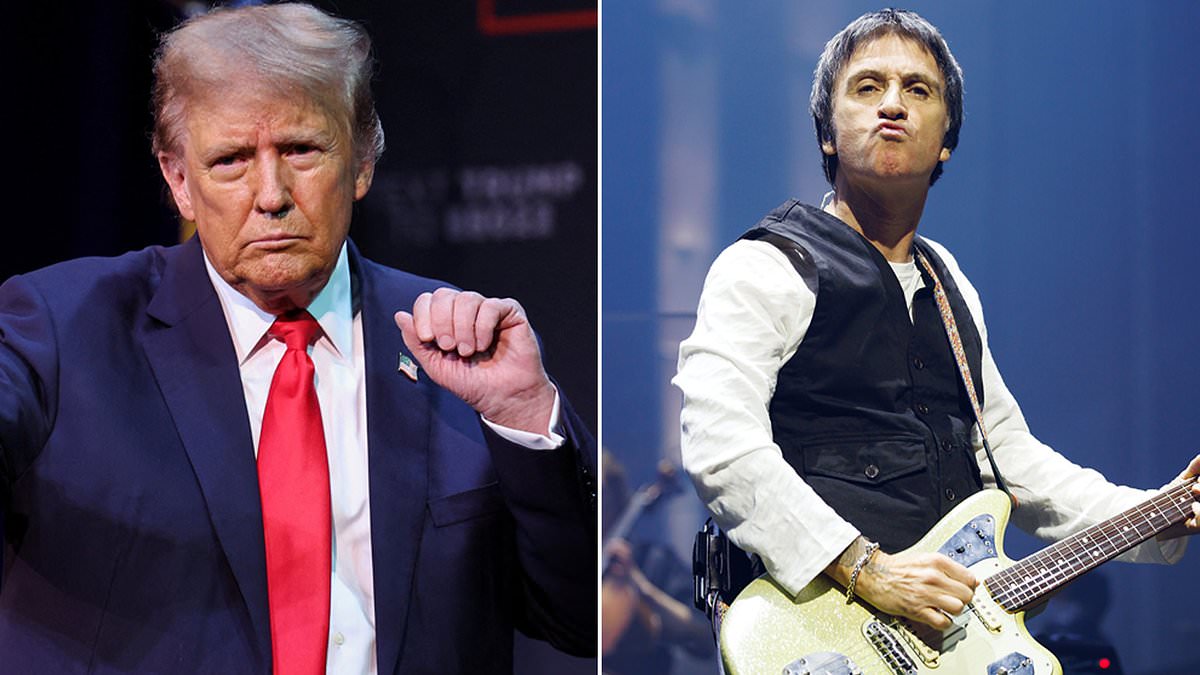
The Smiths' guitarist Johnny Marr shut down former President Donald Trump for using the band's song at a campaign event, joining a long list of musicians who have clashed with politicians over the unauthorized use of their music. From Eminem to Journey, artists have demanded that their songs not be used for political purposes, citing copyright infringement and expressing disapproval of the political messages associated with their music.
Meta, the owner of Facebook, has announced that it will prohibit political campaigns and advertisers in regulated industries from using its generative AI advertising products. The decision comes in response to concerns about the potential spread of election misinformation. Meta's advertising standards already prohibit ads with debunked content, but the company has now explicitly stated that advertisers in industries such as housing, employment, credit, social issues, elections, politics, health, pharmaceuticals, and financial services will not be allowed to use the generative AI features. This move is seen as one of the most significant AI policy choices in the industry, as other tech companies like Google have also launched similar AI ad tools but are taking steps to keep politics out of them.
OpenAI's language model, ChatGPT, has been found to violate its own rules by generating tailored political messages for specific voting demographics, despite a ban on political campaigns using the tool. The analysis by The Washington Post reveals that ChatGPT can instantly generate targeted campaigns, spreading tailored disinformation at an unprecedented scale. OpenAI acknowledged the violation but stated that it is working on building greater safety capabilities and exploring tools to detect misuse. The use of generative AI tools in political messaging allows for a paradigm shift in how politicians communicate with voters, potentially enabling the spread of targeted political falsehoods. Concerns over AI-generated media have prompted regulators to take action, but the enforcement gap in ChatGPT's ban on political campaigns raises concerns ahead of global elections.
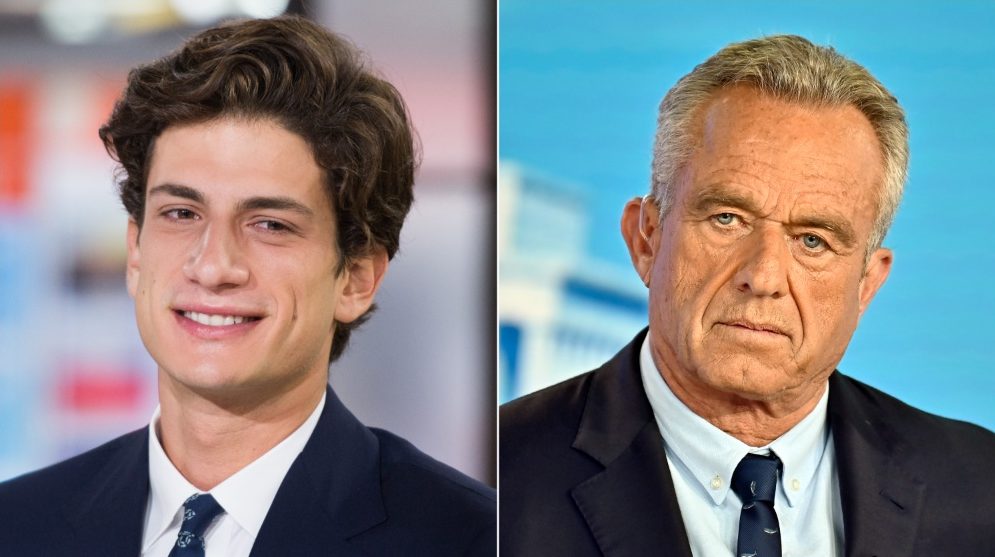
Jack Schlossberg, the youngest grandchild of the late President John F. Kennedy, made a rare public appearance in a social media video criticizing restaurants and their impact on health. While his video was seen as a fleeting moment, it reflects the Kennedy family's recent foray into viral fame. Meanwhile, Robert F. Kennedy Jr., Schlossberg's cousin, is running for the Democratic nomination for President with controversial policy positions and a campaign centered around attention-grabbing tactics. The article suggests that the Kennedys' approach to politics has evolved over the years, with the current generation focusing more on personal branding and self-promotion rather than presenting a vision for the nation.
Cheap and powerful AI tools can create fake images, videos, and audio that can fool voters and sway an election. Generative AI can produce targeted campaign emails, texts, or videos, impersonate candidates, and undermine elections on a scale and speed not yet seen. AI-generated political disinformation has already gone viral online ahead of the 2024 election. Legislation has been introduced to require candidates to label campaign advertisements created with AI. The use of deepfakes in political advertising has been condemned by a trade association for political consultants in Washington.
Cheap and powerful AI tools can create fake images, video, and audio that can fool voters and sway an election. Generative AI can produce targeted campaign emails, texts, or videos, impersonate candidates, and undermine elections on a scale and speed not yet seen. AI-generated political disinformation has already gone viral online ahead of the 2024 election. Legislation has been introduced to require candidates to label campaign advertisements created with AI. The use of deepfakes in political advertising has been condemned by a trade association for political consultants in Washington.
Cheap and powerful AI tools can create fake images, videos, and audio that can fool voters and sway an election. Generative AI can produce targeted campaign emails, texts, or videos, impersonate candidates, and undermine elections on a scale and speed not yet seen. Legislation has been introduced to require candidates to label campaign advertisements created with AI. The use of deepfakes in political advertising has been condemned by a trade association for political consultants in Washington. AI can also be used to automate tasks such as targeting voters on social media or tracking down donors.
Allies of Florida Governor Ron DeSantis are gaining confidence as former President Donald Trump faces legal challenges, with some Republicans preferring DeSantis as a presidential candidate. DeSantis' team believes he holds a position of strength among Republican voters, and his growing coalition is eager to highlight the contrast between the two men. While Trump fights to undermine DeSantis, his strongest Republican rival, DeSantis is more disciplined and hyperfocused on enacting conservative policies. Trump's mounting legal challenges could lead to another Republican disappointment in 2024, and DeSantis' team is confident that primary voters will view Trump's legal challenges as an acute reminder of his extraordinary baggage.