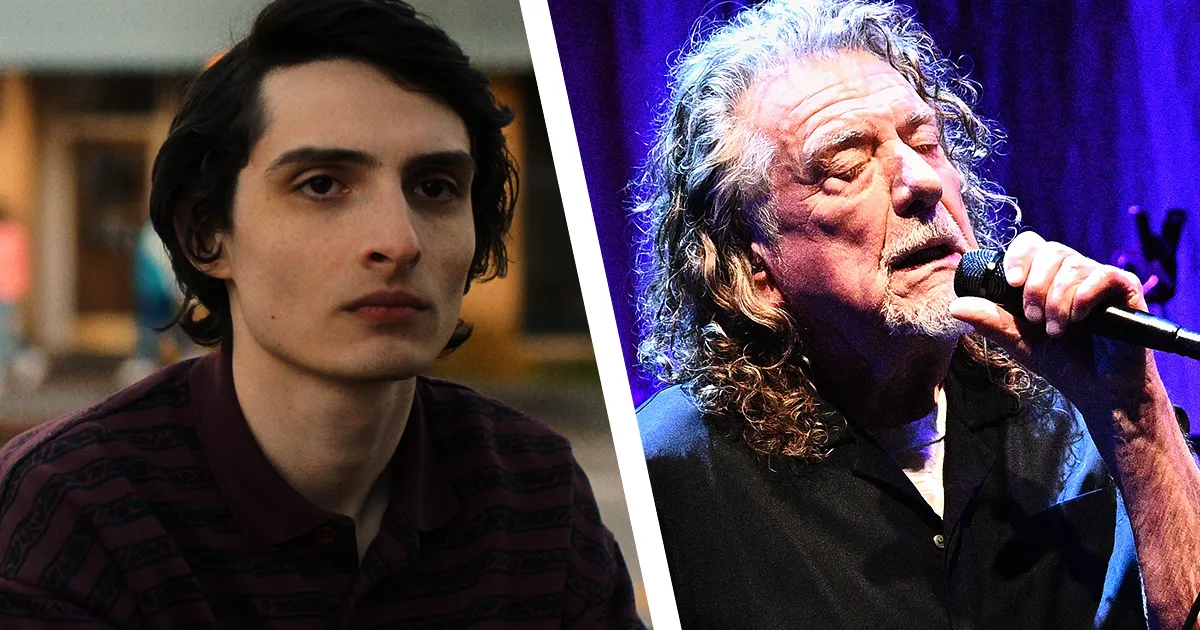
Stranger Things considered licensing Led Zeppelin's 'Stairway to Heaven' for its finale but was ultimately unable due to the band's strict licensing policies, highlighting the challenges of securing iconic rock songs for TV use.
Universal Music Group has settled its copyright infringement lawsuit against AI music platform Udio, and they will collaborate on a new licensed AI music platform launching in 2026, aiming to create a protected environment for music creation and streaming while expanding revenue opportunities for artists and songwriters.
UMG and AI music company Udio have reached a strategic agreement ending their lawsuit over copyright infringement, with UMG licensing its music assets to Udio and collaborating on a new AI-powered music platform set to launch in 2026, offering a protected environment for music creation and engagement.
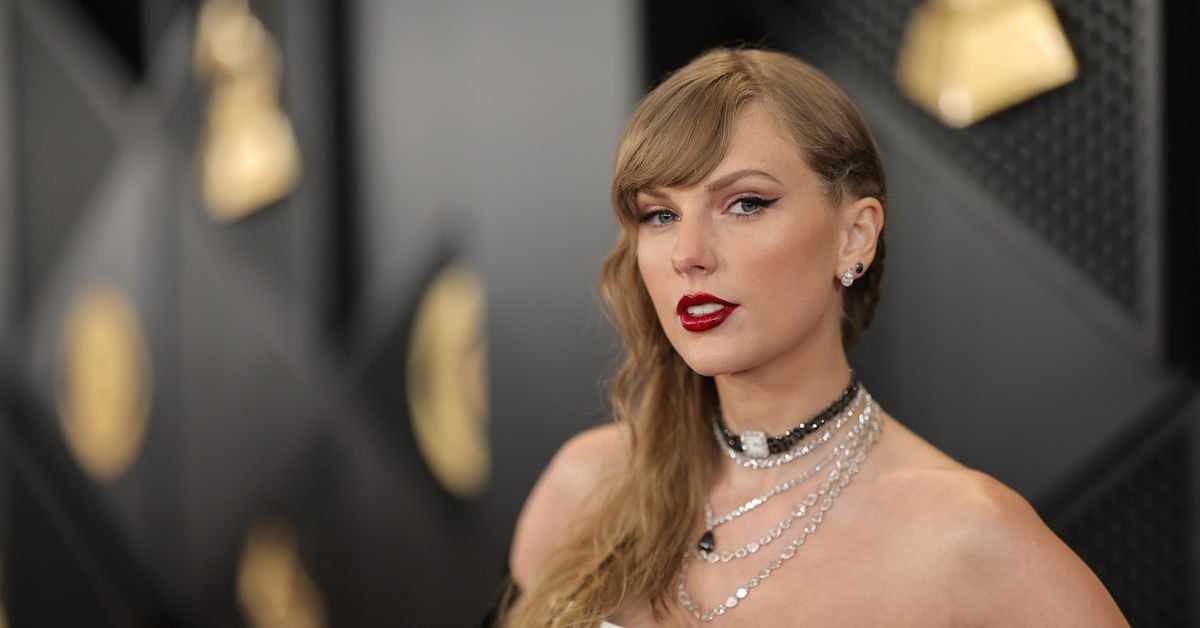
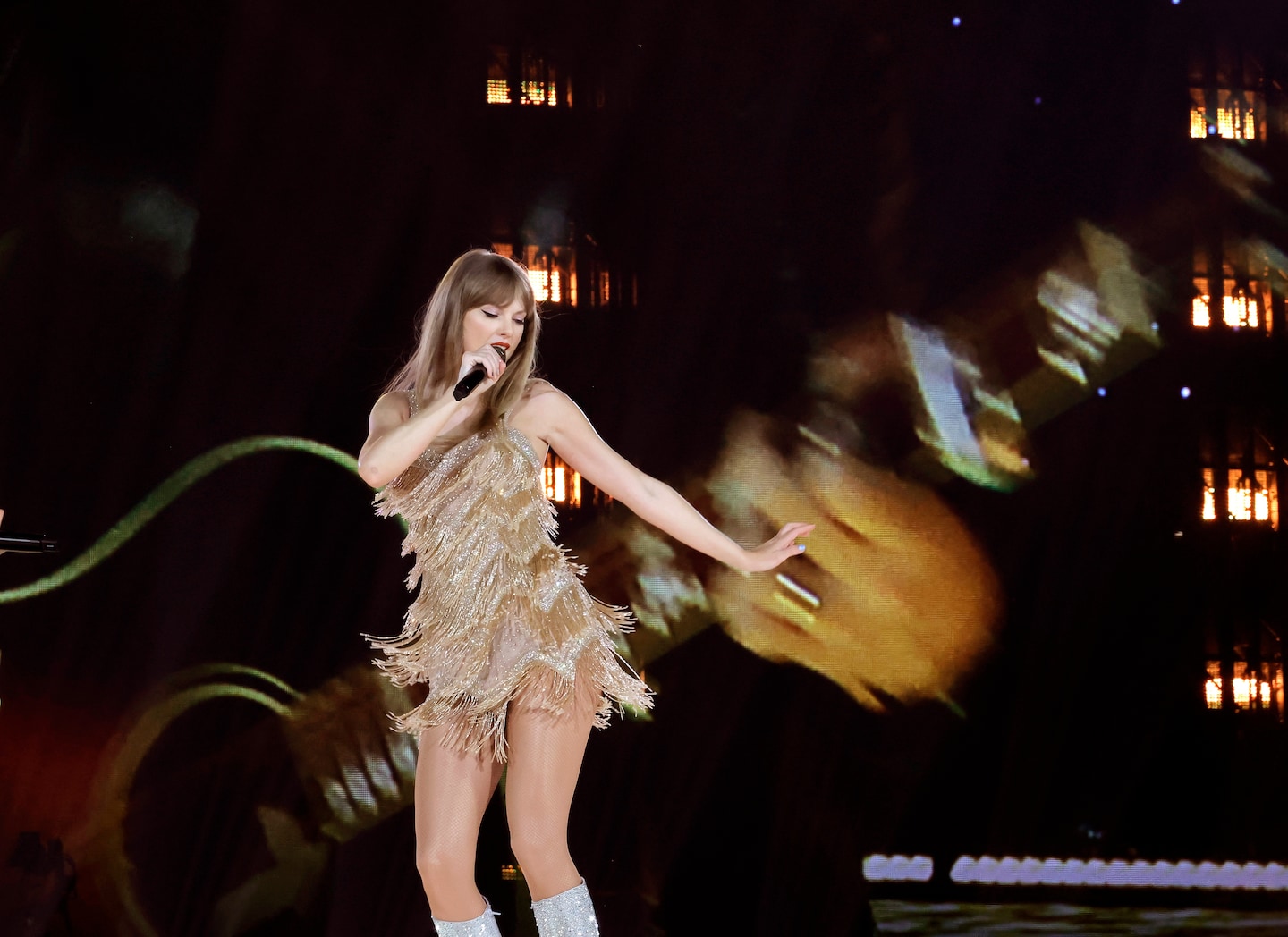
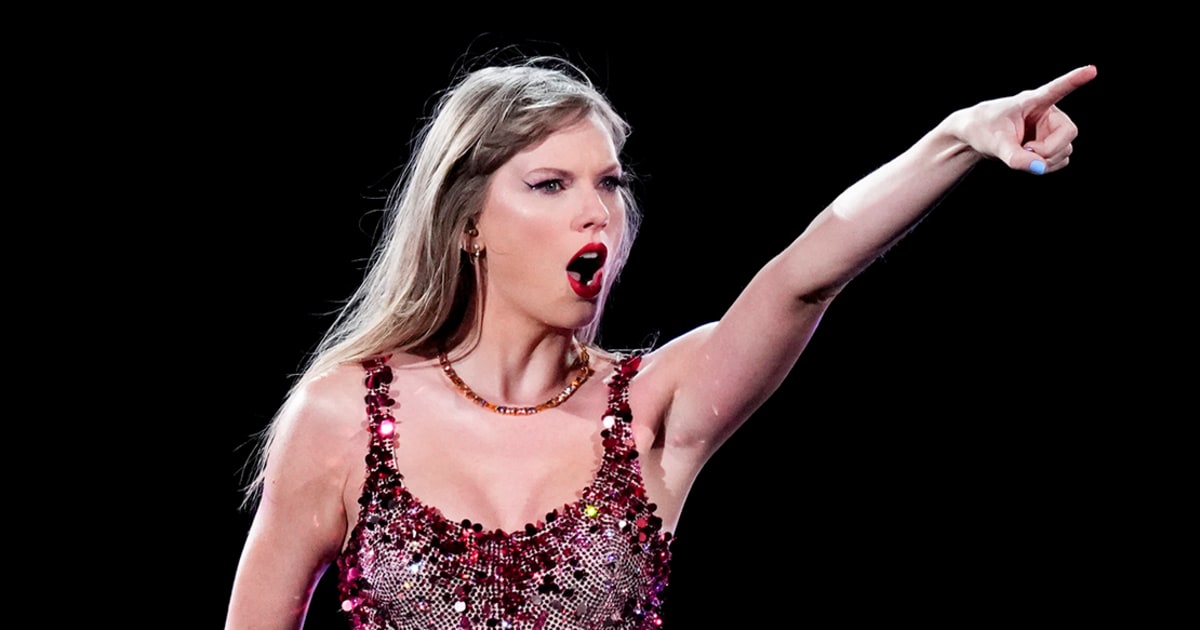
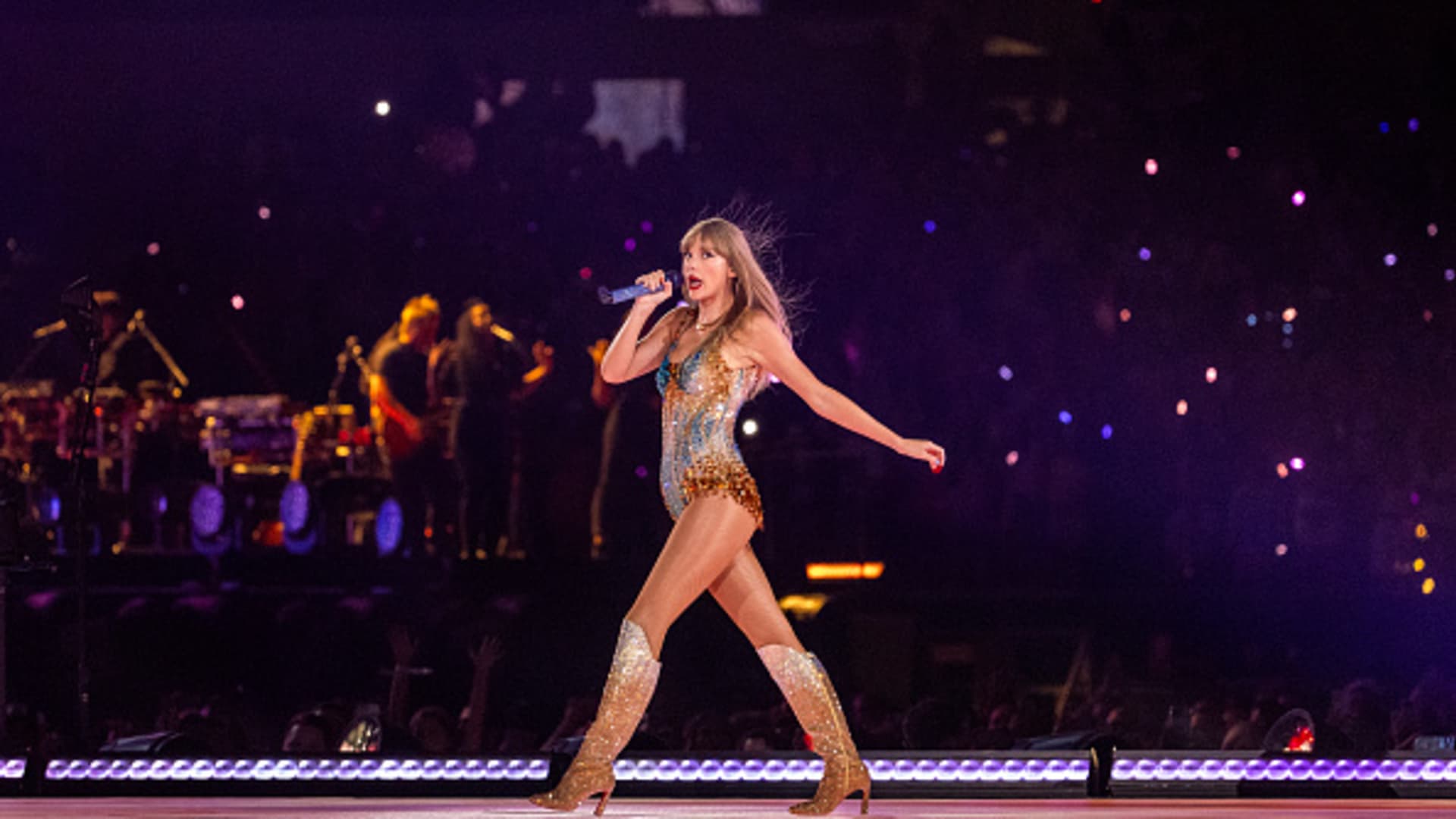
Taylor Swift owning both the original and re-recorded versions of four albums from Big Machine presents multiple monetization opportunities, including licensing and anniversary reissues, while allowing her to maximize revenue and control over her catalog.
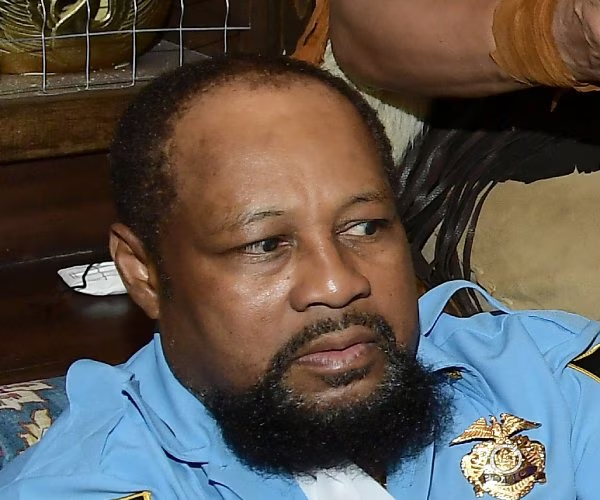
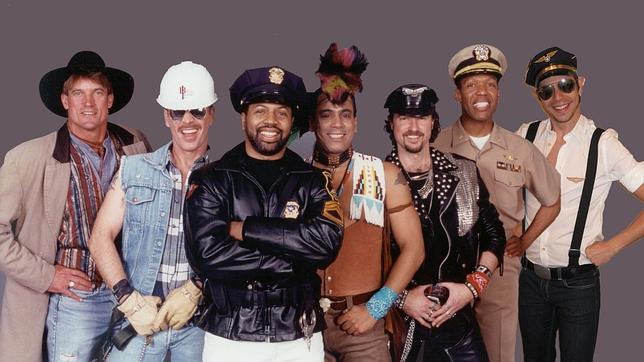
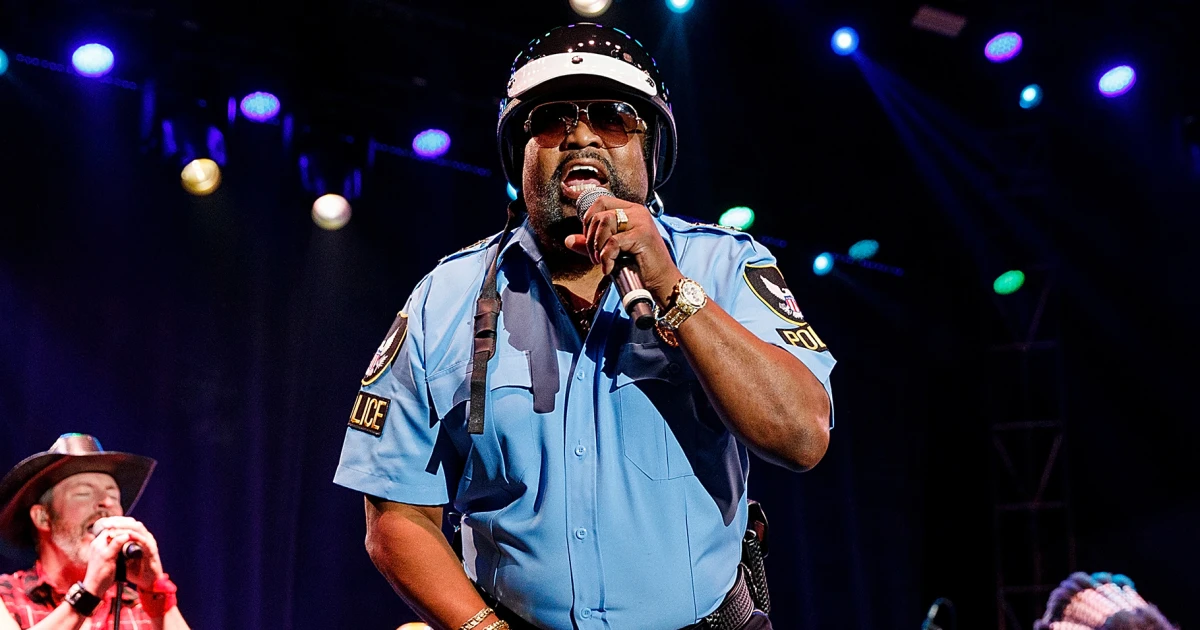
Victor Willis, a founding member of the Village People, defended Donald Trump's use of "Y.M.C.A." at campaign rallies, stating that Trump had the necessary BMI license and genuinely enjoyed the song. Willis chose not to withdraw permissions, noting the financial benefits and clarifying that the song is not a "gay anthem," but appeals to a broad audience, including Trump.
Victor Willis, the writer of "YMCA," clarifies that the song is not gay-themed, despite popular belief. He expresses gratitude for Donald Trump's use of the song at rallies, which has reportedly generated millions in revenue. Willis plans to take legal action against those who label the song as a gay anthem, emphasizing that it was inspired by activities at the YMCA unrelated to gay culture.
Victor Willis of the Village People thanked Donald Trump for using "Y.M.C.A." at his rallies, despite initial objections, due to the song's increased popularity and financial benefits. Willis clarified that "Y.M.C.A." is not a gay anthem, countering assumptions based on the group's history and the song's associations. He emphasized the song's universal appeal and warned against labeling it as a gay anthem, threatening legal action against such claims starting in 2025.
Victor Willis, singer and co-writer of "Y.M.C.A." from the Village People, defended Donald Trump's use of the song at campaign rallies, clarifying that it was not intended as a "gay anthem." Despite receiving complaints, Willis allowed Trump to continue using the song due to the financial benefits, as it boosted the song's popularity. Willis emphasized that the song's association with gay culture is a misconception and plans to take legal action against media outlets labeling it as a gay anthem.
Taylor Swift's music has returned to TikTok after being removed due to a licensing dispute between Universal Music Group (UMG) and TikTok. It's unclear how Swift's music made its way back, but it's possible she struck a separate deal with TikTok as she owns her masters. The removal of UMG artists' music from TikTok had a significant impact on the platform, affecting countless videos and viral dances. Despite reported dismal royalty payments, TikTok remains a crucial platform for music discovery, and the return of Swift's music coincides with the upcoming release of her new album.
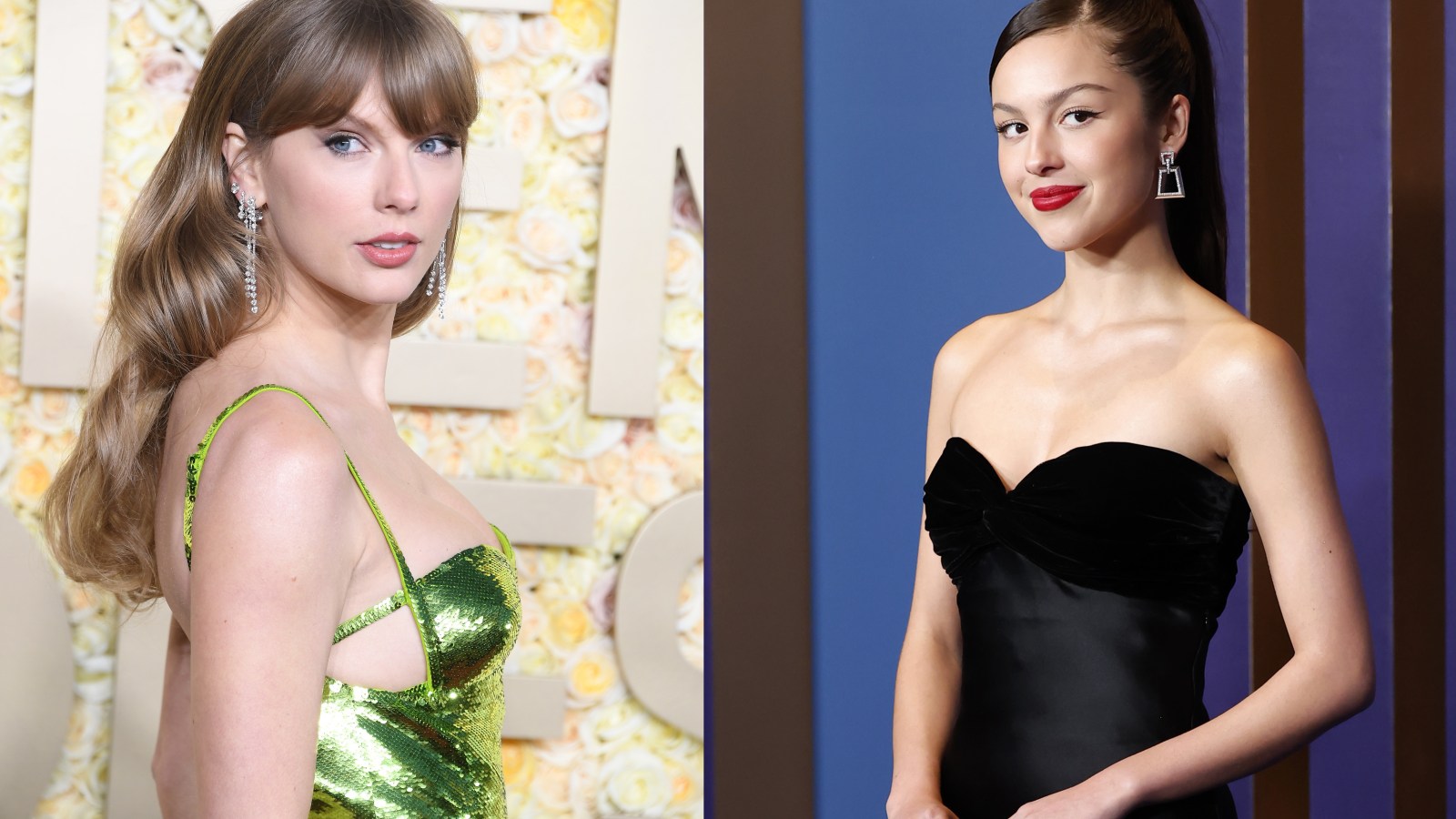
Universal Music Group has removed its artists' music from TikTok after failed negotiations over a new licensing deal, causing popular songs by Taylor Swift, Olivia Rodrigo, and others to vanish from the platform. Fans are expressing frustration and disappointment, with some questioning whether they were silenced. While some direct their ire at TikTok, others believe UMG should allow individual artists to decide on the deal. UMG claims TikTok offered inadequate compensation and allowed AI-generated recordings, while TikTok accuses UMG of prioritizing greed over artists' interests.
Universal Music Group is pulling its music from TikTok due to a contract dispute, accusing the platform of being a "bully" and not willing to pay a fair rate for music use. TikTok responded, accusing Universal of prioritizing greed over artists' interests. The dispute revolves around compensation for artists and songwriters, the impact of artificial intelligence, and online safety. Universal's decision will affect popular artists like Taylor Swift, Drake, and Adele, and raises concerns about AI-generated music and online content moderation on the platform.
Universal Music Group is set to remove its artists' music from TikTok due to failed negotiations over compensation for artists and songwriters. UMG claims that TikTok proposed paying a fraction of the rate that other major social platforms pay, while TikTok accuses UMG of prioritizing greed over the interests of artists and songwriters. UMG also expresses concerns about copyright infringement, hate speech, and bullying on the platform. Despite TikTok's ability to sign deals with other major music labels, UMG is moving forward with the removal of its music from the platform.
Universal Music Group (UMG) has announced that it will stop licensing its music to TikTok, accusing the social media platform of bullying and intimidation during contract negotiations. UMG cited issues including fair compensation for artists and songwriters, protection from AI-generated music, and online safety. TikTok responded, accusing UMG of prioritizing greed over the interests of its artists and songwriters. The dispute highlights the challenges the music industry faces with the rise of AI-generated music and the negotiation of fair compensation in the digital era.
Universal Music Group is threatening to remove its song catalog from TikTok as the companies have failed to reach an agreement on issues such as artist compensation and AI. In a scathing open letter, UMG accused TikTok of attempting to bully and intimidate them into accepting a deal worth less than fair market value. TikTok, in response, accused UMG of prioritizing greed over the interests of their artists and songwriters. The dispute also involves concerns about AI-generated music flooding the platform. If an agreement is not reached, UMG's songs will be removed from TikTok once the current deal expires.
Universal Music is planning to remove its songs from TikTok after negotiations over music licensing fees broke down. The move comes as Universal seeks to secure better terms for its artists' music on digital platforms, reflecting the ongoing tension between music labels and tech companies over fair compensation for music streaming.