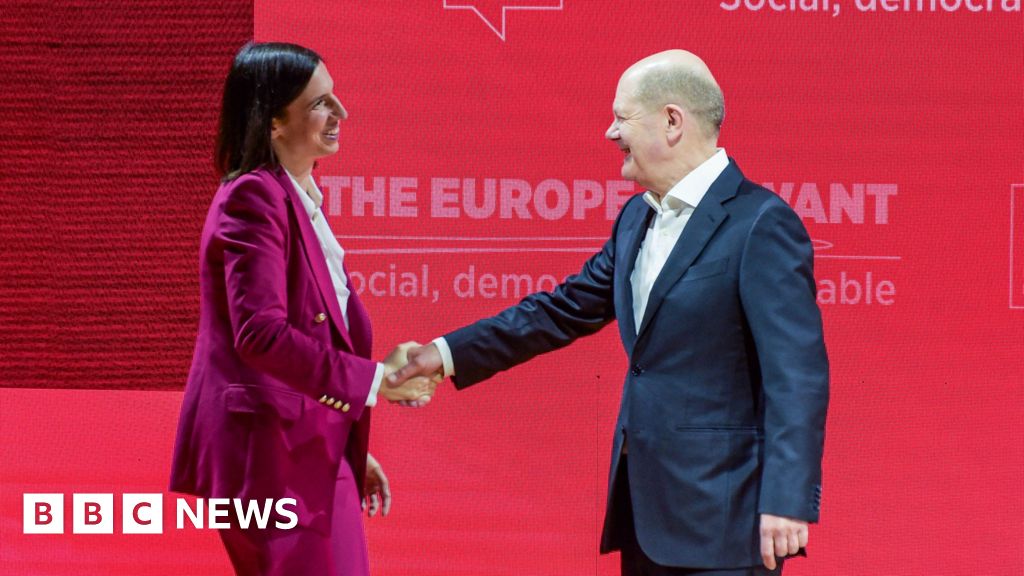
European centre-left leaders, including Spain's Pedro Sánchez, are struggling to counter the rising influence of right-wing and far-right parties ahead of the EU elections. With only four EU member states currently led by centre-left or left-wing parties, the outlook is bleak. Analysts attribute the decline to a shift away from traditional socialist ideas and a failure to address key voter concerns. Despite some new hopefuls like France's Raphaël Glucksmann, the centre-left faces significant challenges in maintaining its influence in the European Parliament.
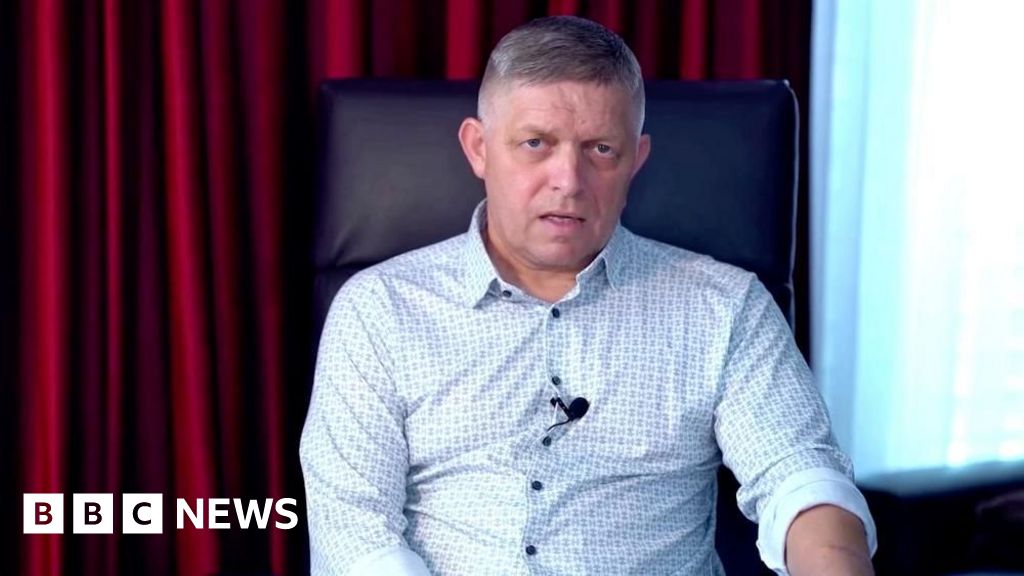
Slovak Prime Minister Robert Fico, who was critically injured in a shooting three weeks ago, has blamed the liberal opposition, anti-government media, and foreign-funded NGOs for creating a climate of hatred that led to the attack. Fico, who forgave his attacker, accused the opposition of inciting political hatred. The opposition has condemned the shooting and denied any links to the assailant. The incident has heightened political tensions in Slovakia ahead of the European Parliament elections.
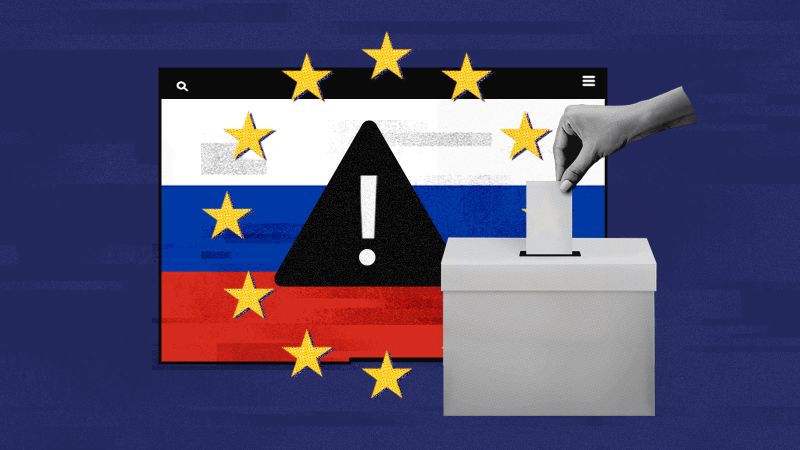
Russian disinformation campaigns are increasingly sophisticated, using AI and deepfakes to spread false narratives ahead of the European elections. These efforts aim to sow division and undermine the EU's climate policies, with fake stories targeting issues like energy security and agricultural reforms. Despite efforts by the EU and social media companies to counteract this disinformation, the campaigns are impacting public opinion and political outcomes, threatening the EU's climate goals and influencing election results.
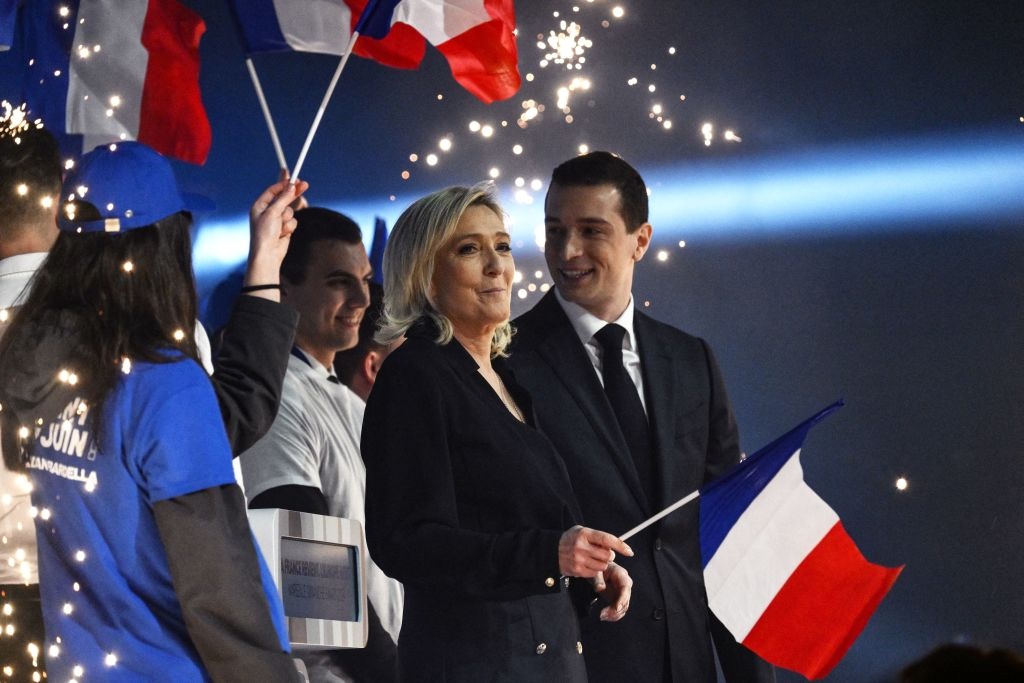
As France approaches the European elections, the left-wing coalition NUPES is fracturing, with its constituent parties running separate lists. This division comes amid rampant inflation, social grievances, and a significant rise in far-right support, particularly for Marine Le Pen's Rassemblement National. Internal conflicts within the left, exacerbated by differing stances on international issues like the Israel-Gaza conflict, have further weakened their unity. Meanwhile, the far right is capitalizing on the discontent and division, gaining momentum in the polls.
The upcoming European Parliament elections will reflect diverse national sentiments across 27 countries, with significant gains expected for right and far-right parties. Key issues include the rise of young far-right leaders in France, Belgium's potential dissolution, Poland's focus on national security amid Russia's war, and muted campaigns in Slovakia following an assassination attempt. Other notable developments include Austria's far-right surge, Italy's Giorgia Meloni solidifying her position, Germany's Scholz facing criticism over Ukraine, Hungary's Orban challenged by a new party, Spain's conservatives pressuring PM Sánchez, the Netherlands' political polarization, and Denmark's election as a test for its government.
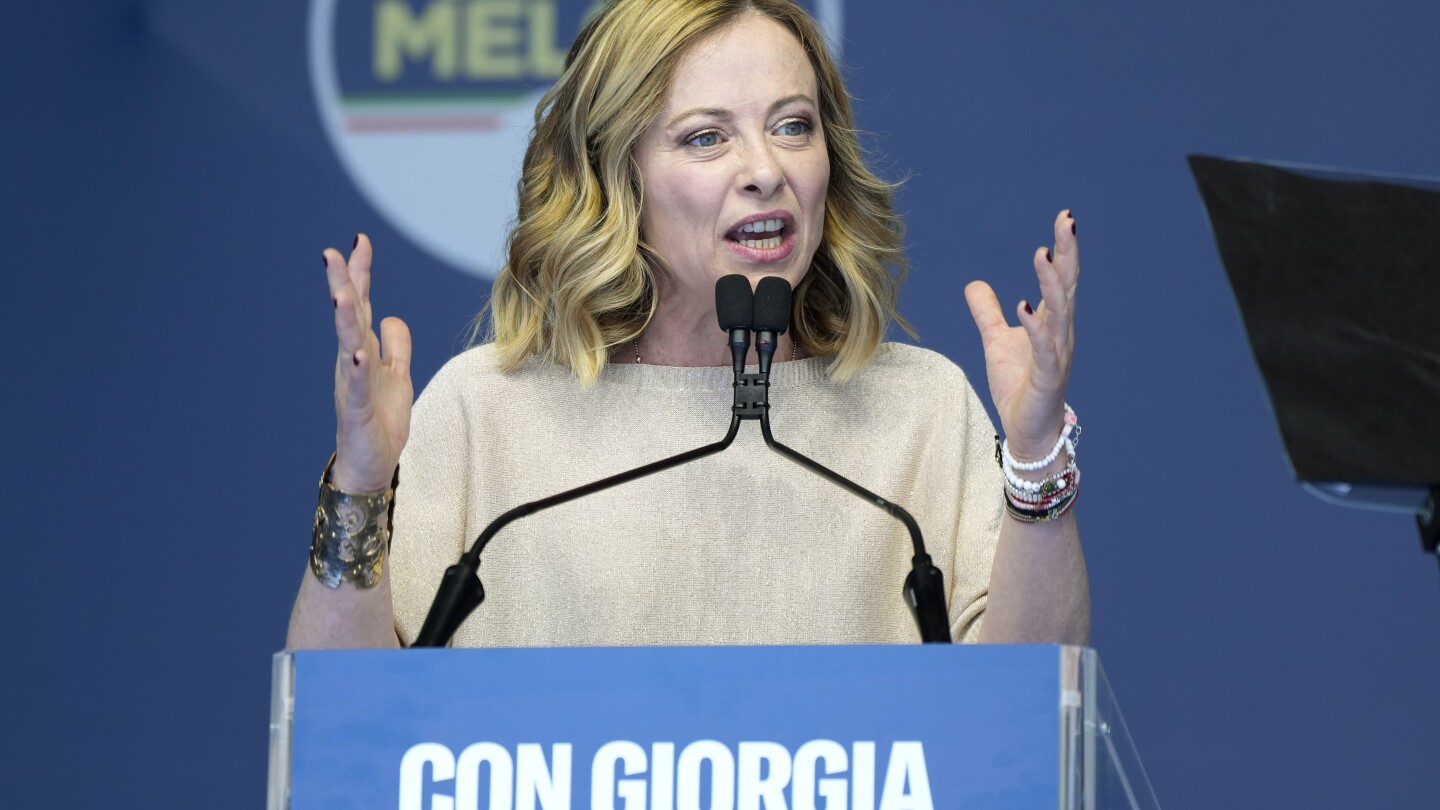
Italian Premier Giorgia Meloni's far-right Brothers of Italy party is poised for significant gains in the upcoming European parliamentary elections, potentially influencing EU politics. While Meloni maintains a pro-Western foreign policy, her domestic agenda focuses on right-wing cultural issues, raising concerns among opposition leaders and activists. The election results could reveal the extent of her ideological stance and impact on Italy's future policies.
The rise of hard-right populist parties in Europe, such as those led by Marine Le Pen in France and Viktor Orban in Hungary, threatens the continent's political stability ahead of the European elections in June. Despite some improvements since Brexit and the pandemic, ongoing issues like the war in Ukraine and internal EU disputes could lead to political gridlock and a period of rudderlessness in Brussels.
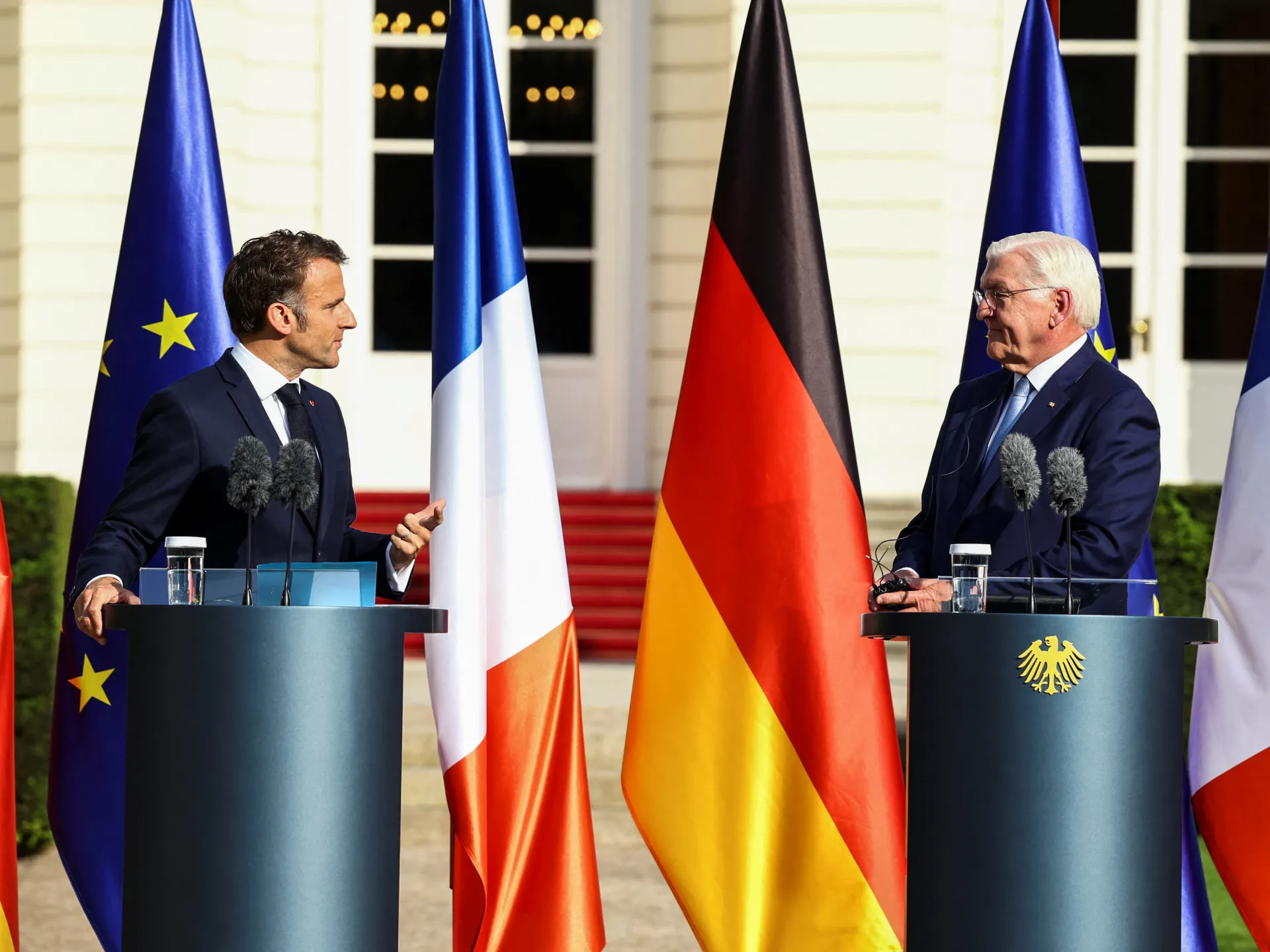
French President Emmanuel Macron has begun a rare state visit to Germany to strengthen Franco-German ties and emphasize the importance of defending democracy ahead of the European elections. Macron and German President Frank-Walter Steinmeier highlighted the enduring significance of their relationship for Europe, despite occasional policy disagreements. Both leaders stressed the need for European citizens to carefully consider their votes in the upcoming elections, amid rising nationalist sentiments. The visit also aims to commemorate the historic post-war relationship between the two nations.
Far-right parties in Europe are gaining momentum ahead of the European elections in June, with leaders like Italy's Giorgia Meloni and France's Marine Le Pen aiming to expand their influence. Despite internal divisions and scandals, such as those involving Germany's AfD, these parties could secure a significant presence in the European Parliament. Meloni's European Conservatives and Reformists (ECR) group may even align with the center-right European People's Party, potentially shifting EU policies on issues like migration and green initiatives.
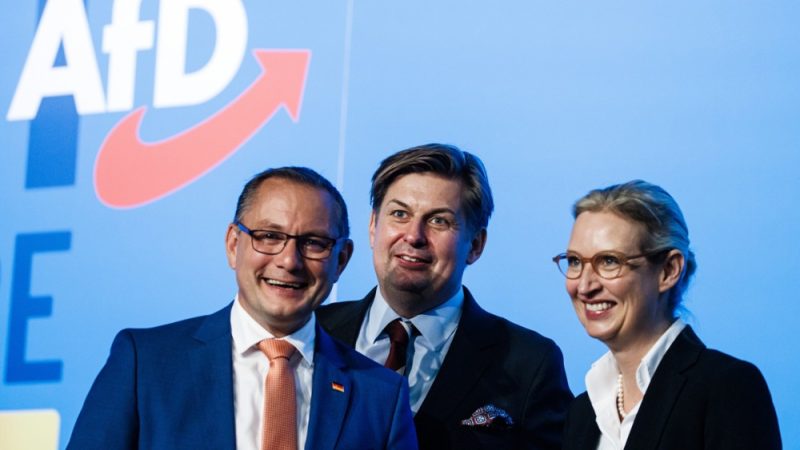
Germany's far-right AfD party bans its lead candidate for the European election, Maximilian Krah, from campaigning after controversial statements about the Nazi SS, and amid scrutiny for suspicious links to Russia and China. The party has faced intense scrutiny and protests, including being kept under surveillance as a potentially extremist party, as right-wing and euroskeptic parties are expected to win a record number of votes in the upcoming European Parliament elections.
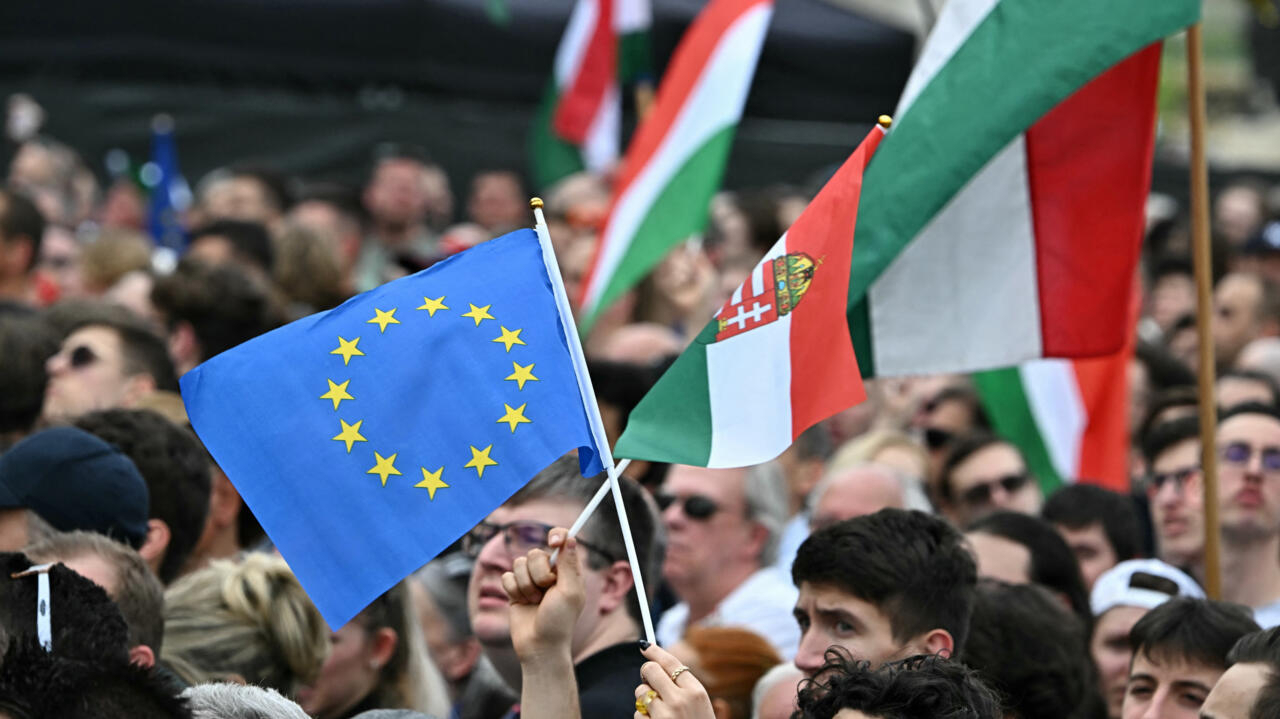
Tens of thousands of protestors gathered in Budapest in support of lawyer Peter Magyar, a critic of Hungarian Prime Minister Viktor Orban, who plans to challenge Orban's leadership by forming a new political party. Magyar, a former insider, has gained prominence over a child abuse scandal involving Orban's ex-justice minister. The protest reflects growing discontent with Orban's government, with many expressing support for Magyar's initiative as a potential alternative to the current opposition. Orban is facing significant political challenges, including a recent scandal involving a presidential pardon for a convicted child abuser, as well as ongoing tensions with the EU and NATO over issues such as press freedom and ties to Russia.
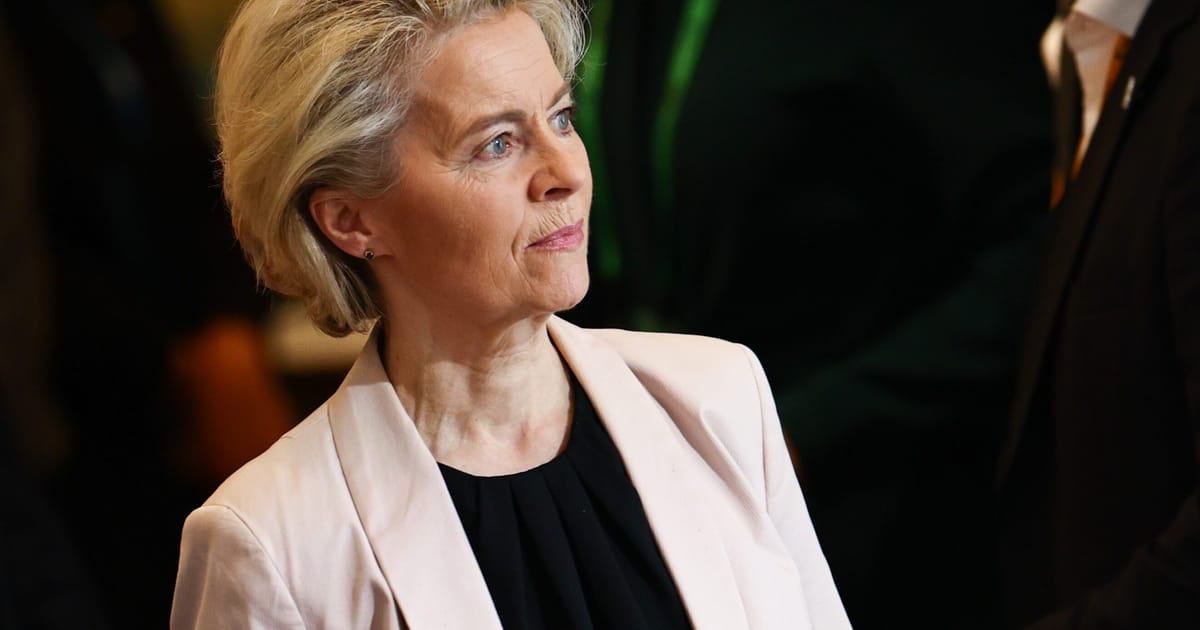
Ursula von der Leyen has announced her bid for a second term as the President of the European Commission, while France's National Rally, led by Marine Le Pen, plans to form alliances with conservatives and the center-right in the European Parliament. Additionally, a poll shows the French far right poised for a record surge in the EU election, posing a challenge for centrist parties. In other news, Russian President Putin told Tucker Carlson in an interview that the Ukraine war could be over in a few weeks, and there are no current plans for the EU to sanction Carlson over the interview.
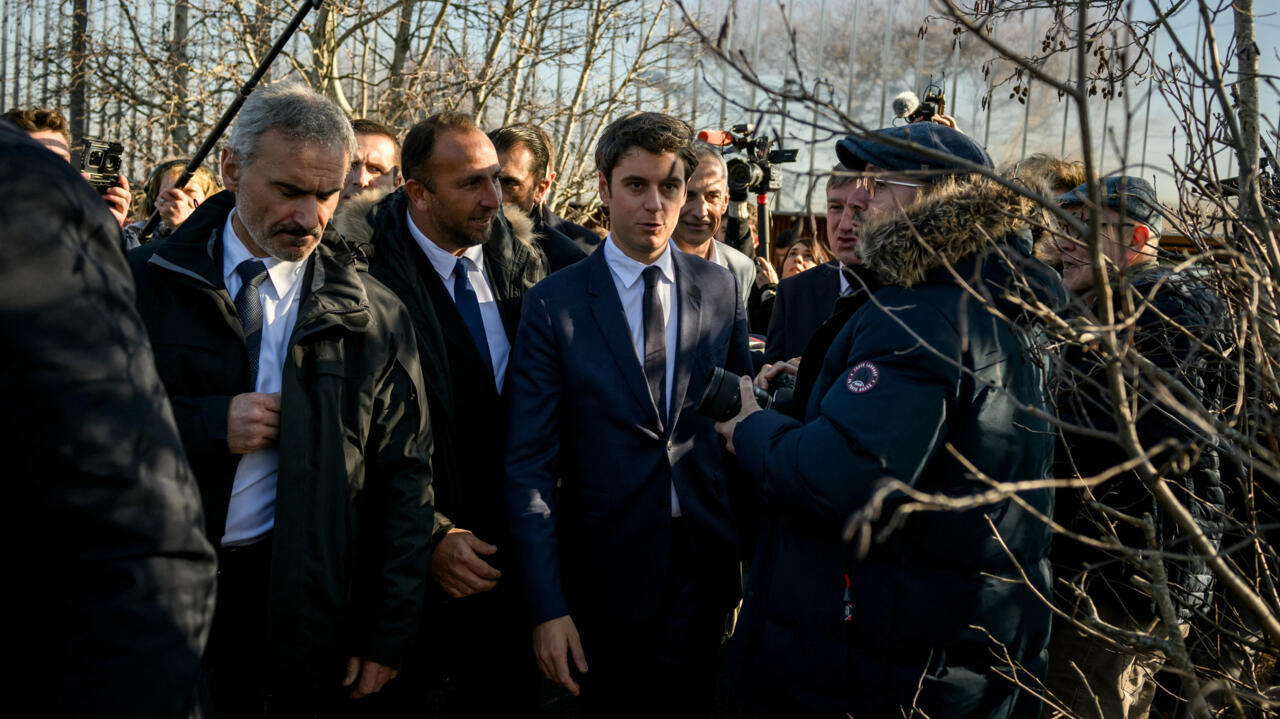
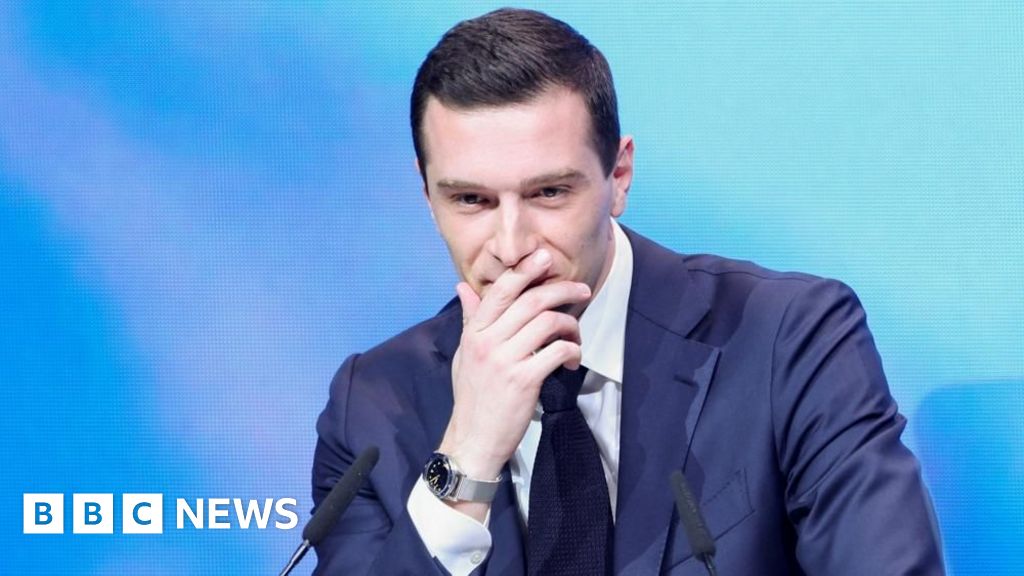
French Prime Minister Gabriel Attal and far-right National Rally member Jordan Bardella are attempting to address the grievances of angry farmers ahead of the European elections, with both politicians expressing sympathy for the agricultural sector's challenges. Farmers are protesting rising costs, strict regulations, and unfair competition, with some resorting to blockades and demonstrations. The government has instructed officials to engage with farmers, and plans to present initiatives to support the next generation of farmers, but these efforts have already faced criticism from the sector.
Researchers from AlgorithmWatch found that Microsoft's chatbot, Bing Chat (now known as Copilot), provided false and misleading information about recent European elections. The study revealed that one-third of Bing's answers to election-related questions contained factual errors, with safeguards not consistently applied. The responses included fake controversies, wrong election dates, incorrect polling numbers, and even candidates who were not running in the elections. Bing also evaded questioning 39% of the time and performed worse in languages other than English. Microsoft stated that it is taking steps to improve its conversational AI platforms, particularly ahead of the 2024 US elections, and encourages users to exercise judgment when viewing results.
The German far-right party, Alternative for Germany (AfD), has labeled the EU a "failed project" and called for its re-establishment as a 'Confederation of European Nations' in its EU election program. While the party's previous positions called for the dissolution of the EU, a softer approach was adopted to appeal to a broader voter base. The AfD has also strengthened its collaboration with other far-right parties by joining the Identity and Democracy Party (ID). The party's election program has received strong reactions, with the leader of the European People's Party (EPP) calling it a "declaration of war against the Union."