OpenAI began testing ads in ChatGPT for Free and Go users, with Plus/Pro subscribers spared for now; ads will be clearly labeled and not influence answers, though they may be targeted by chat history. Anthropic criticizes the plan as potentially harming usefulness and engagement, while OpenAI argues ads are a sustainable way to support free access.
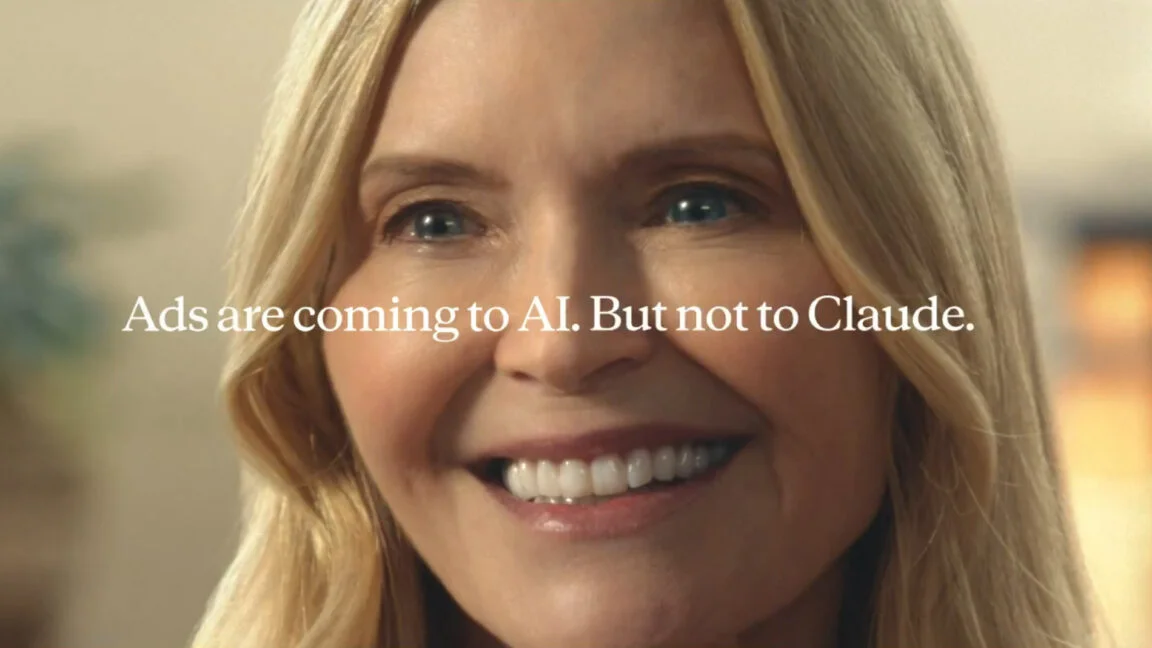
OpenAI CEO Sam Altman and CMO Kate Rouch slam Anthropic's new Super Bowl ads as dishonest and authoritarian, while Anthropic defends its 'A Time and a Place' campaign that mocks advertising in AI chats. OpenAI says its planned ads will appear as banners at the bottom of ChatGPT responses without altering answers, though Anthropic argues ads in AI are inevitable. The dispute unfolds amid fierce competition and different monetization models between the two firms, with OpenAI leveraging large-scale infrastructure and Anthropic focusing on enterprise subscriptions.
OpenAI CEO Sam Altman blasted rival Anthropic in a lengthy X post over the latter’s Super Bowl ads, calling them dishonest and deceptive and triggering online ridicule that compared his tirade to a tantrum; Anthropic’s ads satire targets AI ad debates while asserting a free-access, broadly available AI agenda.
OpenAI CEO Sam Altman has declared a 'code red' for ChatGPT, delaying plans to introduce advertising and focusing instead on improving ChatGPT's capabilities, personalization, and reliability to stay competitive with Google and Anthropic. The company aims to enhance user experience and expand access while avoiding losing users to rivals, with a new reasoning model expected soon.
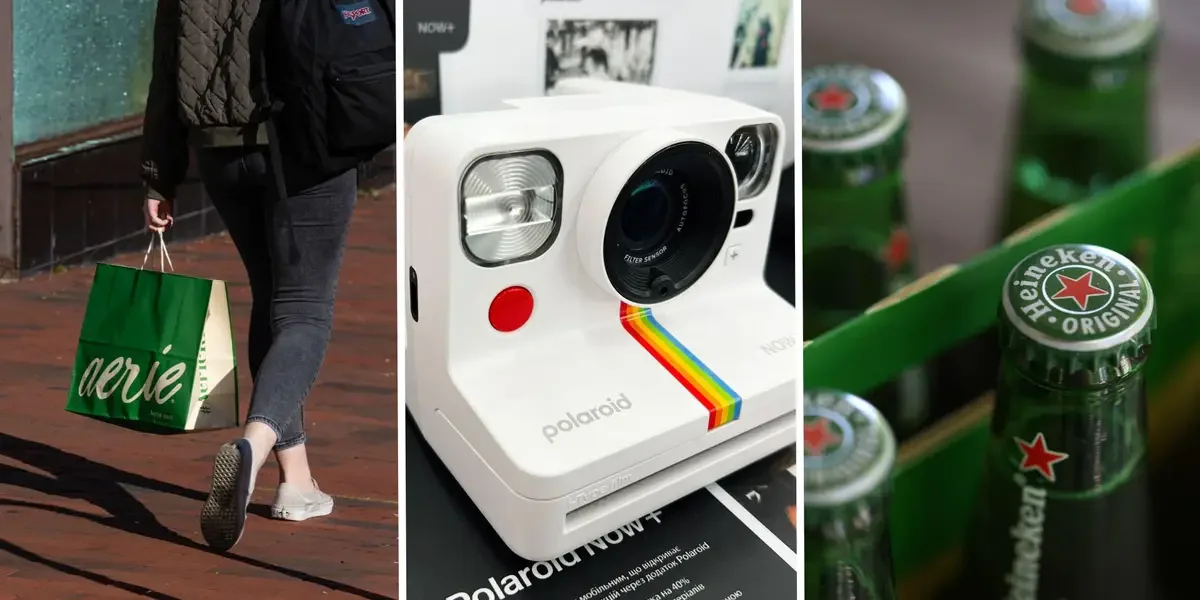
Some major brands like Heineken, Aerie, and Polaroid are adopting anti-AI advertising strategies to appeal to consumers' desire for authenticity and to counteract the perceived coldness and inauthenticity of AI-generated content, amid growing consumer skepticism and concerns about AI's societal impact.
Nexon has faced criticism for using AI-generated ads that mimic real content creators to promote The First Descendant, instead of featuring actual players, which has disappointed the game's community and raised ethical concerns about AI in marketing.
A 30-second AI-generated ad for Kalshi, created in just two days with a cost under $2,000, has gained over 3 million views and is raising questions about AI's role in the future of advertising, including cost savings and creative possibilities, while also highlighting ongoing debates about consumer perception and the importance of human connection.
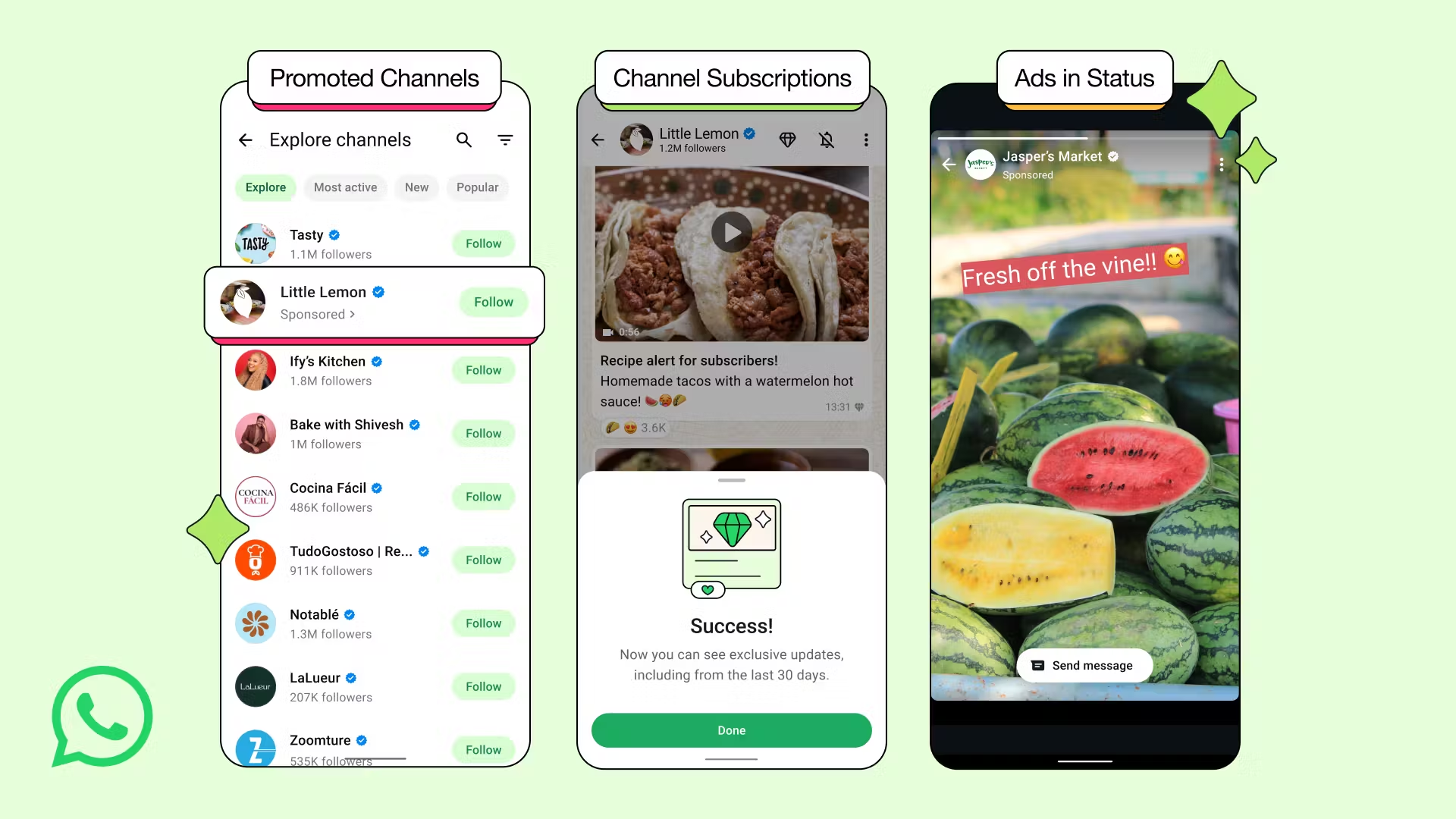
Meta is introducing ads in the Updates tab of WhatsApp for the first time, aiming to monetize its popular messaging app without affecting personal messages, as part of its broader push into AI-driven advertising innovations. The move has positively impacted Meta's stock and reflects its focus on automating ad creation to support small businesses, amidst ongoing industry debates and regulatory scrutiny over advertising practices.
Kalshi aired a $2,000 AI-generated ad during the NBA Finals, created using Google's Veo 3 text-to-video generator, showcasing bizarre scenes related to betting and current events, highlighting the growing use of AI in advertising.
Meta Platforms' stock reached a three-month high after reports that the company is developing AI tools to fully automate ad creation, potentially transforming digital advertising and impacting major ad firms. Meanwhile, advertising stocks like Omnicom, WPP, and Interpublic declined, reflecting mixed market reactions to Meta's advancements.
Meta aims to fully automate advertising using AI by 2026, enabling brands to create and target ads automatically with personalized variations and real-time adjustments, as part of its broader strategy to enhance ad efficiency and compete in the digital marketing space.
Meta, the owner of Facebook, has announced that it will prohibit political campaigns and advertisers in regulated industries from using its generative AI advertising products. The decision comes in response to concerns about the potential spread of election misinformation. Meta's advertising standards already prohibit ads with debunked content, but the company has now explicitly stated that advertisers in industries such as housing, employment, credit, social issues, elections, politics, health, pharmaceuticals, and financial services will not be allowed to use the generative AI features. This move is seen as one of the most significant AI policy choices in the industry, as other tech companies like Google have also launched similar AI ad tools but are taking steps to keep politics out of them.