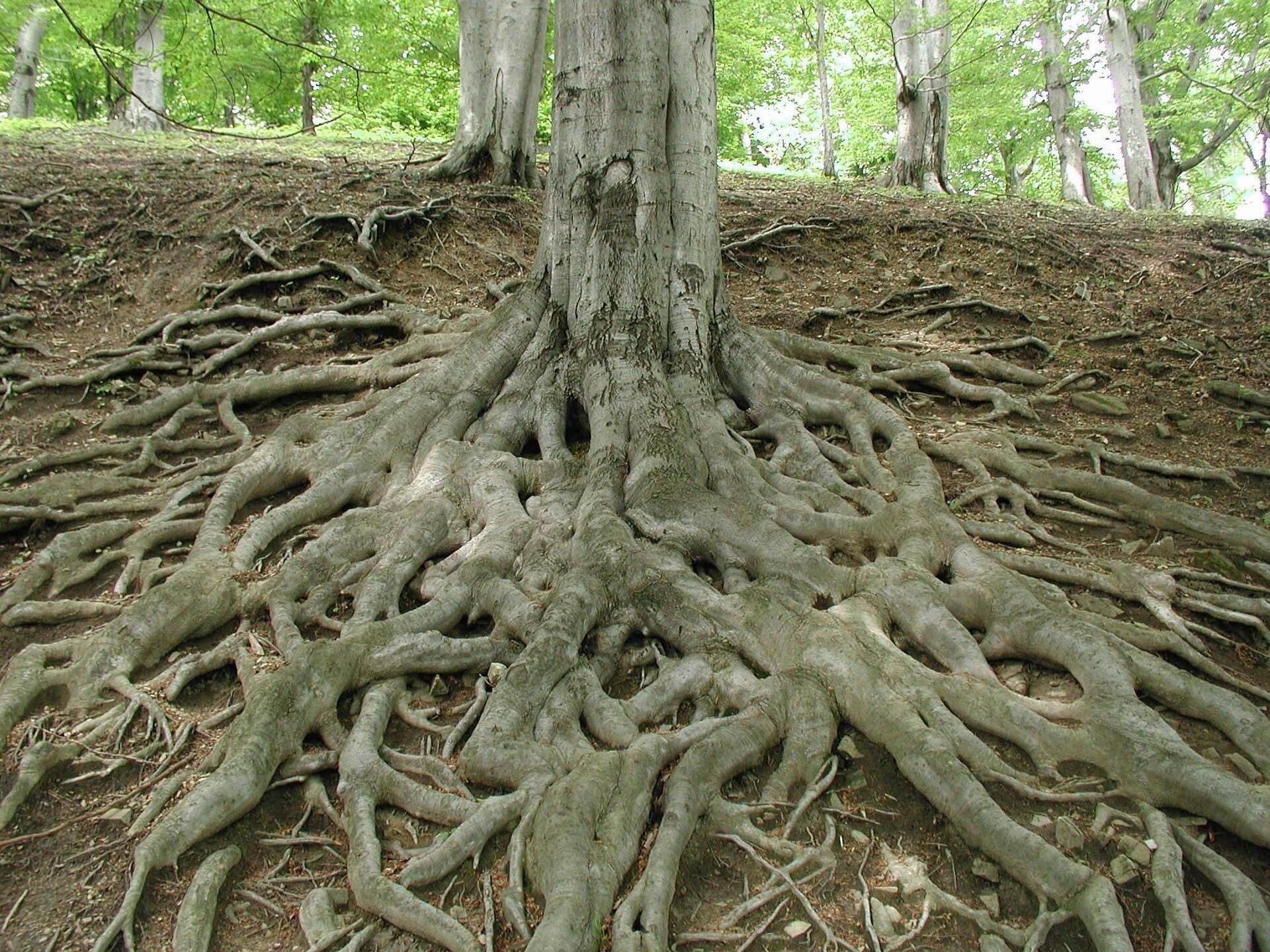
A new study reveals that many plants develop deep, second layers of roots, challenging previous assumptions and suggesting that plants may store carbon deeper underground, which could impact climate change mitigation strategies.
Researchers have identified a protein called dirigent protein (DP) that plays a crucial role in sealing plant roots and regulating the uptake of nutrients and water from the soil. This discovery could pave the way for the development of climate-proof crops that require less water and chemical fertilizers. By understanding how plants control their uptake of water and nutrients through the deposition of lignin, scientists can engineer plants to grow more efficiently in changing environmental conditions.
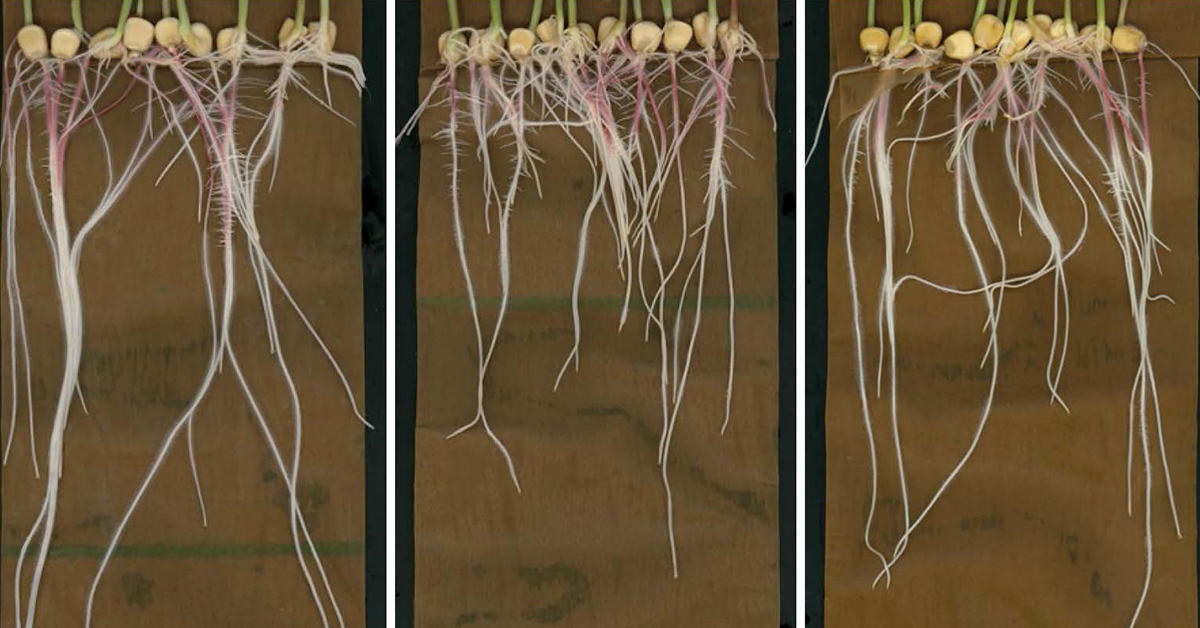
Researchers have used advanced imaging technology to develop a chemical "roadmap" of the distribution of critical small molecules along maize plant stem cells and their impact on the plant's development. The study's insights could provide key insights into how these essential root chemicals affect plant growth, which could be useful in conservation and making plants more sustainable, especially in agriculture. The study was funded by the National Science Foundation, the National Institutes of Health, the Hellman Foundation, the William E. McElroy Charitable Foundation, the Revelle Provost Summer Research Scholarship, and the Genentech Scholars Program.