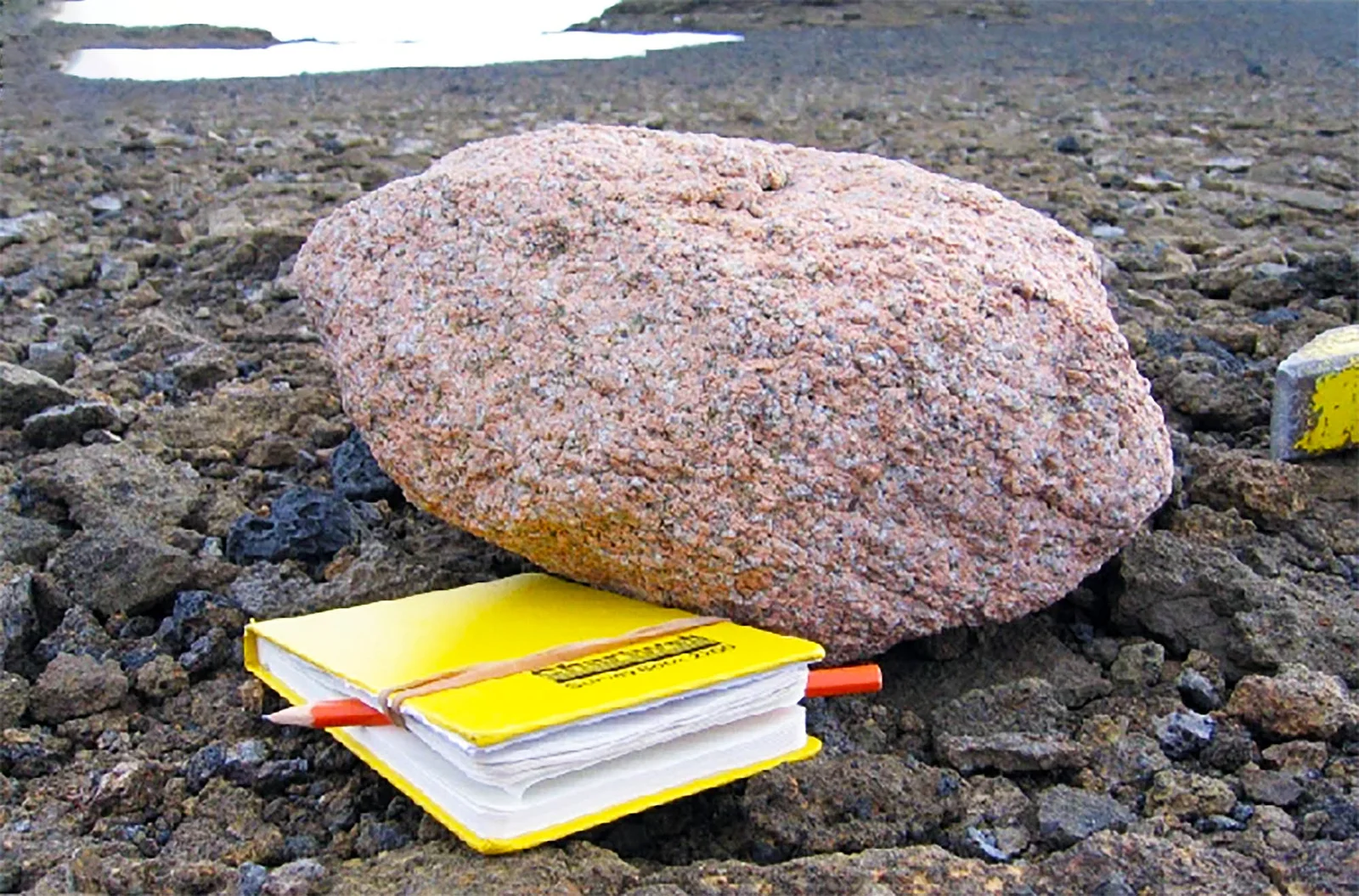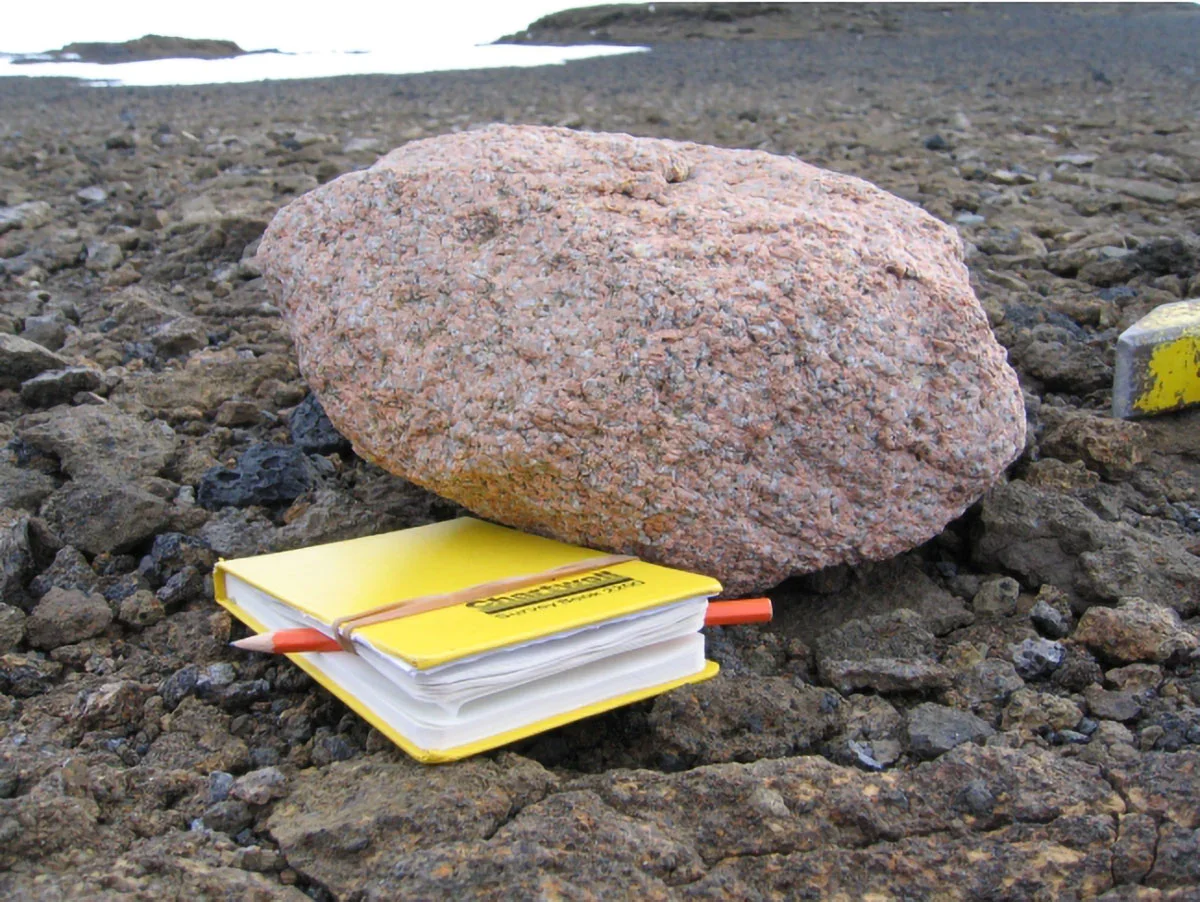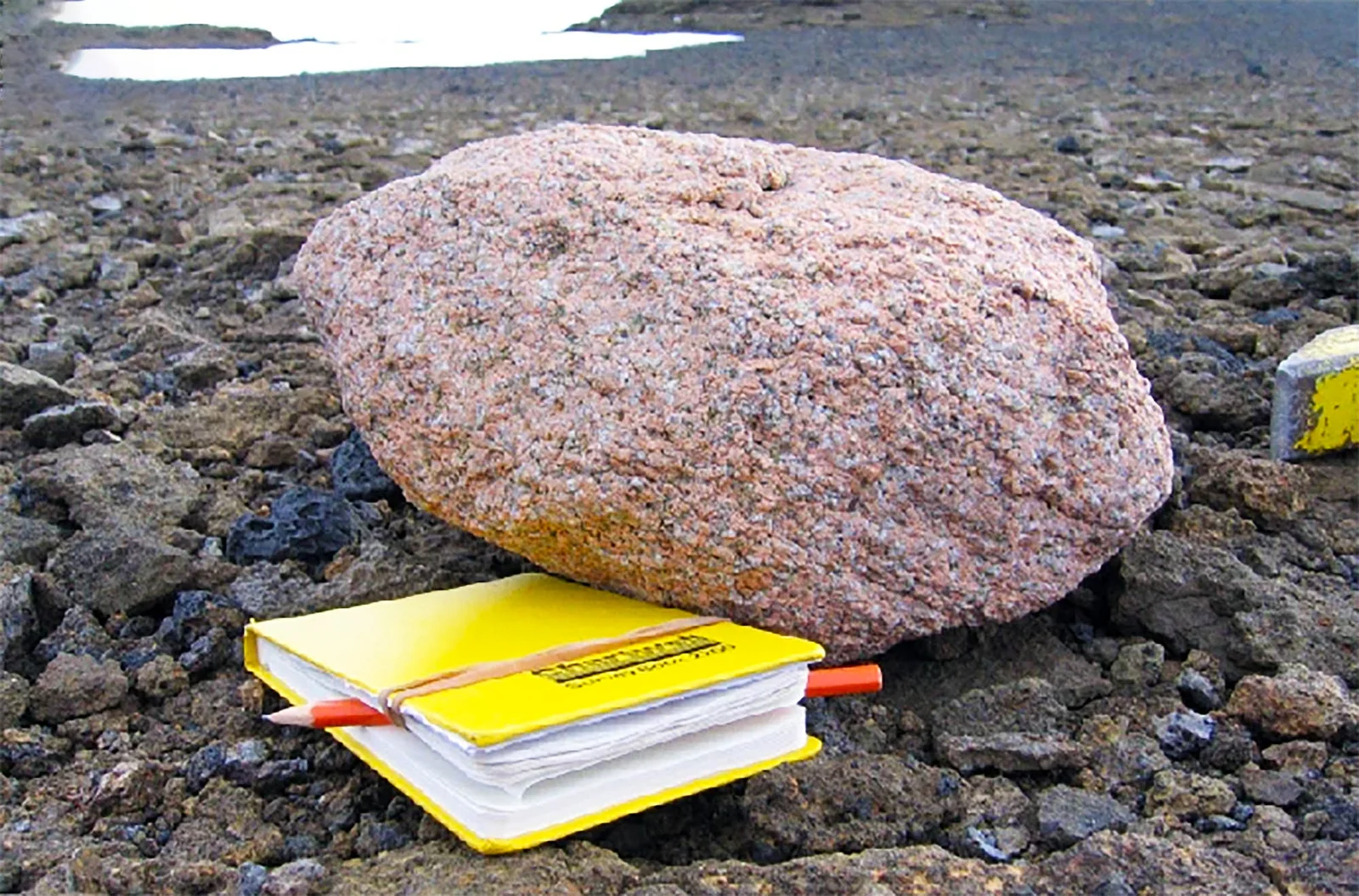
Scientists discovered a massive, nearly 100 km wide and 7 km thick buried granite body beneath the West Antarctic Ice Sheet, revealed by geological dating and airborne gravity surveys, providing insights into past ice flow and aiding predictions of future sea level rise.
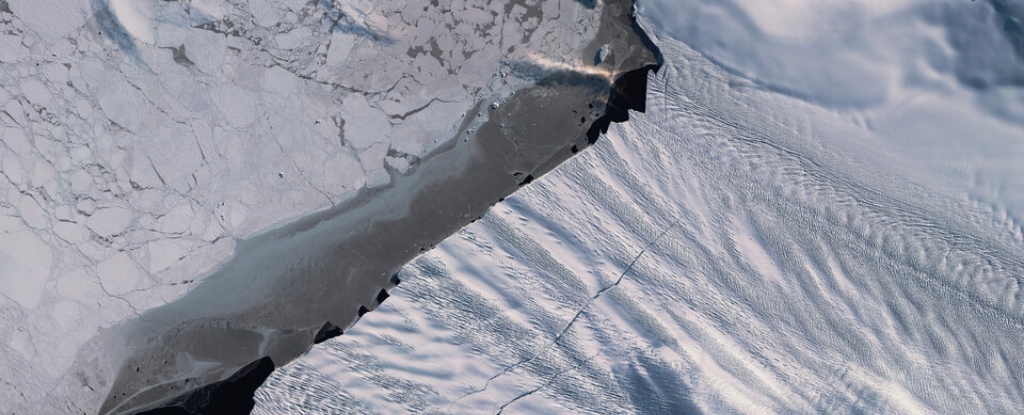
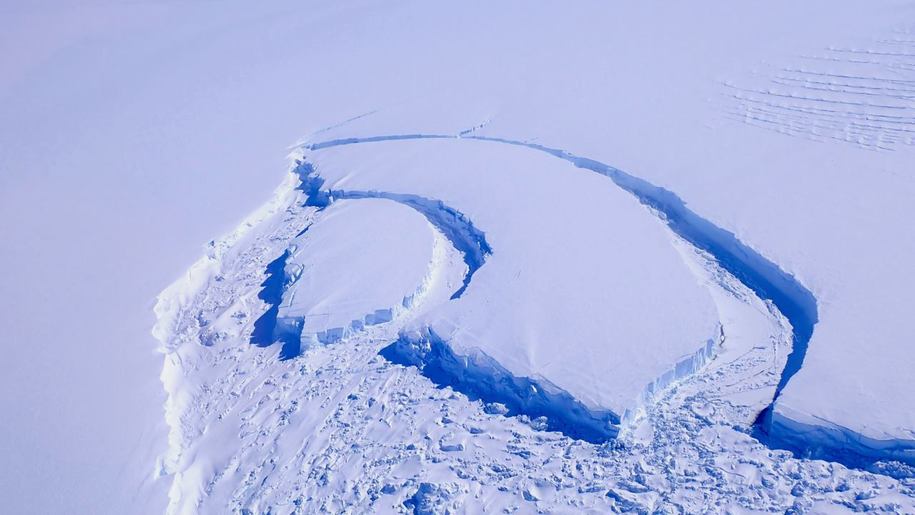
Scientists have discovered that a fracture at the Pine Island Glacier in Antarctica opened at a staggering speed of 80 miles per hour, shedding light on the rapid changes occurring in the region's ice shelves and the potential impact on sea level rise. This finding underscores the urgency of studying glacial dynamics and the need for further research to understand the implications for the stability of the Antarctic ice sheet.
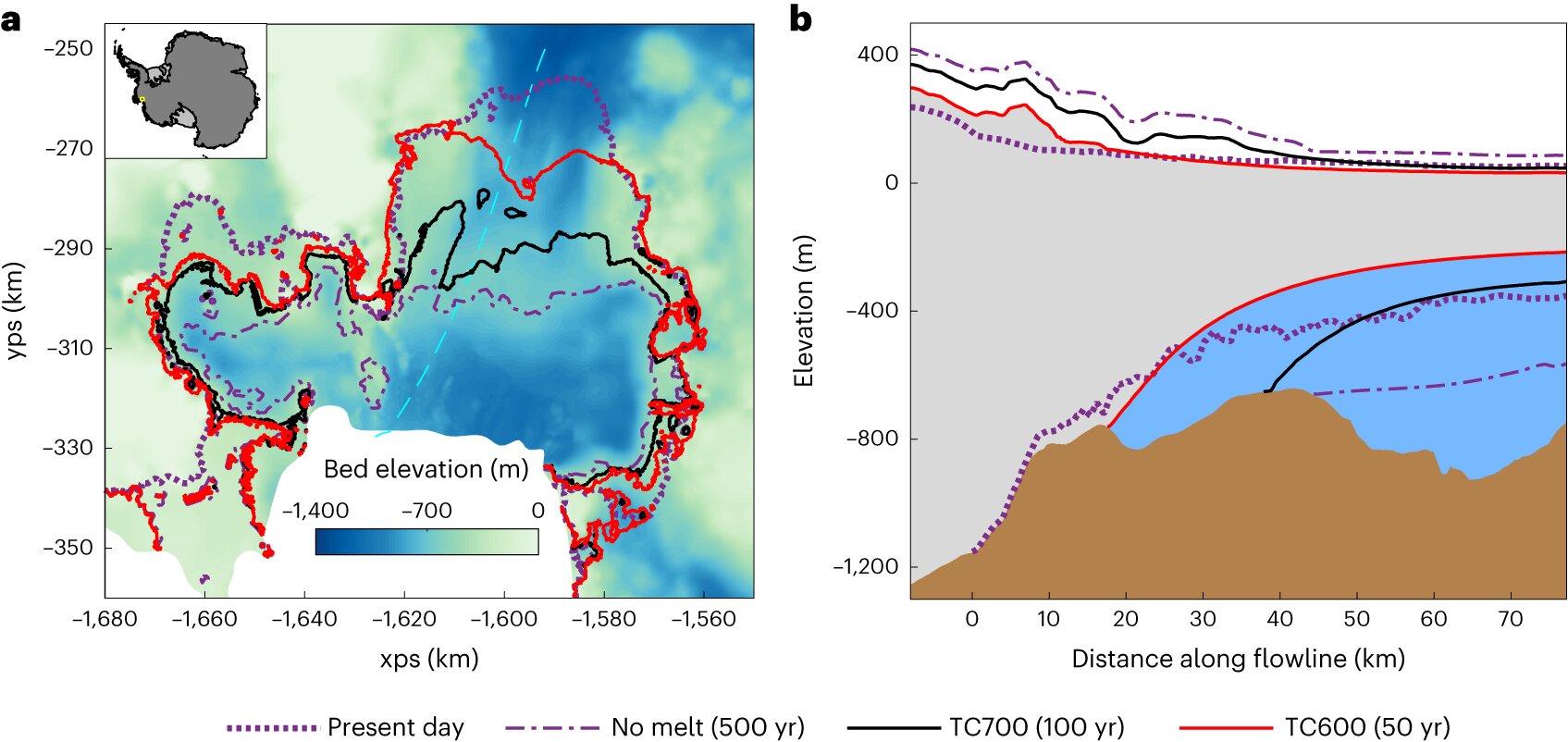
A new study reveals that Pine Island Glacier in West Antarctica experienced irreversible mass loss and retreat starting in the 1940s, triggered by a temporary increase in melting under its floating ice shelf. This accelerated retreat continued until the 1990s when the grounding line reached a shallow section of bedrock. The study suggests that if there is a significant increase in melting at the base of a glacier's floating ice shelf, it can retreat past a tipping point, making the loss of ice mass irreversible. The findings highlight the potential future collapse of West Antarctica and its implications for global sea level rise.
Pine Island Glacier in West Antarctica has experienced an irreversible retreat, passing a tipping point within the last 80 years, according to research published in Nature Climate Change. The glacier underwent a rapid, unstable retreat between the 1940s and 1970s, resulting in an irreversible loss of ice over several decades. This retreat is attributed to warm ocean temperatures causing melting beneath the glacier. The study warns that unless global warming is mitigated, the glacier is likely to enter periods of rapid retreat in the future.
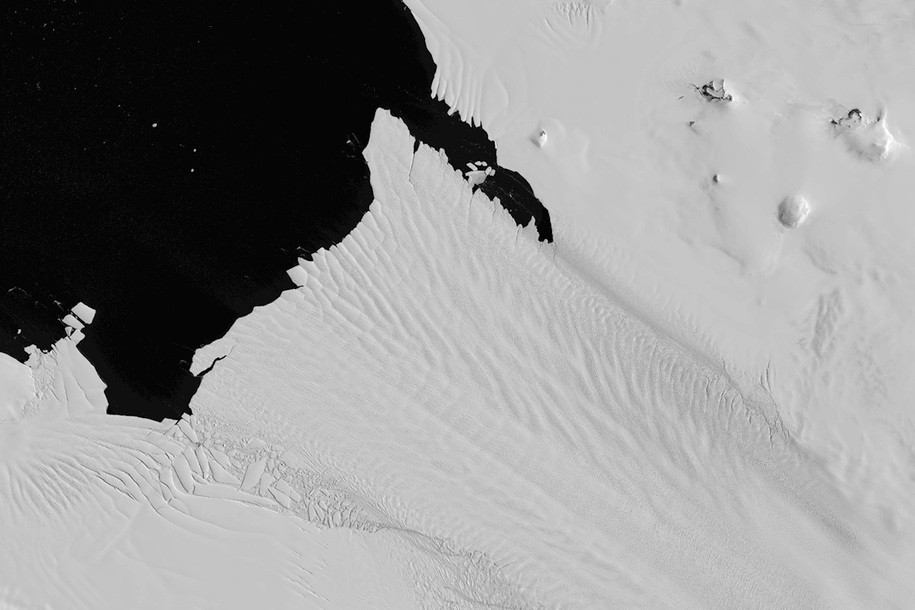
The Pine Island Glacier in Antarctica has calved three new icebergs, according to recent reports. This event highlights the ongoing impact of climate change on the region, as the glacier continues to lose mass and contribute to rising sea levels.