Tag

Glaciology

All articles tagged with #glaciology

science15 days ago

Scientists Expedite Study of Thwaites Glacier as Ice Loss Accelerates Sea Level Rise

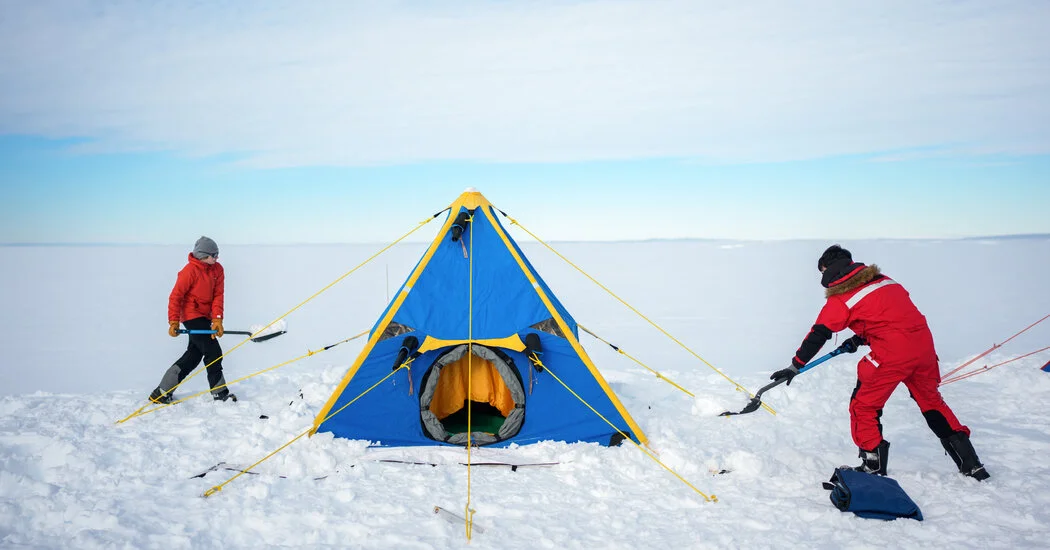
A team of nearly 40 scientists is heading to Antarctica to study the rapidly melting Thwaites Glacier, which poses a significant threat of causing global sea levels to rise by over two feet if it collapses, potentially triggering a catastrophic collapse of the West Antarctic ice sheet. The research involves innovative methods, including attaching sensors to seals to gather ocean data, to better understand the glacier's melting processes and future risks.

science7 months ago

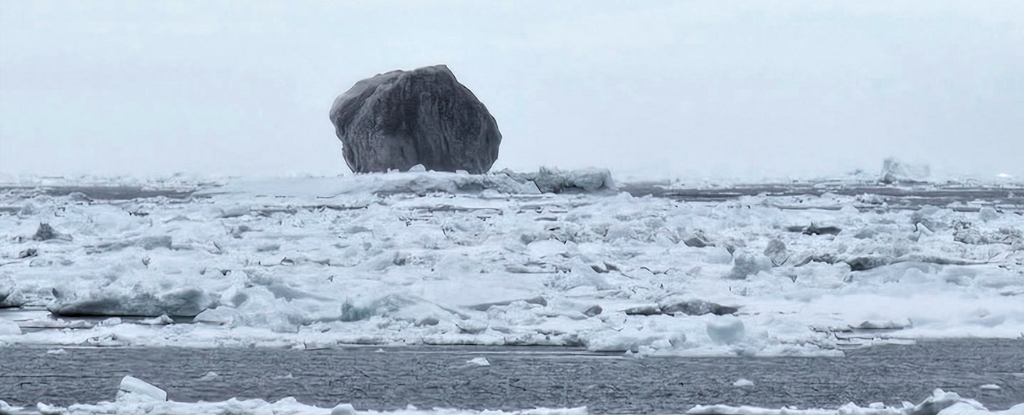
Mysterious Black Iceberg Off Labrador Coast Sparks Buzz

A fisherman in Canada captured a rare black iceberg in the Labrador Sea, which is unusual due to its dark coloration. Such icebergs can be darkened by accumulated dirt, debris, volcanic soot, or remnants of glaciers, and may be very old. The exact cause of this particular iceberg's color remains uncertain, highlighting the mysterious and diverse nature of ice formations in the Arctic and sub-Arctic regions.

science-and-environment1 year ago

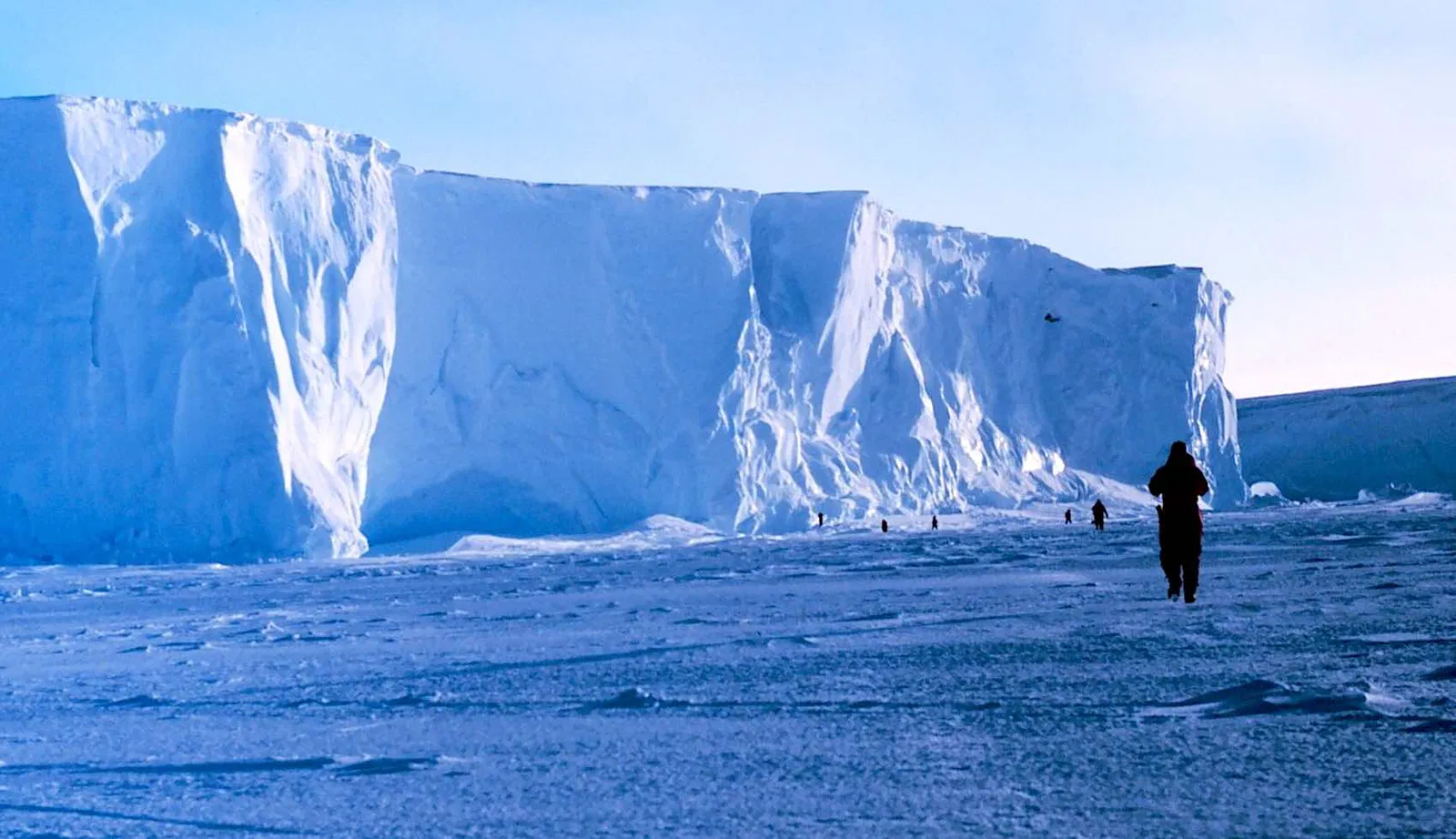
"Researchers Uncover Strange Behavior in Antarctica's Largest Ice Shelf"

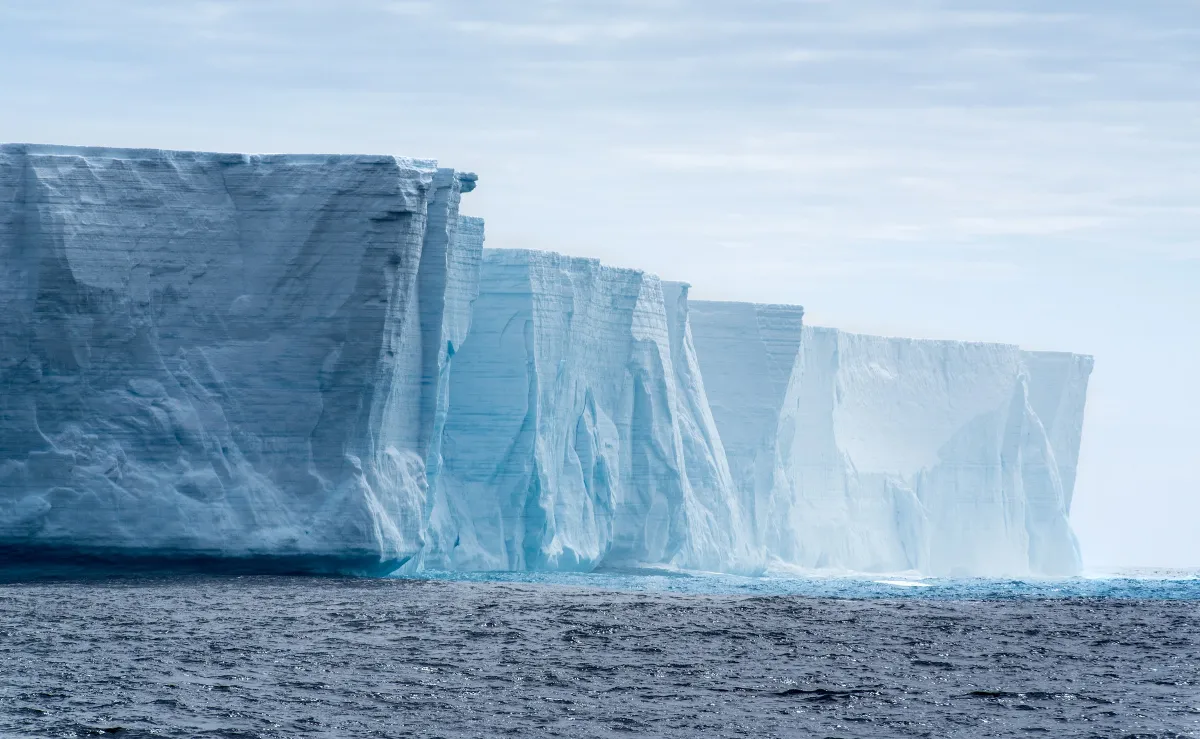
Researchers from Washington University in St. Louis have discovered that the Ross Ice Shelf in Antarctica is jolted daily by movements of ice streams, affecting its stability. This previously unnoticed phenomenon, which can trigger icequakes and fractures, highlights potential impacts on global sea levels. The study reveals that these slip events, causing the ice shelf to move several centimeters once or twice a day, have likely gone undetected for over a century. The findings underscore the importance of understanding ice shelf dynamics in the context of climate change.

environment1 year ago

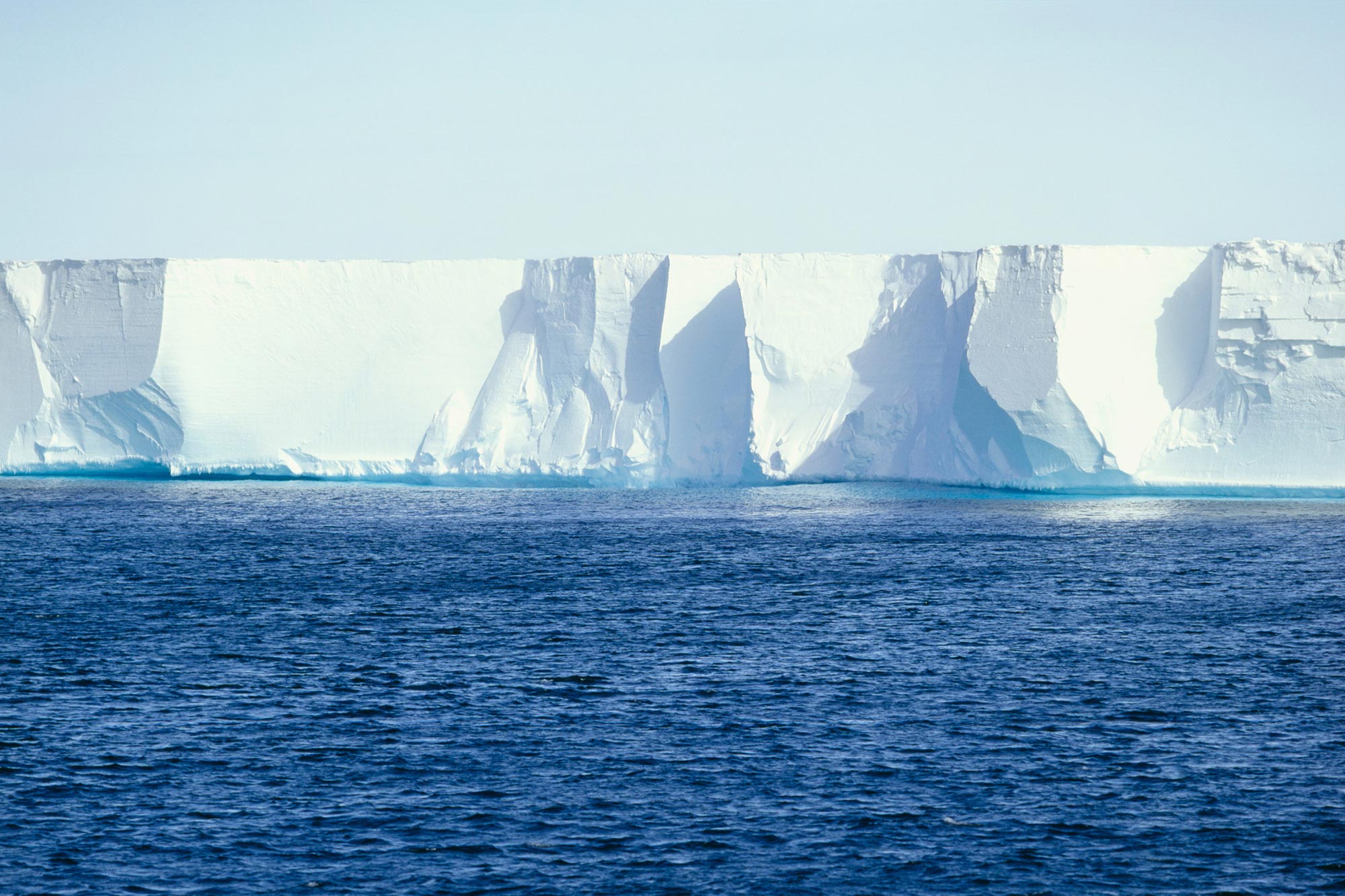
"Antarctica's Largest Ice Shelf Shows Unusual Activity"

Research from Washington University in St. Louis reveals that the Ross Ice Shelf in Antarctica, the largest ice shelf on the continent, is being displaced daily by the Whillans Ice Stream. This movement, which can be up to 8 centimeters, is caused by sudden slips in the ice stream and could influence icequakes and fractures, raising concerns about the stability of ice shelves in a warming world. The study highlights the potential impact on sea level rise if the ice shelf were to collapse.

science1 year ago

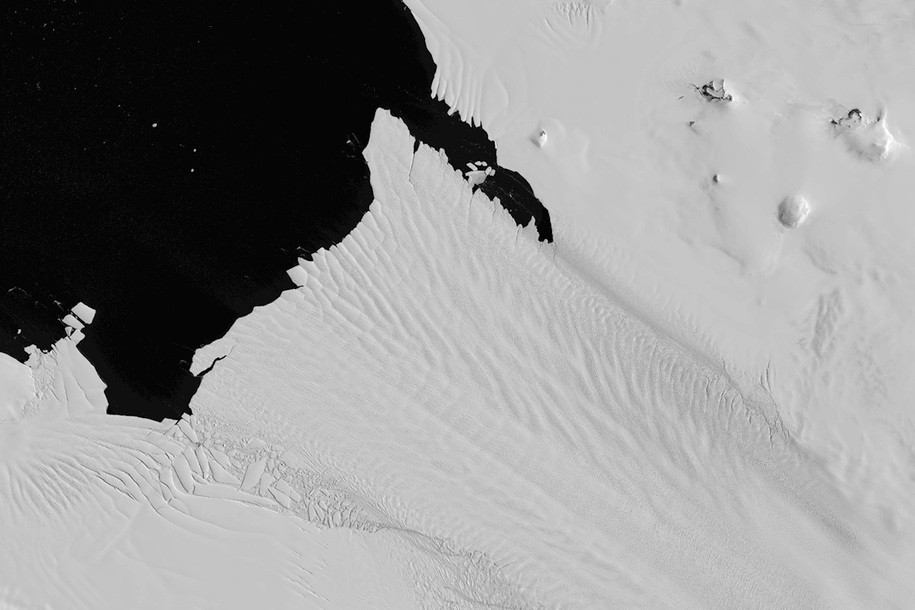
"Record-Breaking 80 MPH Fracture: Antarctic Glacier's Wake-Up Call"

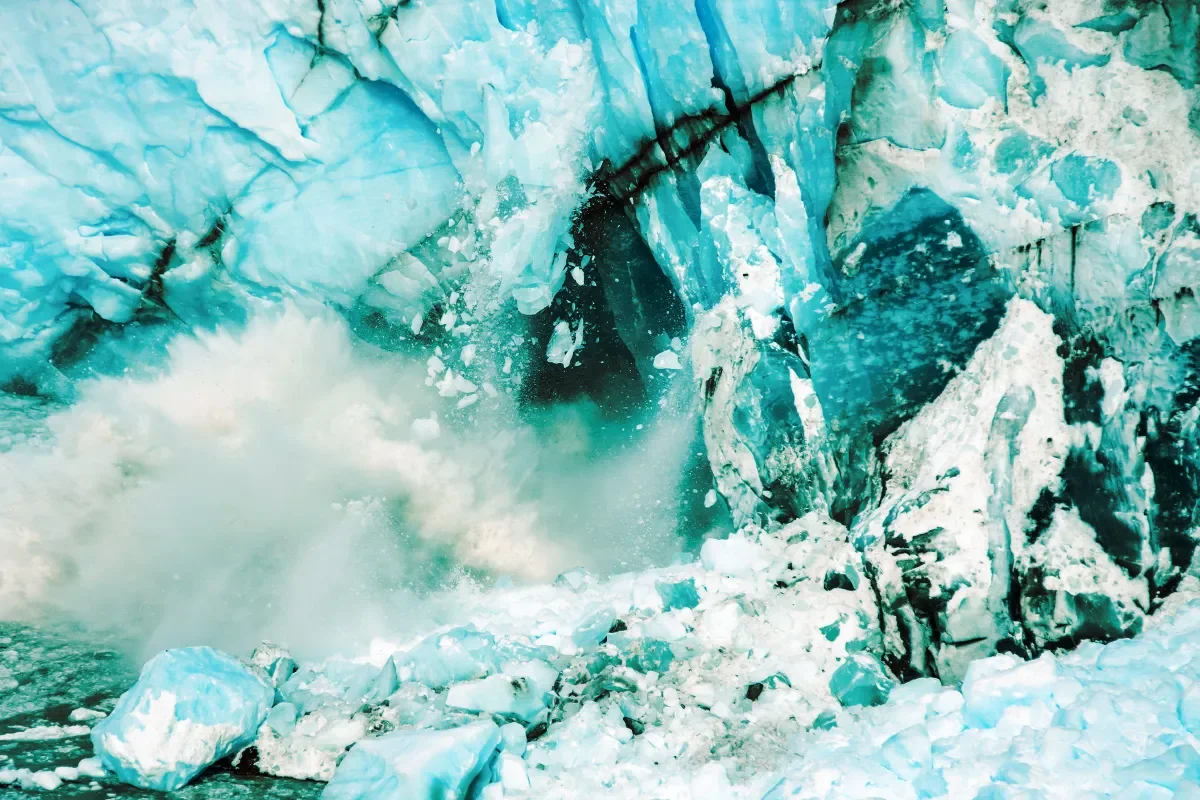
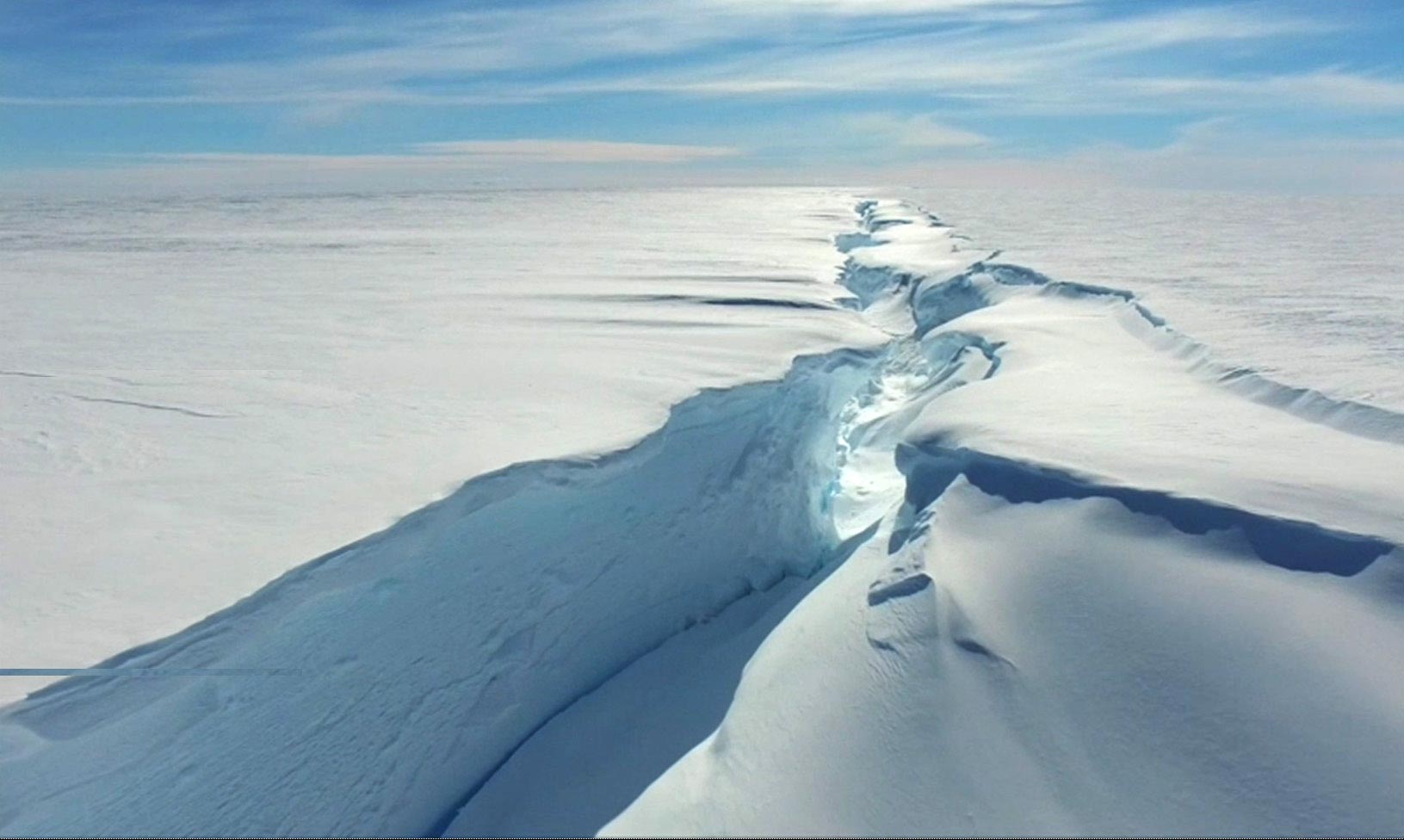
Scientists have discovered that a fracture at the Pine Island Glacier in Antarctica opened at a staggering speed of 80 miles per hour, shedding light on the rapid changes occurring in the region's ice shelves and the potential impact on sea level rise. This finding underscores the urgency of studying glacial dynamics and the need for further research to understand the implications for the stability of the Antarctic ice sheet.

environment1 year ago

"Exploring the Klinaklini Glacier in British Columbia, Canada"

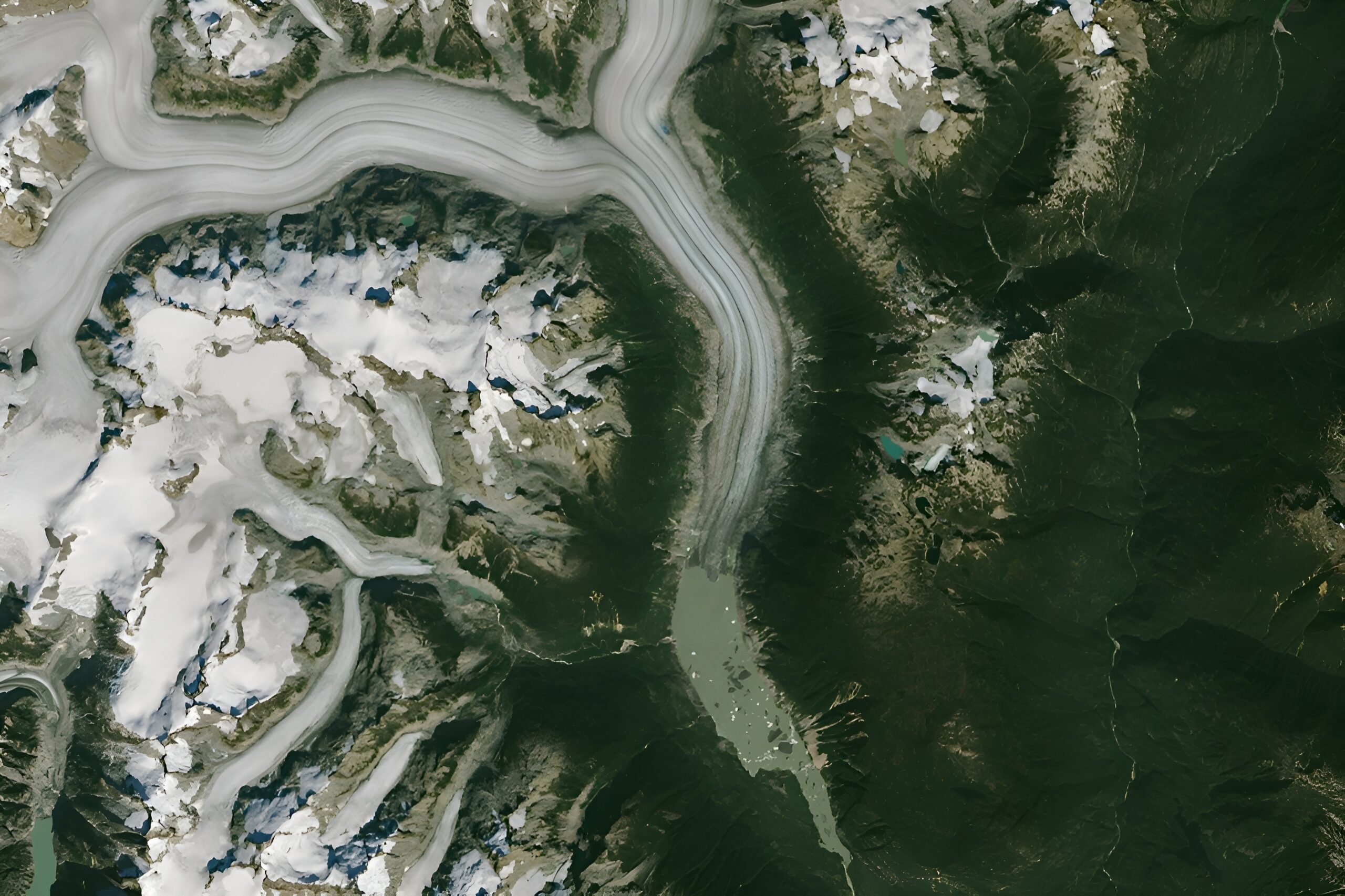
Klinaklini Glacier in British Columbia, Canada, is part of a critical system of glaciers and ice fields that contribute to freshwater resources and influence local climate conditions. Like many glaciers worldwide, it is being closely monitored for changes in response to climate change, with studies showing signs of retreat and reduced ice mass. The glacier plays a crucial role in the local ecosystem by feeding into the Klinaklini River, supporting wildlife and salmon populations. Research on this glacier contributes to understanding glaciology, climate change, and hydrology, providing essential insights into the broader impacts of climate change on glacial systems globally.

science2 years ago

"Scientists uncover ancient frozen landscape beneath Antarctic ice"

Scientists have discovered a vast hidden landscape of hills and valleys, created by ancient rivers, that has been preserved under the Antarctic ice for millions of years. This landscape, larger than Belgium, remained untouched for over 34 million years, but human-driven global warming poses a threat to its exposure. Using satellite images and radio-echo sounding data, researchers were able to trace out the undulating ice surface and reveal a river-carved landscape. The study warns that global warming could lead to the exposure of this hidden world, as atmospheric conditions similar to those of 14 to 34 million years ago are projected. However, the landscape is currently hundreds of kilometers inland from the ice edge, making any possible exposure a long way off.

science-and-environment2 years ago

"Millions-Year-Old Hidden Landscape Unearthed Under Antarctic Ice"

Scientists have discovered a vast, hidden landscape of hills and valleys carved by ancient rivers under the Antarctic ice, which has remained untouched for potentially more than 34 million years. The landscape, larger than Belgium, was revealed using existing satellite images and radio-echo sounding data. However, human-driven global warming poses a threat to this hidden world, as it could be exposed in the future. The researchers warn that current atmospheric conditions are similar to those that prevailed millions of years ago, and the melting of the ice sheet could lead to a "runaway reaction" of melting.

science-and-environment2 years ago

Unraveling the Enigma: Scientists Analyze Greenland Fjord's Mysterious Arc

Scientists are investigating the cause of a mysterious arc that appeared in a fjord in Western Greenland. Satellite images show a thin, white feature spanning the fjord, with the leading hypothesis suggesting it may be the result of a large iceberg breaking off from the glacier. Another possibility is the displacement of water caused by an underwater plume of fresh meltwater. The origin of the arc remains uncertain, but it has since dissipated, returning the fjord to its normal appearance.

environment2 years ago

Accelerated Ice Shelf Movement in Antarctica Following Massive Iceberg Breakoff

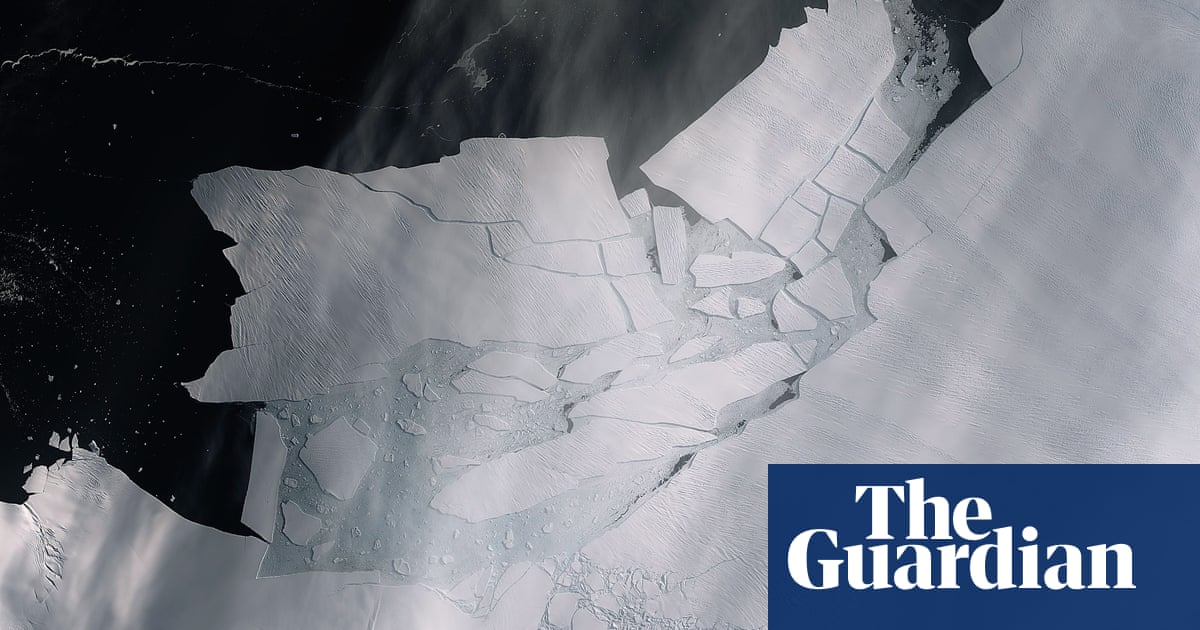
The Brunt Ice Shelf in Antarctica has started moving faster after the calving of a giant iceberg. It is currently moving at a rate of 4 meters (13 feet) per day towards the sea, compared to its previous average speed of 1-2.5 meters (3-8 feet) per day. The acceleration is not believed to be caused by climate change but rather due to the loss of its connection with the seafloor. Scientists are closely monitoring the situation using GPS equipment and satellite data to ensure the safety of the Halley Research Station and to continue their scientific work.

environment2 years ago

Accelerated Ice Shelf Movement Following Massive Iceberg Break

The Brunt Ice Shelf is moving faster after the calving of the A-81 iceberg, currently moving at approximately 4 meters a day towards the sea compared to its previous average of 1-2.5 meters a day. The acceleration is attributed to the loss of its connection with the seafloor in the McDonald Ice Rumples area, rather than climate change. Scientists at the British Antarctic Survey are closely monitoring the situation using GPS equipment and satellite data to ensure the safety of the Halley Research Station and maintain scientific operations.

environment2 years ago

Decades-old body discovered on rapidly melting Austrian glacier

The body of a man believed to have died over 20 years ago was discovered on a glacier in Austria by a mountain guide. The man is thought to have had an accident on the glacier in 2001 and was found with ski touring equipment. As glaciers continue to melt due to climate change, previously hidden objects and bodies are being revealed. Glaciologists warn that if current emissions continue, the Alps region could become largely deglaciated, with significant impacts on freshwater supply and sea level rise.

environment2 years ago

Greenland's Melting Ice Sheet: Causes and Consequences

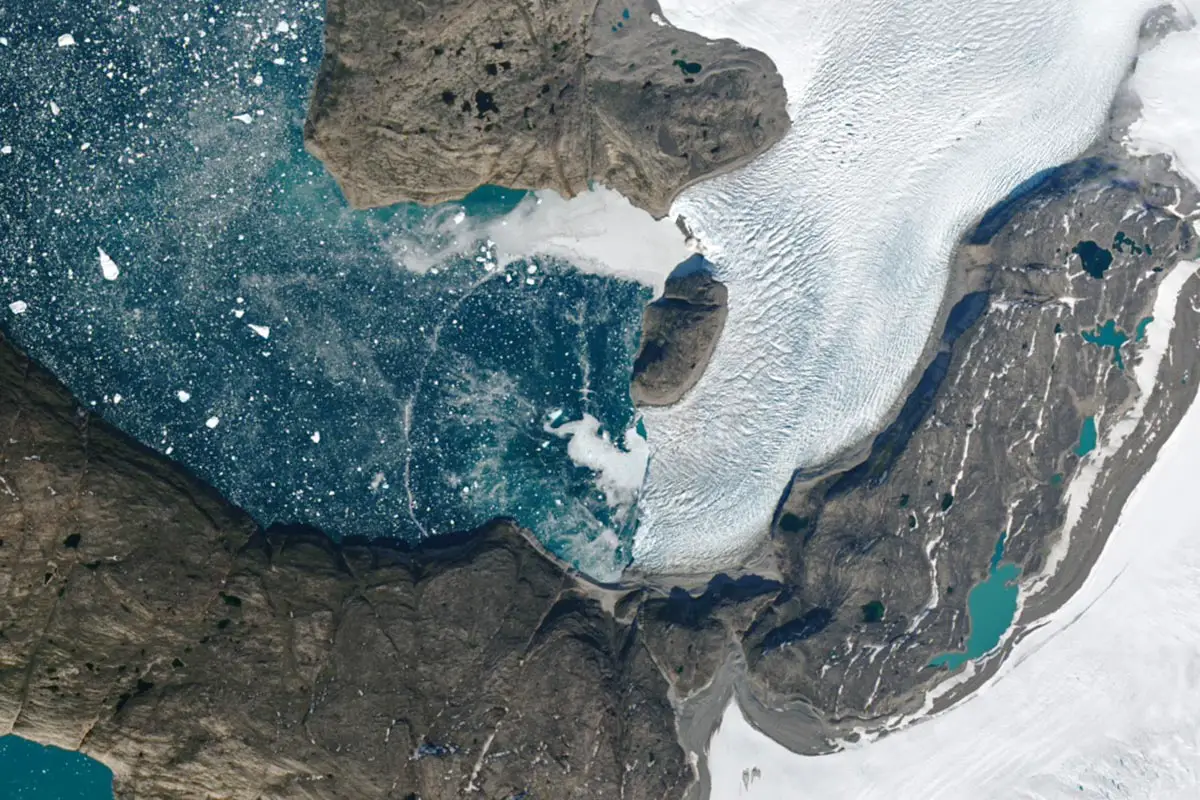
Researchers at the University of California, Irvine and NASA's Jet Propulsion Laboratory have discovered that warm ocean water is causing the migration of the grounding line of Petermann Glacier in northwest Greenland, leading to its rapid deterioration. The team used satellite radar data from three European missions to learn that the grounding line shifts substantially during tidal cycles, allowing warm seawater to intrude and melt ice at an accelerated rate. The researchers found that including these dynamics in models could increase projections of sea level rise by up to 200% for all glaciers ending in the ocean, which is most of northern Greenland and all of Antarctica.