Scientists have developed tin oxide nanoflakes that convert near-infrared light into heat, enabling targeted, safe, and affordable photothermal cancer therapy that kills tumor cells while sparing healthy tissue, with promising results in initial tests and potential for home use in skin cancer treatment.
Scientists have developed a new, cost-effective cancer treatment using near-infrared LEDs and tin oxide nanoflakes that can selectively destroy cancer cells with minimal harm to healthy tissue, showing promising results in cell tests and potentially offering a safer, more accessible alternative to traditional therapies.
US researchers have developed a new light-based cancer treatment using inexpensive LED light and tin oxide nanoflakes to selectively kill cancer cells with minimal harm to healthy tissue, offering a promising, safer, and more accessible alternative to traditional therapies.
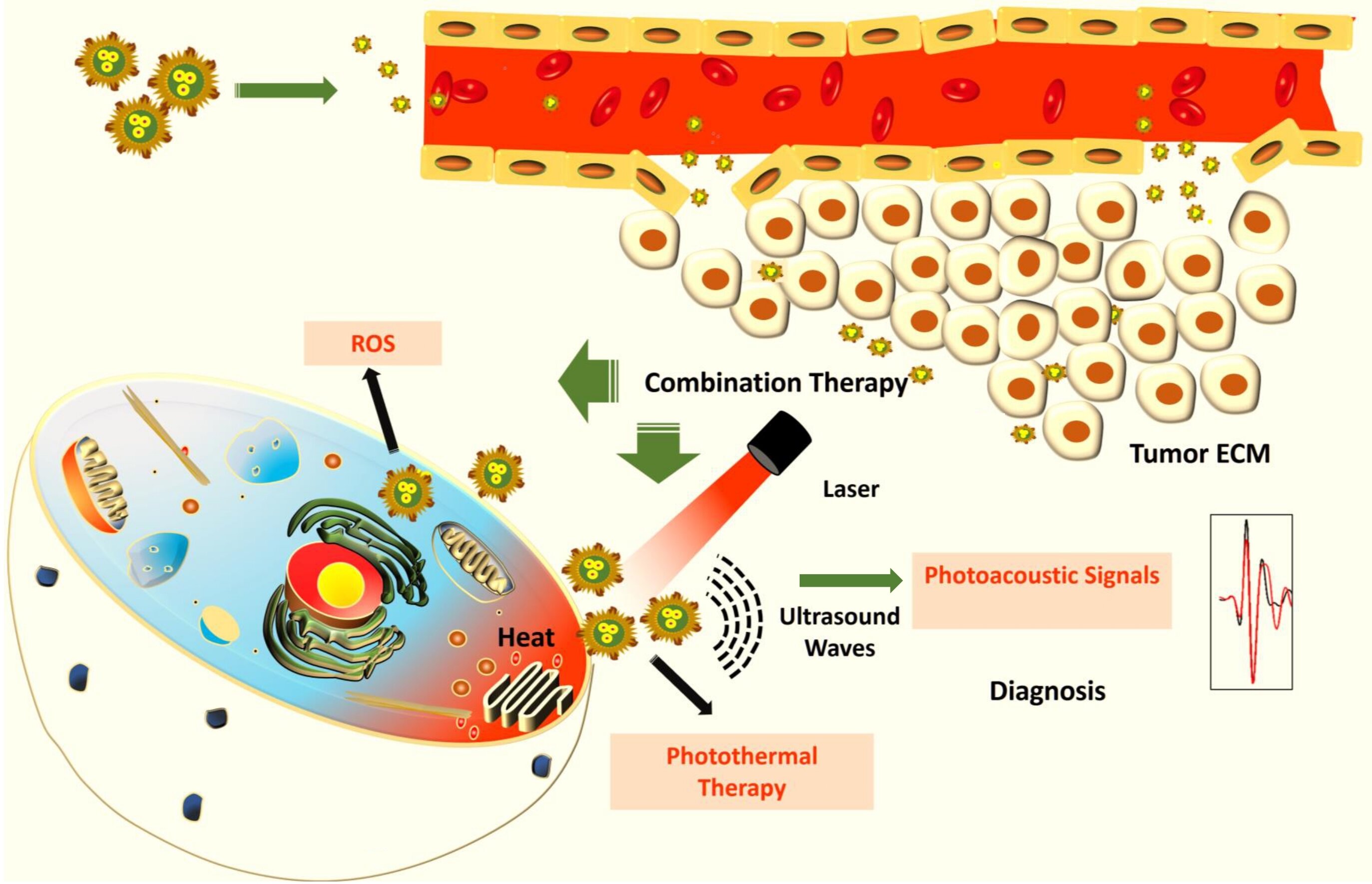
Scientists at the Indian Institute of Science have developed hybrid nanoparticles made of gold and copper sulfide that can potentially detect and kill cancer cells. These nanoparticles have photothermal and photoacoustic properties, allowing them to generate heat and ultrasound waves when exposed to light. The heat and singlet oxygen atoms produced by the nanoparticles can kill cancer cells, while the ultrasound waves can be used to detect cancer cells with high contrast. The small size of the nanoparticles enables them to travel inside tissues easily and potentially leave the body naturally. Further studies are needed to determine their safety for use in humans.