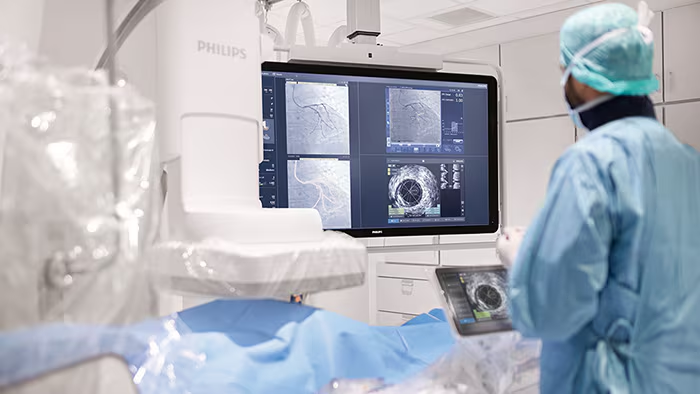
Philips is acquiring SpectraWAVE to enhance its portfolio of AI-powered coronary intravascular imaging and physiological assessment technologies, including HyperVue Imaging System and X1-FFR, aiming to improve outcomes in coronary artery disease treatment through advanced, integrated, and AI-supported solutions.
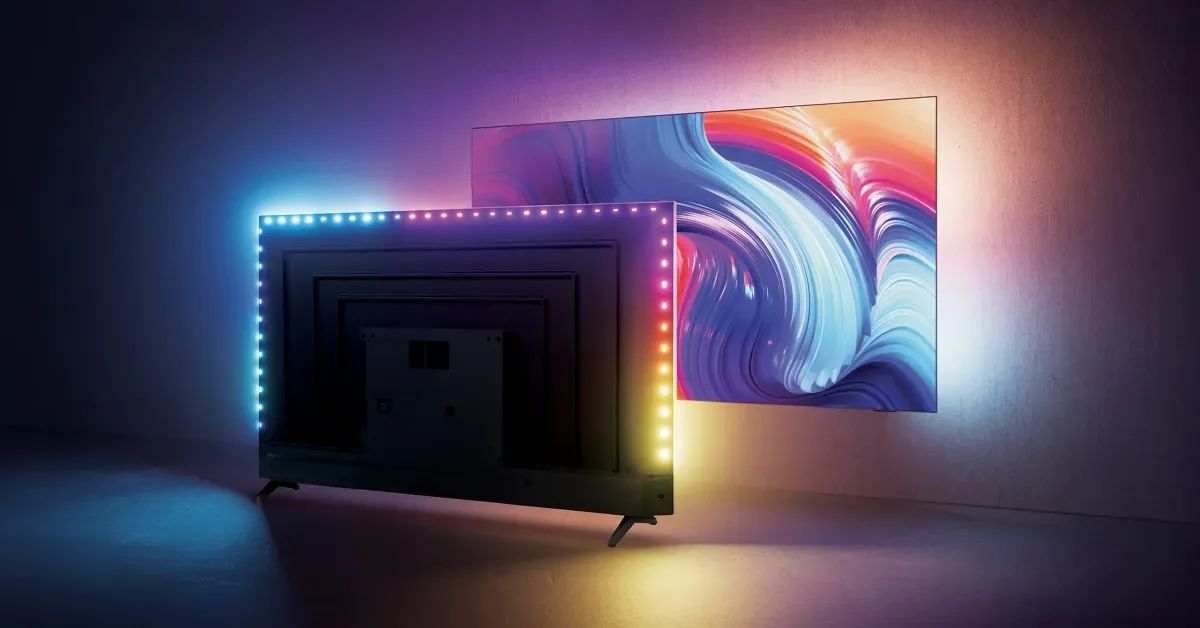
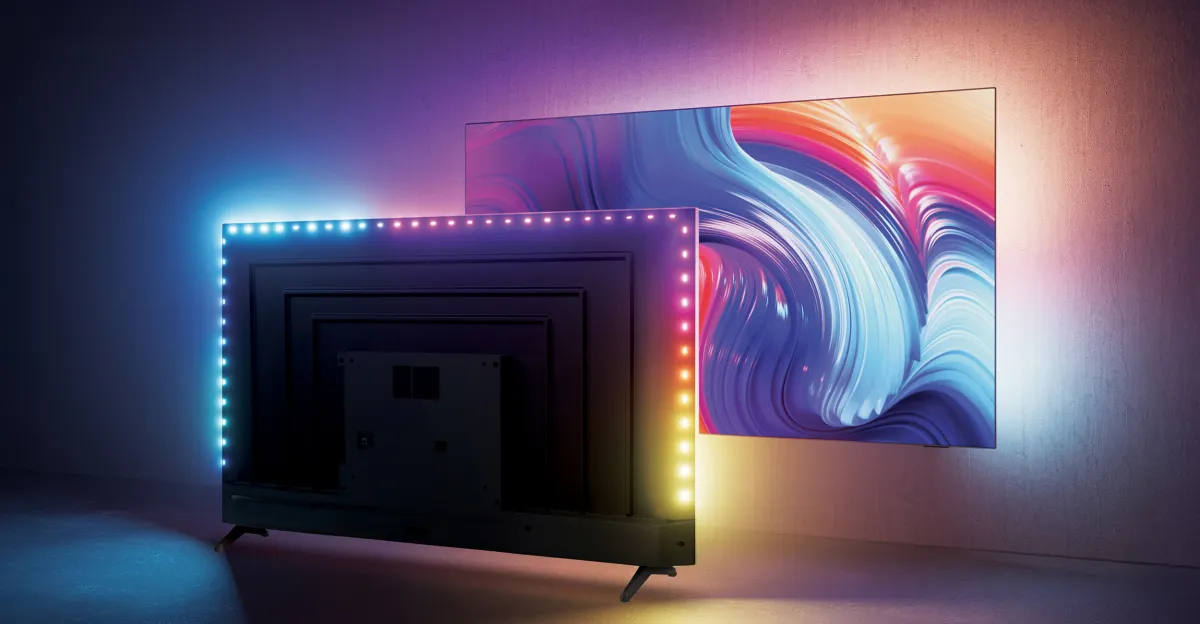
Philips is launching its Ambilight TVs in the US, featuring built-in LED lighting that projects colors onto the wall in real time, enhancing the viewing experience. The initial models, available in various sizes and priced between $229 and $389, are Roku-powered and sold through Philips' website and Sam's Club, but they do not run Google TV in the US.
Philips has launched new Roku TVs with built-in Ambilight backlighting, available exclusively through Sam’s Club, in sizes ranging from 43 to 65 inches, offering immersive lighting effects, 4K resolution, HDR10 support, and seamless integration with Roku's ecosystem, at competitive prices.
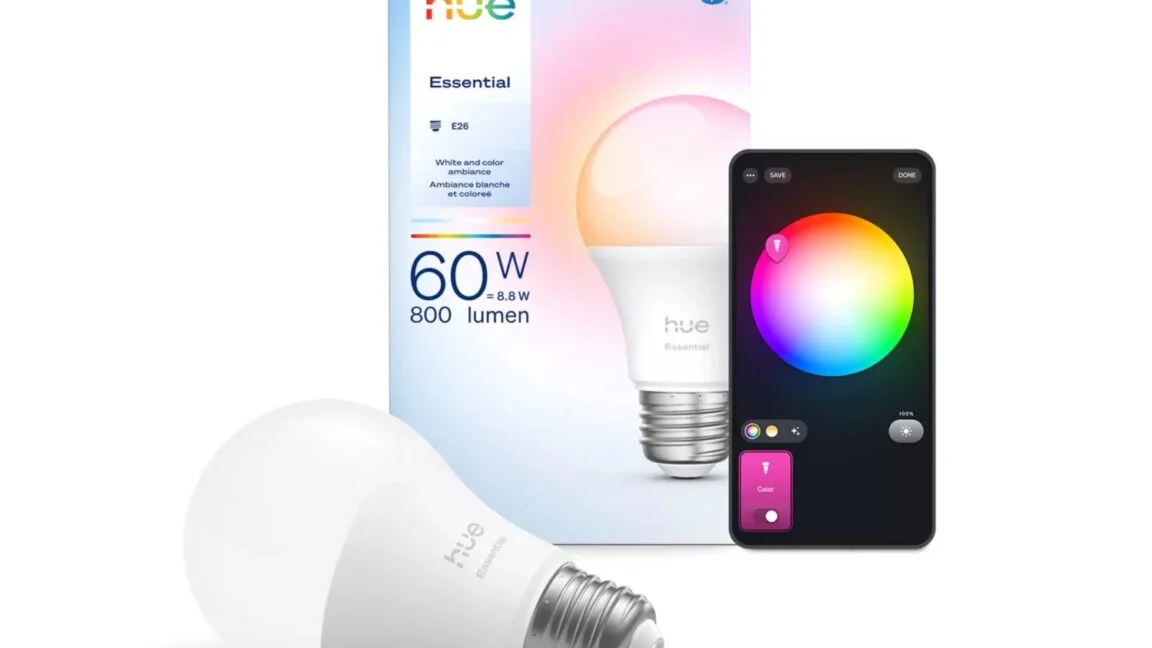
Philips introduces a budget-friendly line of Hue bulbs with improved dimming and color range, along with the new Hue Bridge Pro supporting more devices, and additional smart lighting products including strip lights, outdoor lights, and a video doorbell, with phased launches across North America.
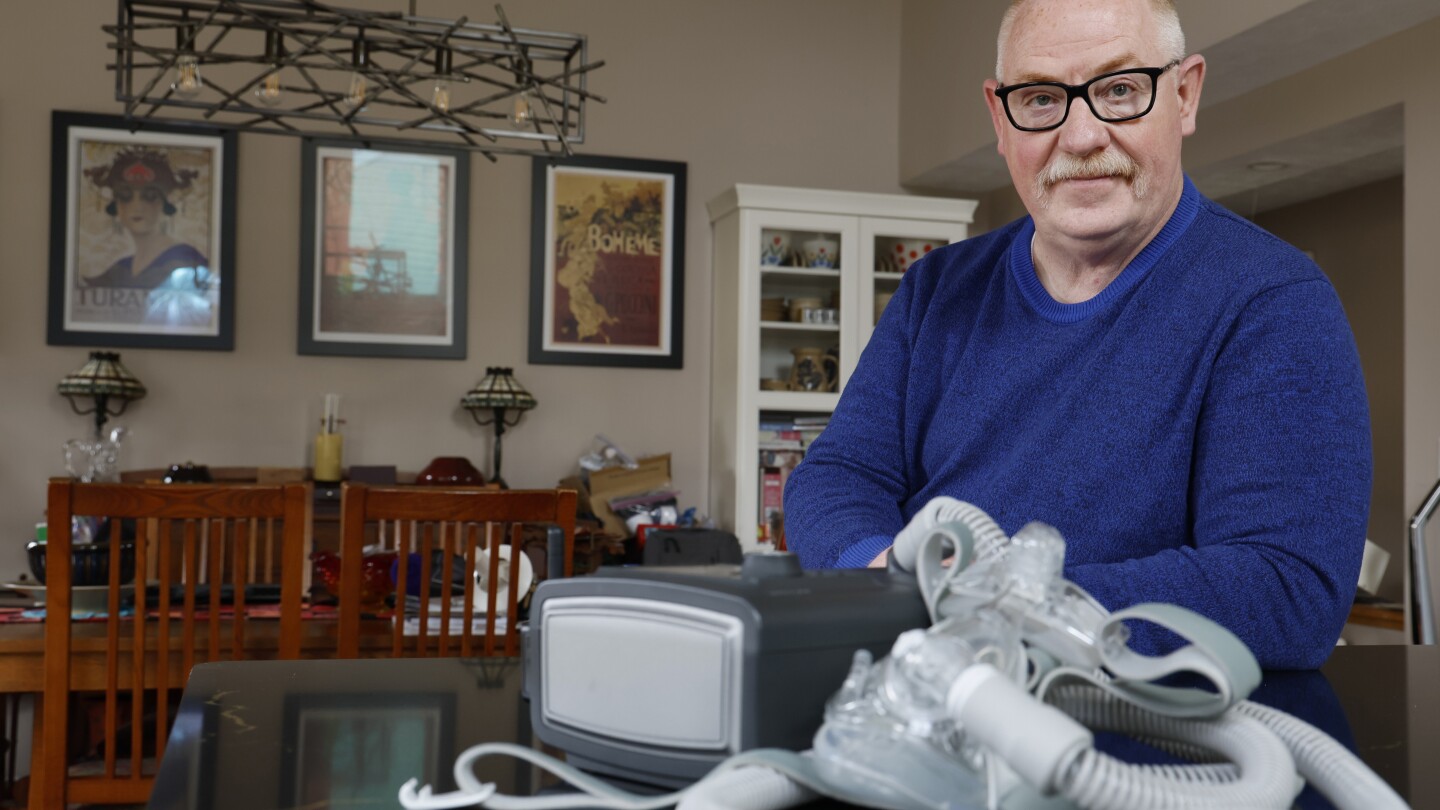
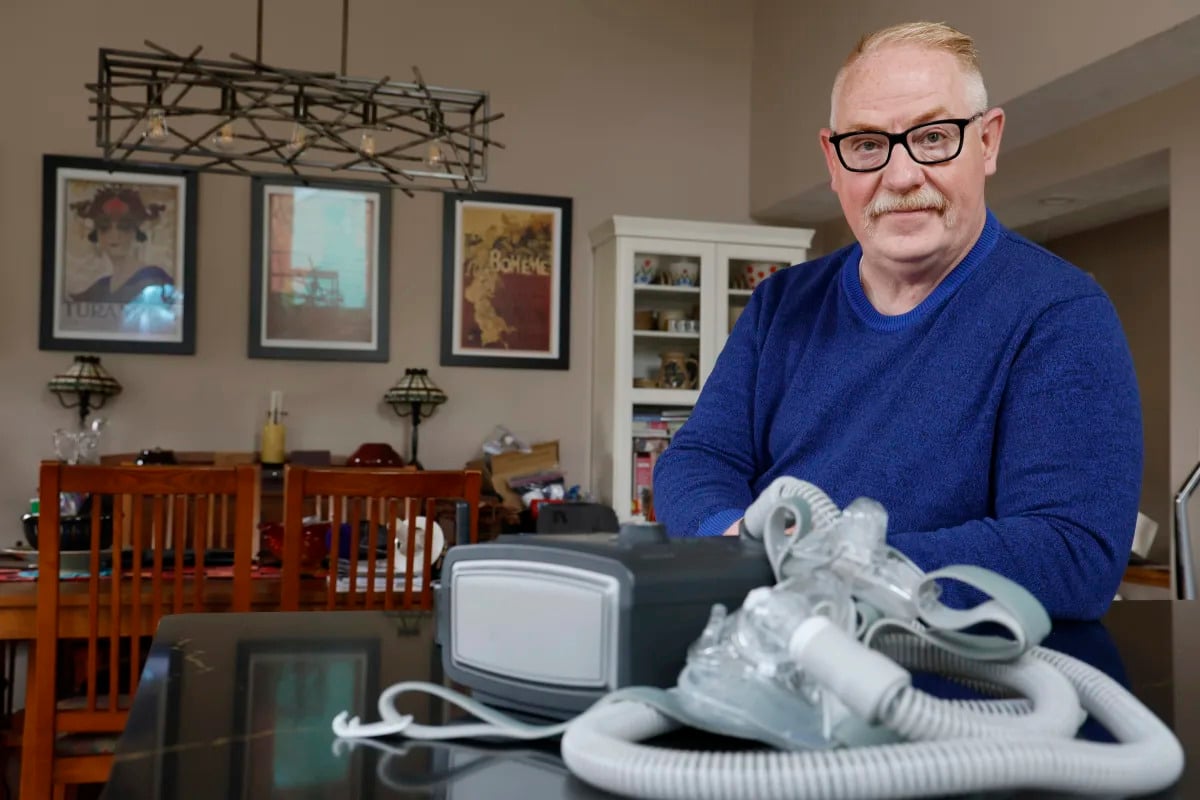
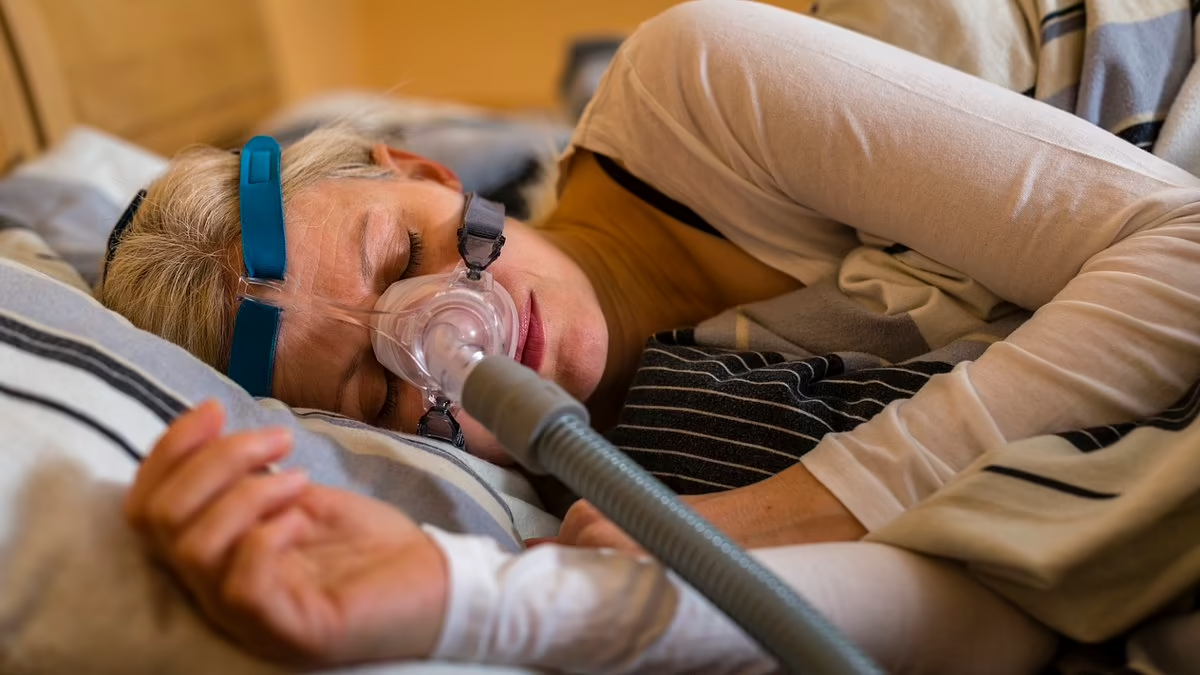
Philips, responsible for a global recall of sleep apnea machines due to defective foam, has been ordered to overhaul its manufacturing and quality control systems by federal officials. The company must also continue to replace, repair, or provide refunds to all U.S. customers affected by the defective devices. The settlement comes after years of delays in addressing the issue, with lawsuits filed by affected individuals in multiple countries. The FDA found instances where Philips was aware of the problem with its foam years before the recall, prompting the agency to order clearer information about the health risks of the products and increased outreach to affected customers.
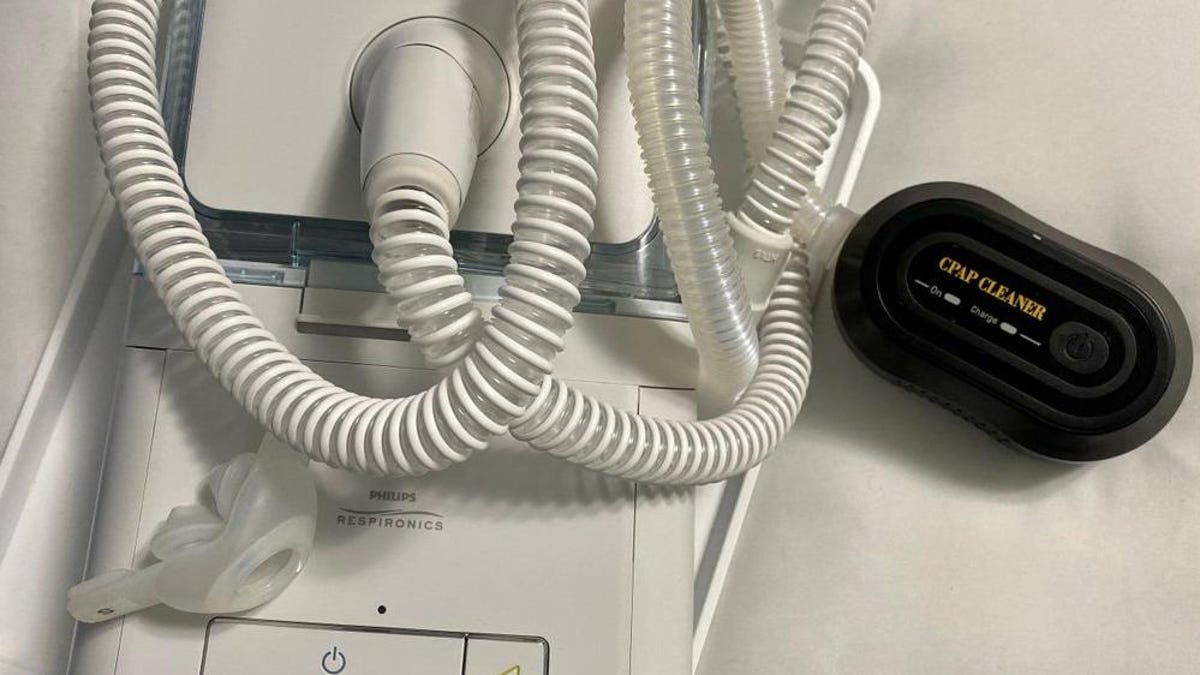
Philips, responsible for a global recall of sleep apnea machines due to defective foam, has been ordered to overhaul its manufacturing and quality control systems by federal officials. The company must also continue to replace, repair, or provide refunds to all U.S. customers affected by the faulty devices. The settlement aims to address one of the biggest medical device recalls in history, which has been ongoing for nearly three years, and requires Philips to hire independent experts to vet the changes and meet safety requirements before resuming production at U.S. facilities.
Philips Respironics has reached an agreement with the U.S. Justice Department following a catastrophic recall of its sleep apnea machines and ventilators. The company must hire an independent safety monitor, undergo regular facility inspections, and pay part of its revenue to the federal government. The agreement also includes a review of testing on replacement machines and prohibits Philips from selling certain devices in the U.S. due to concerns about toxic foam. Patient safety advocates are concerned about the long-term impact on patient health, and the FDA has received reports of deaths and illnesses associated with the degraded foam.
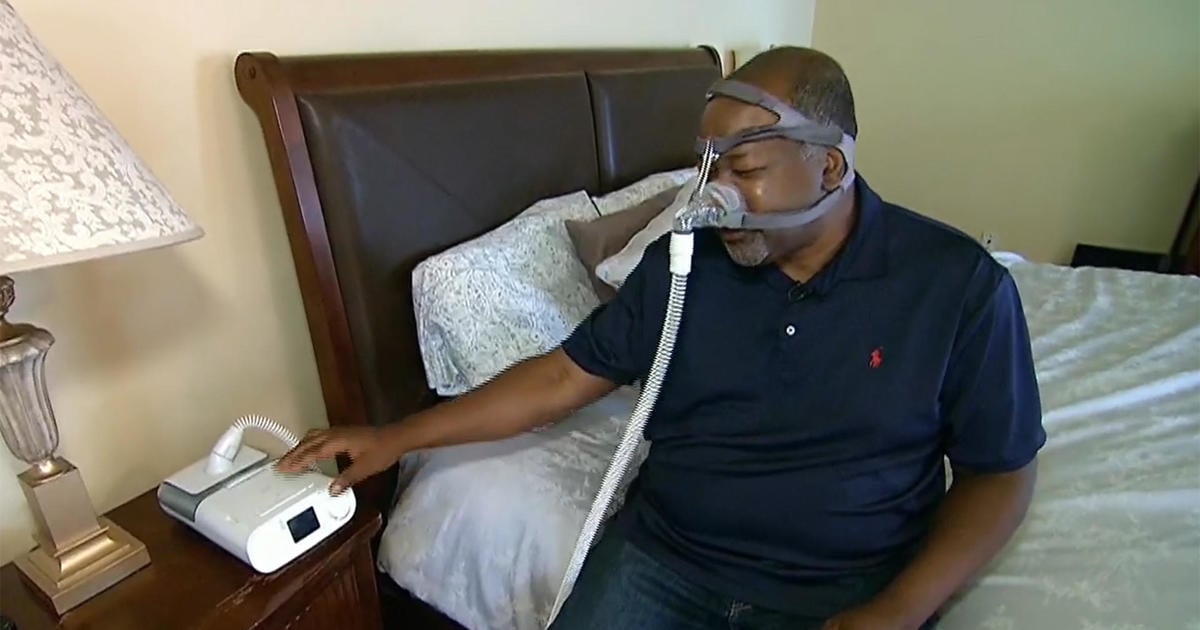
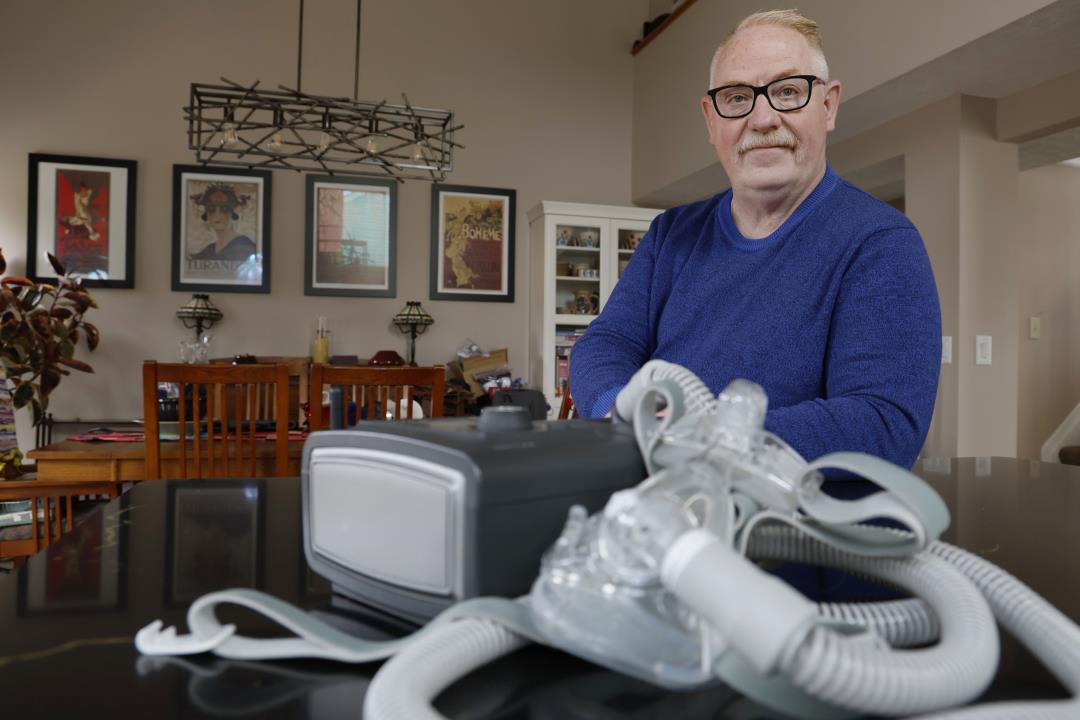
Rodney Thomas, 51, died from aggressive nasopharyngeal cancer after using a Philips sleep apnea machine, leading to his wife, Shawne Thomas, filing a lawsuit against the company. The machine was found to expel carcinogenic materials into users' airways, with nearly 600 people dying and thousands facing severe health conditions. The recall of over 5 million CPAP machines has led to a partial $479 million settlement, with claims of foam degradation and release of harmful chemical gases. Philips denies an association between its devices and increased cancer risk, but independent testing has found the presence of carcinogenic substances.
The FDA has linked at least 561 reported deaths to Philips sleep apnea machines, prompting a recall affecting millions of devices due to serious health hazards caused by the breakdown of polyester-based polyurethane foam. Philips has agreed to stop selling these devices in the U.S. and is in the process of a proposed class action settlement, offering compensation to affected users. Eligible individuals can submit a claim for compensation via the settlement website, with important deadlines to keep in mind for participation.
The FDA has reported 561 deaths linked to recalled Philips devices used to treat sleep apnea and other breathing disorders, with over 116,000 medical device reports of foam breaking down in the machines. Philips has agreed to a $479 million settlement and will stop selling the machines in the U.S., while continuing to service existing ones. Users affected by the recall can file claims for financial losses, and the deadline for submissions is August 9, 2024. The settlement does not affect claims for personal injuries or medical monitoring relief, and Philips denies conclusive data linking the devices to the reported deaths.
Philips is stopping sales of its recalled sleep apnea machines in the US due to foam particles being released into users' airways, leading to potential health risks. The company has reached a consent decree with the Department of Justice and FDA and will not sell new CPAP or BiPAP devices in the US until meeting FDA requirements. Philips has set aside €363 million to address the FDA's requirements and will continue to provide service to sleep and respiratory devices in the US while also selling the machines outside of the US.
Philips will stop selling its sleep apnea machines in the US after a global recall due to potential health risks associated with the polyester-based polyurethane foam used in the devices. The company has agreed to a consent decree with the FDA and the Department of Justice, potentially costing it nearly $400 million. The recall affects approximately 5 million CPAP machines and ventilators, with concerns about inhaling or swallowing foam particles and chemicals. Philips will continue to service existing machines in the US but cannot sell new ones until required changes are made.
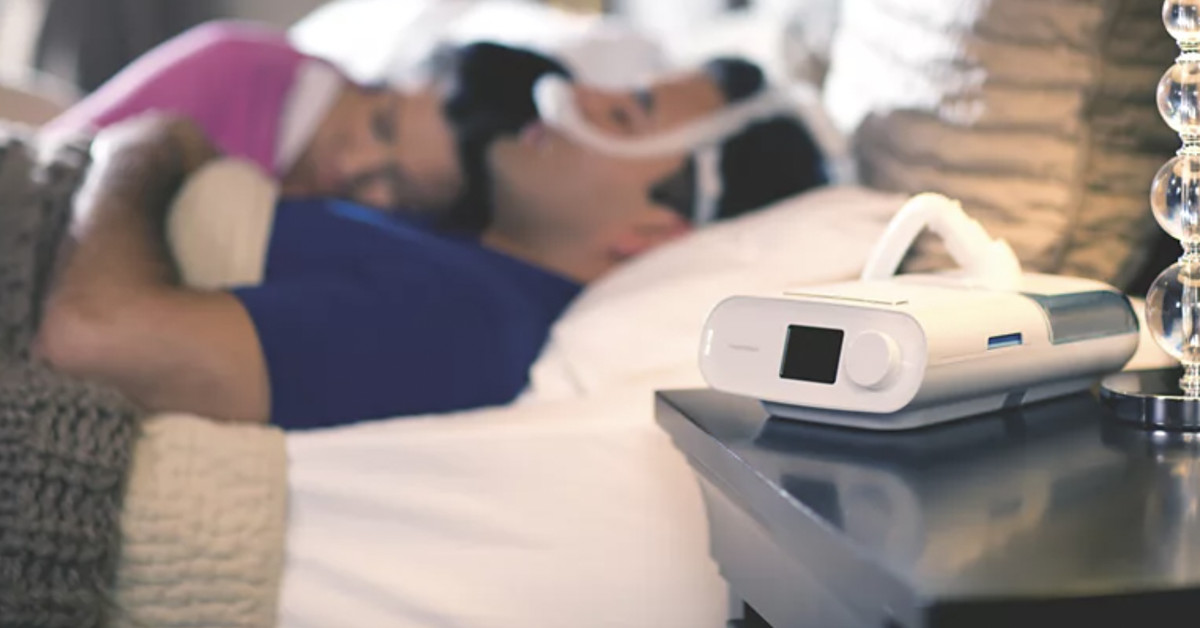
Philips is halting sales of its sleep apnea machines due to concerns about potential cancer risks associated with the devices. The company had previously recalled over 5 million CPAP machines in 2021 after discovering that they were blowing gas and foam into users' airways, increasing the risk of tumors. The FDA and Justice Department have forced Philips to stop new sales until the issue is addressed. The company is facing over 700 lawsuits alleging that the devices caused patients to develop cancers and other health problems. The recall affects various CPAP and Bi-Level PAP devices, and affected consumers are advised to register their devices and review information provided by Philips.
Philips has halted sales of its sleep apnea machines in the US following a global recall due to concerns that the devices could release harmful particles and chemicals into users' lungs. The company initially promised to repair the machines, but the process dragged on for years, leaving patients with dangerous machines or untreated sleep problems. Philips has reached a tentative deal with the US FDA to stop sales of its Respironics devices in the US, estimating the process may cost upwards of $400 million. The consent decree lays out guidelines for the company to meet before bringing the machines back to the US market, while plans to continue the sleep apnea business in other parts of the world are subject to certain requirements.
Philips has agreed to halt sales of its CPAP devices in the US under a tentative agreement with regulators, following a global recall of over 5 million machines due to potential health risks from degraded foam. The company could face a $400 million cost as it works to address the issue and meet corrective actions outlined by the FDA. While it will continue servicing previously sold machines, it cannot sell new ones until compliance is achieved. The FDA has warned of potential health risks associated with the foam degradation, and the company still faces personal injury lawsuits related to the devices.