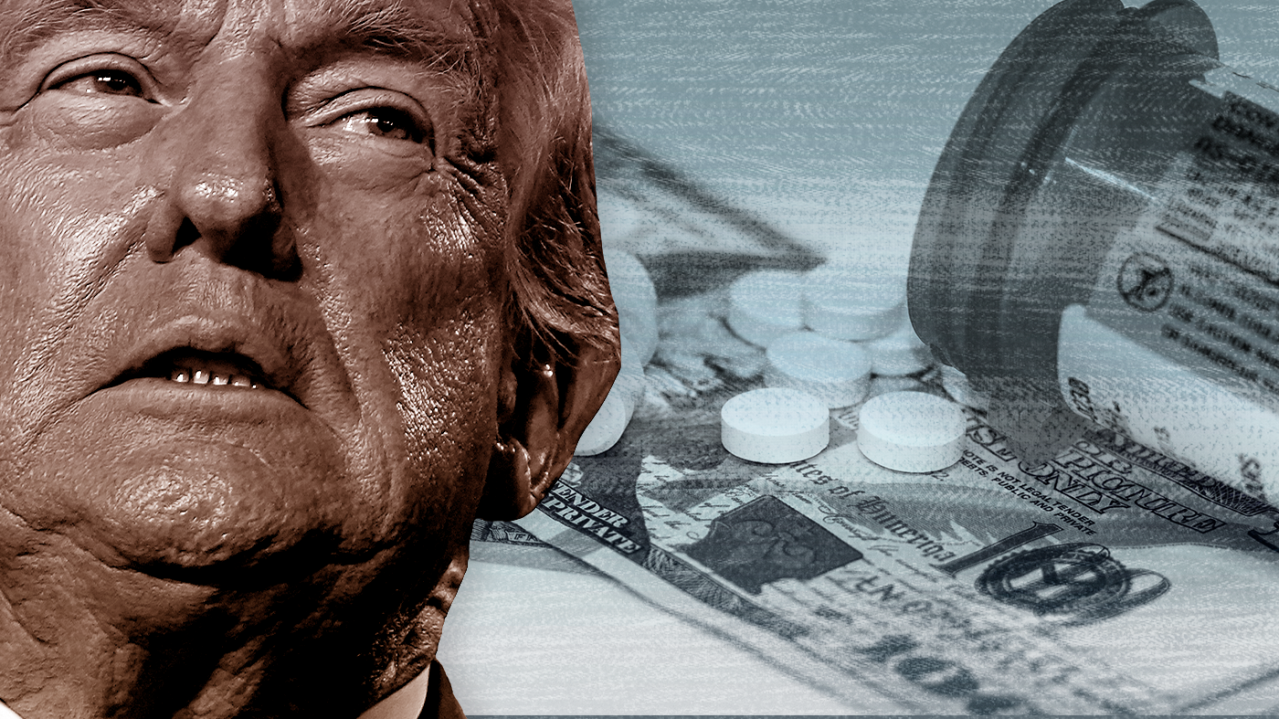
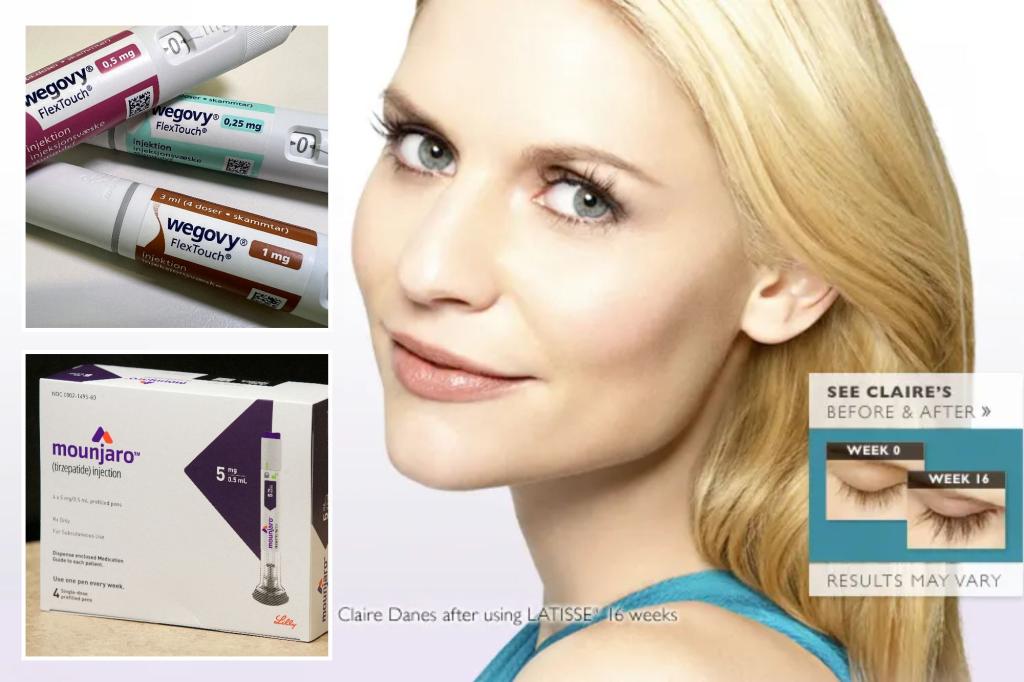
A 1997 FDA regulation change created a loophole allowing pharmaceutical companies to advertise on TV with minimal safety disclosures, leading to a billion-dollar industry that now spends over $5 billion annually on TV ads, significantly impacting sports broadcasters' revenue.
The Trump administration's executive order aims to increase transparency in pharmaceutical TV advertising, potentially disrupting the industry and media revenue, with some experts suggesting legal challenges and a shift towards more honest drug marketing to improve public health awareness.
The U.S. government plans to implement reforms requiring prescription drug ads to include full safety warnings, which could lead to reduced advertising spending on TV, negatively impacting broadcasters and media stocks like Nexstar, Disney, and Comcast. The changes aim to curb misleading advertising but may face legal and industry pushback, creating uncertainty about the future of pharmaceutical advertising on television.
The Trump administration is cracking down on misleading pharmaceutical ads by sending cease-and-desist letters to drug companies, increasing transparency requirements, and closing a loophole that allowed companies to hide safety information, aiming to reduce deceptive practices and improve public trust in drug advertising.
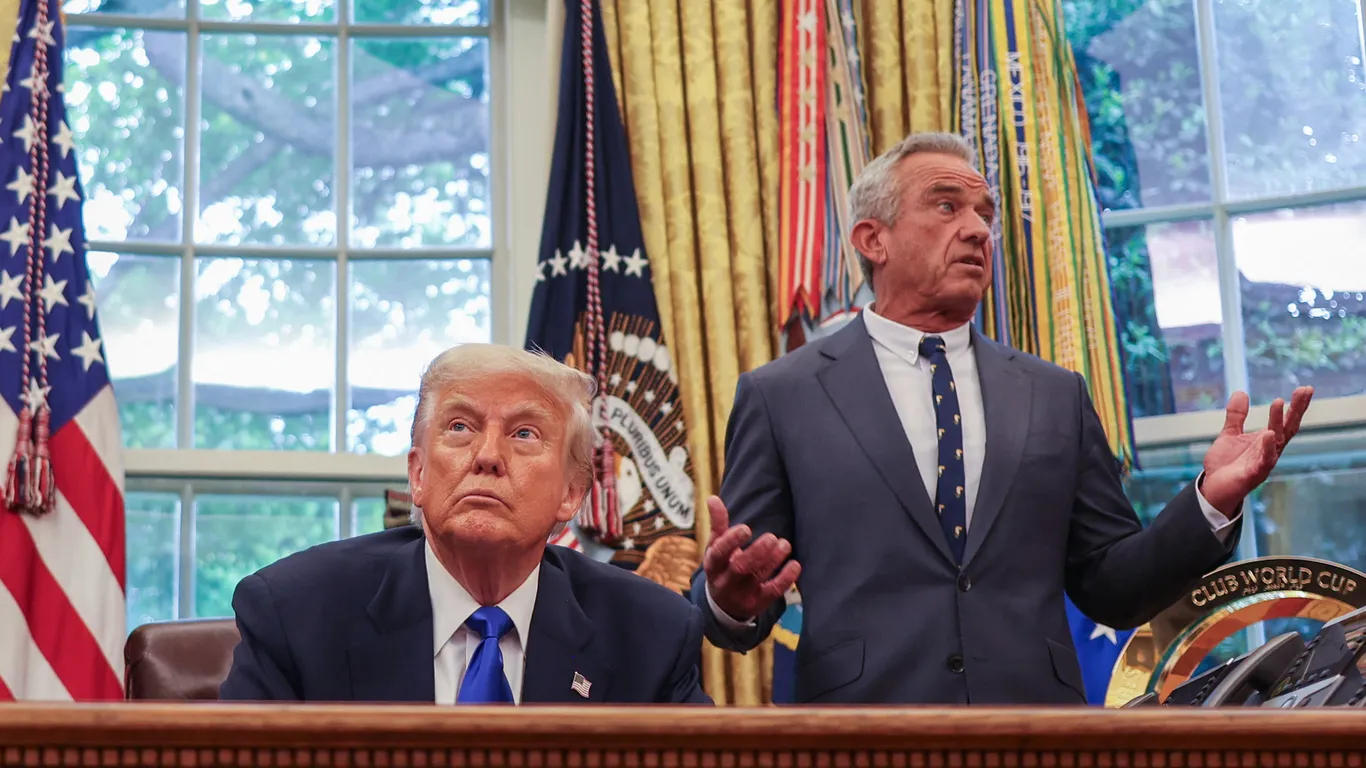
President Trump signed a memorandum to enforce transparency laws on pharmaceutical advertising, especially on social media, by sending enforcement and warning letters to ensure accurate and complete information about drug risks, aiming to curb misleading promotions and improve public safety.
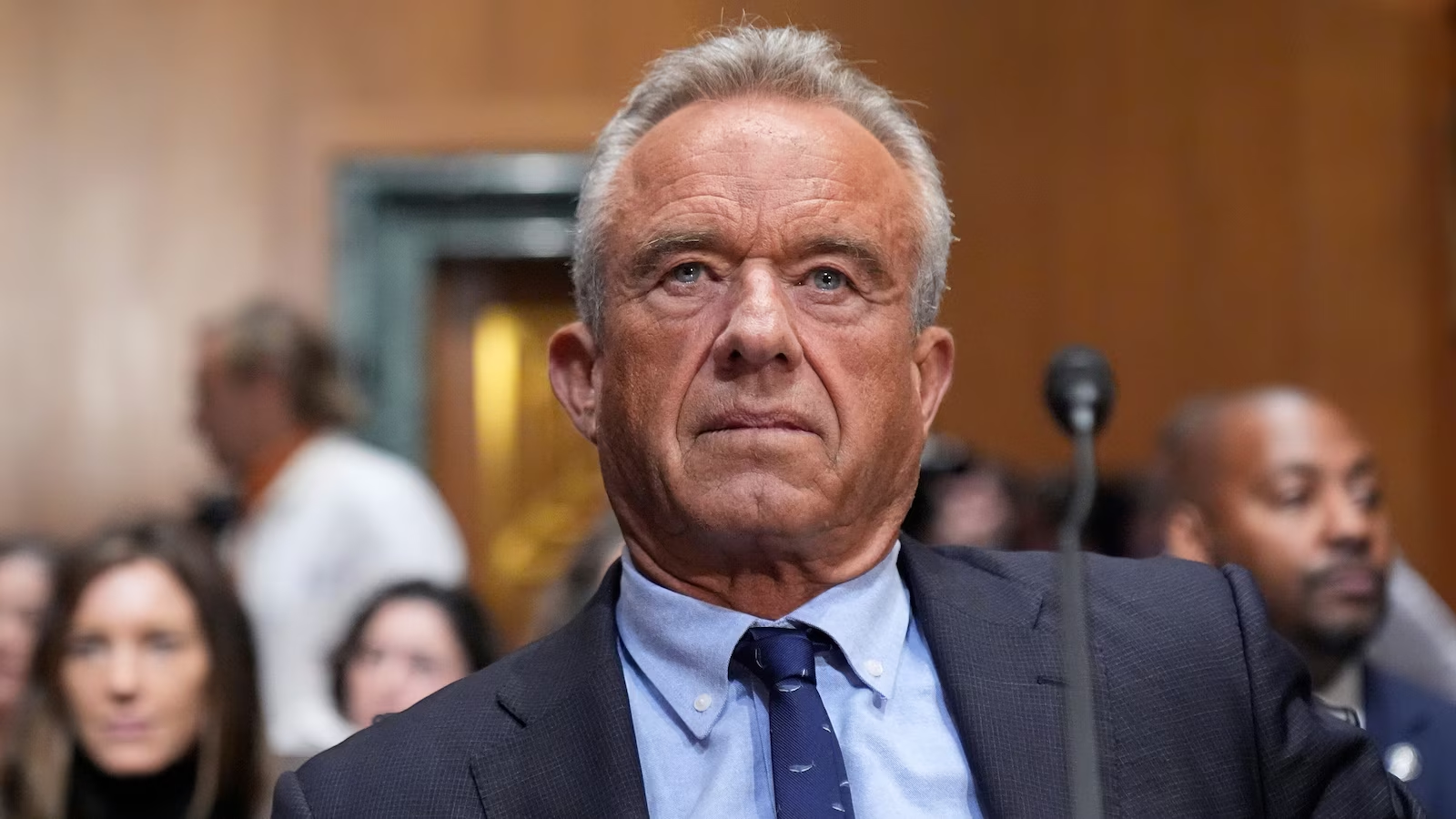
President Trump announced plans to crack down on pharmaceutical advertising, aiming to address concerns over overmedicalization of children and the influence of direct-to-consumer drug ads, which have increased prescriptions and raised health risks. The move seeks to strengthen FDA oversight, especially on social media, to ensure more balanced and responsible drug marketing.
The process of naming pharmaceutical drugs involves careful consideration of factors such as the number of letters and syllables, as well as the inclusion of specific letters like Z or X to make the name stand out. Jingles and catchy tunes in commercials help people remember the branded names of drugs. Research has shown that consumers are drawn to drugs with names starting with Z, which imparts a high-tech, sciency feeling. Sometimes the same drug has multiple names depending on its usage, and names are chosen to differentiate drugs with similar formulations. The naming process also involves creating a brand personality and considering the target audience.