Tag

Perseus Cluster

All articles tagged with #perseus cluster

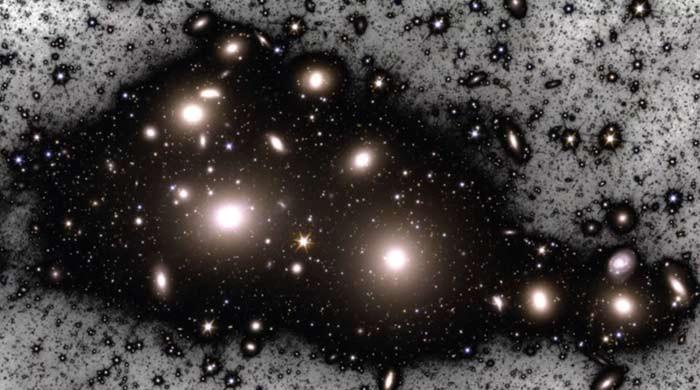
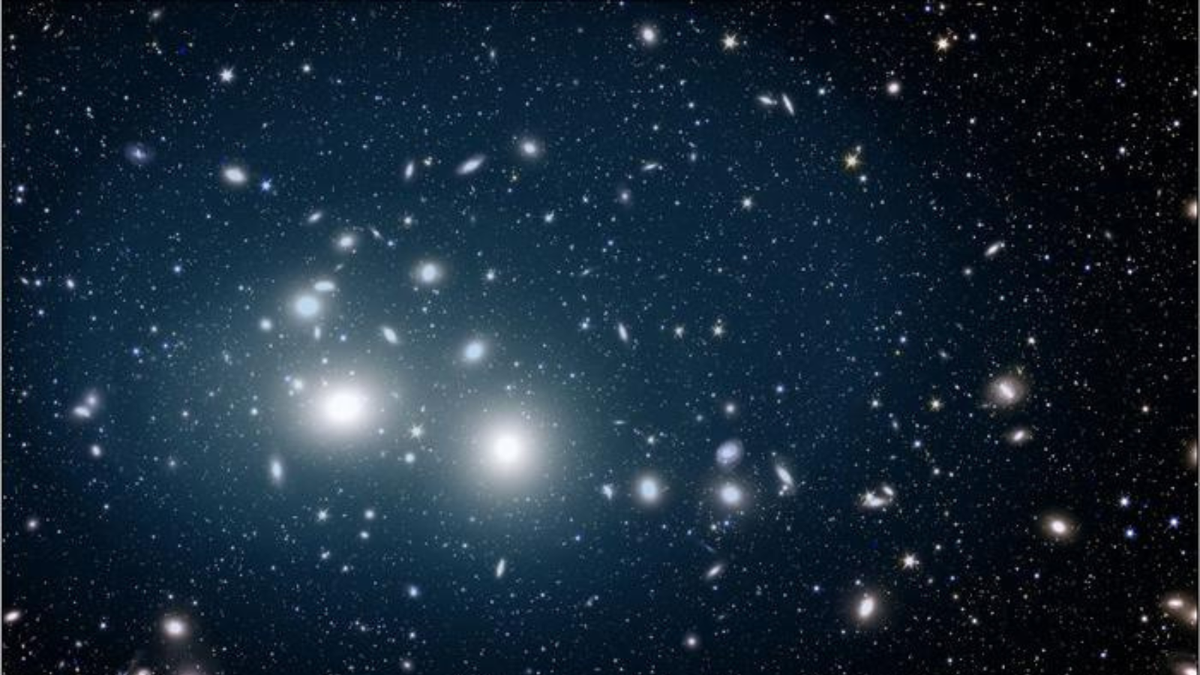
"Euclid Telescope Unveils Trillions of Orphan Stars and Galactic Wonders"
space-exploration1 year ago

"Euclid Telescope Unveils Trillions of Orphan Stars and Galactic Wonders"

The Euclid space telescope has discovered 1.5 trillion orphan stars in the Perseus galaxy cluster, emitting faint intracluster light. These stars, originating from disrupted smaller galaxies, are spread up to 2 million light-years from the cluster's center. The findings suggest a recent merger in the cluster, causing gravitational disturbances. This discovery, part of Euclid's early observations, enhances understanding of galaxy evolution and dark matter mapping.

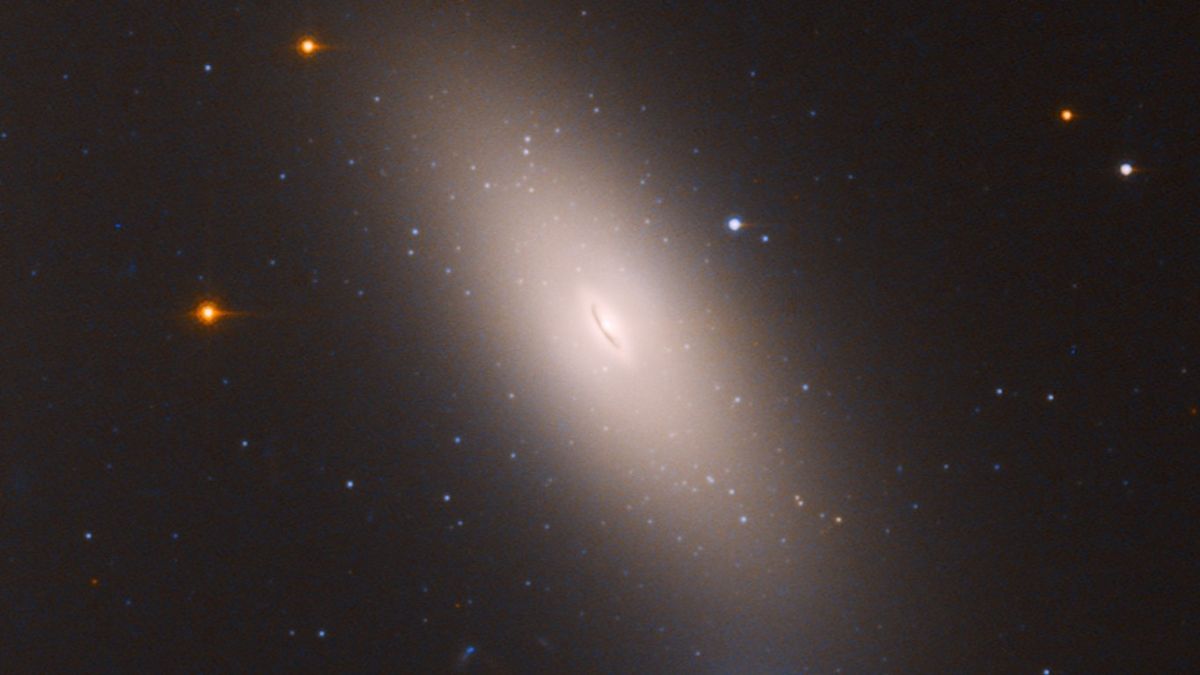
Mysterious 'Relic Galaxy' Defies Universal Norms, Puzzling Scientists
science2 years ago

Mysterious 'Relic Galaxy' Defies Universal Norms, Puzzling Scientists

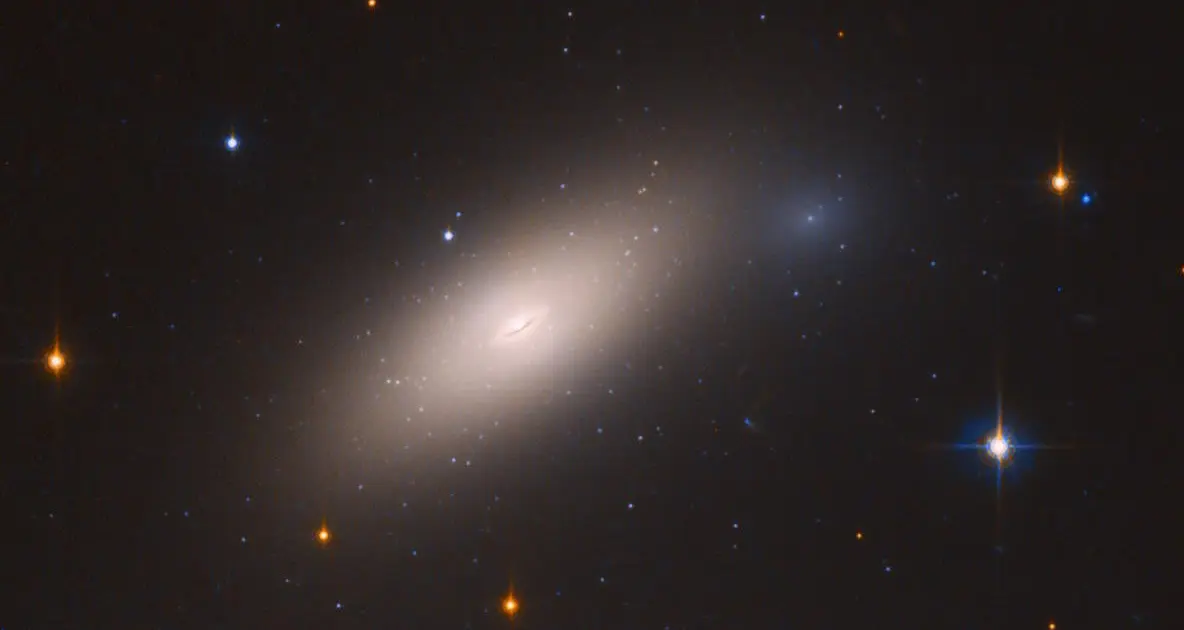
Galaxy NGC 1277, located in the Perseus Cluster, appears to be missing dark matter, challenging current cosmological models. Dark matter, which makes up 85% of the matter in the universe, is typically present in large galaxies. The absence of dark matter in NGC 1277 suggests that it may have been stripped away by gravitational interactions or expelled during the galaxy's formation. This discovery challenges alternative theories to dark matter and raises questions about how a massive galaxy can form without it. Further research is needed to understand this anomaly.

Galactic annihilation recipe finally disclosed.
astronomy2 years ago

Galactic annihilation recipe finally disclosed.

Astronomers classify galaxies as "alive" if they are actively forming new stars. Galaxies lacking new stellar populations are called "red-and-dead." Molecular gas reserves are key to forming new stars within galaxies, and if a galaxy possesses no new stars, it must be gas-free. Gas can be removed by intense star-formation periods, mergers, and interactions. Rapid journeys through a galaxy cluster's intergalactic medium also strip interior gas away. The first red-and-dead galaxy in our cosmic backyard was identified in 2018: NGC 1277, which hasn't formed new stars in approximately 10 billion years.