Germany's far-left Die Linke party abstained from a vote on a pension package, effectively ensuring its passage and saving Chancellor Friedrich Merz's coalition from a political crisis, although this move also highlights the fragile and ideologically diverse nature of the government.
Many Generation X individuals face financial challenges for retirement, with low savings, lack of confidence, and a shift away from pensions towards 401(k)s, which have historically been less robust, leading to concerns about outliving savings and postponing retirement.
A Russian bomb exploded in Yarova, Ukraine, killing at least 23 civilians, mostly elderly people collecting pensions, and injuring 18, prompting Ukrainian President Zelensky to call for a global response and increased sanctions against Russia.
A Russian air strike in Yarova, Ukraine, killed 23 civilians and wounded 18, targeting a pension distribution site near the front line, marking one of the deadliest recent attacks on civilians in the ongoing conflict, with Ukrainian officials calling for international response.
The UK government is reviving the Pensions Commission to address the significant shortfall in retirement savings, especially among low earners, women, and ethnic minorities, warning that future pensioners will be worse off unless action is taken to boost private pension contributions and reform the system, with a report expected in 2027.
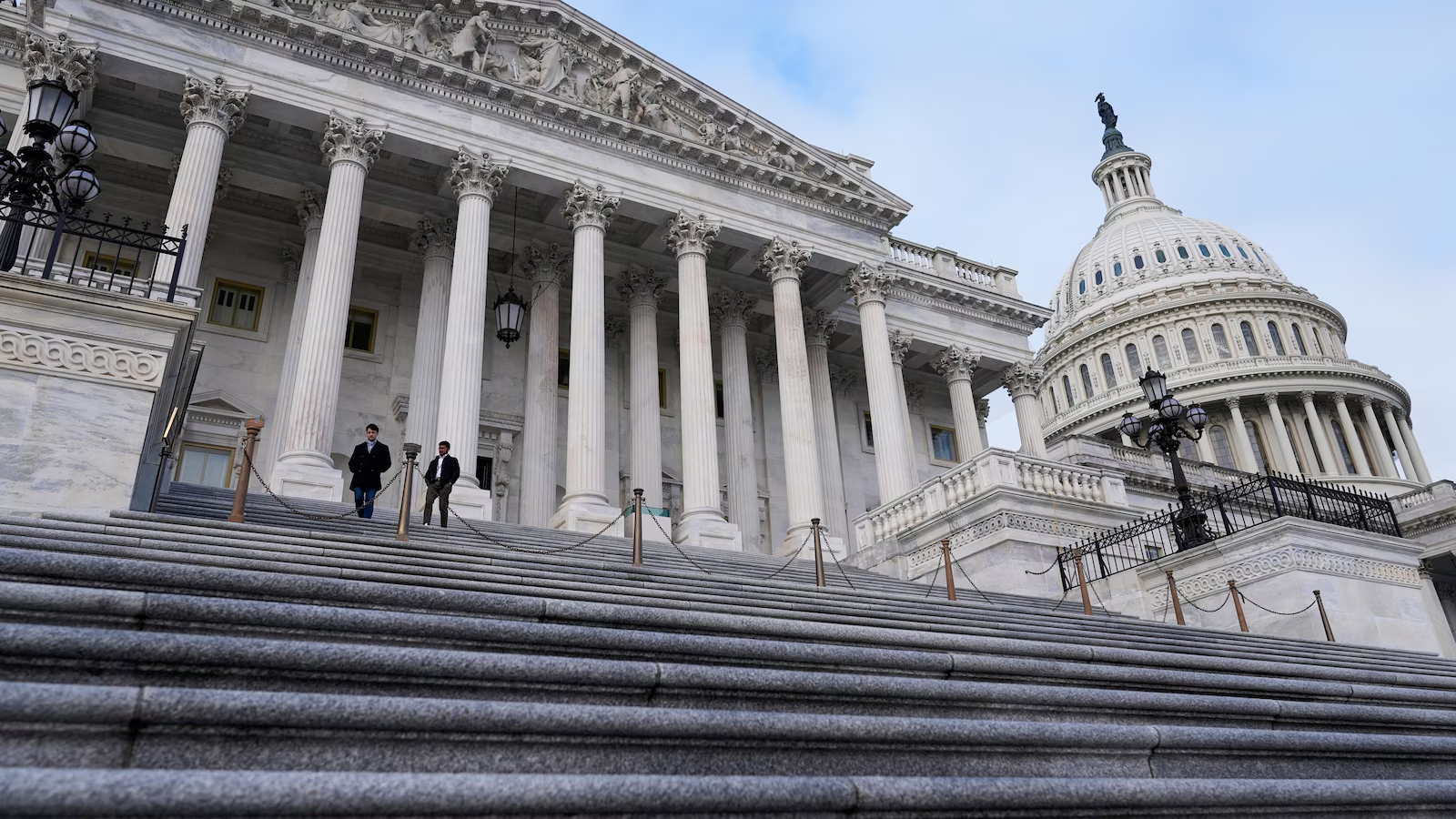
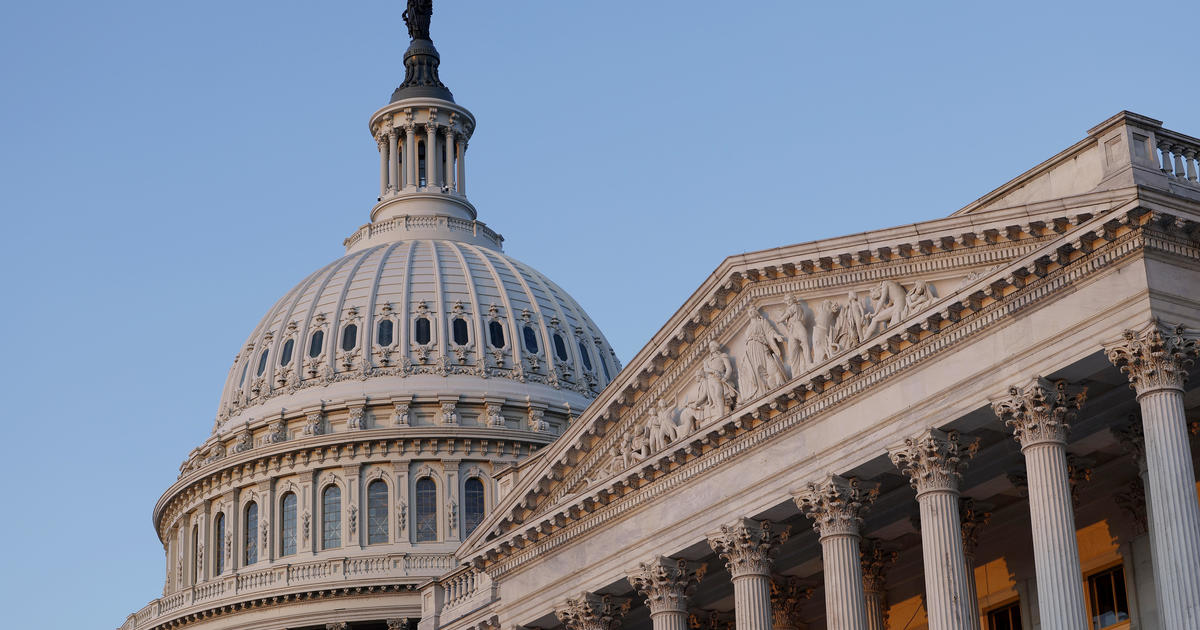
The House has passed a bill to expand Social Security benefits by repealing the Windfall Elimination Provision and Government Pension Offset, which limit payouts for about 2.8 million people, including government workers and their spouses. The bill, which has bipartisan support, now moves to the Senate, where its passage is uncertain. If enacted, it would increase federal deficits by $195 billion over 10 years, adding strain to the Social Security Trust funds. The bill must pass the Senate by January 3, 2023, or it will expire.
U.S. House members earn an annual salary of $174,000, a figure unchanged since 2009, with leadership roles like the Speaker of the House earning more. Members cannot hold other jobs while serving, but many are already wealthy through investments. They also receive pensions significantly higher than those in the private sector, and a death gratuity is paid to heirs of members who die in office. These benefits highlight the financial advantages of serving in Congress.
Democrats are highlighting the Butch Lewis Act, part of President Biden's American Rescue Plan, which has saved over 1 million union workers' pensions and aims to prevent cuts for 2 million retirees. The law, named after a Teamsters union leader, provides financial assistance to struggling multi-employer pension plans. This move is part of the Democrats' strategy to secure union votes in swing states like Pennsylvania ahead of the general election.
The Conservative Party has announced a "Triple Lock Plus" scheme to raise the tax-free pension allowance if they win the general election, ensuring the state pension remains below the tax-free threshold. This move aims to prevent pensioners from paying income tax due to frozen tax thresholds. Critics, including Labour and the Liberal Democrats, have dismissed the plan as a gimmick, while the Institute for Fiscal Studies notes it mainly prevents a tax rise rather than offering a significant tax cut.
A recent column on early retirement sparked a debate among readers, revealing diverse perspectives on the topic. While some find early retirement liberating and fulfilling, others cherish the purpose and community that work provides. Key factors for successful early retirement include early and consistent saving, living within means, and having a pension. However, many Americans are undersaved and fear outliving their money, highlighting the importance of financial planning and understanding personal happiness.
The "peak boomers" cohort, comprising over 30 million individuals born from 1959 to 1964, are set to retire without substantial pensions, leading to potential economic challenges. A report indicates that over half of this group have $250,000 or less in assets, with many likely relying primarily on Social Security in retirement. This retirement wave could impact the US economy, with projections of decreased productivity and consumer spending. The shift from defined benefit pensions to 401(k)s has contributed to this crisis, and many retirement-aged Americans are currently living on modest incomes, prompting concerns about financial security in old age.
Private equity firms have increasingly taken over various sectors of the U.S. economy, including health care, housing, jobs, and pensions, with concerns raised about the impact on patient care, housing costs, and worker safety. A new analysis by the Private Equity Stakeholder Project details the extent of private equity's involvement in these areas across all 50 states, highlighting risks and prompting calls for more transparency and regulation. Critics argue that private-equity acquisitions can harm patients and workers, while the industry maintains that its investments improve the sectors they enter.
A recent survey indicates that most Americans prefer traditional pensions over 401(k) plans for retirement security, despite the decline of private-sector pension participation. While pensions are popular, they are largely confined to the public sector, and their return to the private sector faces challenges due to cost and complexity. Although some recent developments have sparked enthusiasm for a pension comeback, retirement experts do not foresee many corporations reviving traditional pensions due to their expense and the shift of risk from the employer to the employee.
Inflation has left many Americans longing for the security of pensions in retirement, as 90% of those with 401(k) plans worry about their ability to withstand financial strains. The shift from pensions to 401(k)s has left many retirees vulnerable, especially with the recent surge in inflation. Annuities are being considered as a potential solution, offering a guaranteed income stream, but with some drawbacks. While annuities can provide stability, they may tie up funds and be complex. However, they are now allowed in defined contribution plans, offering a way to insure income streams and provide peace of mind for retirees.
Swiss voters approved a plan to raise pensions, marking the first time in the country's history that social benefits received an increase through a plebiscite. The proposal to introduce a 13th annual payout to pensioners was supported by 58.2% of the electorate, while a second initiative to raise the retirement age was rejected. The approval, which will increase pensions by about 8%, is set to send the government scrambling to find the estimated additional annual cost of 4.1 billion Swiss francs, likely requiring an increase in value-added tax.