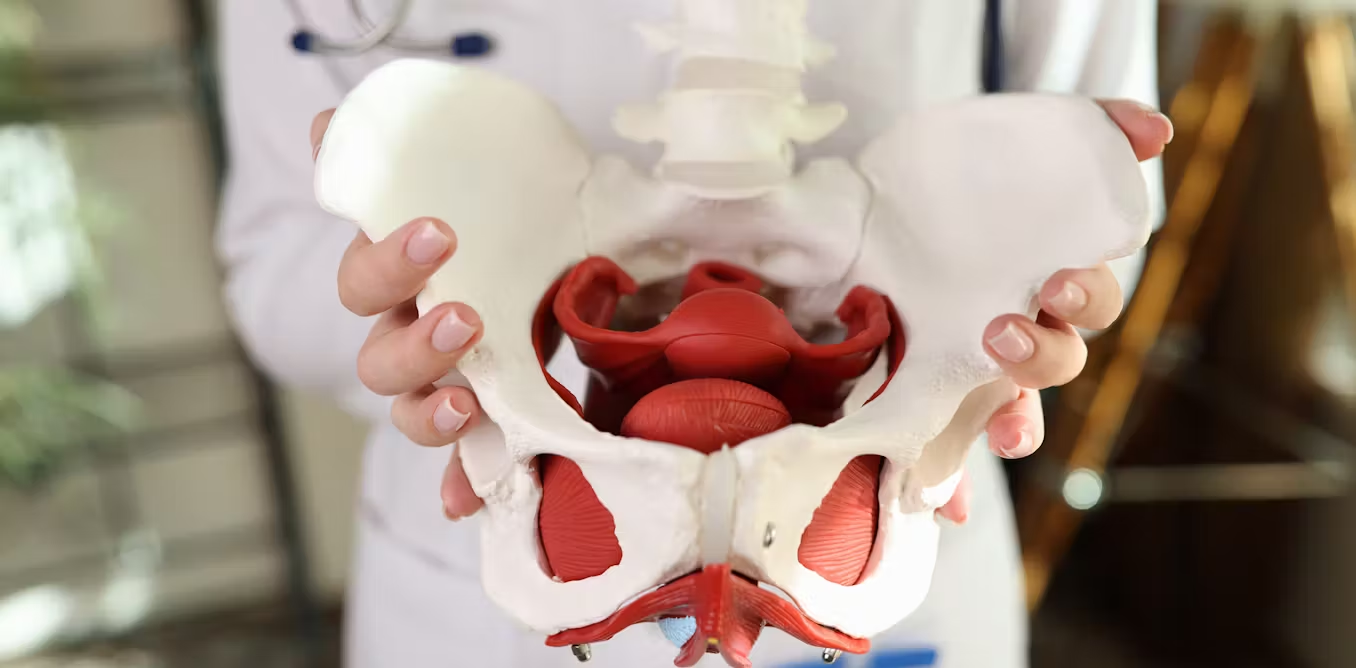
Pelvic floor dysfunction is common among women, especially those engaging in high-impact exercise, and can cause symptoms like incontinence and prolapse. It is often preventable through regular pelvic floor exercises, maintaining a healthy weight, and good bowel habits. Strengthening these muscles can improve quality of life and resilience against injury.
A study from the Federal University of Pernambuco in Brazil found that trans-identifying women taking testosterone experience menopausal symptoms such as incontinence, sexual dysfunction, and bowel issues, even in their 20s. The research, published in the International Urogynecology Journal, revealed that over 94% of participants had pelvic floor dysfunction, with significant impacts on their daily lives. Experts stress the need for better risk communication in gender clinics.
New research highlights significant long-term health risks for trans-identified female patients using testosterone, including high rates of pelvic floor dysfunction, bladder control issues, sexual dysfunction, and bowel movement problems. Experts warn that these complications mirror those seen in menopausal women but occur decades earlier, raising concerns about the disconnect between the perceived benefits and actual risks of gender-affirming medical interventions.
Gastroenterologists suggest natural ways to improve constipation, including increasing fiber intake, staying hydrated, exercising regularly, using food as a natural laxative, using a squatty potty, and trying physical therapy for pelvic floor dysfunction. A new prescription electronic capsule called Vibrant is also available for certain people with chronic constipation. However, if natural remedies do not work for severe cases, medication may be necessary.