BBC Verify investigates social media accounts linked to Tyler Robinson and his roommate, revealing online activity related to gaming, politics, and personal experiences with gender transition, but cannot confirm ownership of the accounts.
The Supreme Court, in a divided decision, upheld Tennessee's law banning minors from using hormones and puberty blockers for gender transition, marking a significant ruling on transgender rights.
The US Supreme Court upheld Tennessee's ban on gender transition care for minors, ruling that the law does not discriminate based on sex, a decision that could influence similar laws in other states. The ruling was 6-3, with dissenting justices arguing it endangers transgender youth and constitutes discrimination. The case marks the first time the court has addressed transgender healthcare.
Russian President Vladimir Putin has signed a law banning the adoption of Russian children by citizens of countries where gender transitioning is legal. This move is part of a broader legislative effort to suppress sexual minorities and promote traditional values in Russia. The adoption ban affects at least 15 countries, including several in Europe, as well as Australia, Argentina, and Canada. Additionally, new laws have been enacted to penalize the promotion of remaining child-free, with fines up to 5 million rubles. These measures align with Putin's emphasis on traditional family values and his criticism of Western liberal ideologies.
Russian President Vladimir Putin has signed a law banning the adoption of Russian children by citizens of countries where gender transitioning is legal, as part of a broader legislative effort to suppress sexual minorities and promote traditional values. The law affects at least 15 countries, including several in Europe, as well as Australia, Argentina, and Canada. This move follows a series of laws targeting LGBTQ+ rights and promoting pro-natalist policies, amid claims that Western liberal ideologies threaten Russia's demographic stability.
A federal appeals court has upheld an Indiana law banning puberty blockers and hormones for transgender minors, aligning with similar laws in other Republican-led states. The 7th U.S. Circuit Court of Appeals' decision may influence a pending U.S. Supreme Court case on a similar Tennessee law. The court rejected arguments that the law discriminates based on sex or infringes on parental rights. The ruling reflects ongoing national debates over transgender healthcare for minors, with proponents citing child protection and opponents highlighting mental health benefits.
New research highlights significant long-term health risks for trans-identified female patients using testosterone, including high rates of pelvic floor dysfunction, bladder control issues, sexual dysfunction, and bowel movement problems. Experts warn that these complications mirror those seen in menopausal women but occur decades earlier, raising concerns about the disconnect between the perceived benefits and actual risks of gender-affirming medical interventions.
The Department for Education in England has released new transgender guidelines stating that teachers should not be obligated to accept requests from students who want to socially transition at school. The draft guidance emphasizes the importance of parental involvement in significant decisions affecting a child's future and states that teachers and staff won't face sanctions if they don't adopt new pronouns. The guidance aims to provide clarity and confidence to teachers and school leaders, ensuring that schools remain respectful and tolerant environments while prioritizing the safety and safeguarding of all children. In contrast, some school districts in the US have been accused of secretly transitioning children at school without parental consent.
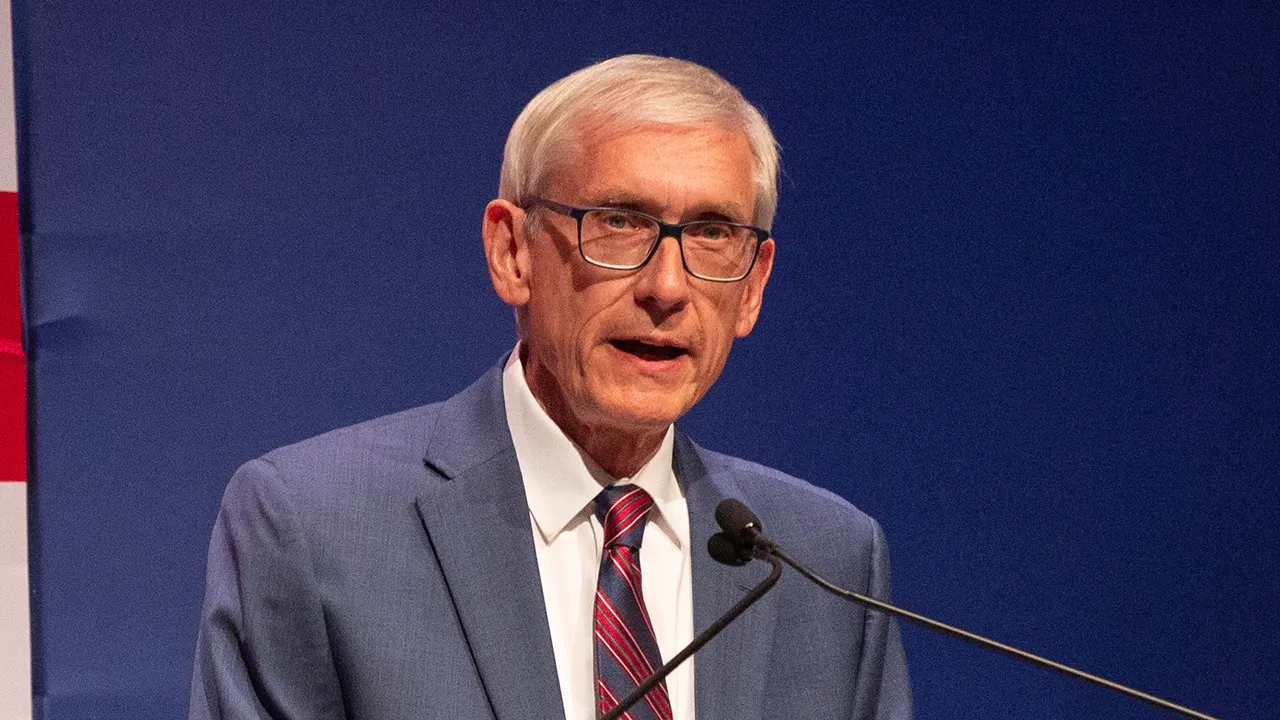
Wisconsin Governor Tony Evers, a Democrat, has vetoed a bill passed by the Republican-controlled state legislature that aimed to ban gender transition treatments for minors. Evers, who had previously expressed his opposition to proposals harmful to LGBTQ+ youth, stated that such legislation harms LGBTQ+ individuals, promotes hate and violence, and threatens the safety and dignity of LGBTQ+ Wisconsinites. Supporters of the bill argued that medical opinions on gender transition treatments could change in the future and that current treatments could be irreversible. Similar laws in other states have also faced legal challenges.
The 4th U.S. Circuit Court of Appeals is considering whether state health insurance plans should cover surgeries and treatments related to gender transition in two separate appeals by North Carolina and West Virginia. The court appeared divided on the issue, with judges questioning both sides. The arguments revolved around whether the exclusions in the insurance programs were discriminatory or based on diagnoses and treatments. The court's ruling will help determine whether denying coverage for certain medical procedures for transgender individuals constitutes discrimination.
A California school district has settled a landmark case with a single mother, Jessica Konen, who sued after her 11-year-old daughter was socially transitioned from a girl to a boy without her consent. The school allowed the child to use the boys' bathroom, referred to her with male pronouns, and socially transitioned her without informing the mother. Konen emphasized the importance of parental involvement and urged educators to stop keeping things from parents, as it creates division within families. The settlement has sparked a nationwide conversation about parental rights and the need for schools to respect them.
The American Academy of Child and Adolescent Psychiatry (AACAP) has rejected multiple panels featuring leading European psychologists discussing Europe's move away from chemical interventions for children with gender dysphoria, raising concerns about the politicization of American medicine and highlighting a clinical divide between the United States and much of the world. The panels would have presented data on the more cautious treatment approach taken by Finland, Sweden, and England, which restrict access to puberty blockers and cross-sex hormones. The rejection of these panels suggests a lack of willingness to consider alternative viewpoints within the AACAP, and raises questions about the influence of activist doctors on medical consensus.
Over 200 new laws will go into effect in Florida this weekend, including a permit-less carry law allowing guns to be carried without a permit, a 6-week abortion ban, and a ban on gender transition care for minors. Other laws include defunding diversity equity and inclusion initiatives in state colleges and universities, prohibiting public school employees from using pronouns other than those matching students' gender at birth, and banning the use of TikTok in school districts. The new laws align with the Republican party's platform and have faced opposition from Democrats. Several other laws will be active in the coming months.
A federal judge has overturned a law in Arkansas that banned doctors from providing gender transition treatment for transgender youth, ruling that the state had failed to prove its law was about "protecting children". The decision may have implications for similar measures in other Republican-led states. The ACLU challenged the law on behalf of four transgender teenagers, their families and two doctors. The ruling may set the precedent for the ACLU to challenge seven other state bans on hormonal or surgical treatments for transgender minors.
The UK National Health Service has announced a ban on puberty blockers for gender transitions for minors outside of clinical trials and will regulate gender transition treatments for minors. The NHS will adopt a holistic, multi-disciplinary integrated approach to assessing and responding to an individual's needs and will center on fully involving the child or young person and their family. The new protocols now require expertise for the direct assessment of autism, attention deficit hyperactivity disorder, and other forms of neurodiversity to be included in a minor's treatment plan when addressing gender dysphoria.