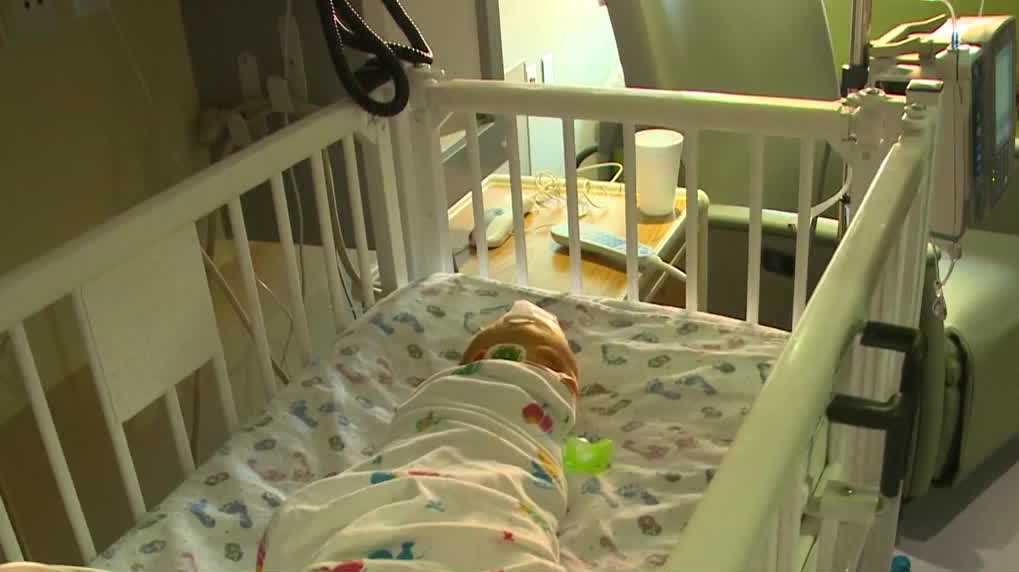
Providence is considering closing the inpatient pediatric wing at Santa Rosa Memorial Hospital, which could force families to seek care in San Francisco or Oakland, potentially impacting hundreds of children and their families.
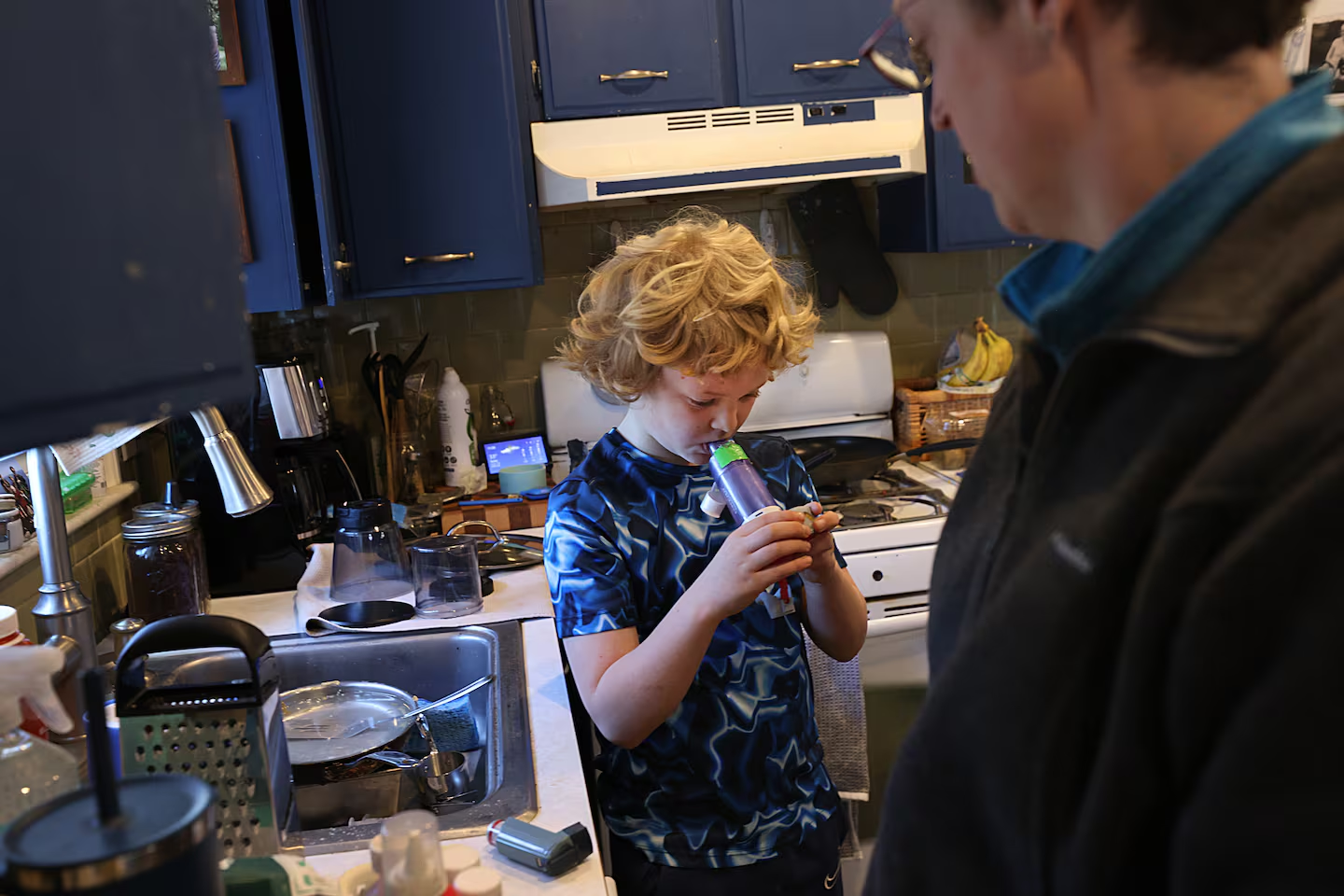
The discontinuation of the asthma drug Flovent by GSK, in response to federal price control penalties, has led to increased costs and access issues for patients, particularly affecting Medicaid providers and pediatric asthma care. The switch to a more expensive generic version has been criticized by Senator Elizabeth Warren as price gouging, with studies indicating a significant rise in Medicaid spending and pediatric asthma-related hospital admissions. Families and healthcare providers are struggling to find affordable and effective alternatives, highlighting the broader challenges in drug pricing and healthcare access.
Walking pneumonia cases are increasing in Lancaster County, particularly affecting young children aged 2 to 4. Health systems in the area, including Penn State Health and UPMC, report a rise in cases, though specific numbers are not provided. Walking pneumonia, often caused by Mycoplasma pneumoniae, presents symptoms similar to a persistent cold and can lead to more severe symptoms like coughing and shortness of breath. Parents are advised to keep sick children at home, ensure they rest, and seek medical attention if symptoms worsen. Preventative measures include frequent hand washing and avoiding crowded places.
Blank Children's Hospital in Des Moines is facing a surge in hospitalizations of young children with respiratory illnesses, leading to a shortage of beds. Pediatric infectious disease Dr. Joel Waddell attributes the spike to the COVID-19 pandemic and the isolation of young children during their formative years, leaving them more vulnerable to diseases now. He advises parents to ensure their children are up to date on vaccinations and to keep them home if they have a fever, seeking medical attention if necessary.
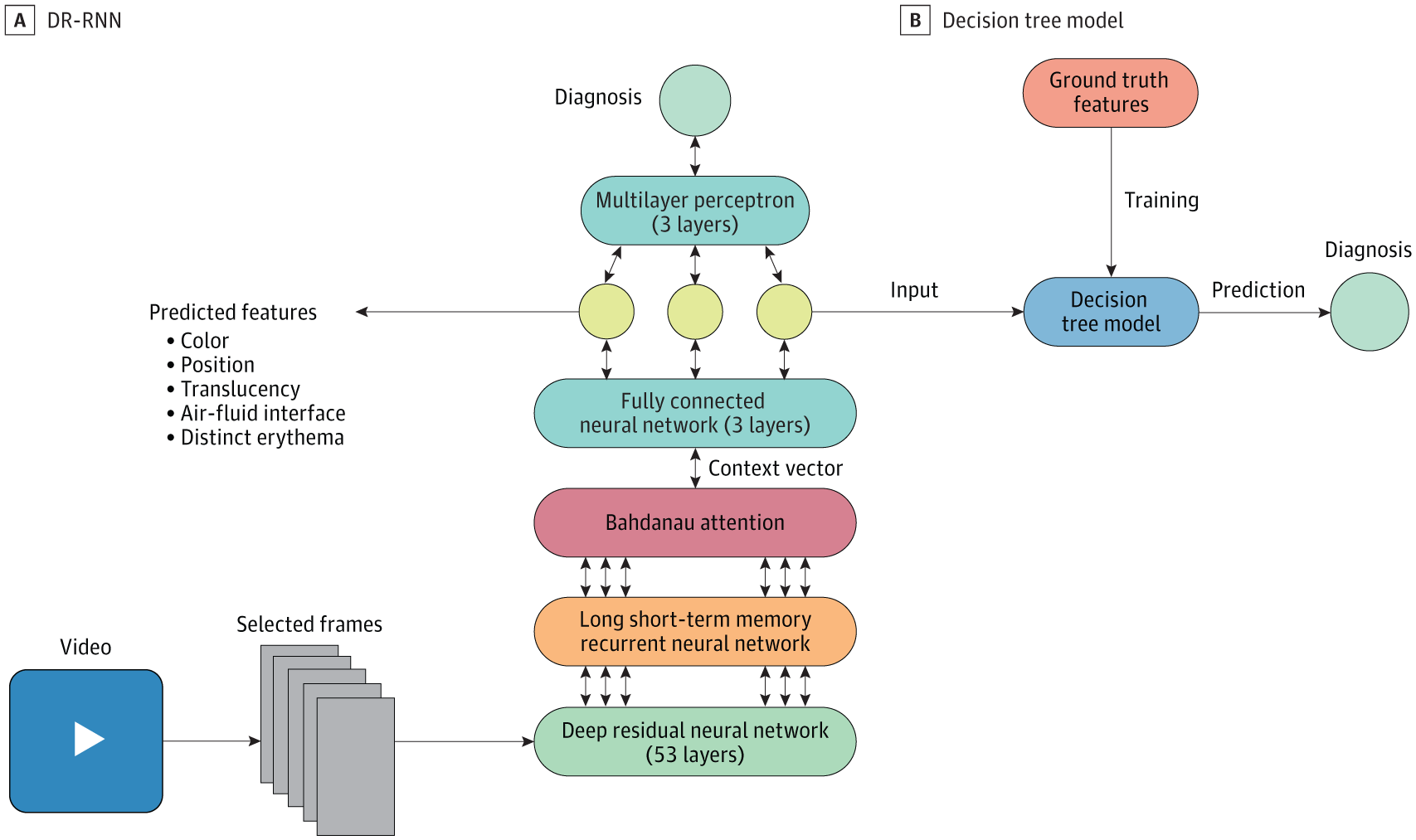
A study developed an artificial intelligence decision-support tool to interpret videos of the tympanic membrane, achieving a sensitivity of 93.8% and specificity of 93.5% in diagnosing acute otitis media in children. The tool, trained using deep residual-recurrent neural networks, could enhance accuracy in primary care settings and aid in treatment decisions, potentially transforming otoscopy in pediatric care.
Local doctors and health districts are urging people to get measles vaccinations as the disease has resurfaced in the United States due to a decline in immunization rates. Dr. John Cox emphasizes the importance of vaccination in protecting not only children but also vulnerable populations such as pregnant women and the elderly. With the recent measles cases reported in Ohio and Pennsylvania, the need for prevention and rapid care has become crucial, leading to the introduction of 'After Hours Pediatrics' at Wee Ones Pediatrics to provide convenient access to pediatric care beyond regular business hours.
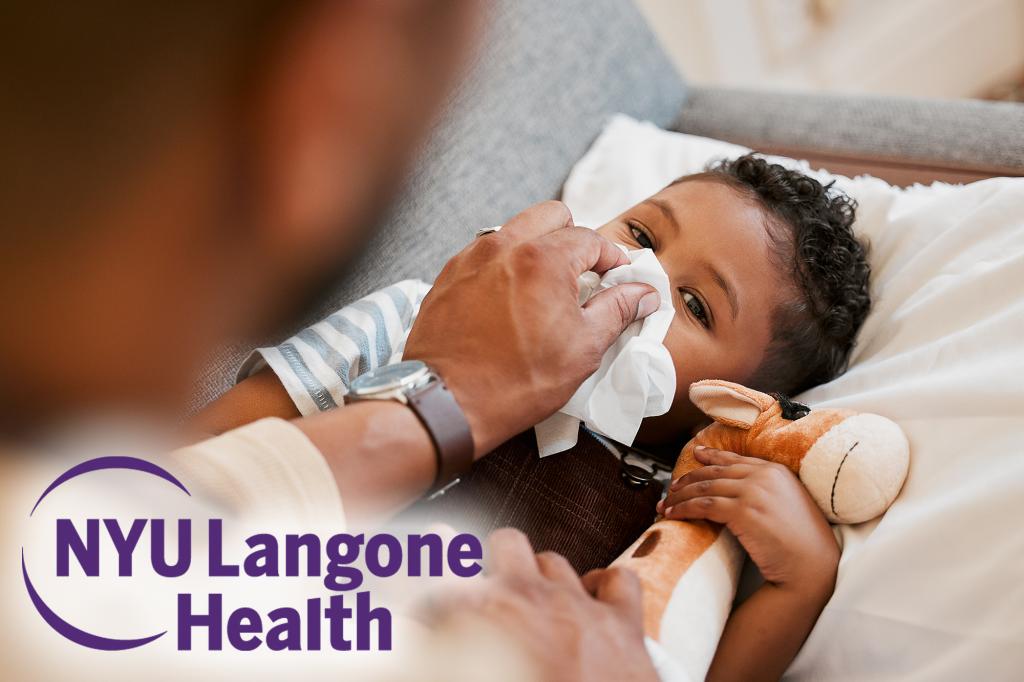
As cold and influenza season approaches, Dr. Laura Santos from Hassenfeld Children’s Hospital at NYU Langone provides guidance for parents on caring for children with respiratory illnesses. She emphasizes the importance of getting the flu shot, differentiating between common cold, flu, RSV, and COVID-19, and knowing when to consult a pediatrician. Additionally, she offers tips for at-home care, such as keeping children hydrated, using a bulb syringe or saline nasal spray for stuffy noses, and using a cool mist humidifier for nighttime coughs.
Research published in The Lancet Child and Adolescent Health reveals that pediatric care for non-white children in the U.S. is universally worse, with children of color facing disparities in pain management, diagnostic imaging, surgical procedures, and wait times for care at the ER. The inequities are not attributed to lack of insurance and are rooted in structural racism, including unequal access to healthy housing and economic opportunities, policing disparities, and unconscious bias among health care providers. Policy recommendations to counteract these disparities include addressing social safety-net program eligibility and encouraging health care providers to check their own practices for biases.
McMaster Children's Hospital in [State, Postal Code, Country] is experiencing overcrowding in its emergency room due to a viral illness outbreak, resulting in children being cared for in hallways. The hospital is struggling to accommodate the influx of patients, highlighting the strain on pediatric care services.
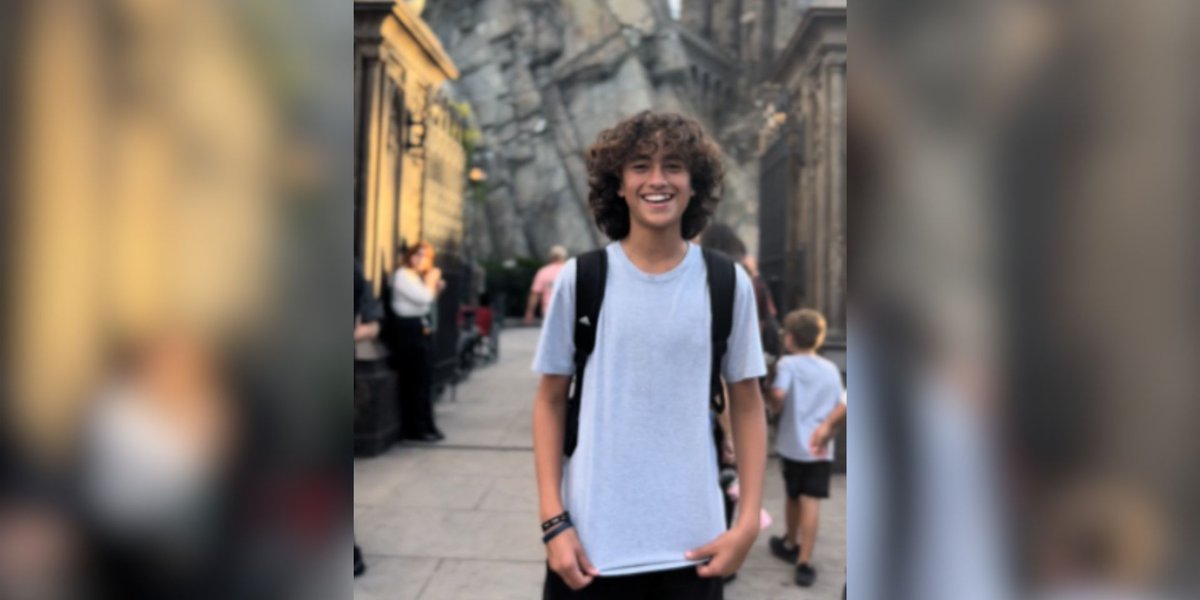
A 14-year-old boy from Sumner County, Tennessee, had to have his hands and feet amputated after experiencing flu-like symptoms that turned into pneumonia and streptococcal toxic shock syndrome. The boy's parents rushed him to the hospital where he was put on an ECMO machine to save his life. Despite efforts to save his limbs, doctors had to amputate all four extremities. The condition is extremely rare, and the parents hope their son will be able to use prosthetics and regain his mobility after further surgeries and rehabilitation.
A study published in JAMA Network Open found that over a quarter of children missed or delayed preventative check-ups due to the COVID-19 pandemic. The study examined determinants, race, and ethnicity and identified varying factors associated with delayed care. Older age, living in households with more children, and poor caregiver health were predisposing risk factors. Enabling factors included home ownership, household income, and the ability to cover basics. Asian or Pacific Islander, Hispanic, and multiracial children were most likely to have delayed or missed care. Lower household income was a protective factor, particularly for multiracial children. The study highlights the need for improved access to pediatric preventive care and programs to address disparities.
Cincinnati Children's Hospital Medical Center has been ranked as the top children's hospital in the US by U.S. News and World Report. The hospital was ranked based on key clinical data, including patient outcomes, diversity training, and patient safety. Cincinnati Children's was named in the top 10 of each of the 10 pediatric specialties and ranked No. 1 in cancer care, diabetes and endocrinology, neonatology, and urology. The hospital's researchers have been at the forefront of discovering new treatments that provide better care for patients.
The family of a 13-year-old boy with special needs who died at a pediatric care center in Brevard County is suing Angels on Earth, the corporation behind the center, for negligence. The boy choked to death on a latex glove that was left near him while he was in the care of Angels On Earth. The family is seeking more than $50,000 in damages and wants answers about what happened. The employees were aware that the boy required continuous and uninterrupted supervision but, despite that knowledge, he was left alone. Angels On Earth administrator Carlos Cabrera was arrested last week as part of a fraud investigation.