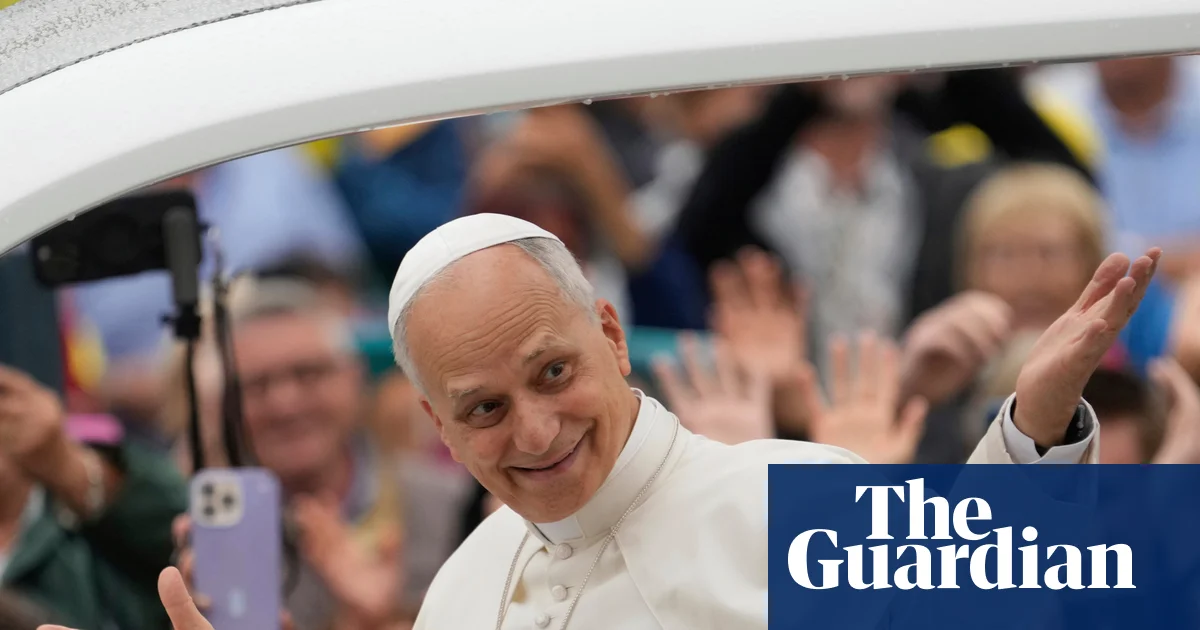
Pope Leo expressed concern over the widening income gap and criticized Elon Musk's proposed trillion-dollar pay package, warning that such extreme wealth concentration signals serious societal issues.
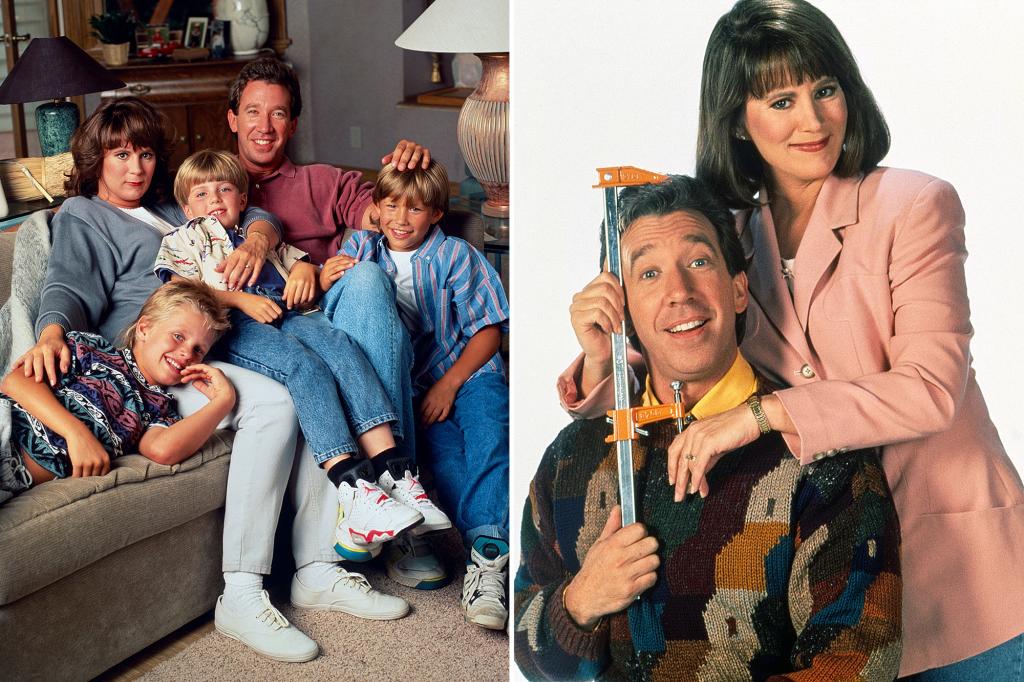
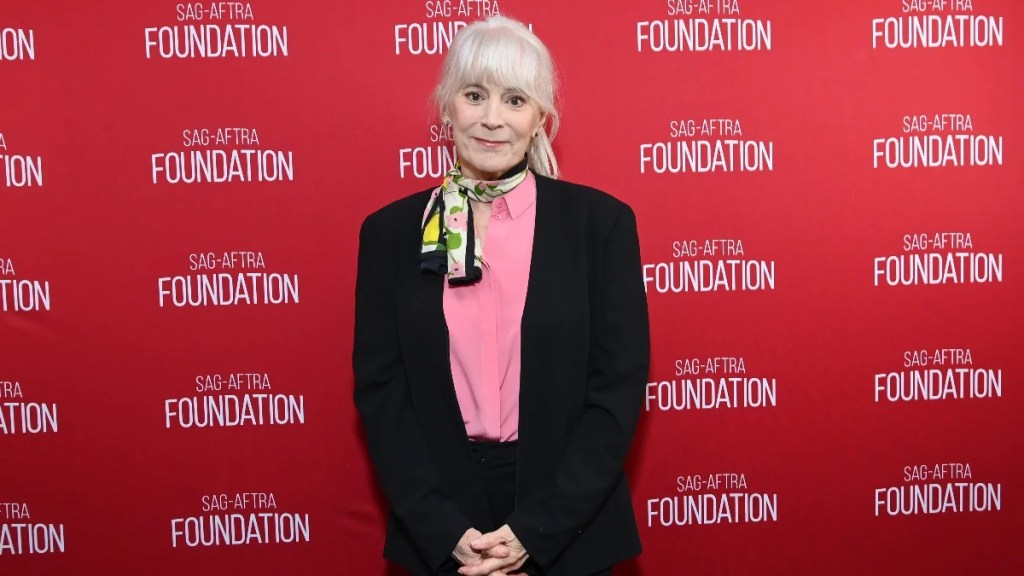
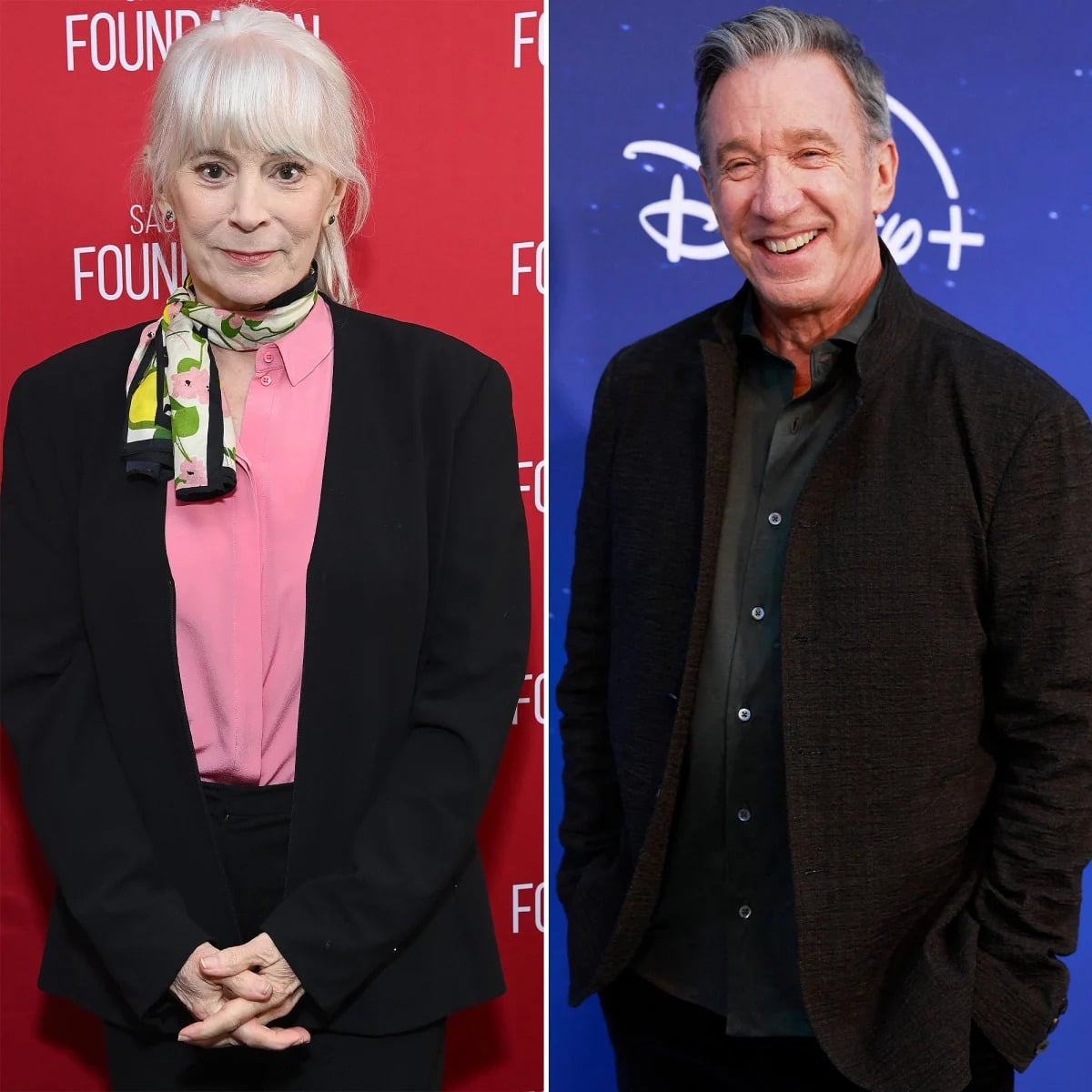
Patricia Richardson, who played Jill Taylor on "Home Improvement," revealed that she used the significant pay gap between her and co-star Tim Allen to exit the show after Season 8. Despite ABC's offer of $1 million per episode for her and $2 million for Allen to return for a ninth season, Richardson demanded equal pay, knowing it would be rejected. This decision led to tension between her and Allen, ultimately ending the show in 1999.
Patricia Richardson left "Home Improvement" after eight seasons due to a significant pay gap with co-star Tim Allen and Disney's refusal to meet her demands for equal pay and a producer credit. Despite being offered $1 million per episode for Season 9, she declined as a protest against the disparity, leading to the show's conclusion with a three-part finale.
Patricia Richardson revealed she used the significant pay gap between herself and Tim Allen to end the sitcom Home Improvement after its eighth season. While Allen was offered $2 million per episode for a ninth season, Richardson was offered half that amount. Feeling betrayed by Allen's acceptance of the offer, Richardson demanded equal pay, knowing it would be declined, effectively ending the series. The final season was tense, with both leads upset over the situation. Richardson also dismissed rumors of a Home Improvement reunion, noting Allen never consulted her or co-star Jonathan Taylor Thomas.
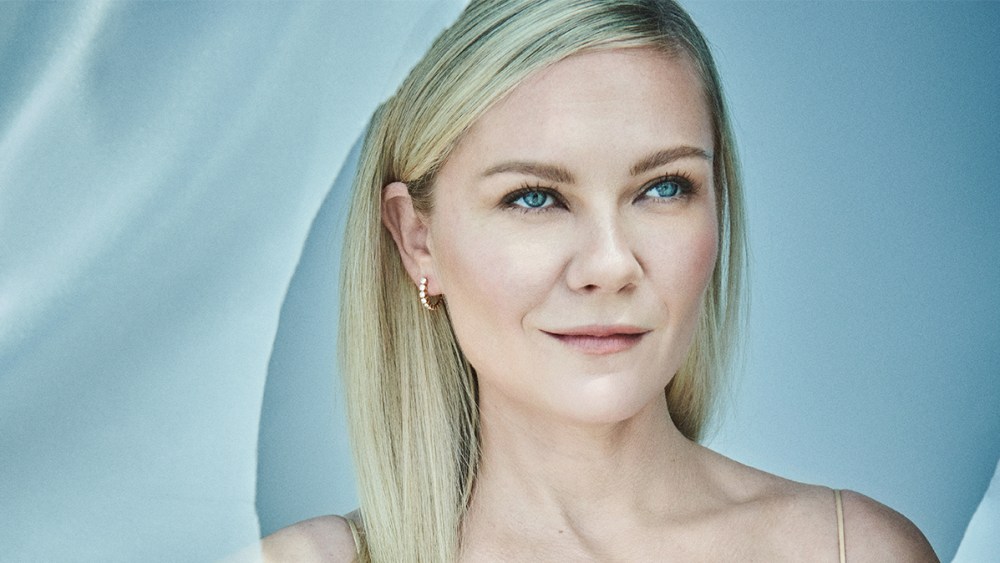
Kirsten Dunst discusses her role in the movie "Civil War," addressing its political undertones and the challenges of navigating Hollywood, including the pay gap. She reflects on her career, from her early roles to her experiences as a child star, and shares her views on real-world politics and the current state of America. Dunst also talks about her personal life, including her relationship with husband Jesse Plemons and their focus on raising their two sons.
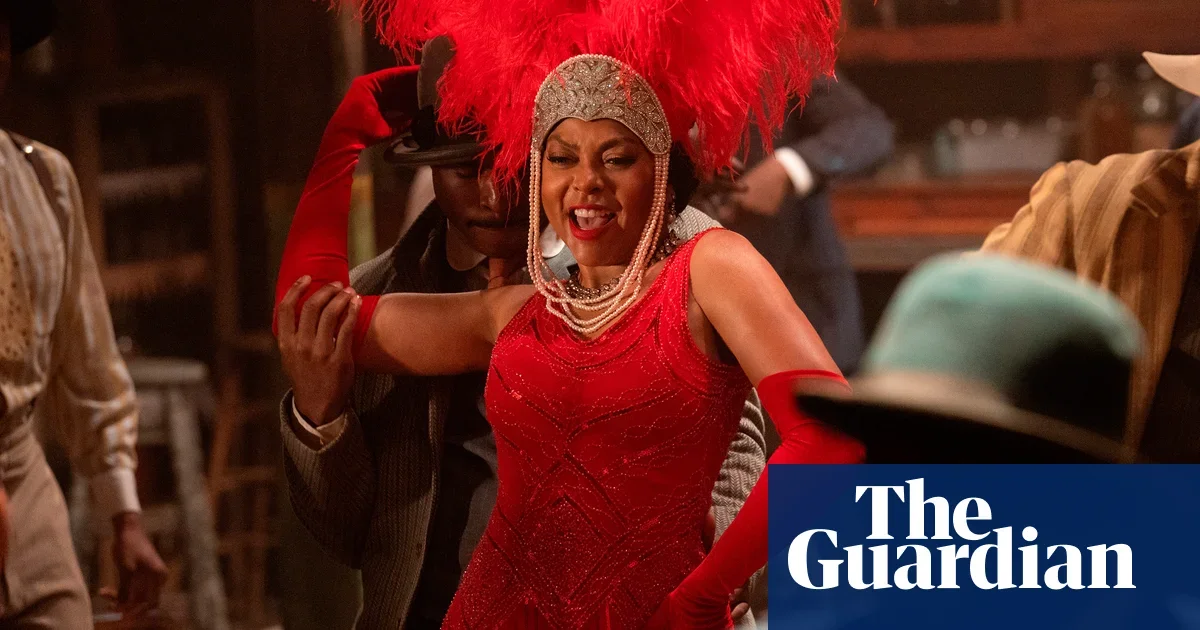
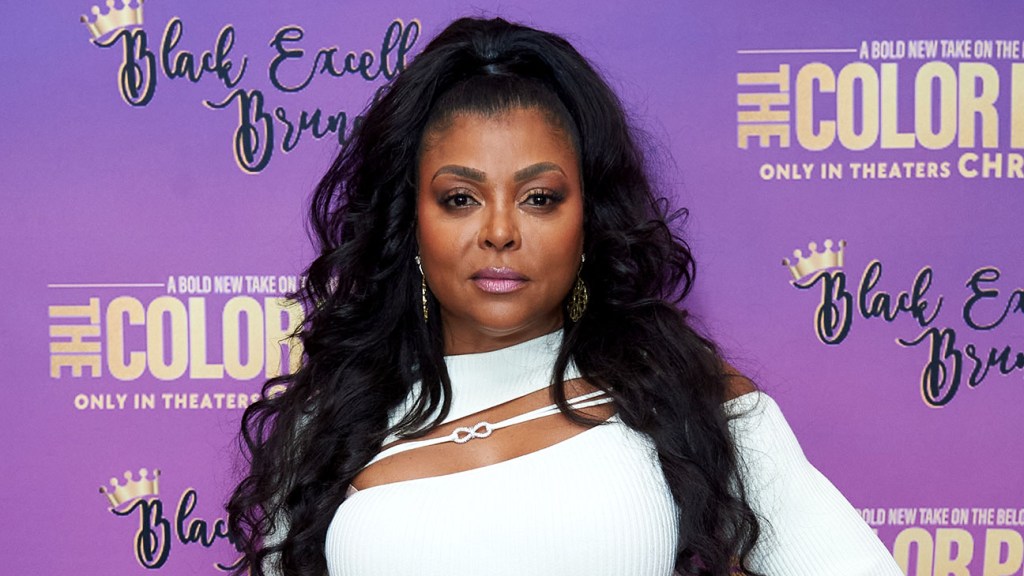
Taraji P Henson emotionally speaks out about the race and gender pay gap in Hollywood, expressing frustration over being paid a fraction of what she believes she deserves. Henson highlights the financial realities of the industry, including taxes and team expenses, and emphasizes the need to fight for equal pay for future generations.
Taraji P. Henson became emotional during an interview with Gayle King, expressing frustration over the pay gap in Hollywood. Henson, who has had a successful career with accolades including an Oscar nomination, revealed that she often receives lowball offers and feels tired of fighting for fair compensation. She emphasized the importance of paving the way for future generations and ensuring that Black actresses don't face the same struggles. Henson's interview went viral, with fellow actors Gabrielle Union and Robin Thede showing support and highlighting the financial challenges faced by many in the industry.
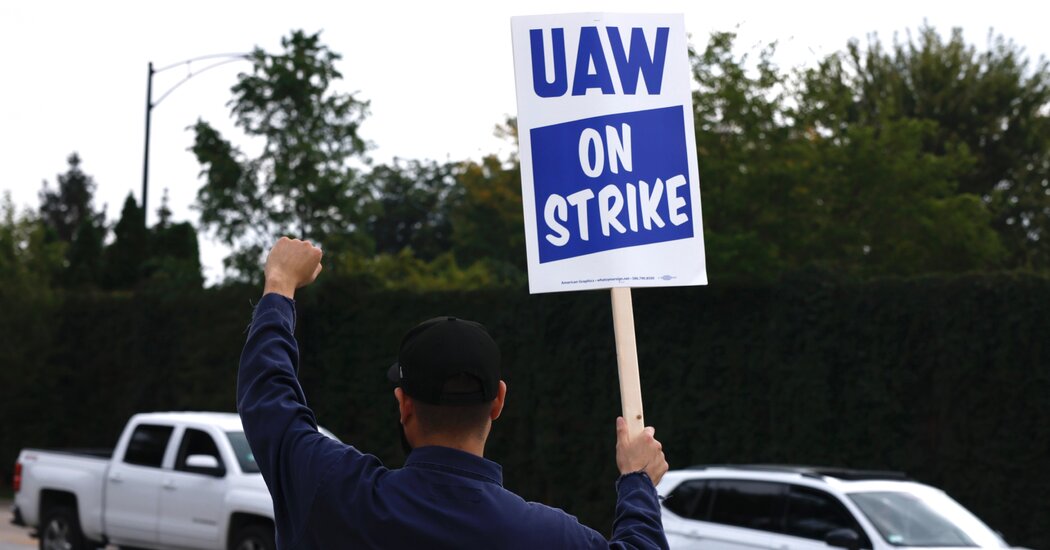
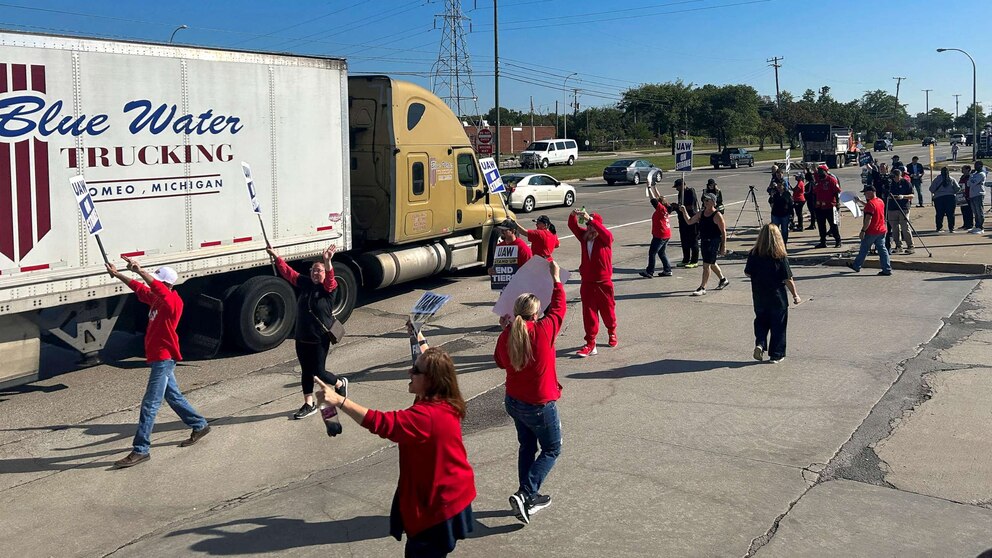
Nonunion workers at automakers such as Toyota, Mercedes-Benz, and Tesla are playing a significant role in the ongoing autoworkers' strike in the United States. Executives at Ford, General Motors, and Stellantis argue that nonunion automakers, particularly in the South, pose a competitive threat that prevents them from meeting the demands of striking workers. The United Automobile Workers (UAW) union sees the strike as a step towards better pay for both union and nonunion workers, aiming to recruit nonunion workers in the future. The pay gap between union and nonunion factories has been a contentious issue, with some industry executives blaming high union wages for past financial crises. Union leaders and lawmakers argue that the growth of nonunion manufacturing has contributed to the erosion of the middle class. The debate over auto industry wages has become more urgent as automakers invest in electric vehicle factories, many of which are located in Southern states with weaker union presence.
The ongoing strike by autoworkers against the Big 3 U.S. automakers has brought attention to the widening gap between CEO and worker pay. The United Auto Workers (UAW) is demanding a 46% raise for workers over the next four years, which slightly exceeds the combined 40% increase in CEO compensation over the same period. The average pay for autoworkers at these companies has only risen 6% in the past four years. The CEOs of General Motors, Ford, and Stellantis have seen varying pay increases, with the highest being 34%. The strike continues as the two sides remain far apart on pay increase negotiations.
Barry Diller, former Hollywood studio chief, suggests that big-name actors and executives should take a 25% pay cut to address the pay gap in the movie industry. The Writers Guild of America has been on strike since May 2, and SAG-AFTRA joined the strike on Friday. If a deal isn't reached by September 1, the movie industry could face devastating effects. Analysts believe that while Netflix may not be heavily impacted in Q2, other studios may suffer more. Studios, including Netflix and Disney, blame the actors for the collapse of negotiations. Tens of thousands of actors have been protesting on picket lines and social media. The industry is also grappling with the impact of AI technology.
Nintendo's annual report reveals that only 4.2% of their managers in Japan are women, with female employees earning an average of 72% of what men are paid. The company attributes the pay gap to differences in tenure and average age among employees, but claims there is no difference in treatment between genders in terms of salary or evaluation systems. Globally, 23.5% of Nintendo's managers are women, although specific pay data for subsidiaries like Nintendo of America and Nintendo of Europe was not provided.
Goldman Sachs has agreed to pay $215 million to settle a class-action lawsuit that accused the bank of gender discrimination in pay and promotions. The settlement covers around 2,800 female associates and vice presidents employed in the investment banking, investment management, and securities divisions of Goldman Sachs. As part of the settlement, the bank will also hire independent experts to conduct additional analysis on performance evaluation and gender pay gaps.
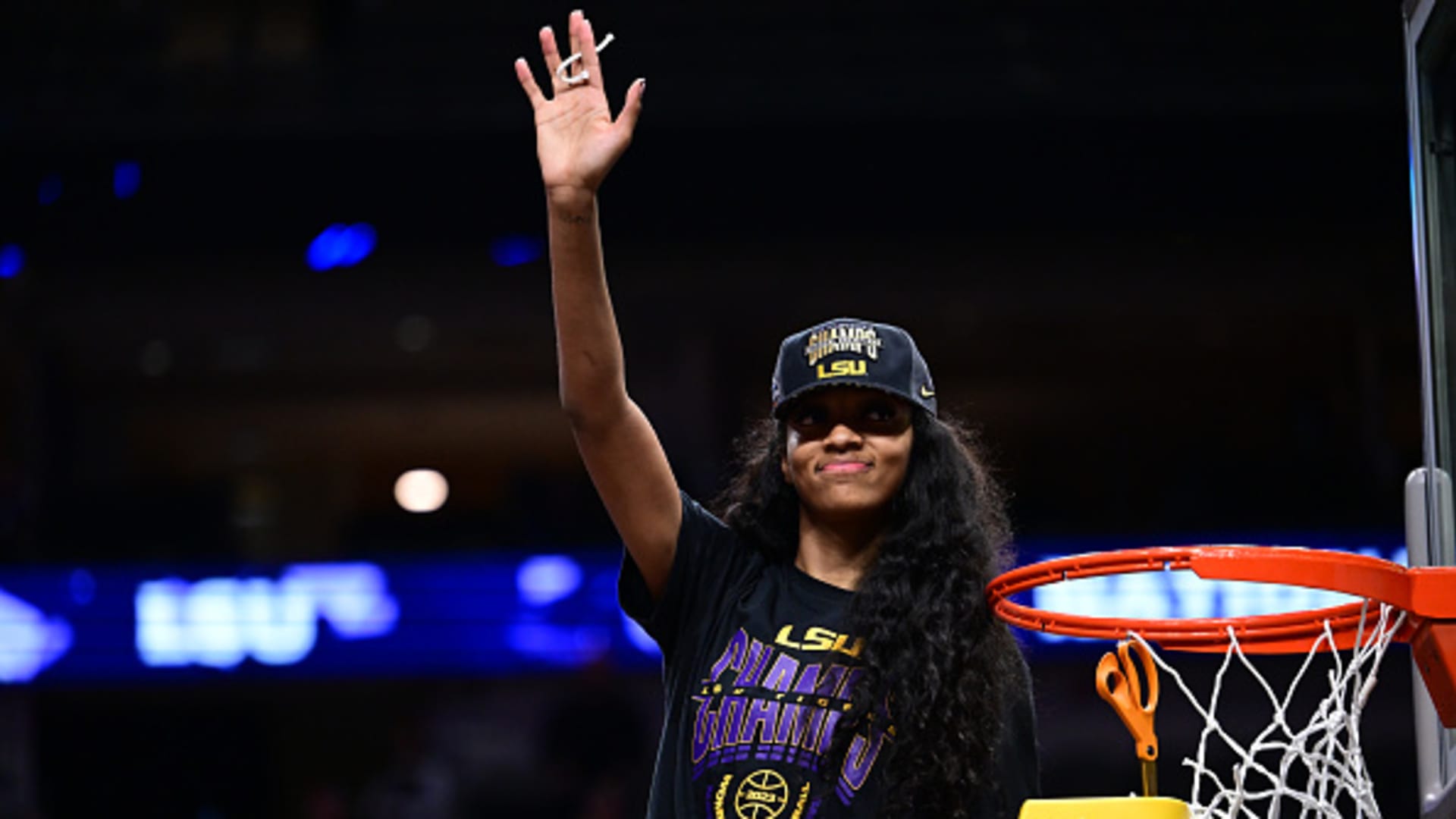
NCAA basketball player Angel Reese, who won't be WNBA draft-eligible until next year, says she's in no rush to go pro as the money she's making through 17 name, image and likeness (NIL) sponsorship deals is more than some top WNBA players. Reese's deals net her an estimated $1.3 million per year, and she wants to spend her newly gained fortune on a Mercedes-Benz. While men still out-earn women on the professional court, female basketball players are starting to bridge the pay gap at the college level.