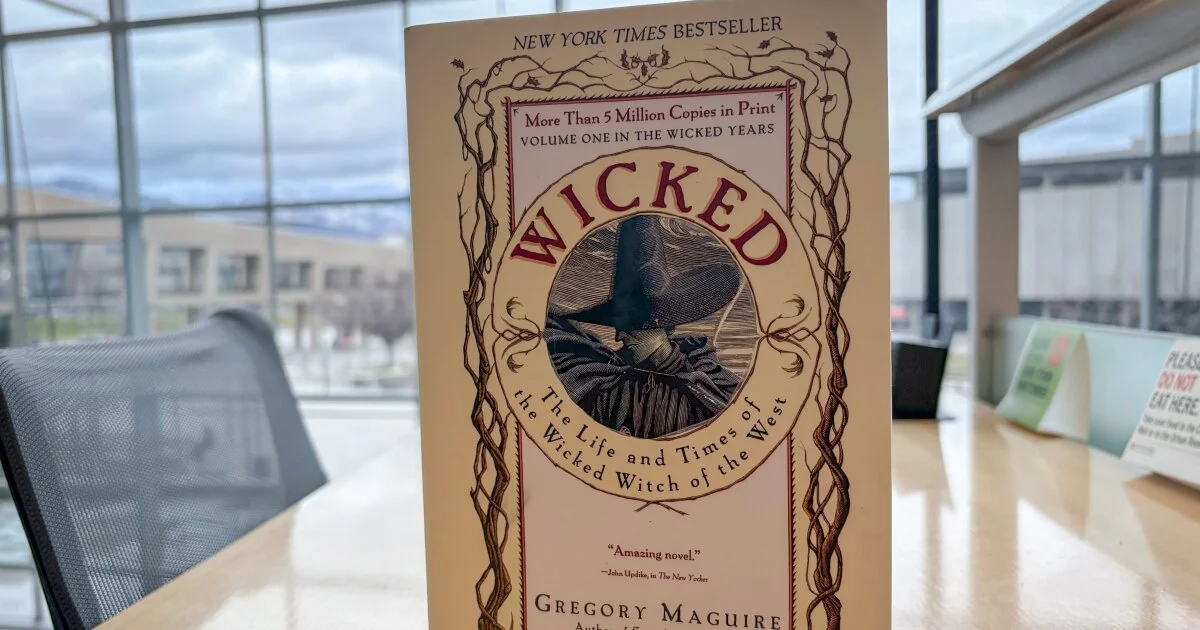
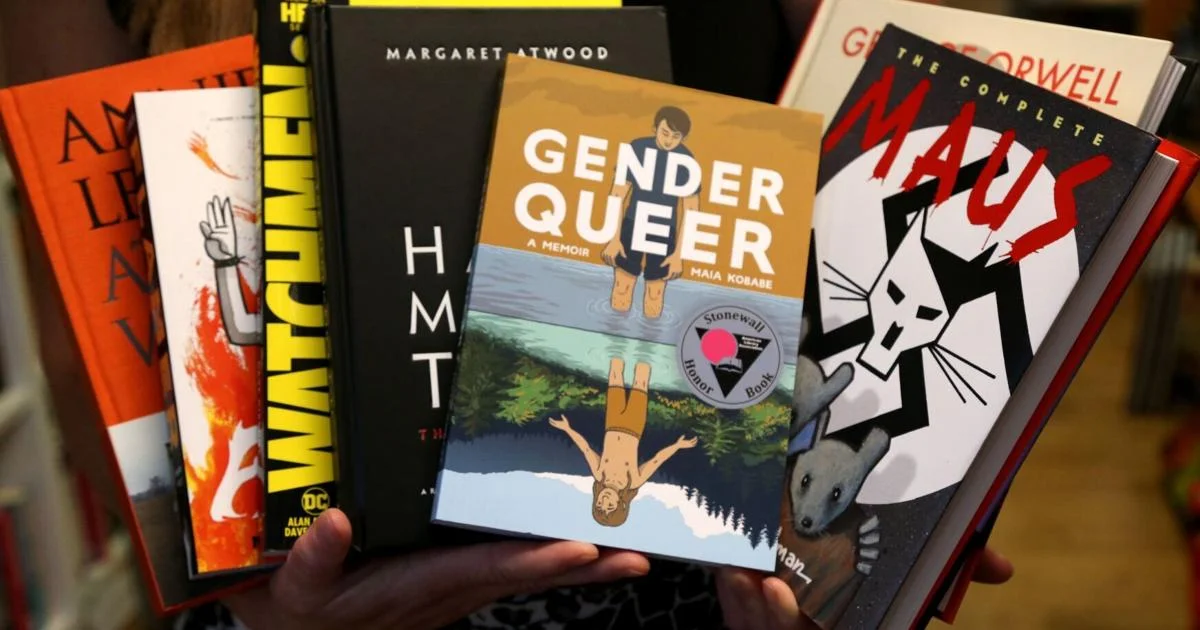
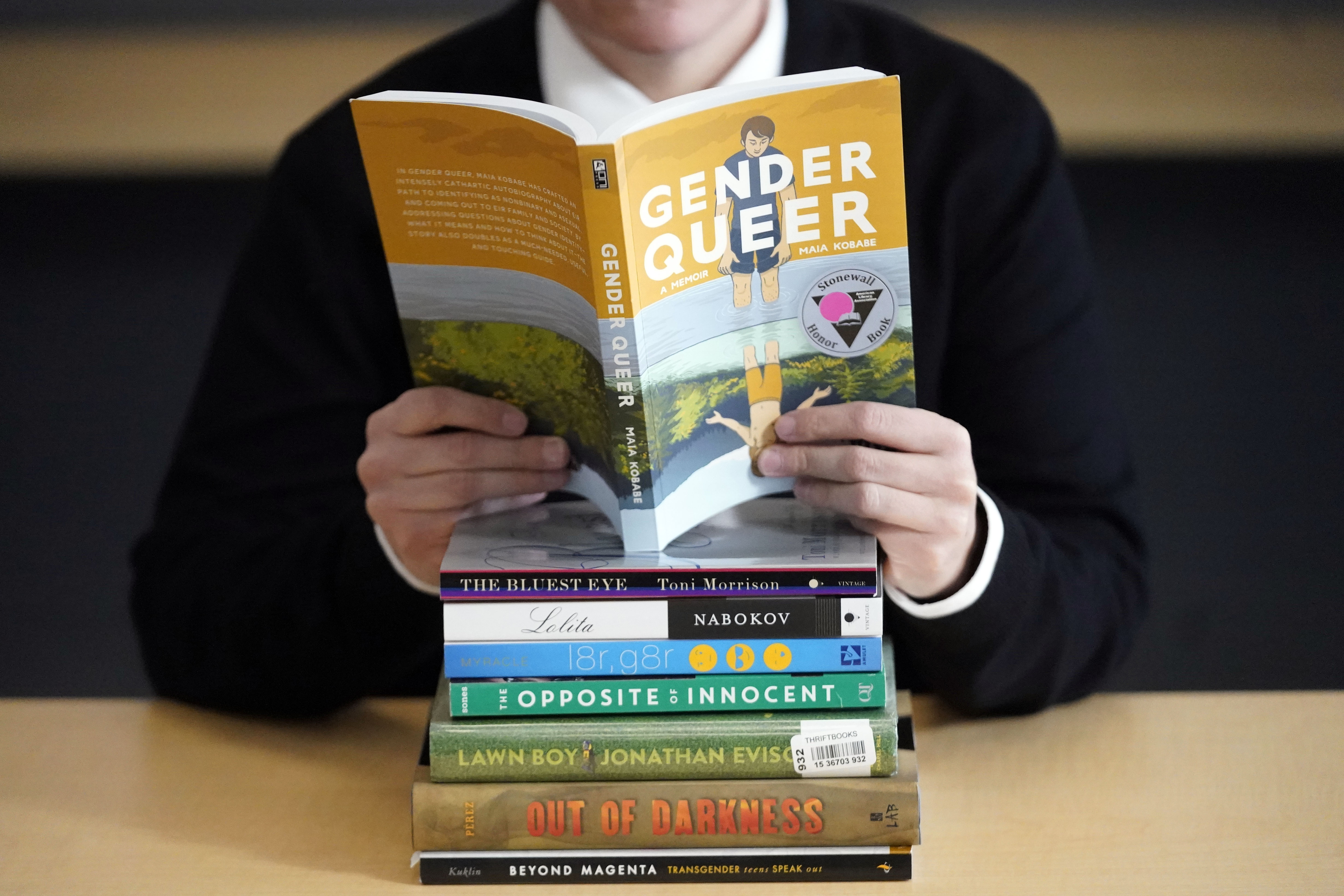
Utah has banned the novel 'Wicked' by Gregory Maguire from all K-12 schools, citing its adult content, along with other books like 'The Perks of Being a Wallflower' and 'Nineteen Minutes,' due to their themes and content, as part of a statewide effort to remove books deemed inappropriate or pornographic.
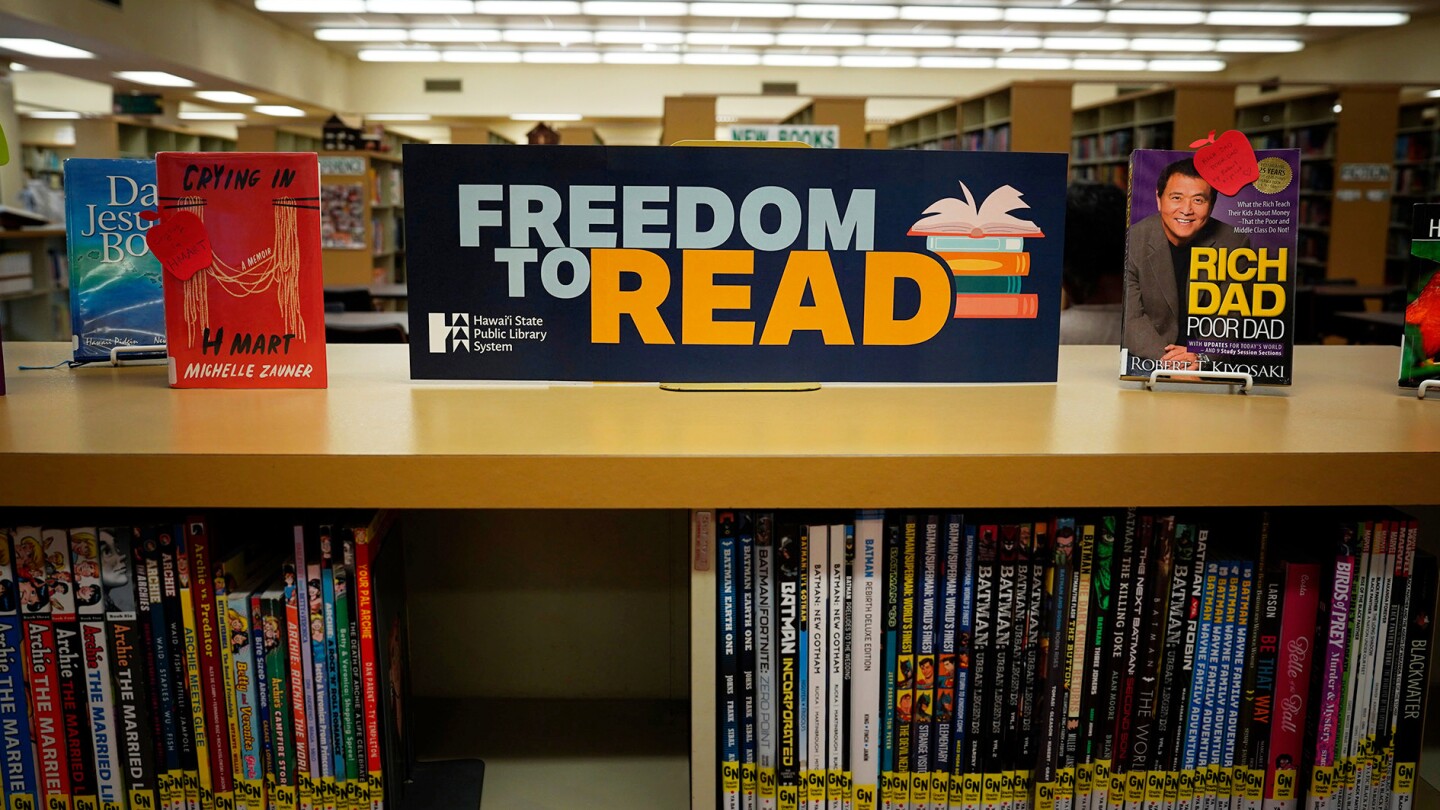
Hawaii libraries have rebranded Banned Books Week as 'Freedom to Read' and imposed restrictions on related displays, including bans on certain language, imagery, and materials from the American Library Association, amid rising national challenges to book censorship, especially concerning LGBTQ+ and BIPOC themes.
Moms for Liberty, a conservative group, faces pushback over its efforts to ban books and influence school policies. The group's influence in Republican national politics may be faltering, partly due to a sex scandal involving one of its co-founders. Despite claiming 130,000 members in 300 chapters across 48 states, its track record of supporting winning candidates in school board elections has been mixed. Critics argue that the group's attacks on books and diversity initiatives have not translated into electoral success, and its influence may be waning as more parents question its positions.
Twelve-year-old Tallulah Brand, known for speaking out against book banning, has called out Bridget Ziegler, the wife of the chair of the Florida GOP, for her alleged hypocrisy. Ziegler, who had condemned same-sex encounters, was implicated in a scandal involving a threesome and accused her husband of rape. Tallulah, troubled by Ziegler's condemnation of the LGBTQ+ community, sees her as a hypocrite. Despite the scandal, Tallulah reports that there is little talk about it at school, as most kids just want to be able to express themselves without fear of judgment. Tallulah plans to attend the next school board meeting, where Ziegler's presence will be interesting to witness.
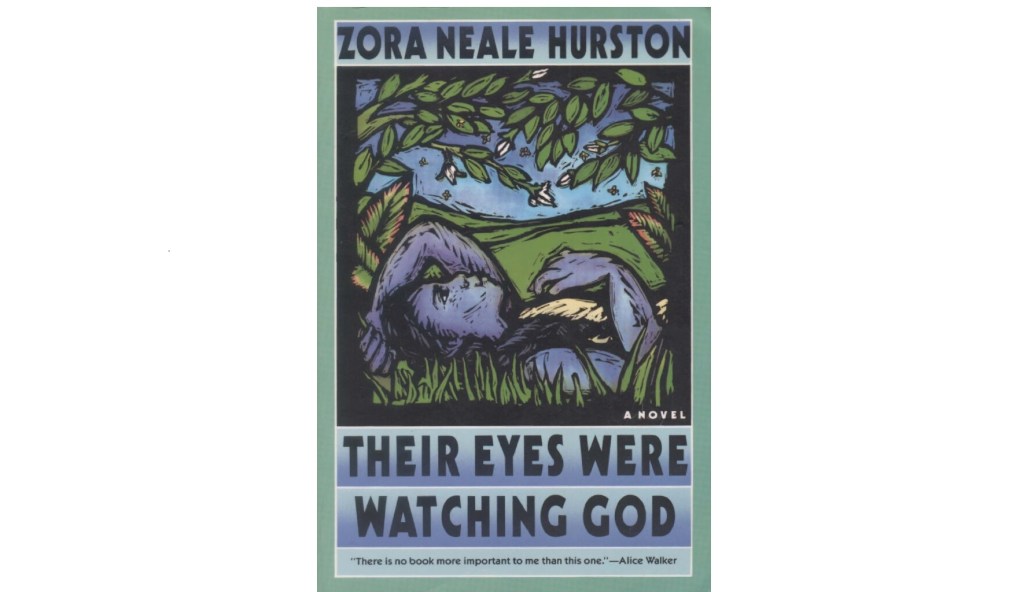
Over 300 books, including works by Zora Neale Hurston, Ernest Hemingway, Toni Morrison, Leo Tolstoy, and Flannery O'Connor, have been banned or restricted in Florida schools, with Collier County and Seminole County leading the book-banning movement. The Florida Department of Education has threatened school librarians with penalties, including criminal prosecution, for allowing allegedly offensive books on the shelves, but often refuses to identify which books are considered offensive. The book-banning laws passed by GOP legislators and Governor Ron DeSantis aim to create chaos and sow discord, particularly regarding LGBTQ topics. Critics argue that this censorship is an attack on freedom of speech and expression, and suggest buying banned books as gifts this holiday season to support literature, education, and enlightenment.
Missouri ranks third in the United States for book banning in schools, with 333 books removed from shelves in classrooms or school libraries over the past year. The rise in book bans is attributed to vaguely worded state legislation and pressure from advocacy groups. Libraries in the St. Louis region have also become battlegrounds, with librarians temporarily removing books following the passage of a new state law banning sexually explicit material. The American Library Association reports an increase in challenges to library materials and services, with challengers targeting both school and public libraries. The book banning movement is seen as a threat to free expression and the joy of reading for students.
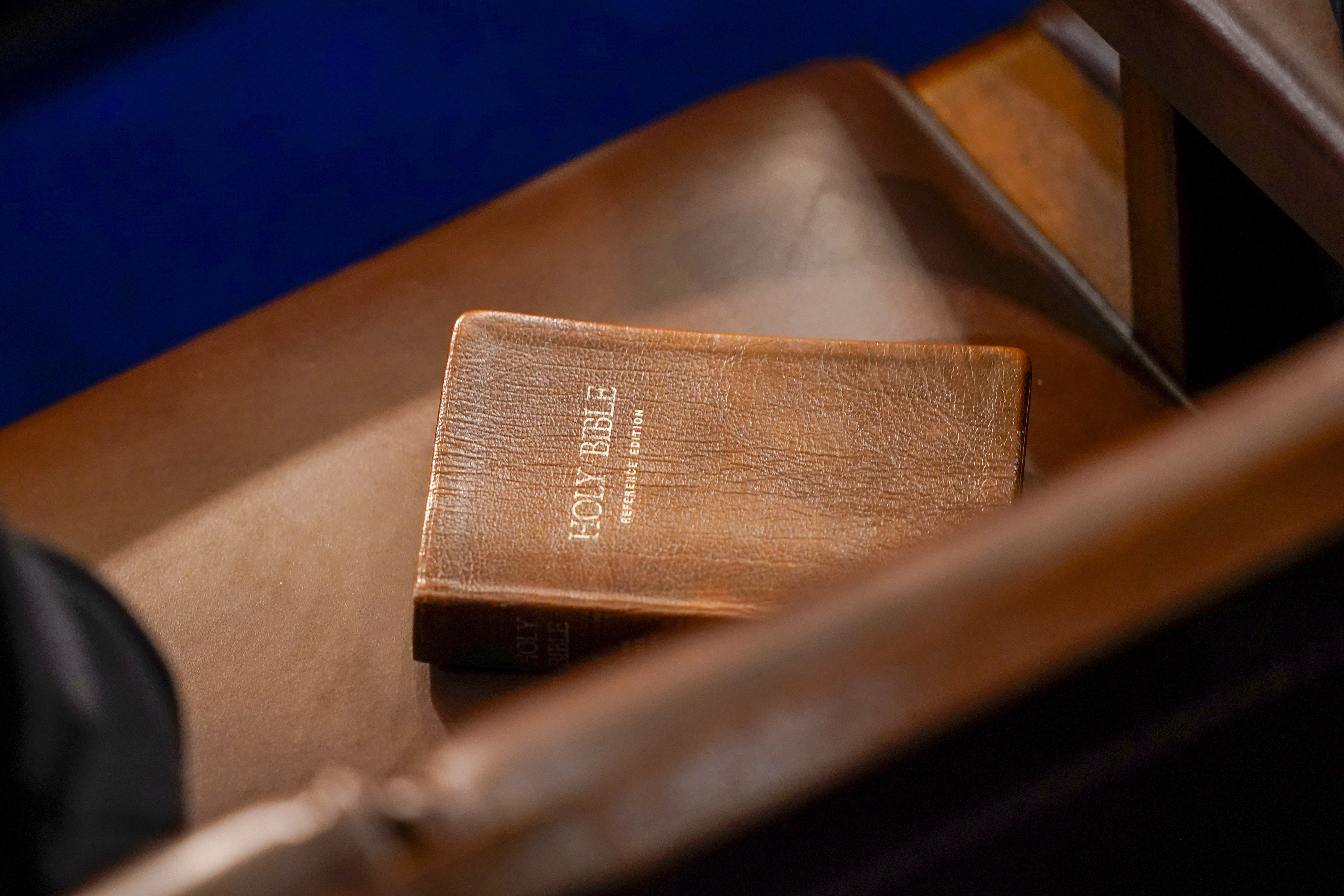
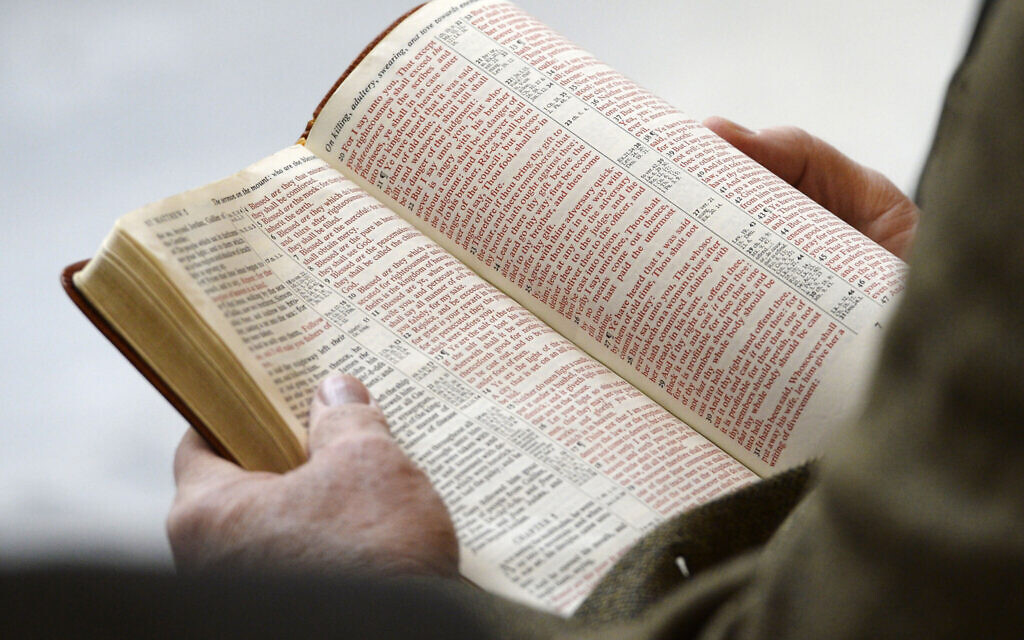
The Davis School District in Utah has decided to return the Bible to its shelves in all district libraries after it was banned from middle and elementary schools last month. The decision came after 70 people filed appeals against the ban. The reversal is the latest development in the debate over a Utah law allowing parents to challenge “sensitive materials” available to children in public schools. The legislative effort is one prong of growing push to ban certain titles; the number of attempts to ban or restrict books across the U.S. in 2022 was the highest in the 20 years, according to the American Library Association.
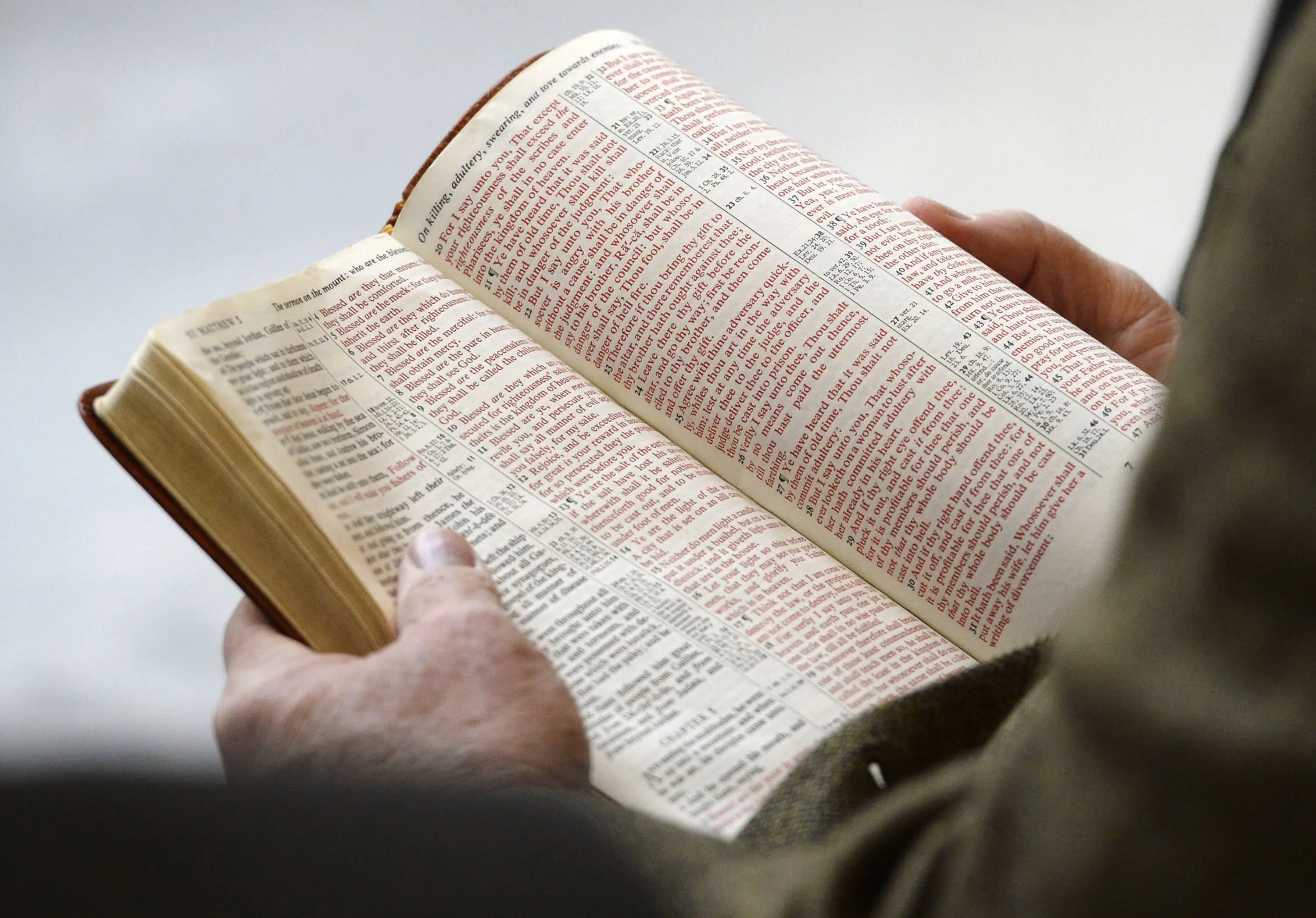
The Davis School District in Utah has removed the Bible from its elementary and middle schools after a parental complaint that some verses were too vulgar or violent for younger children. The district has also removed other titles following a 2022 state law requiring districts to include parents in decisions over what constitutes “sensitive material.” A complaint has also been submitted about the Book of Mormon. Conservative parent activists are sowing alarm about how sex and violence are talked about in schools, and the number of attempts to ban or restrict books across the US in 2022 was the highest in 20 years, according to the American Library Association.
The Davis School District in Utah has removed the Bible from its elementary and middle schools after a parental complaint that some verses were too vulgar or violent for younger children. The district has also removed other titles following a 2022 state law requiring districts to include parents in decisions over what constitutes “sensitive material.” A complaint was also submitted about the Book of Mormon, the signature scripture of the predominant faith in Utah. Conservative parent activists are sowing alarm about how sex and violence are talked about in schools, leading to an increase in attempts to ban or restrict books across the US.
The article discusses how book banning has evolved in the age of cancel culture and social media. While book banning used to be a top-down approach, it now often comes from grassroots movements and social media campaigns. The article argues that while some instances of book banning may be justified, it is important to distinguish between censorship and content curation. The article also references the recent controversy surrounding Dr. Seuss and the poem by Amanda Gorman at President Biden's inauguration.
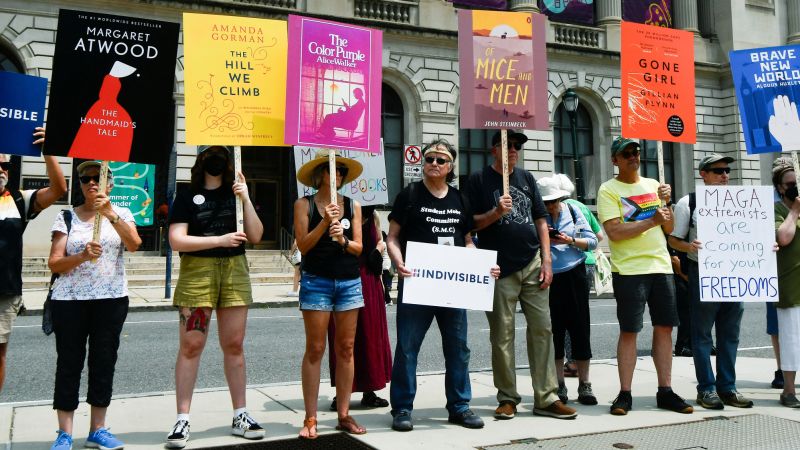
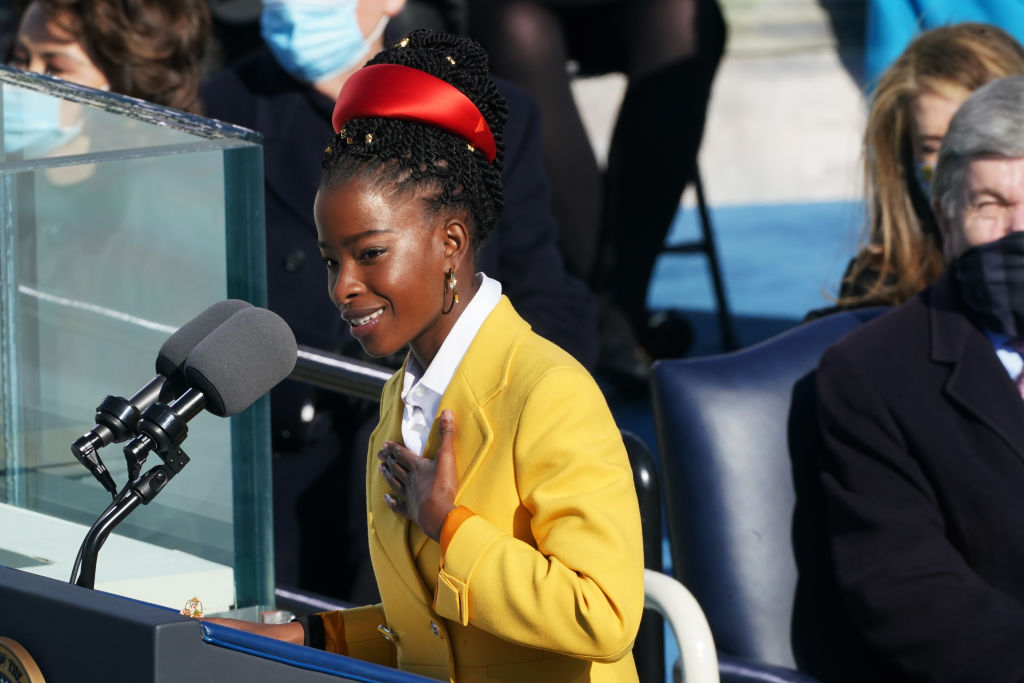
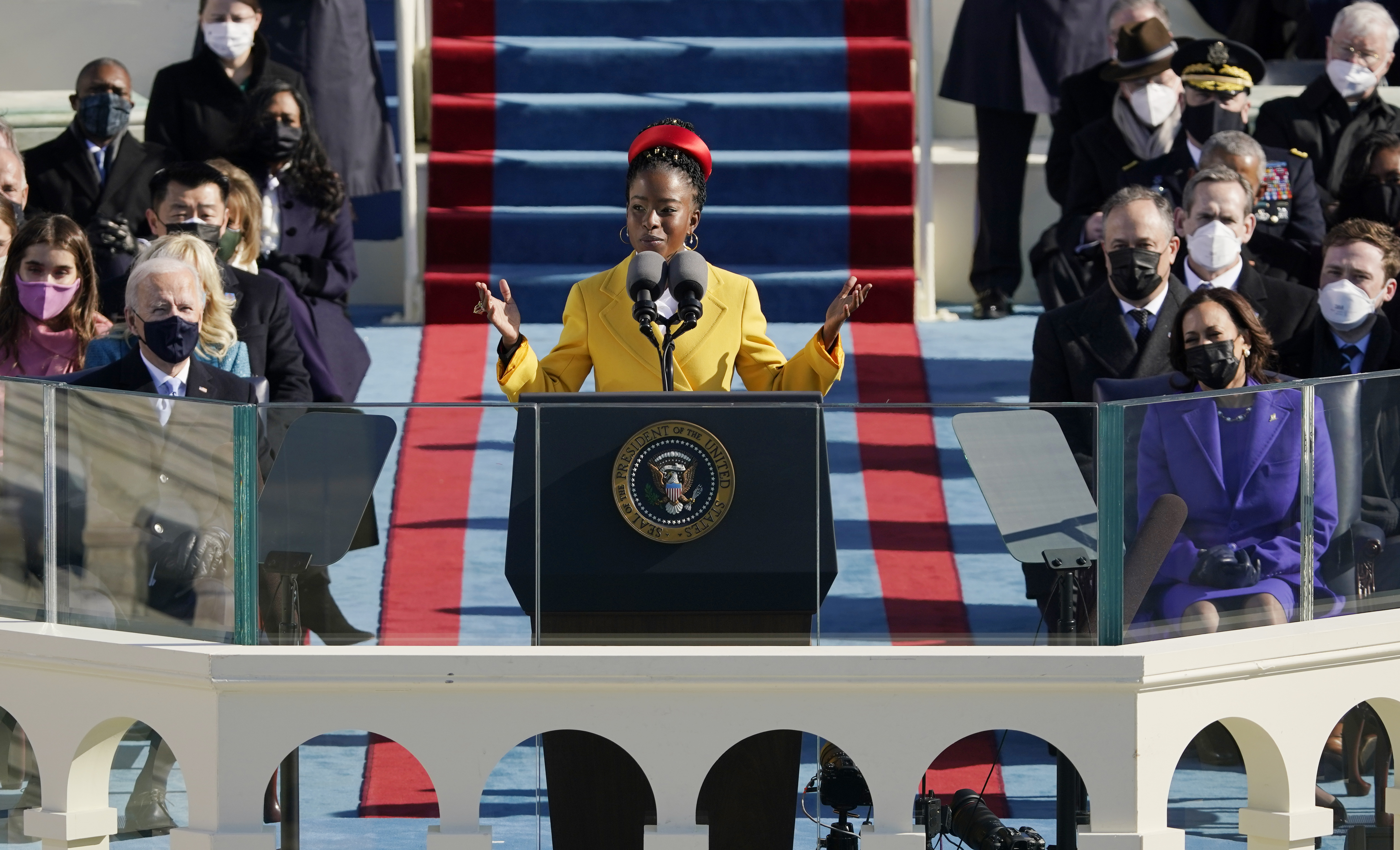
A Florida elementary school removed Amanda Gorman's inaugural poem, The Hill We Climb, from circulation after a parent complained that it contained indirect "hate messages." Gorman denounced the book banning on Twitter, stating that it robs children of the chance to find their voices in literature and violates their right to free thought and free speech. The same parent also complained about four other books, citing "indoctrination" and "CRT." Last week, Florida Gov. Ron DeSantis signed into law a requirement for schools to pull challenged books within five days of a complaint while officials determine if the material should be permanently banned.
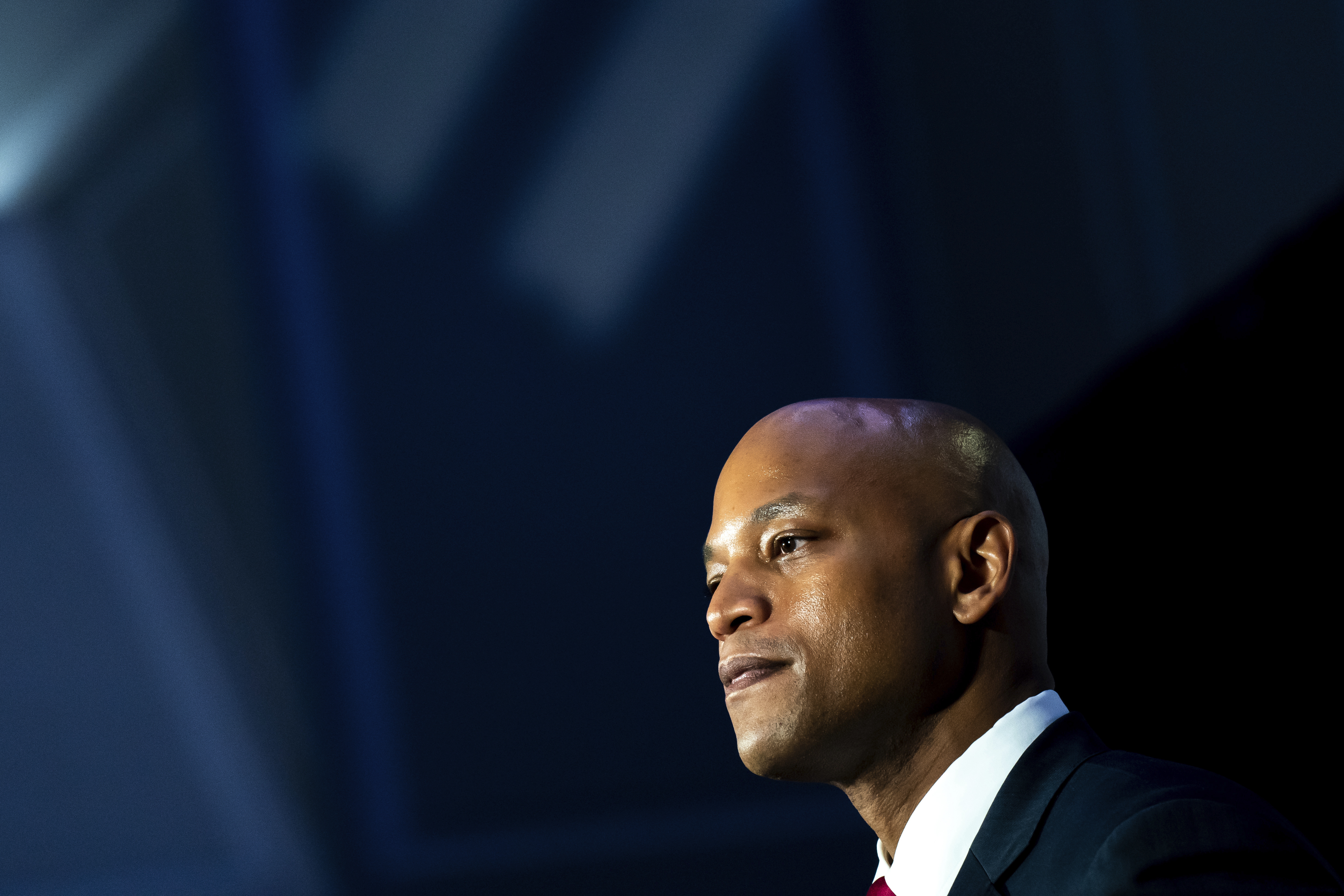
Maryland Governor Wes Moore, the only Black governor in the US, has spoken out against politicians who ban books and muzzle educators, calling it an effort to prevent people from understanding their power. He made the remarks during a commencement speech at Morehouse College, and encouraged graduates to confront the threat and use the challenges learned from previous eras of American history for the betterment of mankind. Democrats see book banning as a galvanizing issue heading into next year’s general election cycle, and Moore is seen as a rising star within the party.
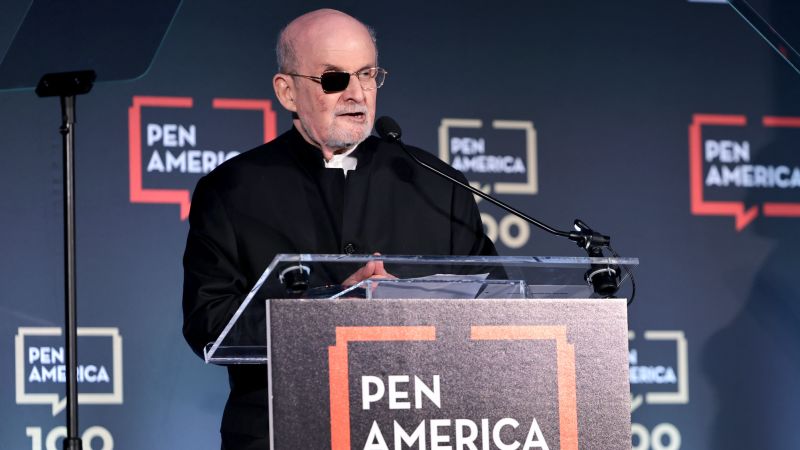
Author Salman Rushdie warns of the dangers of banning books and of related movements in the US to roll back freedoms of expression at the PEN America Gala in New York City. Rushdie praised the literary and free speech advocacy group for its latest efforts to block politicians and local officials seeking to ban literature concerning race and gender identity. Rushdie also accepted the Freedom of Expression Courage Award “on behalf of those who came to my rescue and saved my life” after he was stabbed several times before his scheduled lecture at the Chautauqua Institution in New York in August.
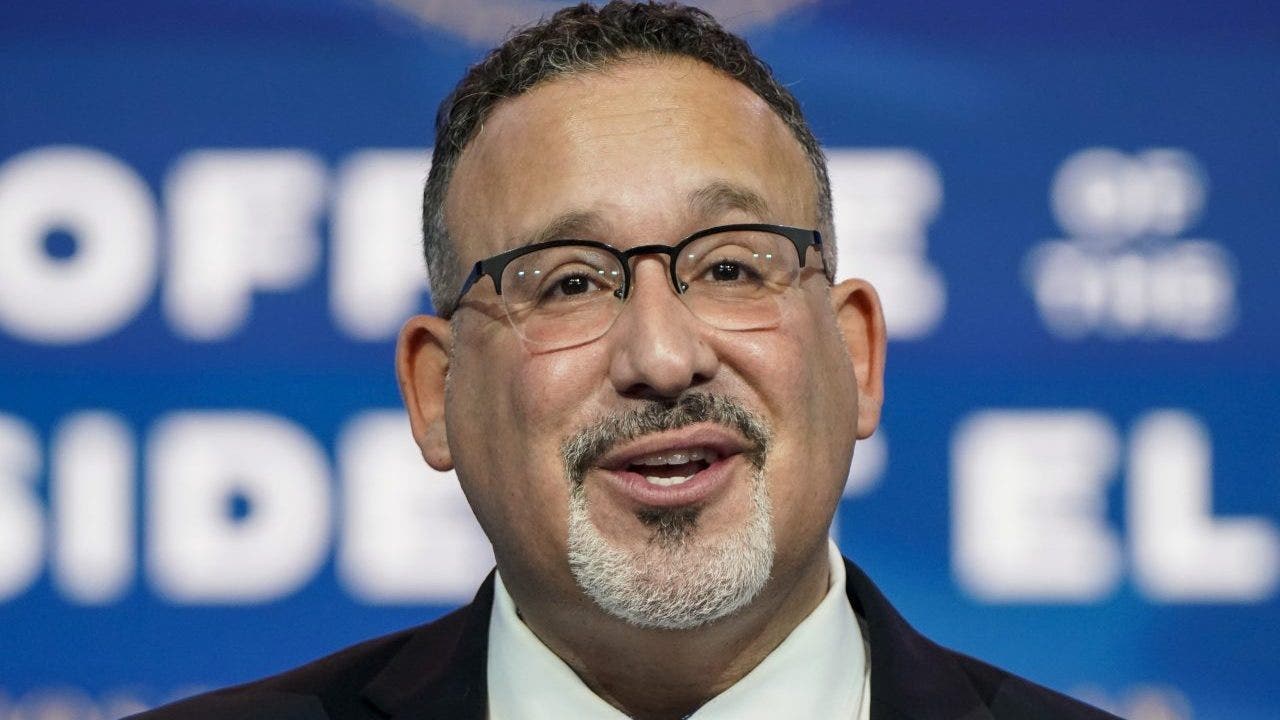
U.S. Secretary of Education Miguel Cardona blames book "banning" and censorship for dismal U.S. history and civics scores released by the National Assessment of Educational Progress (NAEP). The latest declines are the latest indication of COVID-era school policies' lasting impacts on student performance. Cardona partly blamed book "banning" and censorship for the dismal outcome, seemingly taking a jab at Republicans like Florida Gov. Ron DeSantis who notoriously cracked down on allegedly divisive rhetoric in classrooms across The Sunshine State and even rejected a proposed outline for an AP African American Studies course.
Florida lawmakers have passed a controversial education bill that expands a ban on school lessons about sexual identity and gender orientation, requires schools to remove challenged books within five days, and restricts how teachers and students can use pronouns in schools. Critics argue that the bill is a form of censorship and "book banning" that will further marginalize LGBTQ students and lead to increased bullying and suicide. Supporters argue that the bill is necessary to ensure that parents, not teachers, are responsible for teaching their children about adult topics like sexual orientation and gender identity.