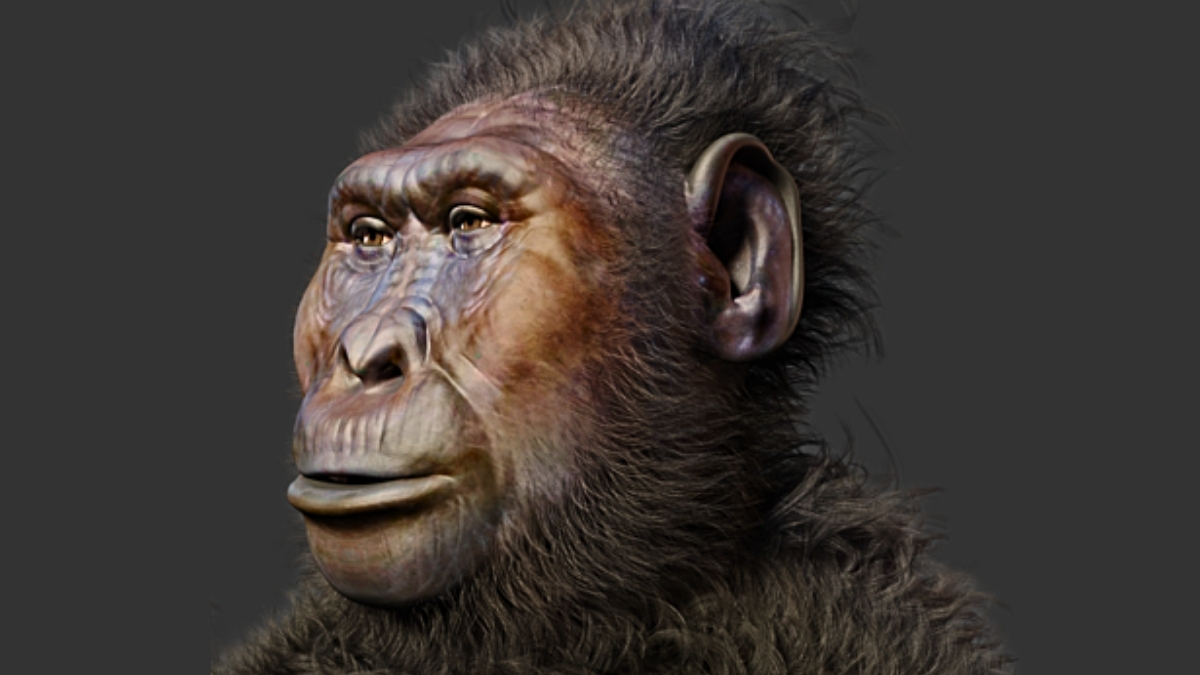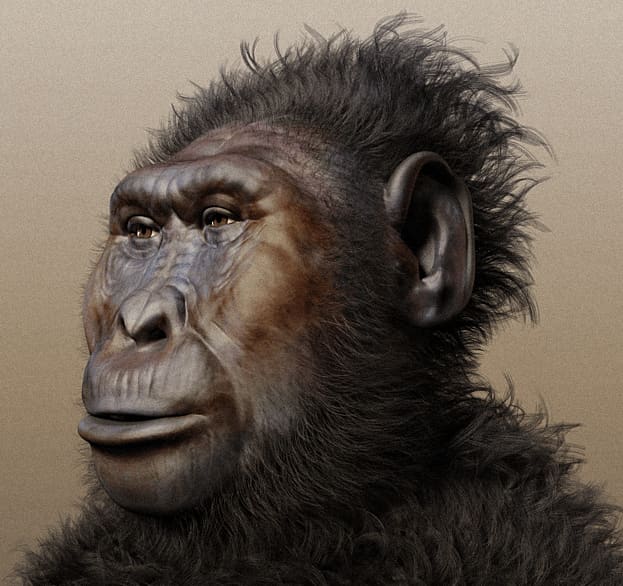
A 1.52 million-year-old fossil of Paranthropus boisei from Kenya reveals that this robust human ancestor had large, dexterous thumbs and foot structures supporting bipedal walking, indicating it could make and use simple tools, challenging previous assumptions that only Homo species used tools.
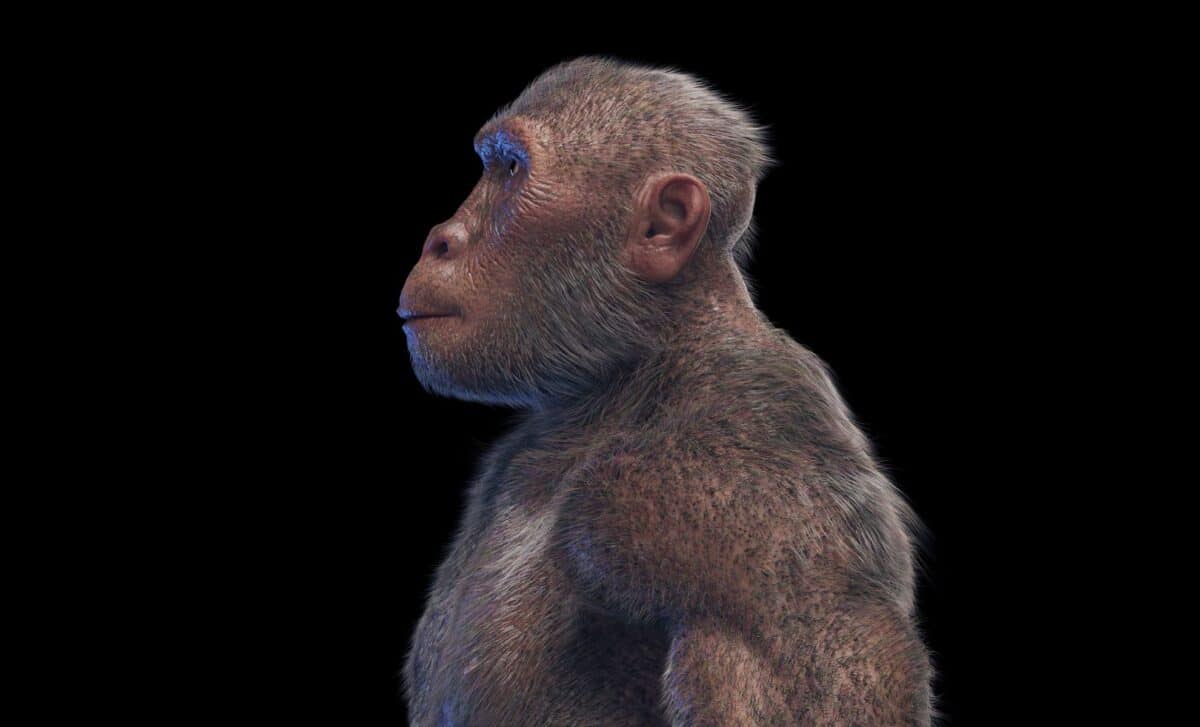
Scientists discovered a 1.5-million-year-old fossil in Kenya revealing that Paranthropus boisei had gorilla-like hands capable of tool use and human-like feet for efficient walking, challenging previous notions of its evolutionary role and highlighting diverse paths in human evolution.
New fossils of Paranthropus boisei from Kenya reveal a mix of gorilla-like fingers and human-like feet, suggesting this extinct species was a proficient biped with strong hands for foraging, challenging previous notions of its clumsiness and highlighting its successful adaptation for over a million years.
New fossils from Kenya reveal that Paranthropus boisei, previously thought to be a simple plant-eater, had human-like hands capable of gripping and a foot adapted for upright walking, challenging previous notions about its behavior and its relationship with early Homo species, and highlighting the complex, non-linear nature of human evolution.
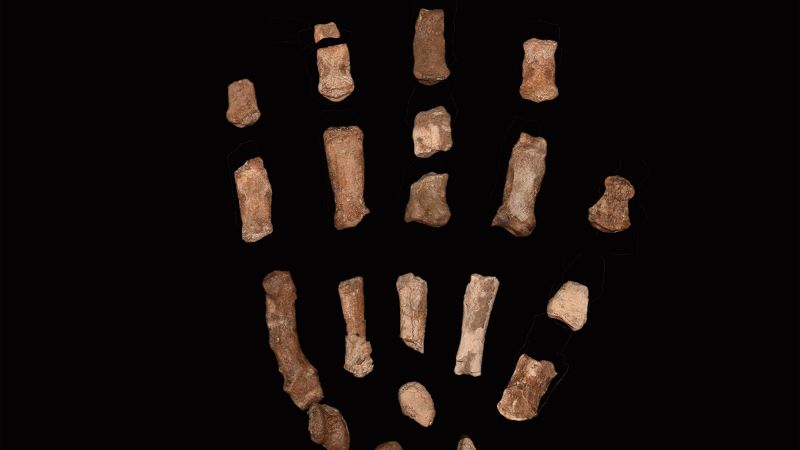
Fossils of Paranthropus boisei from Kenya, dating 1.52 million years ago, reveal that this species had dexterous hands capable of gripping and possibly using tools, and feet adapted for upright walking, challenging previous notions of its capabilities and coexisting with early Homo species, thus reshaping our understanding of human evolutionary development.
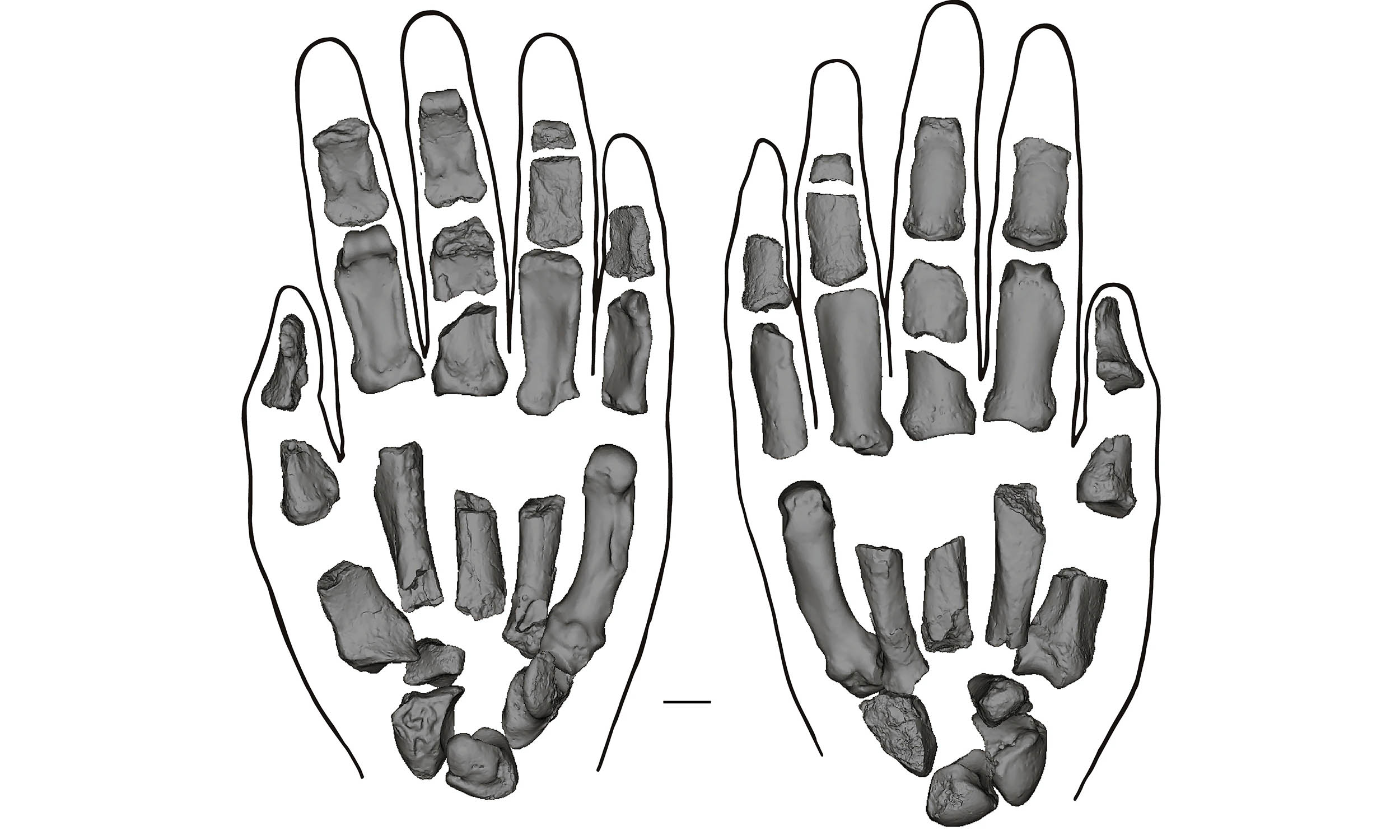
First hand fossils of the extinct human relative Paranthropus boisei were discovered in Kenya, revealing surprising dexterity and gorilla-like grip features, suggesting potential tool use and complex manipulation abilities, challenging previous assumptions about early hominin capabilities.
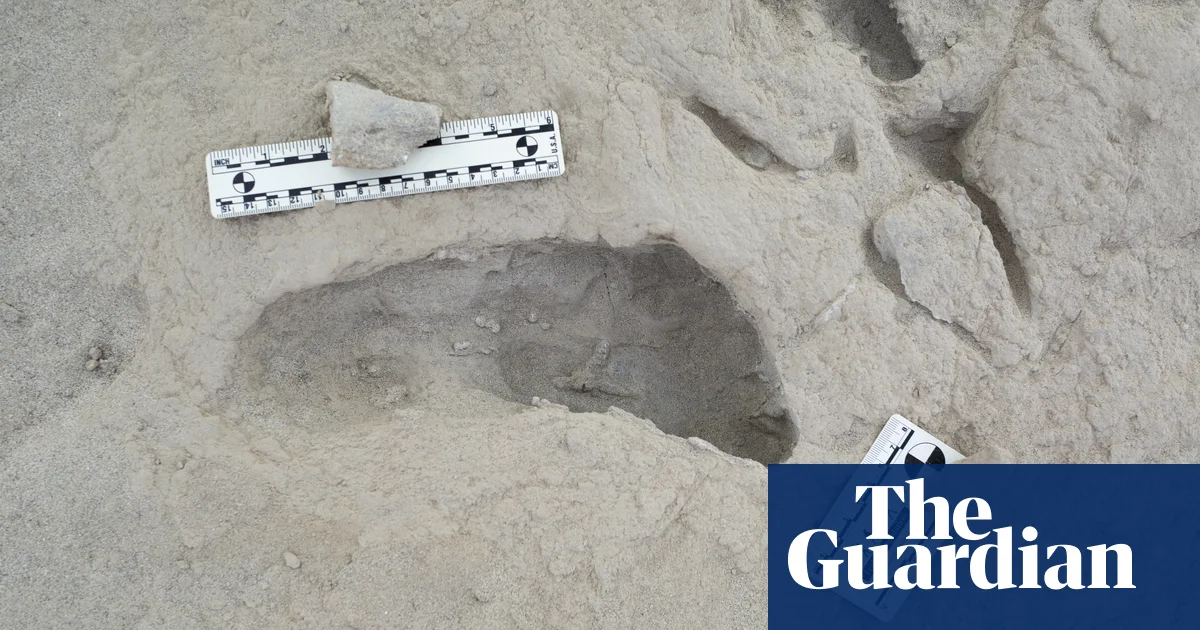
Researchers have discovered fossilized footprints in Kenya's Turkana Basin, indicating that two different hominin species, Homo erectus and Paranthropus boisei, coexisted in the same area about 1.5 million years ago. This finding provides the first direct evidence of these species sharing the same landscape, raising questions about their interactions. The footprints suggest that while Homo erectus is an ancestor of modern humans, Paranthropus boisei, known for its large teeth, is a side branch of the human family tree.