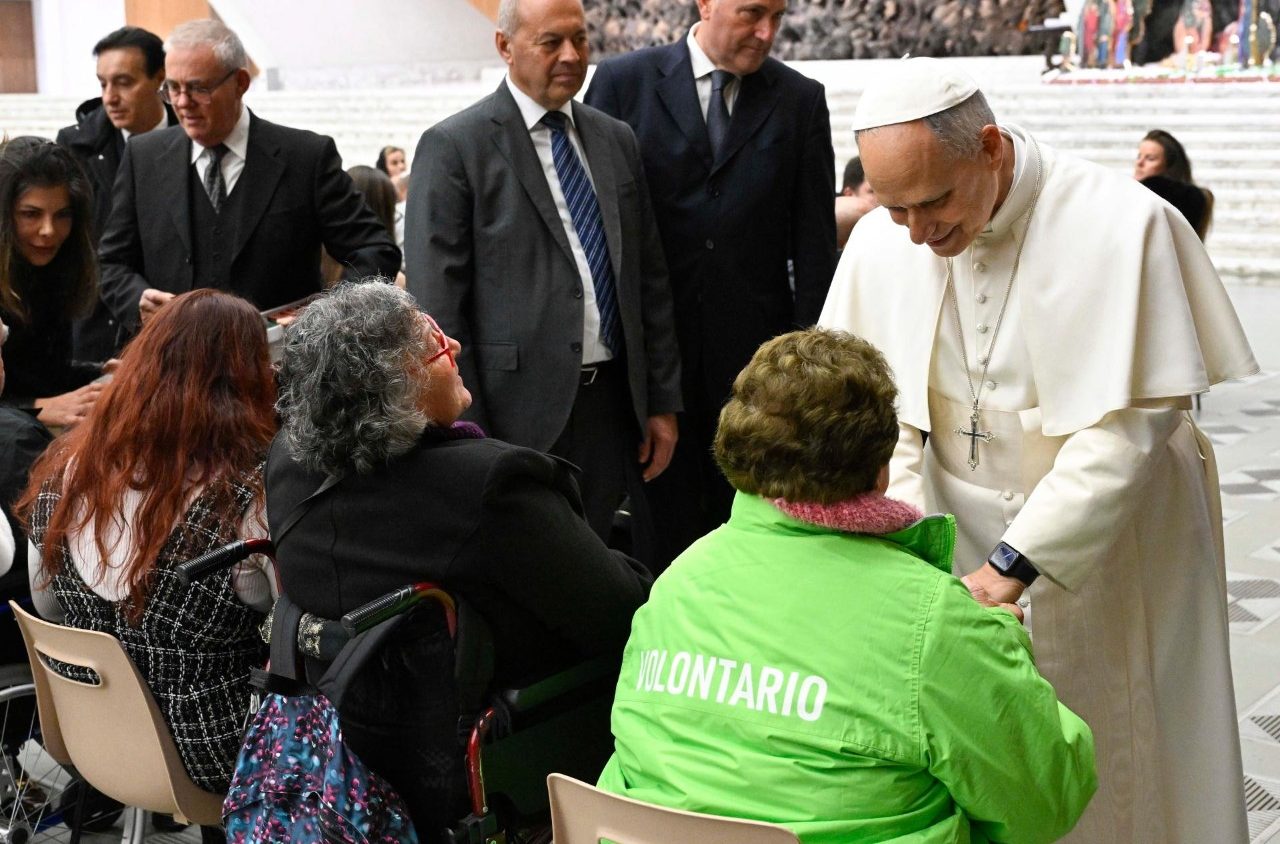
Pope Leo XIV held a personal meeting with people with illnesses and disabilities at the Paul VI Hall, offering blessings and Christmas wishes, emphasizing joy, love, and confidence in God's care during the holiday season.
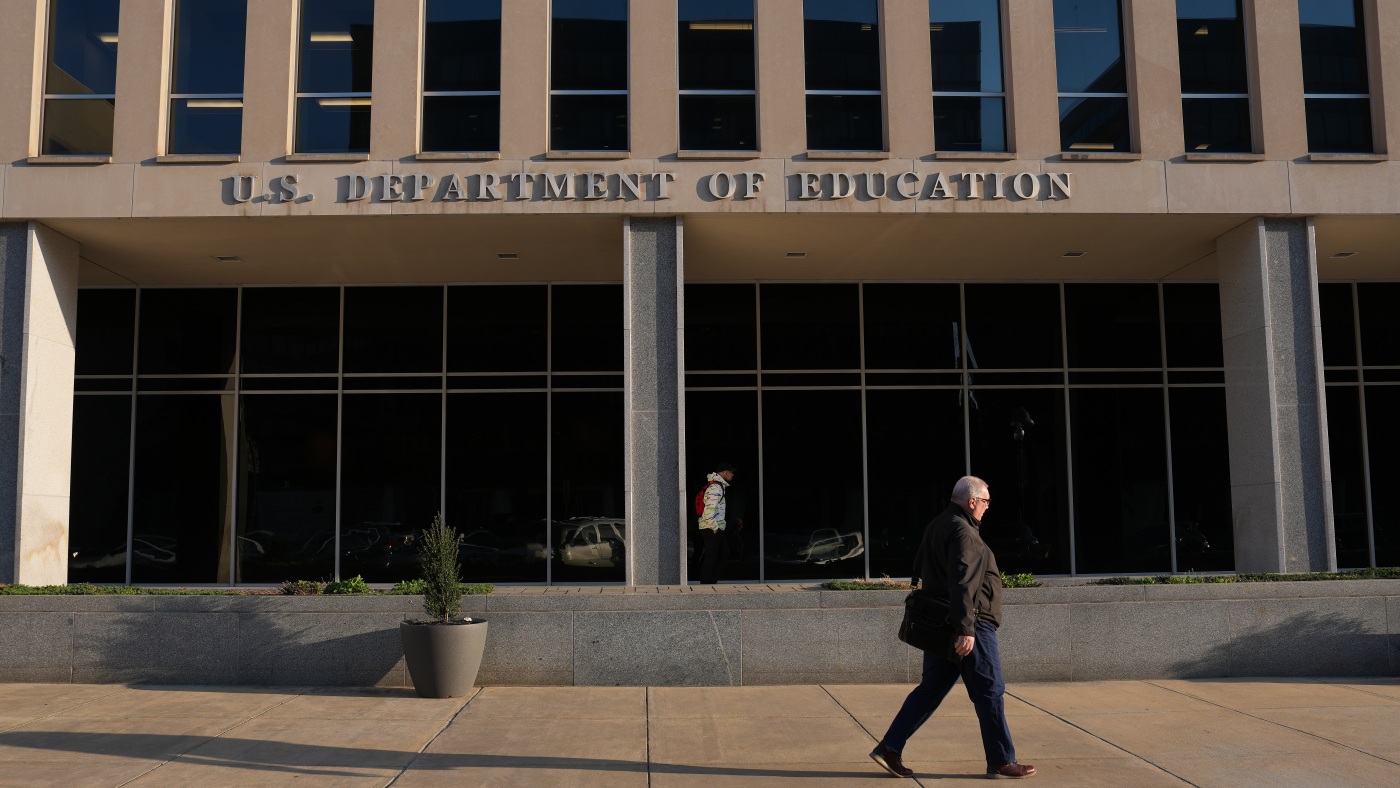
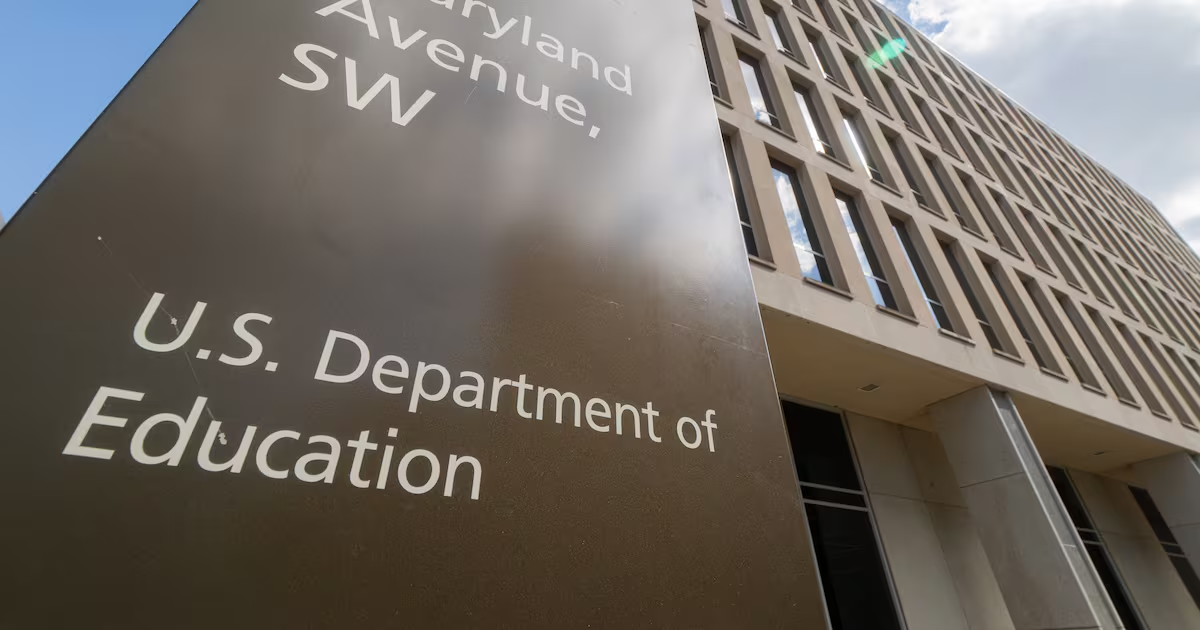
The US Department of Education has laid off the majority of its staff handling special education, including the Office of Special Education and Rehabilitative Services, due to ongoing funding issues and government shutdown, raising concerns about the impact on services for children and adults with disabilities.
The Trump administration announced significant layoffs at the U.S. Department of Education, notably affecting the Office of Special Education and Rehabilitative Services, which oversees programs for children with disabilities, raising concerns about compliance with federal laws and support for students with disabilities.
The US Department of Education has conducted mass layoffs affecting special education staff, risking the disruption of services for children with disabilities and the enforcement of the Individuals with Disabilities Education Act (IDEA). Critics argue that these cuts undermine the department's ability to support vulnerable students, despite assurances from Education Secretary Linda McMahon.
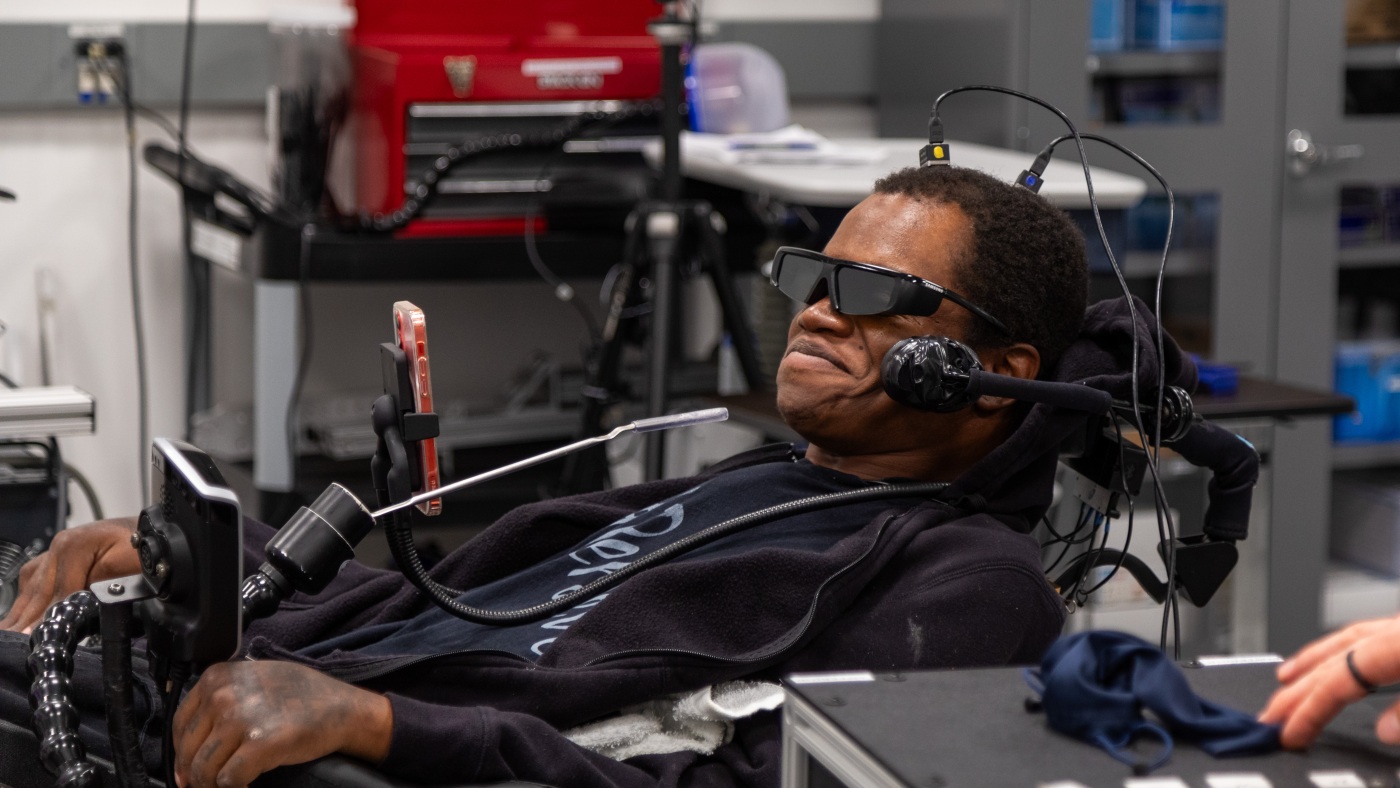
Advancements in brain-computer interfaces (BCIs) are moving from experimental to commercial, offering new hope for people with disabilities like paralysis and speech loss. Companies like Neuralink, Precision Neuroscience, and others are developing wireless, less invasive devices that can decode brain signals to control computers, prosthetics, and even restore sensory feedback, potentially transforming lives within the next few years.
People with disabilities in Gaza are experiencing severe hardships due to the ongoing conflict, facing increased challenges in accessing essential services and support amidst the chaos and destruction.
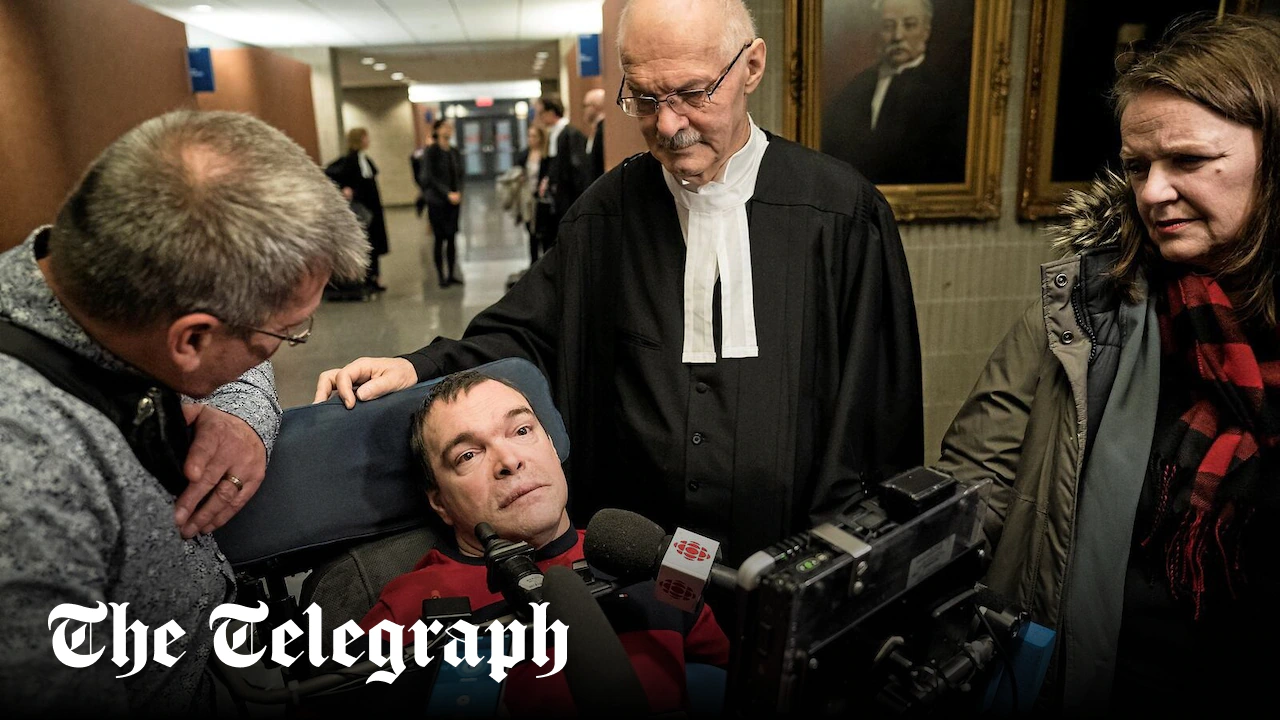
Jean Truchon, a key figure in Canada's assisted dying laws, revealed he might have chosen to live if he had received adequate home care, raising concerns about the country's approach to medical assistance in dying (MAiD). The case has sparked debate over whether patients are opting for assisted death due to insufficient care options, with experts warning of a "dangerous precedent." The situation also resonates in the UK, where similar issues in palliative care are influencing discussions on legalizing assisted dying.
The US Copyright Office has reversed a 2021 DMCA exemption that allowed players to bypass PC game copy protection for accessibility purposes, due to a lack of advocacy for its renewal. This decision was part of a broader ruling that also impacted game preservation efforts. The exemption, which facilitated features like alternate controller support for disabled players, was not renewed because no one stepped forward to defend it. The Copyright Office supports a permanent exemption but requires external advocacy to enact it.
A federal hearing on special education teacher shortages highlighted concerns over Donald Trump's proposal to dismantle the U.S. Department of Education, which could significantly impact students with disabilities. While the Individuals with Disabilities Education Act would remain, the shift of responsibilities to other agencies like the Department of Health and Human Services or the Department of Justice raises questions about funding, enforcement, and teacher standards. Experts are divided on the potential effects, with some warning of reduced attention to students' needs and others seeing it as a political move with minimal impact.
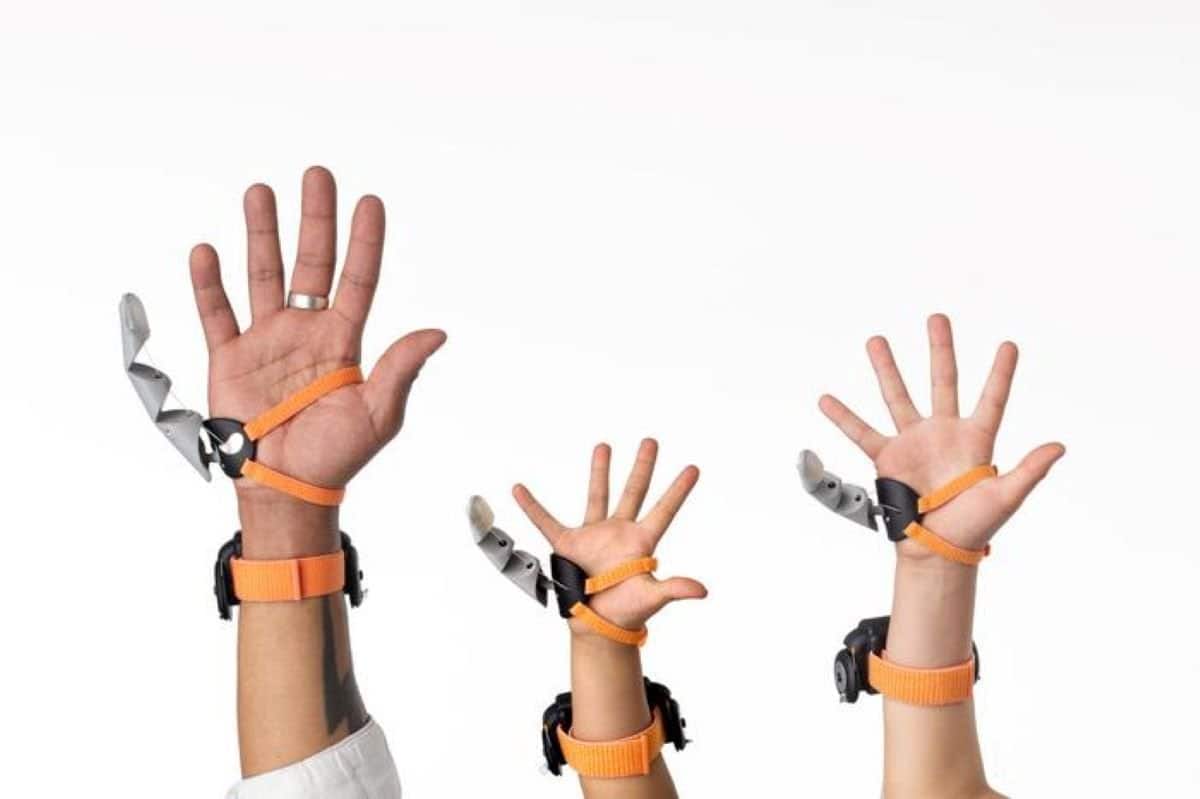
Researchers at the University of Cambridge have demonstrated that a diverse group of people can quickly learn to use a controllable prosthetic "Third Thumb" to manipulate objects, highlighting the importance of inclusive design in developing new technologies. The study, involving 596 participants aged 3 to 96, found that 98% could use the device within a minute, showing promise for both productivity enhancement and aiding those with disabilities.
Frontier Airlines CEO Barry Biffle claims that passengers are abusing wheelchair services to skip airport security and boarding lines, leading to increased costs and delays. He suggests implementing a registration or verification system and legislation to penalize abusers. The issue arises as the TSA expects to screen over 18 million people during the busy Memorial Day Weekend.
Disney is implementing stricter measures to prevent fraudulent claims of disabilities at its parks, warning that visitors found to have lied to obtain Disability Access Services (DAS) will be permanently banned. The company is also changing the DAS application process, requiring virtual video chat registrations and limiting the service to a guest's immediate family or a group of no more than four unrelated people. These changes will go into effect in May and June at Walt Disney World and Disneyland, respectively, in response to a surge in fraudulent claims seeking to exploit the service.
Disney is updating its theme park policies for guests with disabilities to crack down on misuse of the Disability Access Service, with new rules specifying who can use the program and issuing lifetime bans to those who lie to take advantage of it. The changes come as Disney faces a rise in exploitation of the program, with disability services becoming the most requested service at its Florida and California parks. The new policies will take effect at Walt Disney World on May 20 and at Disneyland on June 18.
Disney parks will issue lifetime bans to individuals found to have made false statements in order to obtain Disability Access Services, due to a surge of fraudulent claims seeking to exploit the system. The company is tightening its restrictions and heightening scrutiny of guests claiming disabilities, with new changes including virtual video chat registrations and limitations on who qualifies for the service. The new policy will go into effect on May 20 at Walt Disney World in Florida and June 18 at Disneyland in California.
Dr. Clarissa Kripke is revolutionizing healthcare for adults with developmental and intellectual disabilities by prioritizing holistic care and independence. Her approach involves house calls, personalized care plans, and extensive coordination with caregivers and insurers. While federal regulations aim to improve care for people with disabilities, challenges remain, including a lack of trained clinicians and a shortage of essential services. Kripke's model has shown promising results in improving the quality of life for her patients, but widespread adoption will require additional training and changes in the healthcare system.