Tag

Pangolins

All articles tagged with #pangolins

"Chinese Scientists Discover New Bat Coronavirus Linked to Pangolins with Same Mutation as COVID-19"

Originally Published 2 years ago — by Daily Mail

Featured image for "Chinese Scientists Discover New Bat Coronavirus Linked to Pangolins with Same Mutation as COVID-19"
Source: Daily Mail

Chinese scientists have discovered a new bat coronavirus, TyRo-CoV-162275, that possesses a furin cleavage site, similar to the one found in SARS-CoV-2. The virus is up to 98% identical to coronaviruses found in pangolins, which were previously suspected of transmitting Covid-19 to humans. The study, conducted between 2016 and 2017, collected samples from bats in Yunnan and Guangdong provinces, far from the epicenter of the pandemic in Wuhan. Some scientists see this discovery as evidence that Covid-19-like viruses can emerge naturally in the wild and pass between species, supporting the theory of a natural origin. However, others remain skeptical, pointing out that the newly-discovered virus is not closely related to SARS viruses, including Covid-19. The debate over the origins of Covid-19 continues, with no definitive evidence either way.
Cracking the Genetic Blueprint of Pangolins: A Key to Their Survival

Originally Published 2 years ago — by SciTechDaily

Featured image for Cracking the Genetic Blueprint of Pangolins: A Key to Their Survival
Source: SciTechDaily

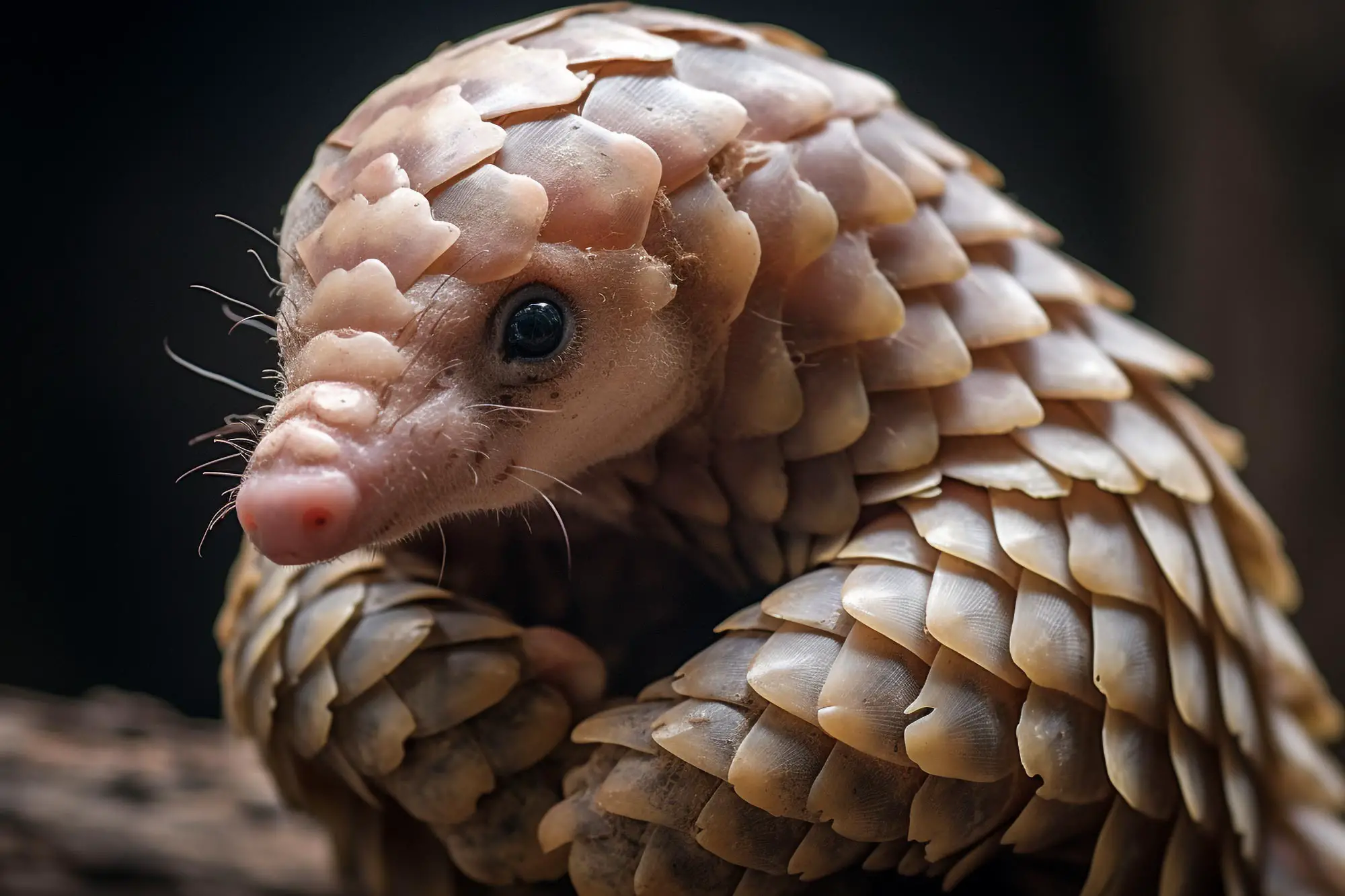
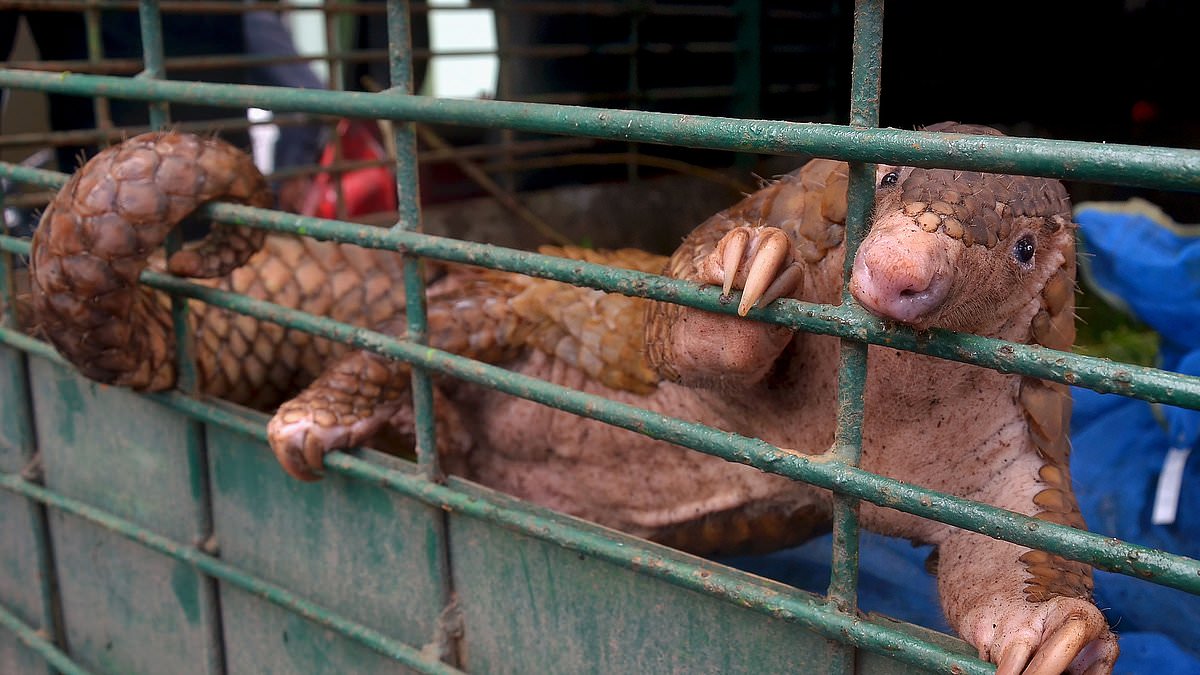
A new study published in Molecular Biology and Evolution has provided a comprehensive genomic database for pangolins, aiding in their conservation efforts. Pangolins, the most trafficked wild mammals on Earth, are at risk due to hunting and habitat destruction. The research sequenced multiple pangolin species, identified a potential new species, and will help track illegal pangolin trade. The genomic data will provide insights into their evolution and contribute to conservation priorities and management plans.

Unveiling the Origins: Cross-species Virus Transmission and Wuhan Lab Controversy

Originally Published 2 years ago — by Daily Mail

Featured image for Unveiling the Origins: Cross-species Virus Transmission and Wuhan Lab Controversy
Source: Daily Mail

A new study published in Nature suggests that pangolins may have served as the intermediary host between bats and humans in the transmission of the Covid-19 virus. Researchers found that the strain of coronavirus harbored in pangolins was nearly identical to the one that has infected humans, indicating that the virus likely jumped from pangolins to immunocompromised individuals, allowing it to mutate and replicate. This contradicts the theory that the virus originated from a leak at the Wuhan Institute of Virology. The study highlights the need for further investigation into the origins of the pandemic and the role of animal hosts in the transmission of infectious diseases.

Pangolin Research Reveals Scientific Surprise

Originally Published 2 years ago — by SciTechDaily

Featured image for Pangolin Research Reveals Scientific Surprise
Source: SciTechDaily

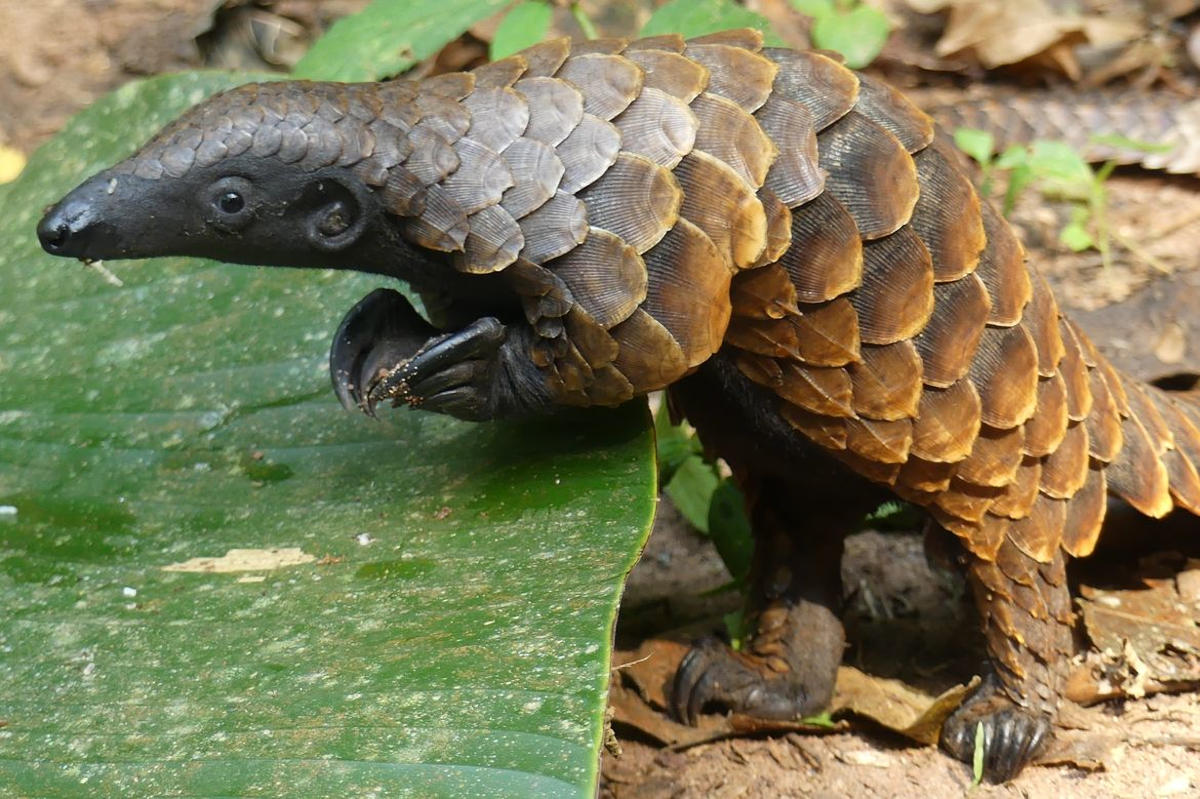
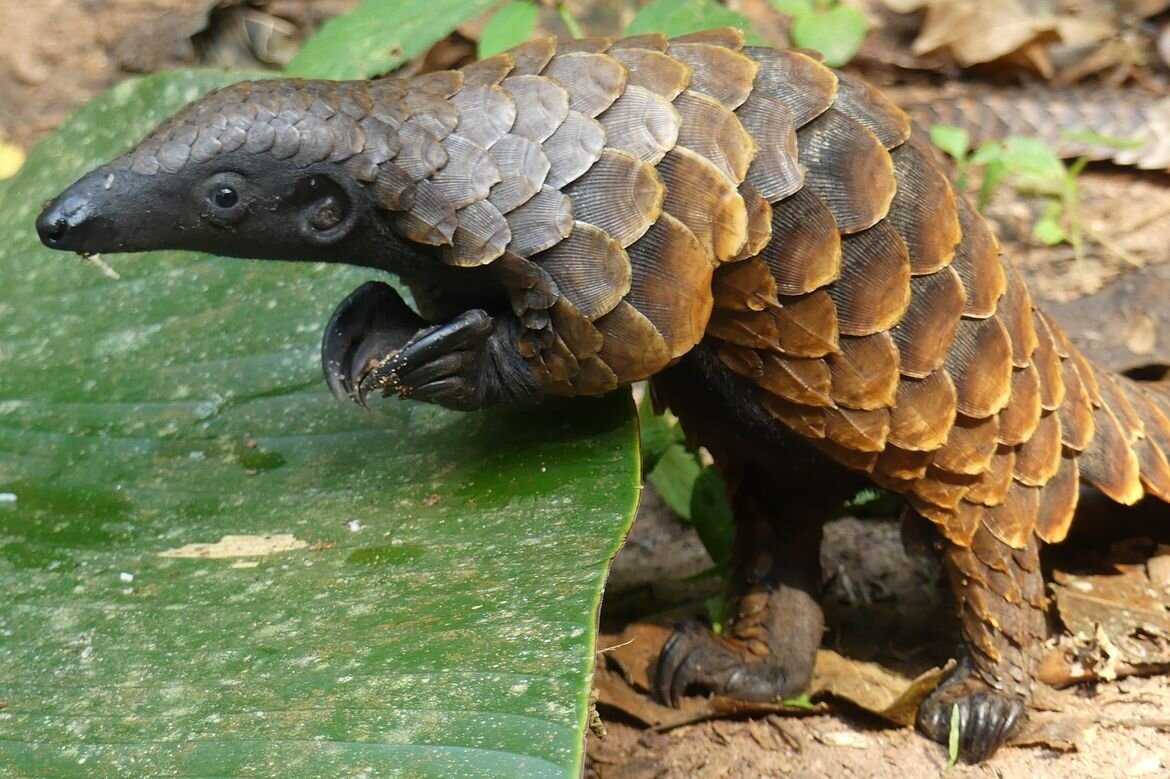
A recent study published in Chromosome Research reveals that the female white-bellied pangolin possesses 114 chromosomes, a count surpassed only by the Bolivian bamboo rat’s 118, significantly exceeding the human count of 46. The chromosome counts of other pangolin species align more with typical mammalian ranges, fluctuating between 36 to 42. The research team created a valuable genetic resource to support conservation efforts, especially attempts to control poaching, which is the primary reason the animals are endangered.

White-Bellied Pangolins Boast High Chromosome Count Among Mammals

Originally Published 2 years ago — by Phys.org

Featured image for White-Bellied Pangolins Boast High Chromosome Count Among Mammals
Source: Phys.org

Female white-bellied pangolins have 114 chromosomes, the second-highest number among mammals, according to a new study. The research also found that male white-bellied pangolins have a different number of chromosomes than females, which is unusual. The study aims to support conservation efforts for the endangered pangolin species, which are often poached for their scales and meat. The genetic information could help identify the sources of pangolin products and manage populations differently based on genetic differences.