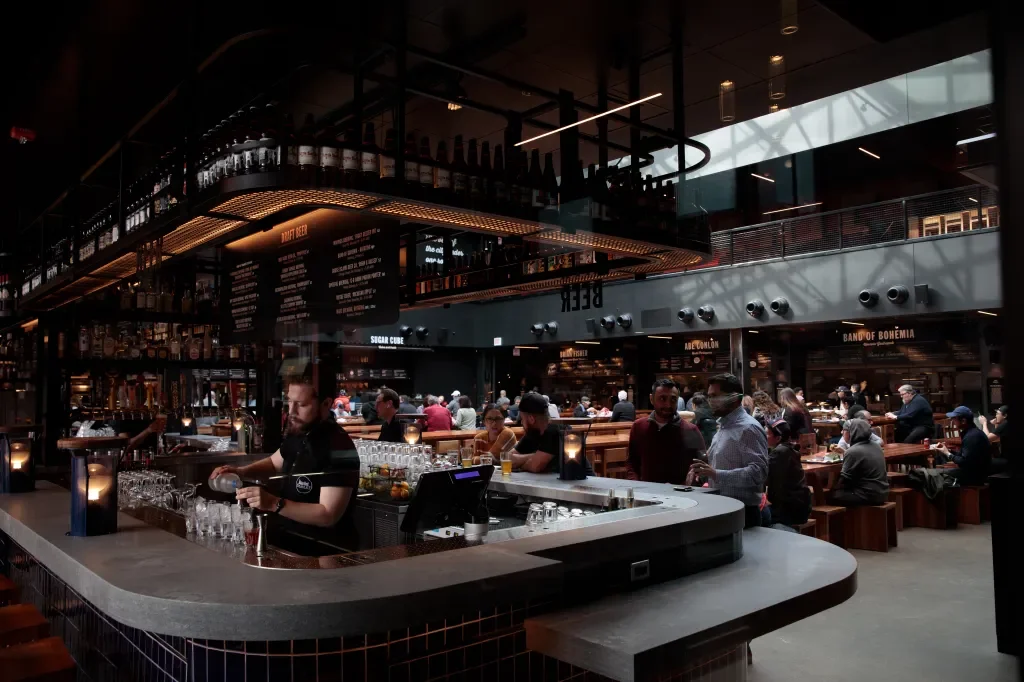
Time Out Market Chicago in Fulton Market will close on January 23 after seven years, with owners citing inconsistent post-pandemic foot traffic and a hybrid-work era; staff and vendors face job losses, though the Time Out Market brand will continue in other locations.
Electric vehicle sales are expected to experience the slowest growth since the pandemic, indicating a potential slowdown in the automotive industry's shift towards electric vehicles.
U.S. students in grades 3-8 are still experiencing a pandemic-related slump in reading, with scores not improving since 2019, while math shows slight recovery. A new public dashboard aims to provide more frequent and detailed data to help schools address these ongoing challenges.
U.S. high school seniors scored their lowest in reading since 1992 and in math since 2005 on the NAEP, with about a third lacking basic reading skills, likely due to increased screen time and the pandemic.
Older Coloradans have nearly returned to pre-pandemic death rates, but middle-aged individuals continue to die younger than expected mainly due to overdoses, with youth death rates fluctuating and ongoing concerns about substance abuse and mental health. Overall, death rates are improving for some age groups, but challenges remain, especially among middle-aged adults and youth.
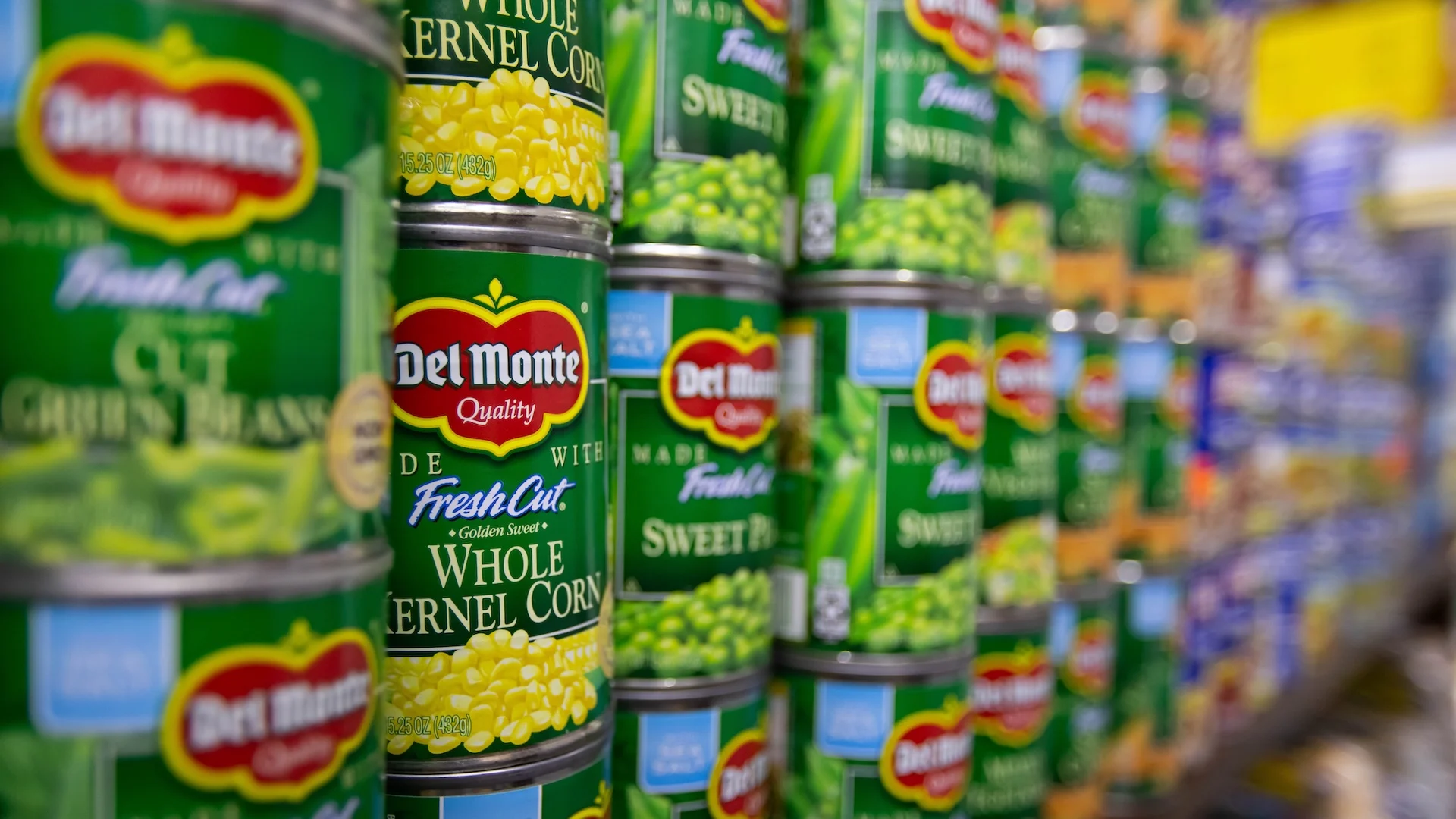
Del Monte, a historic American food brand, filed for bankruptcy protection after misjudging market shifts post-pandemic, leading to a sale of its assets. The company's decline highlights how even iconic brands can falter when they confuse nostalgia with relevance and fail to adapt to changing consumer preferences.
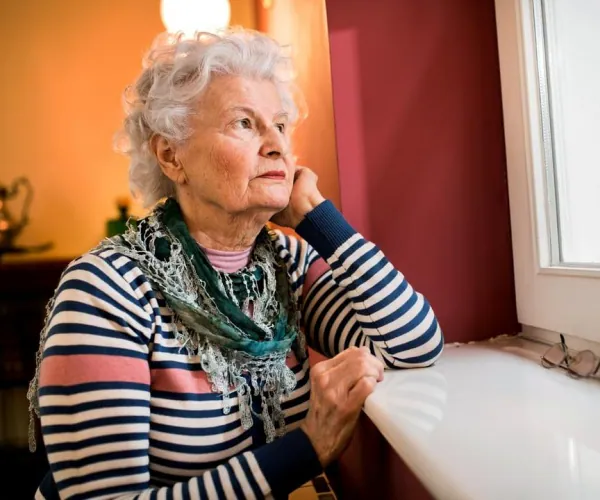
A recent survey by the University of Michigan reveals that over one-third of Americans aged 50 and older experience loneliness, a rate similar to pre-pandemic levels. However, those with mental or physical health issues report significantly higher rates of loneliness and social isolation. The study highlights the need for healthcare providers to address these issues, especially among vulnerable groups. The poll, conducted in early 2024, involved over 2,600 participants and was published in the Journal of the American Medical Association.
Alcohol consumption in the U.S. increased during the COVID-19 pandemic and remains elevated, with more Americans engaging in heavy or binge drinking. A study published in the Annals of Internal Medicine highlights that this trend, initially attributed to pandemic-related stress, has persisted beyond the acute phase of the crisis. The rise in alcohol use spans all demographics, with notable increases among middle-aged adults and women. Experts warn of the long-term health risks associated with sustained heavy drinking, including liver disease and other chronic conditions.
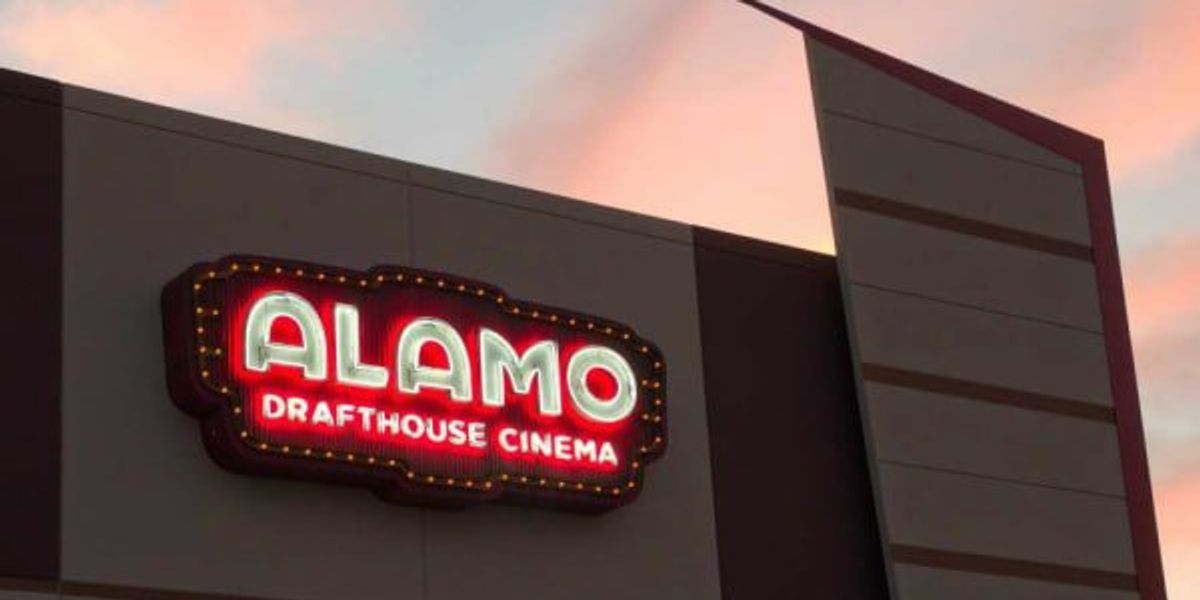
Alamo Drafthouse's local franchisee in Dallas-Fort Worth announced the closure of all five area theaters, citing the pandemic and recent industry strikes as contributing factors. Despite some issues with seating and service, the theaters were beloved for their unique moviegoing experience. There is hope that the theaters may reopen in the future, but their current closure marks a significant loss for local movie enthusiasts.
Whooping cough cases in the U.S. have more than doubled in the first five months of this year compared to the same period last year, potentially due to missed vaccinations during the COVID-19 pandemic. The disease, which is particularly dangerous for infants, saw reduced transmission during the pandemic due to masking and social distancing. Experts emphasize the importance of increasing vaccination rates, especially during pregnancy, to protect vulnerable populations.
The Angelika Film Center & Cafe in Plano, an acclaimed independent movie theater, has closed permanently as of June 3, 2024, due to financial struggles exacerbated by the pandemic and Hollywood strikes. The closure leaves eight remaining theaters in the Angelika chain. Employees were initially told the theater would stay open until June 13, but the locks were changed on June 4, and they were informed the closure was immediate.
High-end home prices in certain cities have remained stable due to factors like the pandemic-driven exodus from dense population centers and ongoing affordability challenges. Cities like Seattle, Toledo, and Tulsa saw minimal luxury price growth compared to the national trend, making them attractive for buyers seeking luxury homes at relatively lower prices.
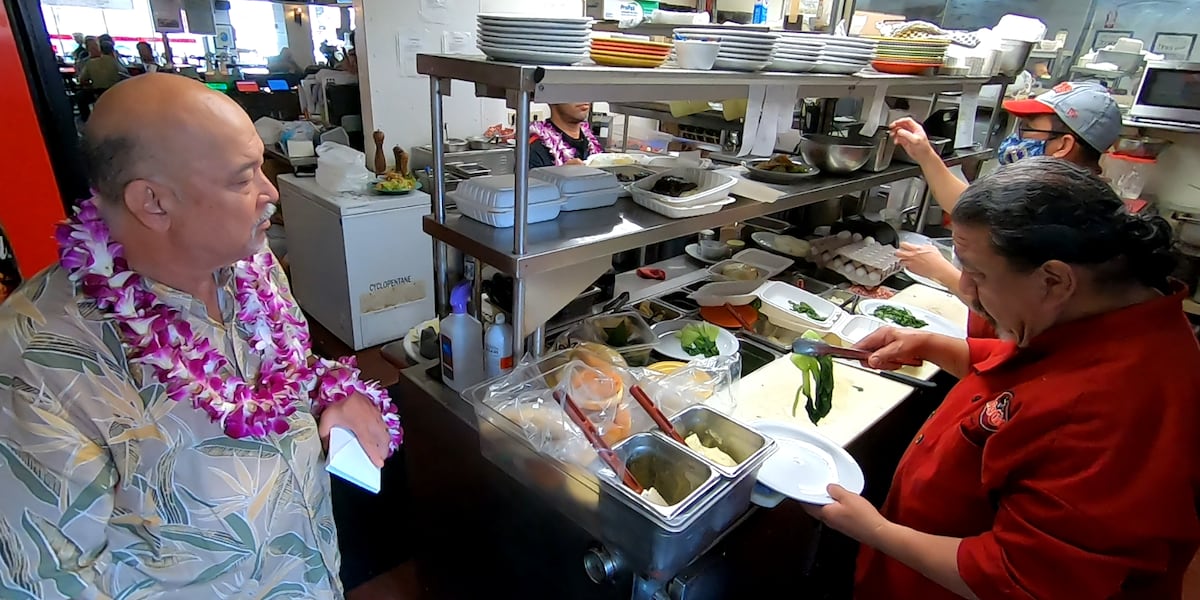
After 26 years, Big City Diner's original location in Kaimuki, Honolulu, has closed its doors due to challenges like inflation, labor shortages, and lingering pandemic effects. The beloved local eatery, known for its comfort food and family atmosphere, was a community staple. Despite efforts to sustain operations, economic pressures proved insurmountable, marking the end of an era for the Kaimuki landmark.
Military families are facing severe child care shortages, exacerbated by frequent relocations, unconventional work hours, and a lack of available child care workers. This crisis is causing significant stress and financial strain, leading some service members to consider leaving the military. Despite efforts by the military to improve the situation, including offering bonuses and increasing wages for child care workers, the problem persists, threatening mission readiness and recruitment. Legislative proposals aim to address these challenges, but many military spouses continue to struggle with balancing child care and career aspirations.
Charles, a consumer product professional, earned over $300,000 in 2021 by secretly juggling multiple remote jobs. However, the job market for remote roles has declined, with companies shifting to in-person or hybrid models. Despite the challenges, Charles continues to manage two remote jobs to avoid commuting and maintain his income.