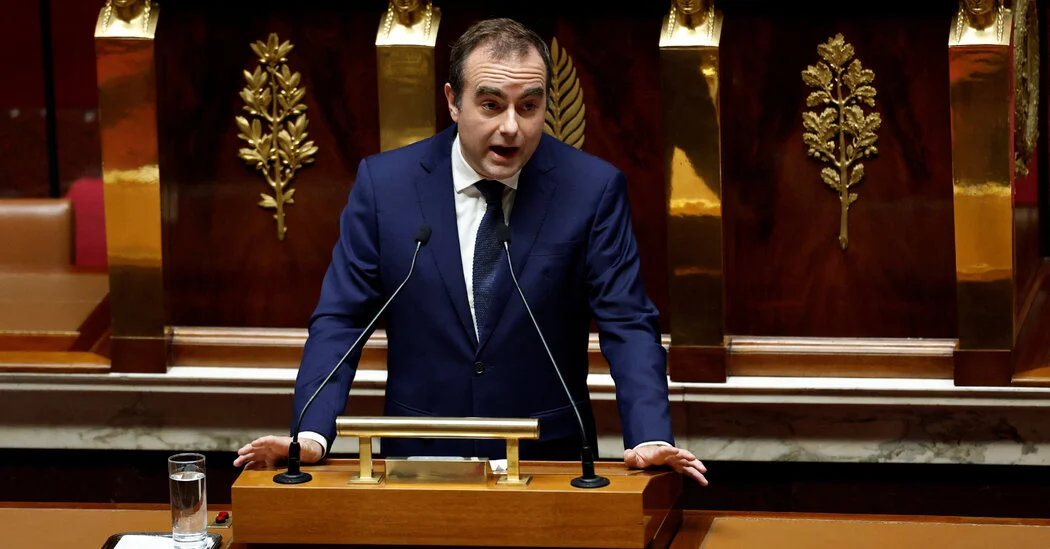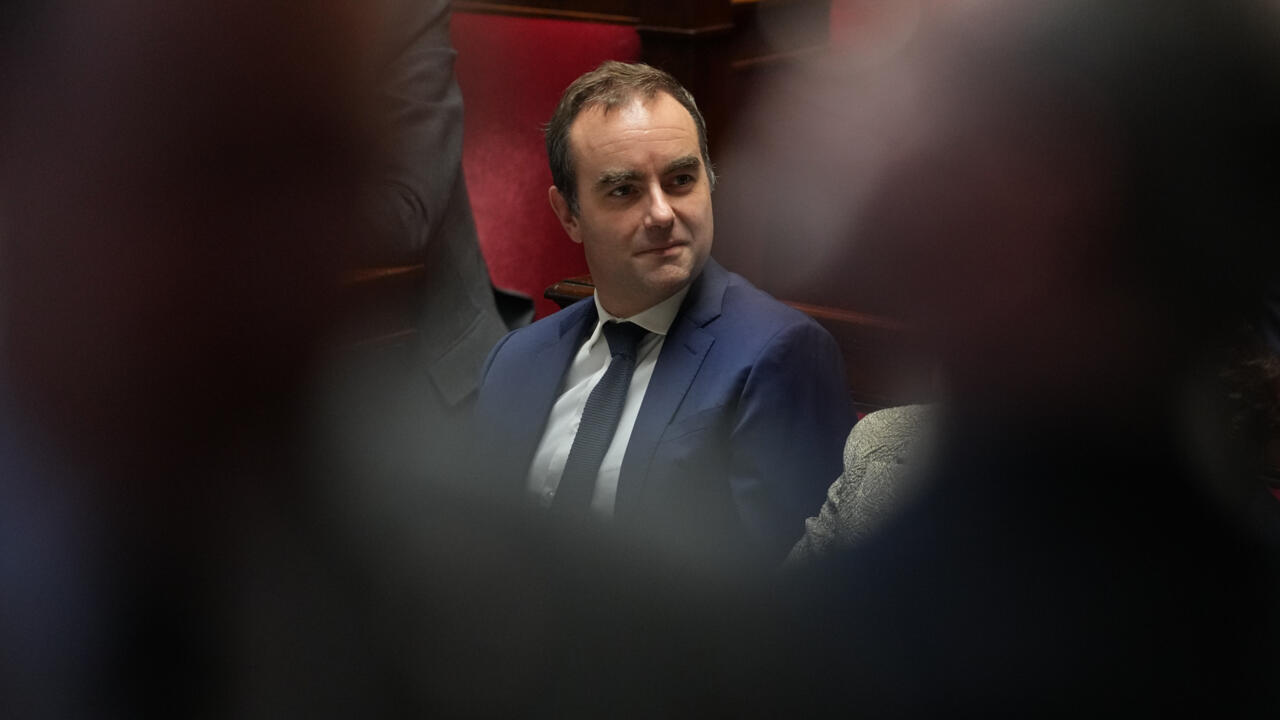
France's government narrowly survived a no-confidence vote in Parliament, giving Prime Minister Sébastien Lecornu a brief reprieve amid ongoing political instability, primarily due to delays in implementing an unpopular pension reform.
French Prime Minister Sébastien Lecornu narrowly survived two no-confidence votes in the National Assembly after securing support from the Socialist Party by pledging to suspend President Macron's pension reform, amid ongoing political turmoil.
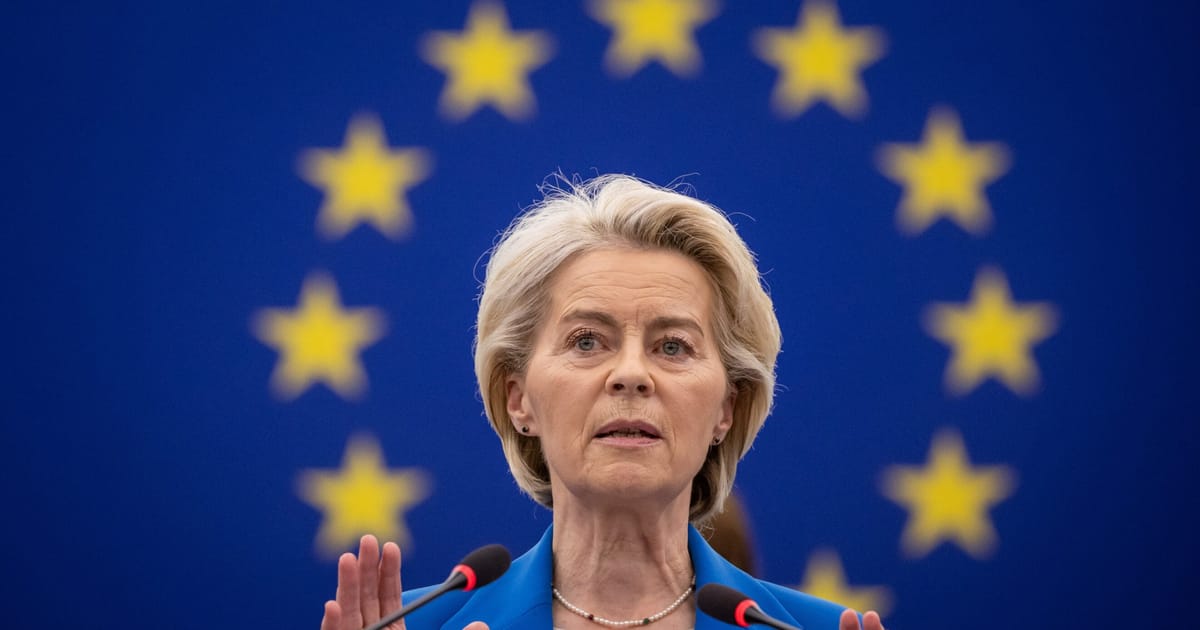
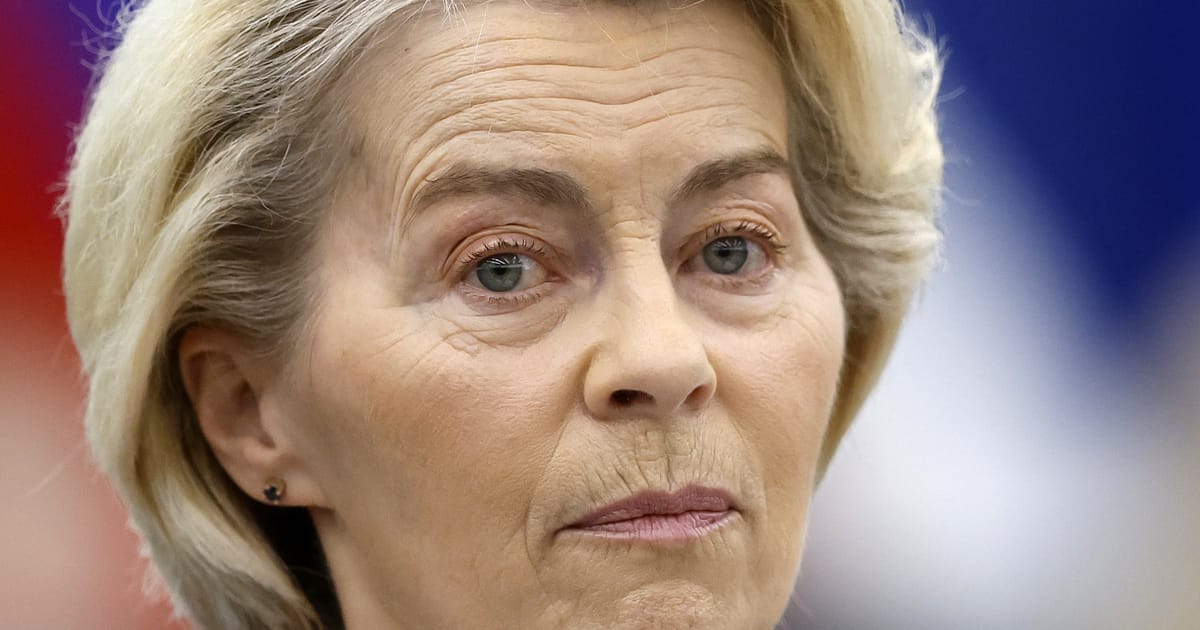
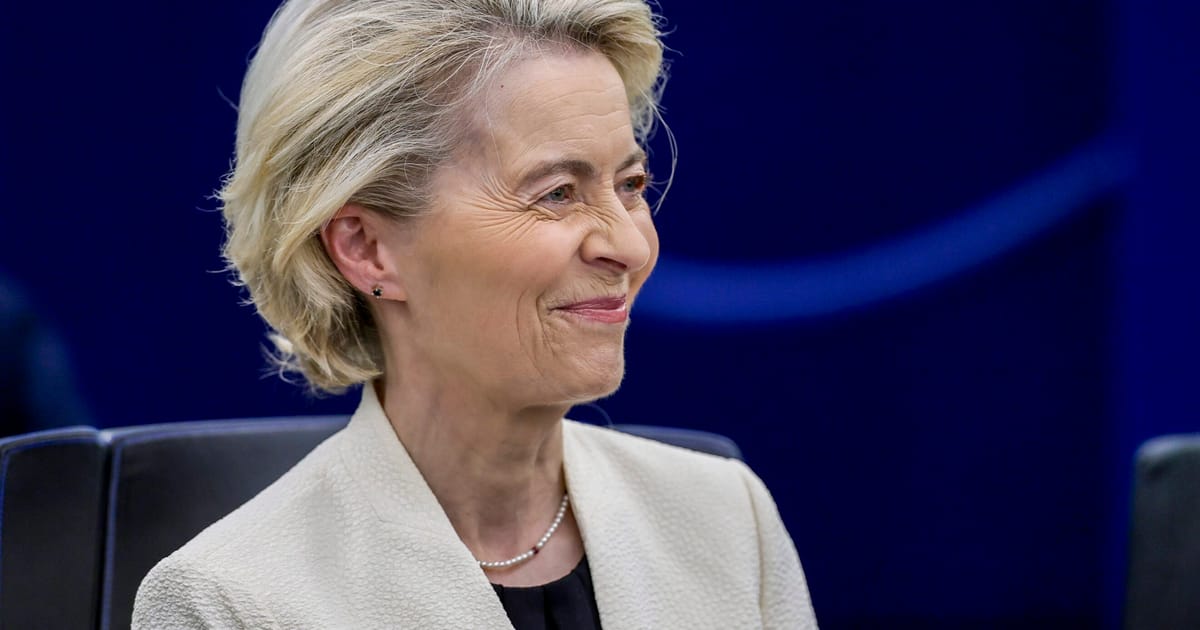
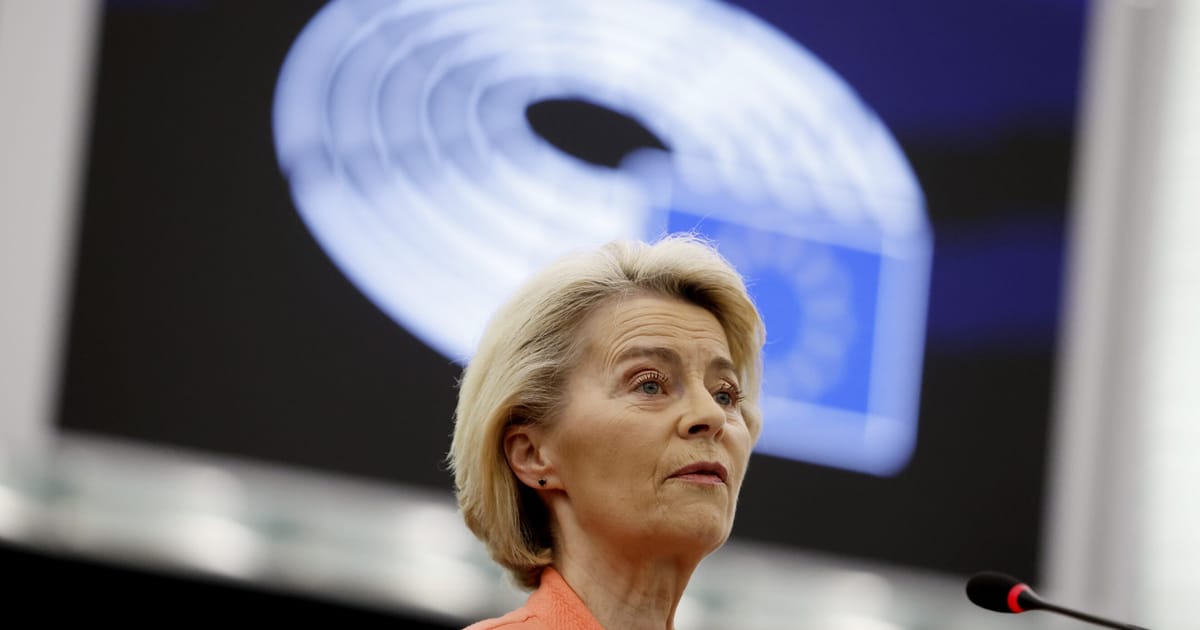
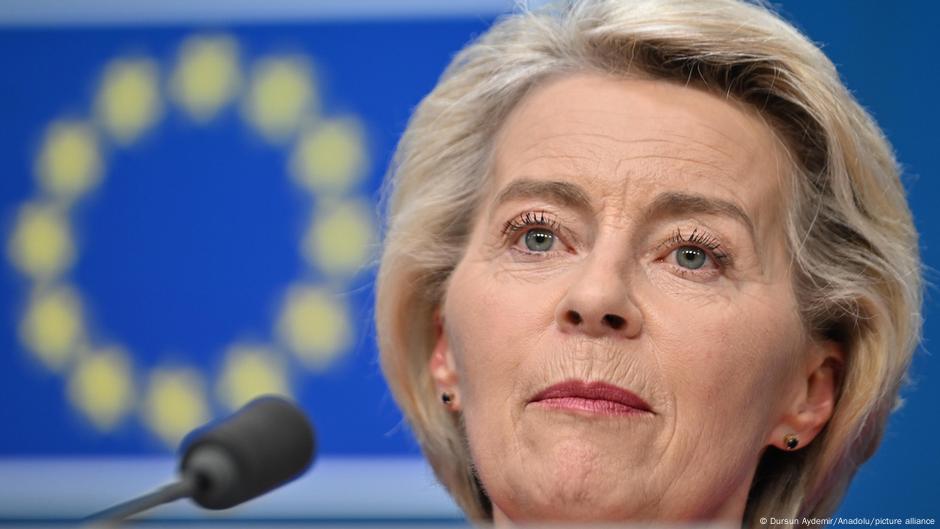
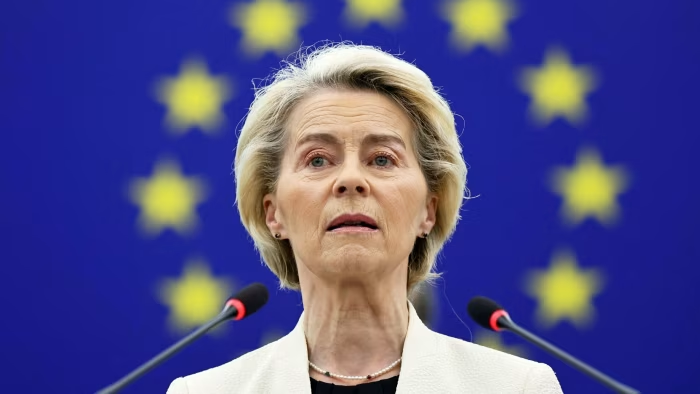
European Commission President von der Leyen faces ongoing challenges, including a potential no-confidence vote and disputes over the EU budget, with growing disapproval but likely survival according to projections, amidst broader political tensions in the European Parliament.
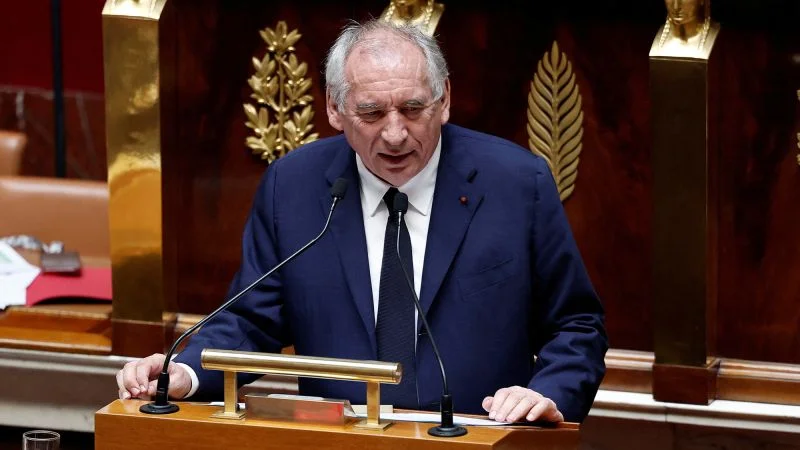
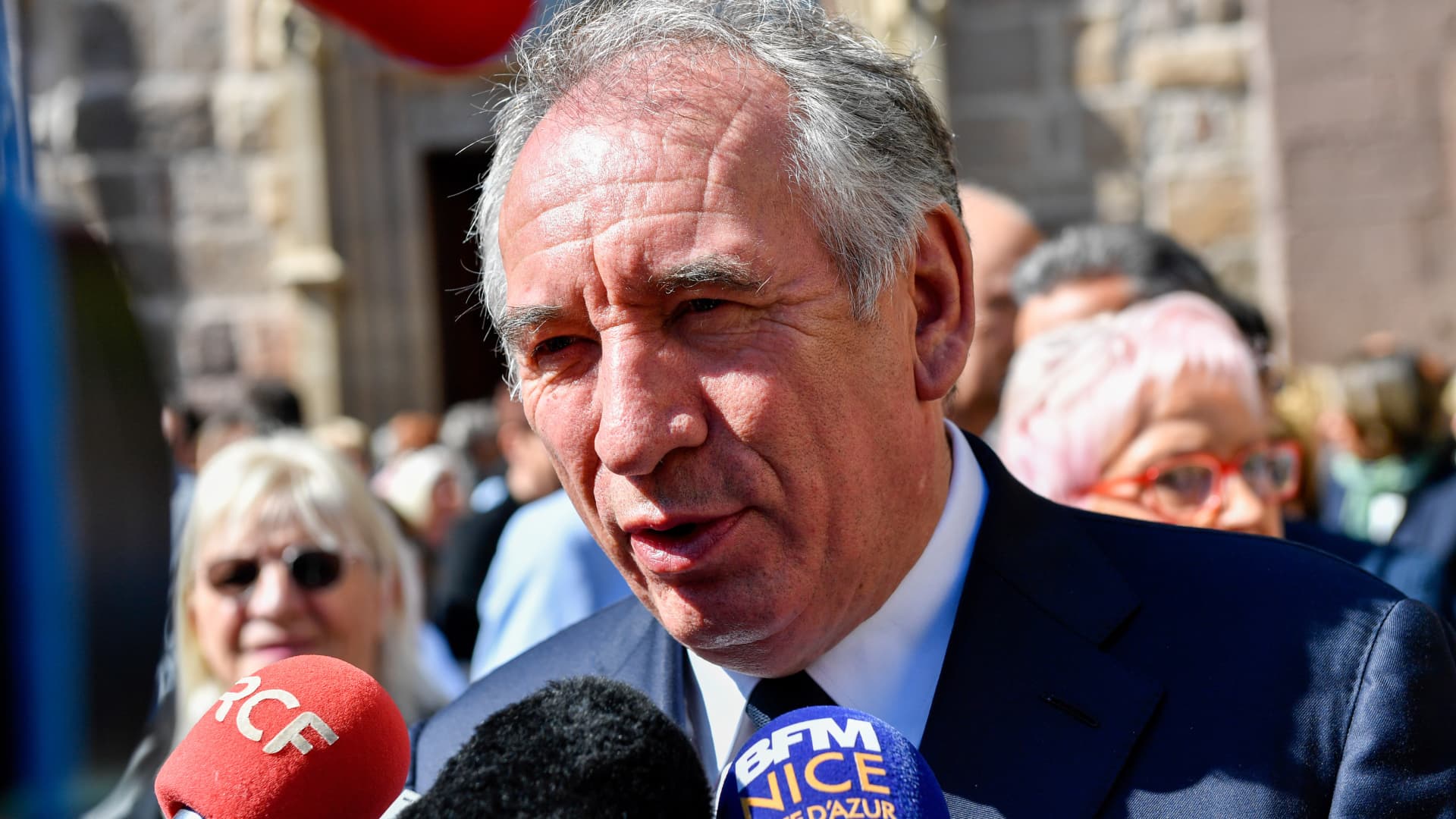
French Prime Minister François Bayrou was ousted after a decisive no-confidence vote, leading to political instability amid economic and geopolitical tensions, with President Macron facing a challenging path forward in forming a new government.
Ursula von der Leyen survived a no-confidence vote in the EU Parliament, but support was weak with many MEPs abstaining or absent, and in some countries, more lawmakers supported the motion to oust her than opposed it.
Ursula von der Leyen survived a no-confidence vote in the European Parliament, which was a rare challenge to her leadership, but the event highlighted increasing political opposition and internal tensions within the EU's political spectrum, with her facing potential future challenges.
European Commission President von der Leyen faces a no-confidence vote after backing down on EU budget issues, with socialists planning to support her despite her concessions and a broader political debate on EU priorities and governance.
The European Parliament is set to hold a symbolic no-confidence vote against Ursula von der Leyen's European Commission next week, driven by frustrations over transparency issues related to COVID vaccine negotiations and alleged political interference, although most parties oppose the motion and it requires an absolute majority to pass.
European Commission President Ursula von der Leyen faces a potential no-confidence vote in the European Parliament over a Covid-19 scandal involving her handling of Pfizer messages and concerns about transparency and democratic oversight, though her survival is likely, the move highlights ongoing tensions within the EU.
The Czech government narrowly survived a no-confidence vote triggered by a bitcoin scandal involving a drug dealer donation, with the scandal potentially boosting opposition leader Babiš's election prospects. The vote was close, with 98 MPs against and 94 in favor, and the government has now survived four such votes since 2021.
French President Emmanuel Macron has appointed Francois Bayrou as the new prime minister following the ousting of Michel Barnier's government after a historic no-confidence vote. This marks France's fourth prime minister this year amid ongoing political instability and economic challenges. The new government faces pressure from both left and right political factions over the 2025 budget, with potential provisional budget agreements to avoid a government shutdown. Investors remain cautious as France's fiscal issues persist.
French President Emmanuel Macron has vowed to remain in office until 2027 despite the resignation of Prime Minister Michel Barnier following a no-confidence vote. Macron blamed far-right and far-left opponents for the political turmoil and plans to appoint a new prime minister soon. The political instability has raised concerns about France's economic future, with Moody's warning of potential financial repercussions. Macron faces pressure to swiftly appoint a leader capable of navigating a divided parliament and passing crucial budget legislation.
French President Emmanuel Macron announced that he will appoint a new prime minister in the coming days after Michel Barnier was ousted in a no-confidence vote. Macron criticized the far-right and far-left parties for forming an "anti-republican front" and choosing "chaos" over governance. Despite calls for his resignation, Macron intends to complete his term until 2027 and emphasized the need for unity and rebuilding in France. Barnier will remain in a caretaker role until a successor is named.
French Prime Minister Michel Barnier has resigned after his government was ousted by a no-confidence vote, making him the shortest-serving prime minister in France's Fifth Republic. President Emmanuel Macron, who cannot call new elections until July, must now appoint a successor to navigate the challenges of a hung parliament and a contentious budget. The political turmoil was triggered by the far-right Rassemblement National and leftist Nouveau Front Populaire withdrawing support over a deficit-reducing budget. Macron faces pressure to form a new government coalition amid calls for his resignation.
French President Emmanuel Macron announced he will appoint a new prime minister within days following the resignation of Michel Barnier, who stepped down after a no-confidence vote in parliament. Macron criticized the far right and hard left for collaborating to bring down the government, while Marine Le Pen defended the censure as constitutional. The political crisis follows Macron's controversial decision to call snap elections, leading to a parliamentary deadlock. The new prime minister's immediate focus will be the 2025 budget, amid speculation over potential candidates.