Scientists have developed a new magnetic method to improve oxygen production for astronauts in space, which could enhance long-duration missions to the Moon and Mars by replacing bulky centrifuges with a lighter, more efficient system that uses magnetic forces to control gas bubbles during electrolysis.
MIT engineers have developed an implantable device that could revolutionize the treatment of Type 1 diabetes by replacing daily insulin injections. The device contains insulin-producing cells and an onboard oxygen factory that generates oxygen by splitting water vapor in the body. In tests on diabetic mice, the device successfully maintained stable glucose levels for over a month. The researchers aim to create a larger version of the device for human testing. This technology could potentially be adapted to treat other diseases requiring repeated delivery of therapeutic proteins.
MIT engineers have developed an implantable device that carries insulin-producing islet cells and generates its own oxygen by splitting water vapor in the body. When implanted in diabetic mice, the device successfully maintained stable blood glucose levels for at least a month. The researchers aim to create a larger version of the device for testing in humans with Type 1 diabetes. This technology could potentially replace the need for frequent insulin injections and be adapted for other diseases requiring repeated delivery of therapeutic proteins.
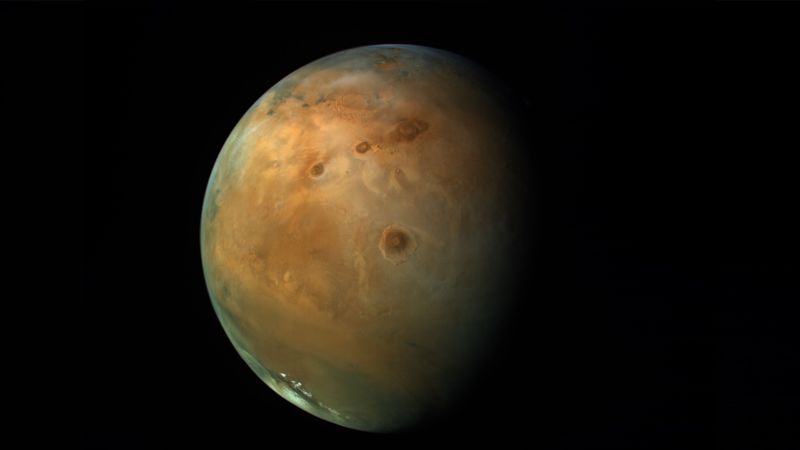
NASA's Mars Oxygen In-Situ Resource Utilization Experiment (MOXIE) has successfully generated oxygen on Mars, demonstrating the potential for creating life support systems and rocket fuel on the planet. Meanwhile, researchers at New York University Abu Dhabi have created the Mars Atlas, a detailed color mosaic of Mars using images from the United Arab Emirates' Hope probe, which could help identify weather patterns, resources, and safe landing sites for future explorers. In other news, the fossil of a leggy birdlike dinosaur has been discovered in China, and new research suggests that flowers found in a Neanderthal burial site were carried by bees. Additionally, India's Chandrayaan-3 lander has entered sleep mode during the lunar night, while Japan has launched its "Moon Sniper" lunar lander. Lastly, the Bird Photographer of the Year competition showcases stunning wildlife images, including a photo of a peregrine falcon striking a pelican.
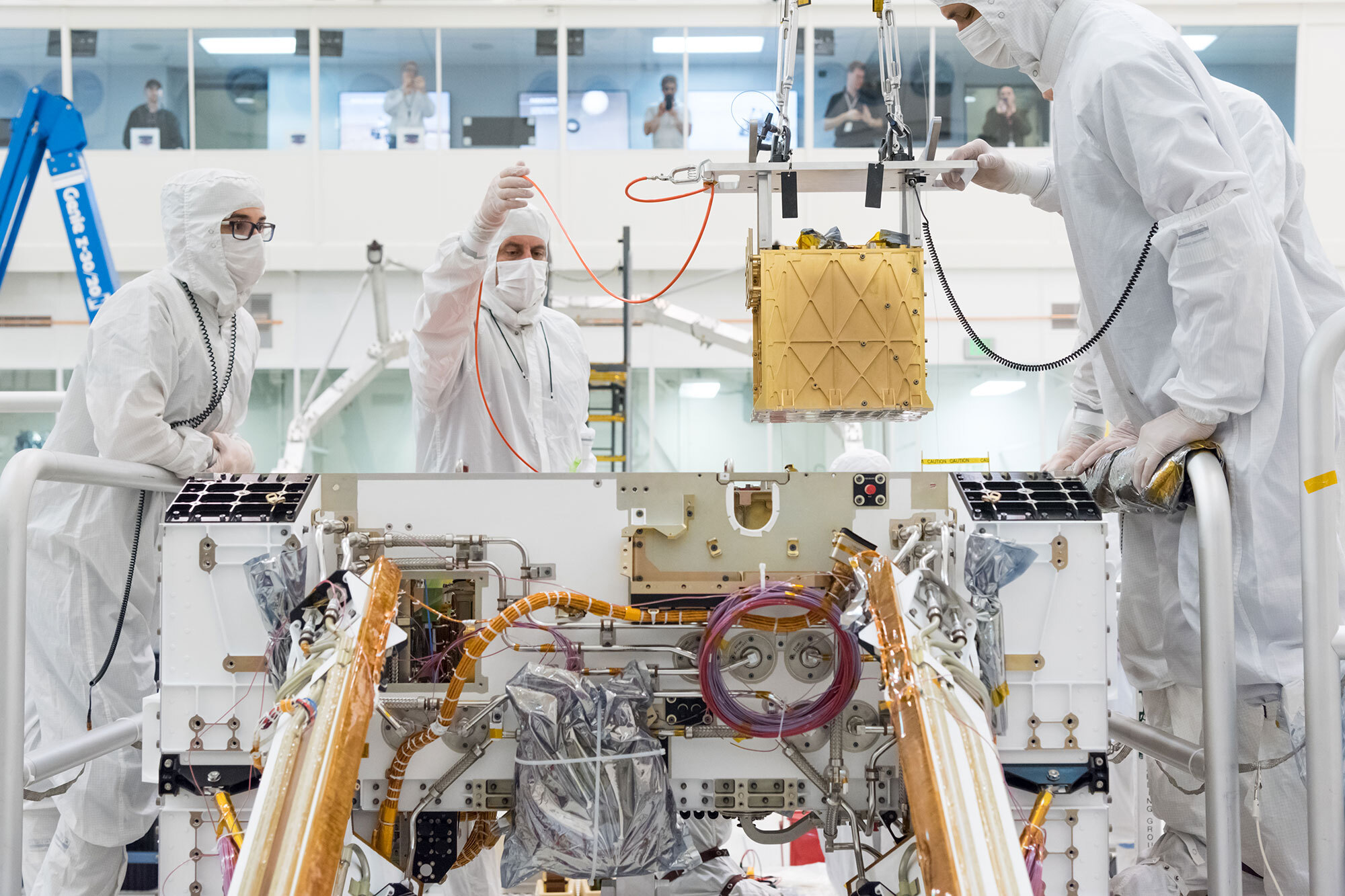
NASA's MOXIE (Mars Oxygen In-Situ Resource Utilization Experiment) aboard the Perseverance rover has successfully generated oxygen on Mars, proving its viability for future human missions. MOXIE has produced a total of 122 grams of oxygen during its 16 runs, exceeding expectations and demonstrating the potential to extract oxygen from Mars' atmosphere for breathable air and rocket propellant. The technology could enable astronauts to "live off the land" on Mars, reducing the need to transport large quantities of oxygen from Earth. NASA plans to develop a full-scale system that includes an oxygen generator and a way to liquefy and store the oxygen.