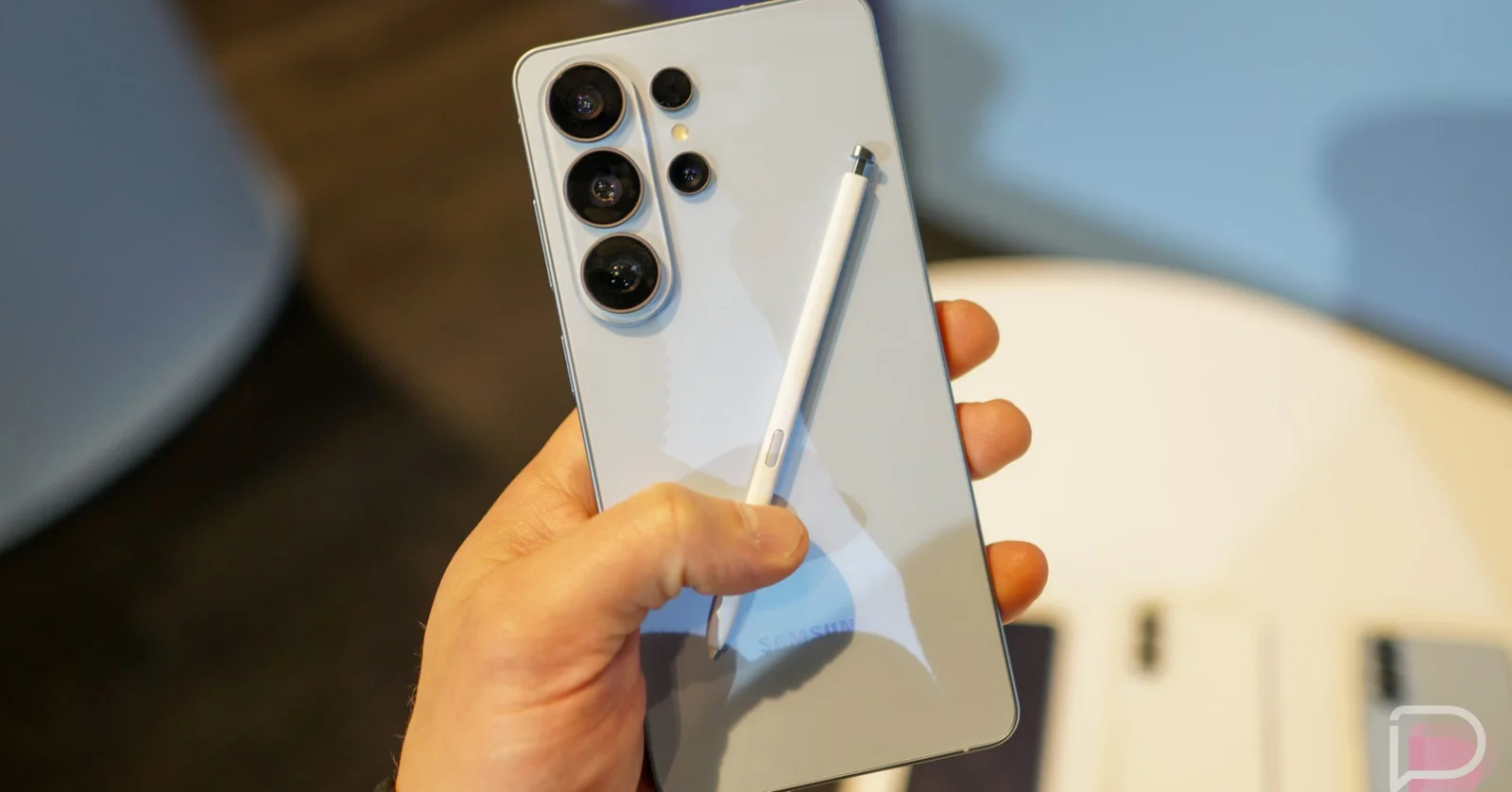
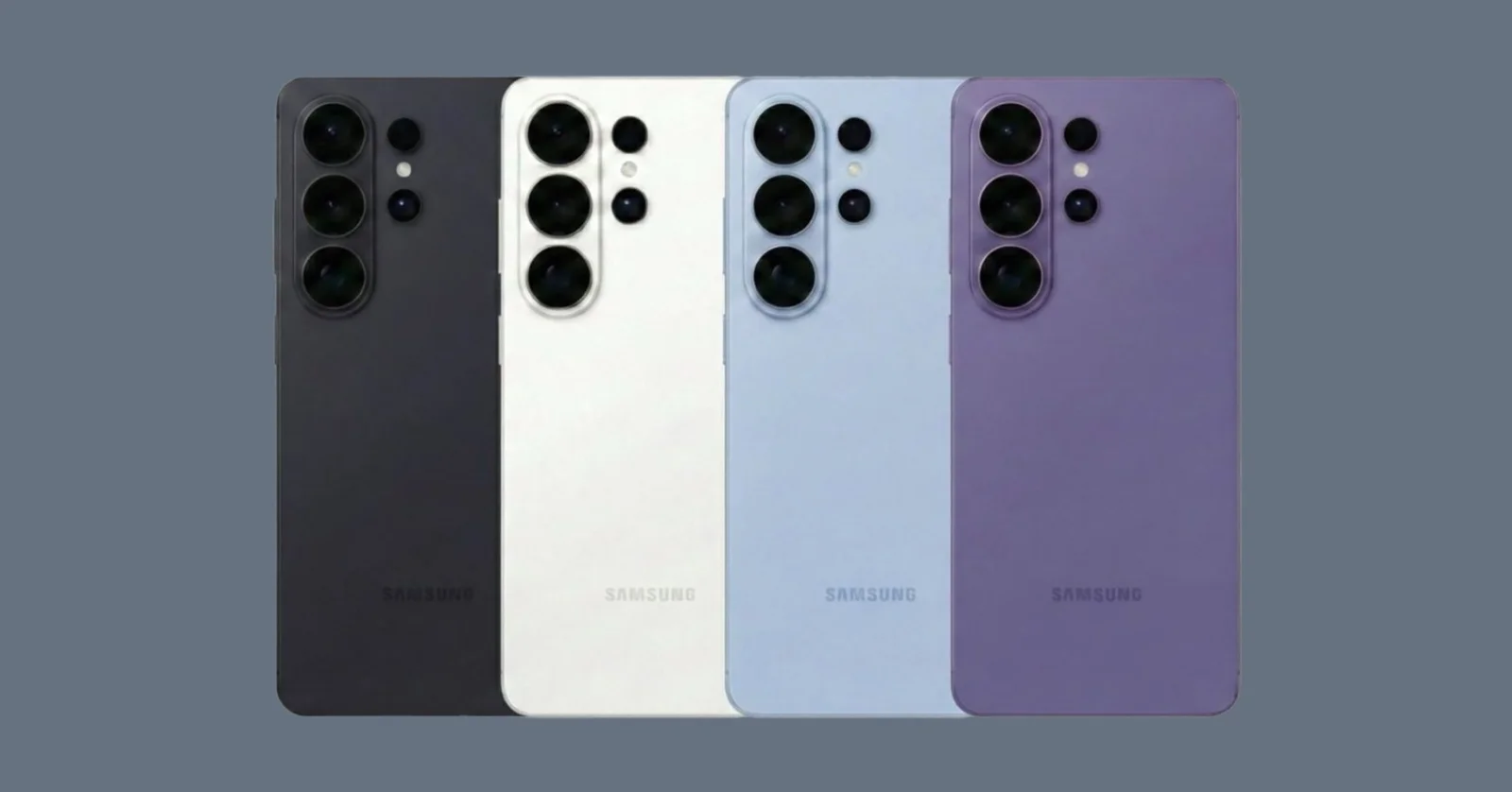
The Galaxy S26 Ultra is Qi2-ready but does not include built-in Qi2 magnets, meaning magnetic accessories like wallets or chargers require a case or external adapter; unlike Apple and Google, Samsung opted not to embed magnets, a decision seen as a cost/space-saving trade-off.
Samsung's Galaxy S26 Ultra reportedly lacks built-in magnets for Qi2 wireless charging, meaning magnetic functionality depends on magnetic cases rather than an internal magnet array. This contradicts earlier expectations and contrasts with rivals like Apple and Google, who include built-in magnets, and is viewed as disappointing with speculation that the S Pen digitizer may be a factor; Samsung has not issued an official comment.
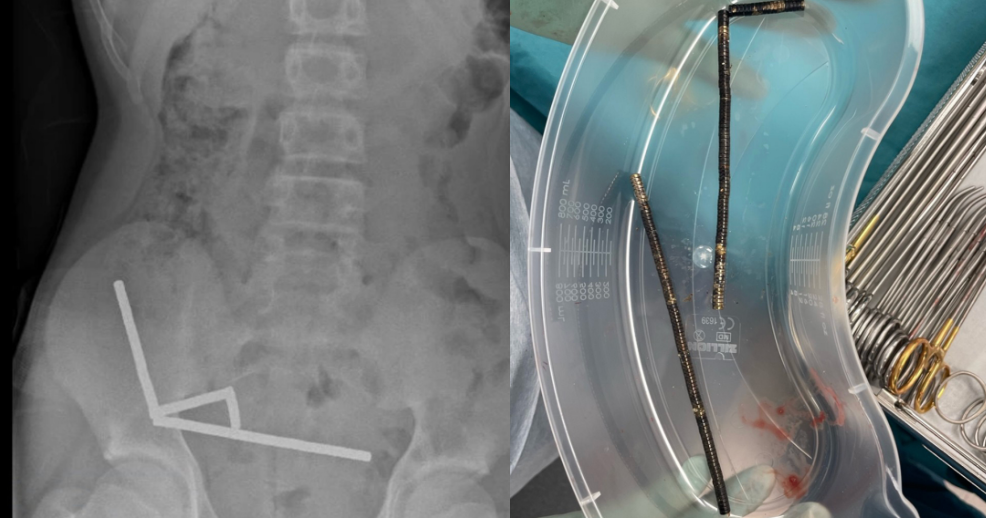
A 13-year-old boy in New Zealand swallowed up to 100 high-power magnets bought online, leading to surgery to remove necrotic tissue from his intestines. The magnets, banned in New Zealand since 2013, caused serious health risks, highlighting concerns about online sales of dangerous products. The e-commerce platform Temu is investigating the case to ensure safety compliance.
A 13-year-old boy in New Zealand required surgery after ingesting 80-100 high-powered magnets, which caused bowel damage and pressure necrosis. The magnets linked together inside his digestive system, leading to emergency surgery and recovery. Despite a ban on these magnets in New Zealand, they are still available online, raising safety concerns and prompting reviews of product listings.
A 13-year-old boy in New Zealand swallowed 80-100 high-powered magnets, which caused internal damage and required surgery to remove them. Despite a ban on such magnets in New Zealand, they are still accessible online, highlighting challenges in regulating imported products. The incident underscores the dangers of small magnets to children and the need for stricter enforcement of safety laws.
Scientists have developed a new magnetic method to improve oxygen production for astronauts in space, which could enhance long-duration missions to the Moon and Mars by replacing bulky centrifuges with a lighter, more efficient system that uses magnetic forces to control gas bubbles during electrolysis.
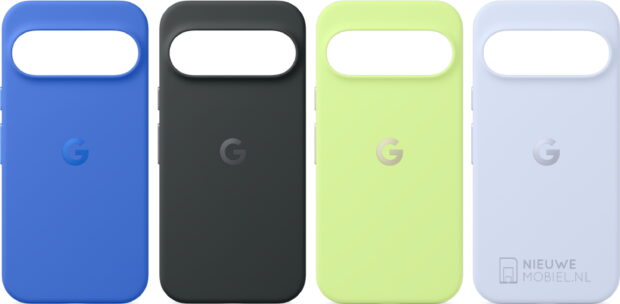
Leaked images reveal Google's Pixel 10 cases featuring built-in magnets for magnetic accessories, with color options matching the phones, indicating a significant upgrade in accessory compatibility for the upcoming Pixel 10 series.
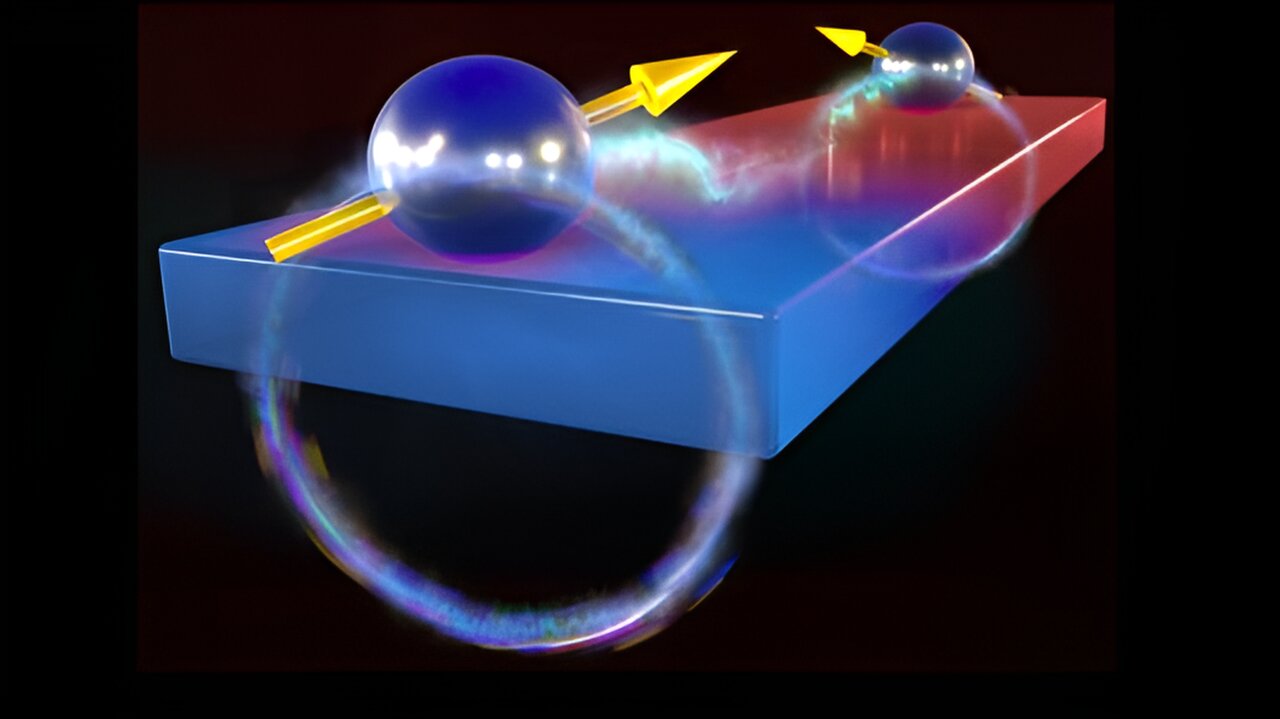
Researchers have demonstrated a novel quantum computer design in which qubits, the building blocks of quantum computers, can communicate with each other through magnets instead of through the air. This technology allows for selective interaction between qubits and enables them to be situated farther apart than is typical, potentially unlocking complex capabilities for quantum computing. The use of magnets to entangle qubits could provide a scalable and robust quantum technology using conventional materials, with potential applications for other solid-state qubit systems.
The U.S. Consumer Product Safety Commission has warned that small, powerful magnets found in toys have been linked to seven deaths and over 2,000 emergency-room visits. The magnets, which are easily ingested, can attach to other metal objects, posing a greater hazard if swallowed. Even when swallowed alone, the magnets can cause intestinal perforation, blockage, blood poisoning, or death. The commission has issued warnings about six other companies with similar toys and has recalled a toy set sold by XpressGoods. The commission can take legal action or initiate a mandatory recall process, but this can be a lengthy process.
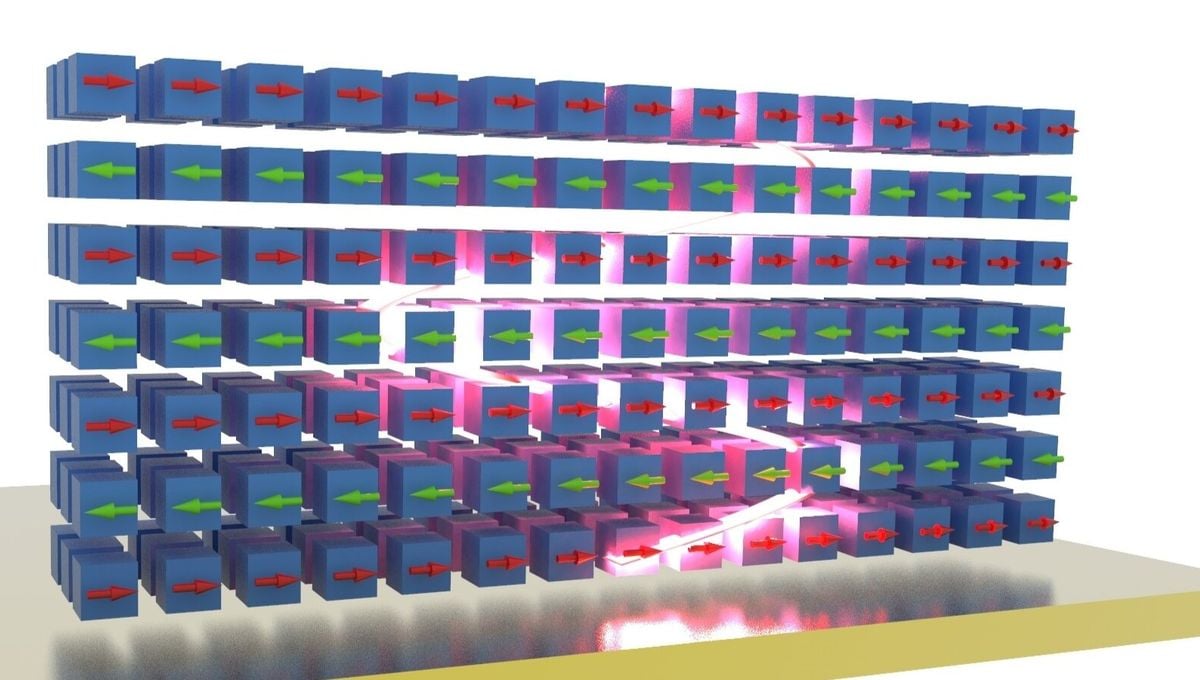
Physicists have discovered seemingly impossible one-sided magnets, known as monopoles, on the surface of hematite, a mineral made of iron oxide. By using an imaging technique called diamond quantum magnetometry, researchers found that groups of particles on the hematite's surface combine their properties to create the effect of a single particle with just one magnetic pole. This discovery could potentially lead to more energy-efficient computer memory by allowing engineers to have greater control over magnetic spin.
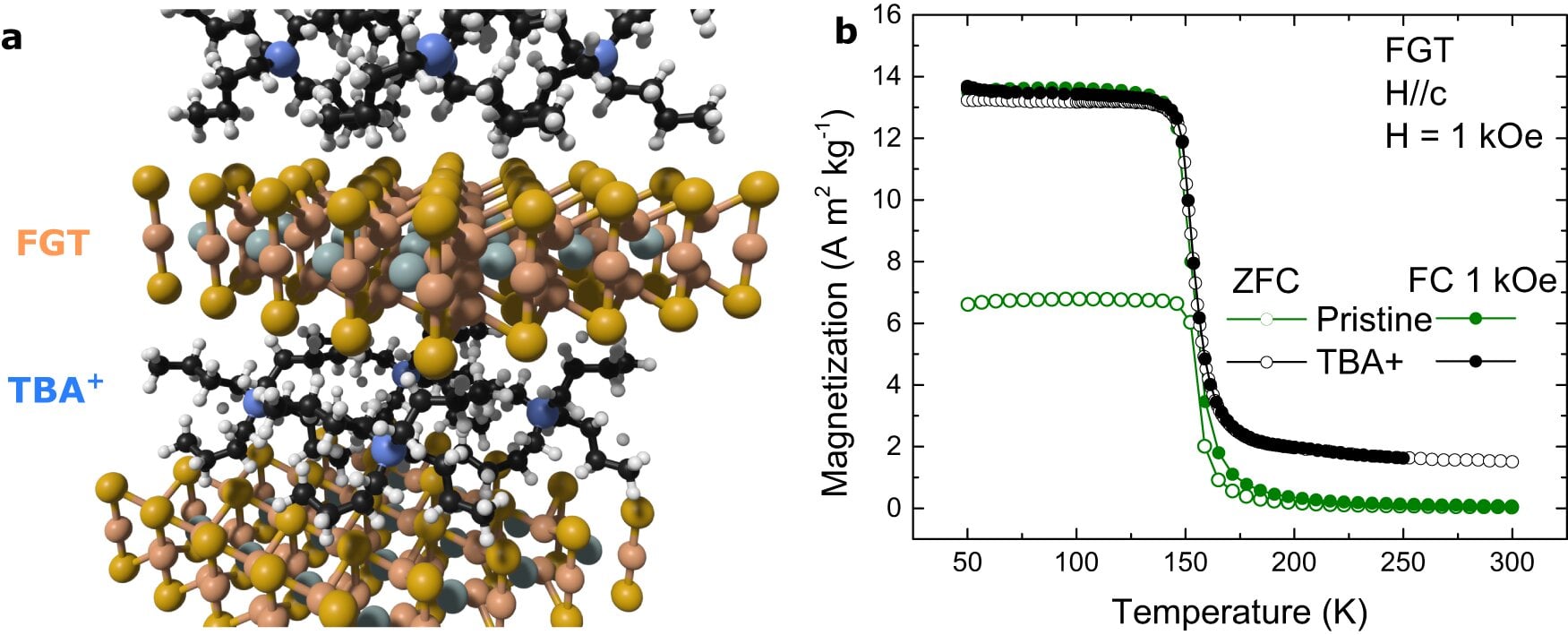
Researchers, led by Physicist Srinivasa Singamaneni at The University of Texas at El Paso, have discovered a new type of magnet that can be used in quantum computing. By adding a low-cost organic material between the magnet's atomic layers, the researchers have overcome the temperature constraints of van der Waals magnets, allowing them to work at temperatures of up to 170 degrees Fahrenheit. This breakthrough has the potential to revolutionize the future of computational power and could lead to smaller, more efficient devices.
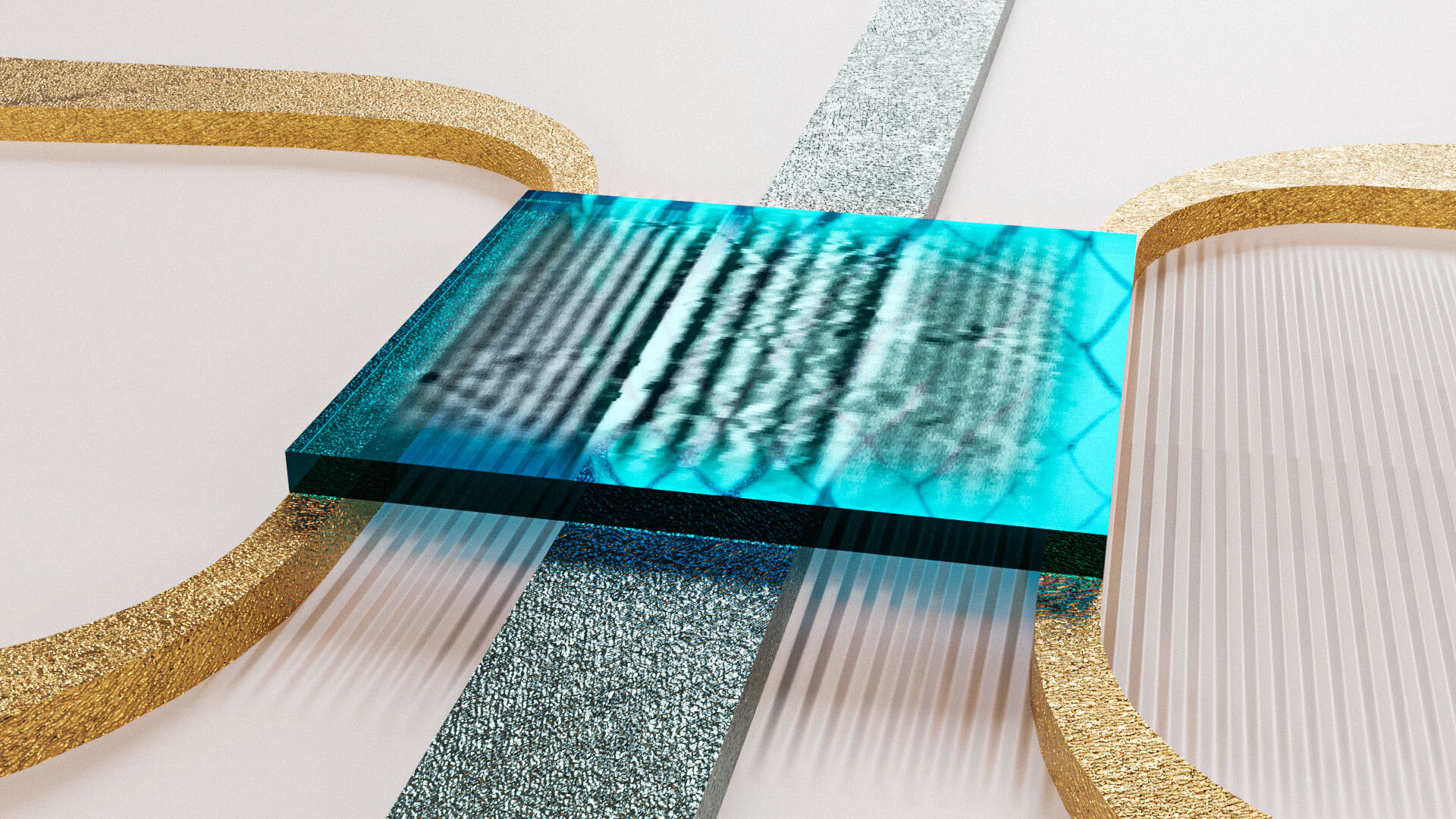
Researchers at Delft University of Technology have successfully demonstrated the control and manipulation of spin waves on a chip using superconductors, providing new insights into the interaction between magnets and superconductors. Spin waves, which are waves in magnetic materials, have the potential to be used as an energy-efficient alternative to electronics. By using a superconducting electrode, the researchers were able to reflect and control the spin waves, allowing for precise manipulation. This breakthrough opens the door for the development of energy-efficient spin-wave circuits and devices, such as frequency filters and resonators, as well as applications in quantum computing.
Cambridge researchers are working on recreating tetrataenite, a "cosmic magnet" found in outer space, in order to provide an alternative to rare earth elements for renewable technology. Currently, magnets made with rare earth elements are crucial components in electric vehicles and wind turbines, but their extraction is invasive and expensive, with China controlling the majority of the supply. Tetrataenite, an iron-nickel alloy, could revolutionize the production of magnets, but it forms naturally over millions of years on meteorites. The researchers have successfully recreated tetrataenite in the lab by adding phosphorus to the mix, eliminating the need for rare earth elements and potentially providing a more sustainable solution for cleaner technology.
Researchers have discovered a way to trap light inside a magnetic van der Waals material, a type of two-dimensional metamaterial. By shining light on the material, it interacts with excitons, creating a strong magneto-optic response and making the material 10 times more magnetic. This breakthrough could lead to the development of magnetic lasers and optically controlled magnetic memory.
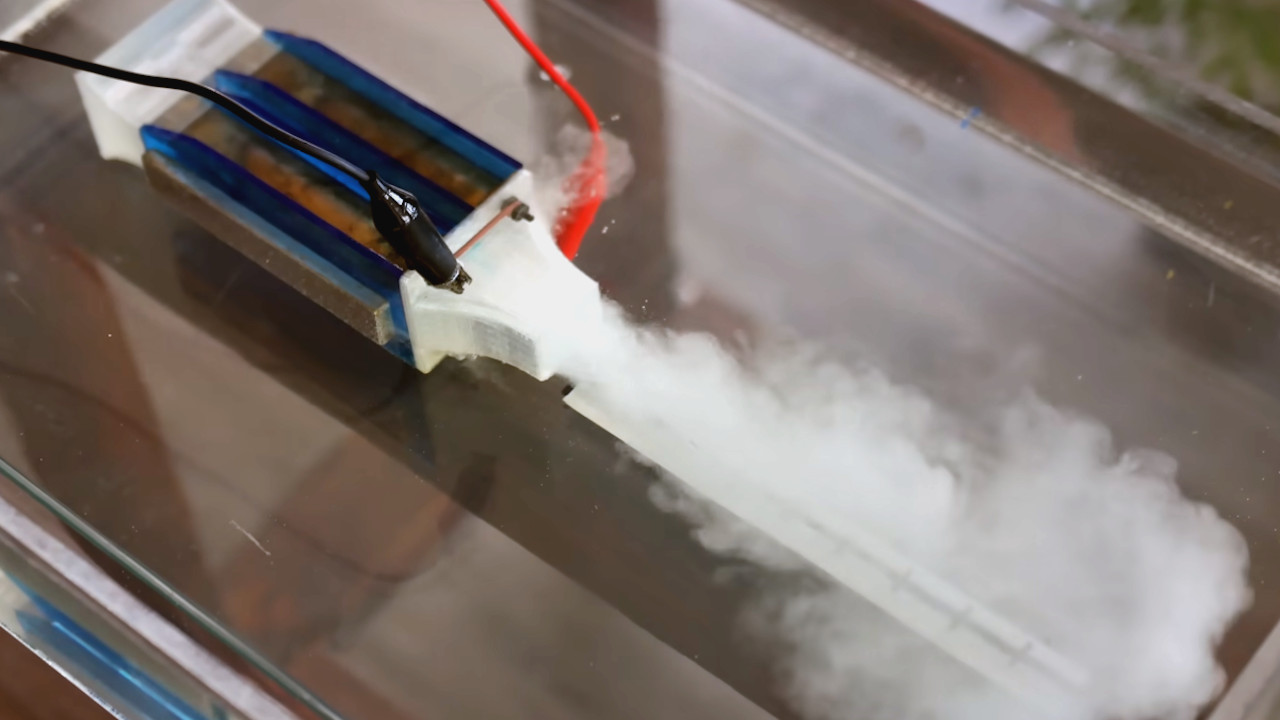
A YouTuber named Jay Bowles has successfully experimented with a magnetohydrodynamic (MHD) drive, a propulsion technology that uses magnets and electrodes to silently propel a craft through water. By using a pair of electrodes and a single magnet, he achieved measurable results with just a standard bench supply. Through various experiments, he found that the MHD drive is forgiving in terms of design specifics, with more power and bigger magnets resulting in higher velocity. However, the brass electrodes showed signs of wear and tear, raising questions about the drive's long-term durability.