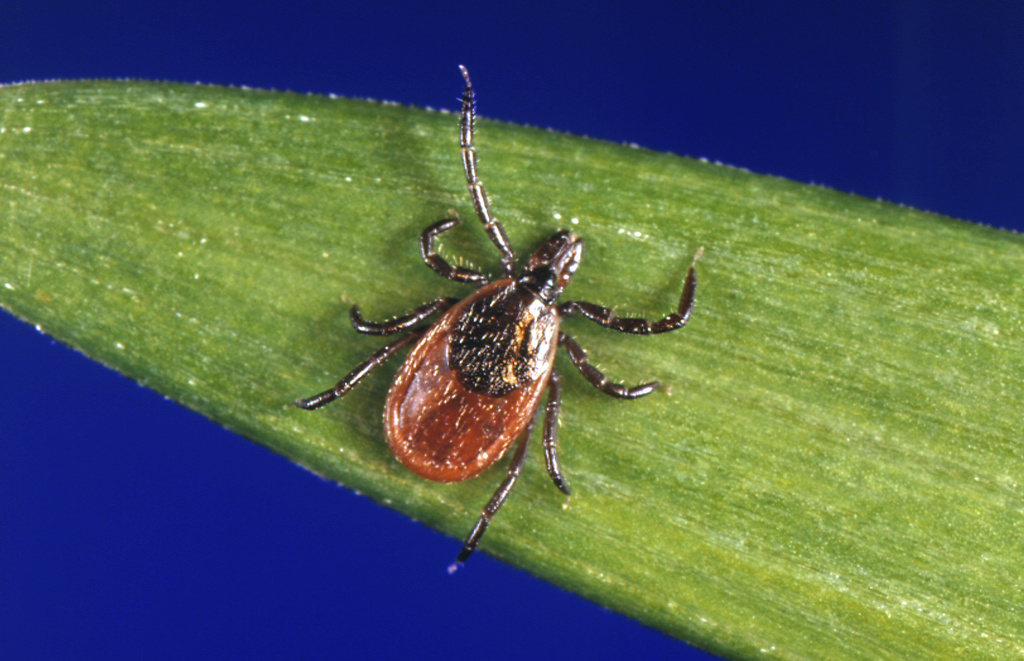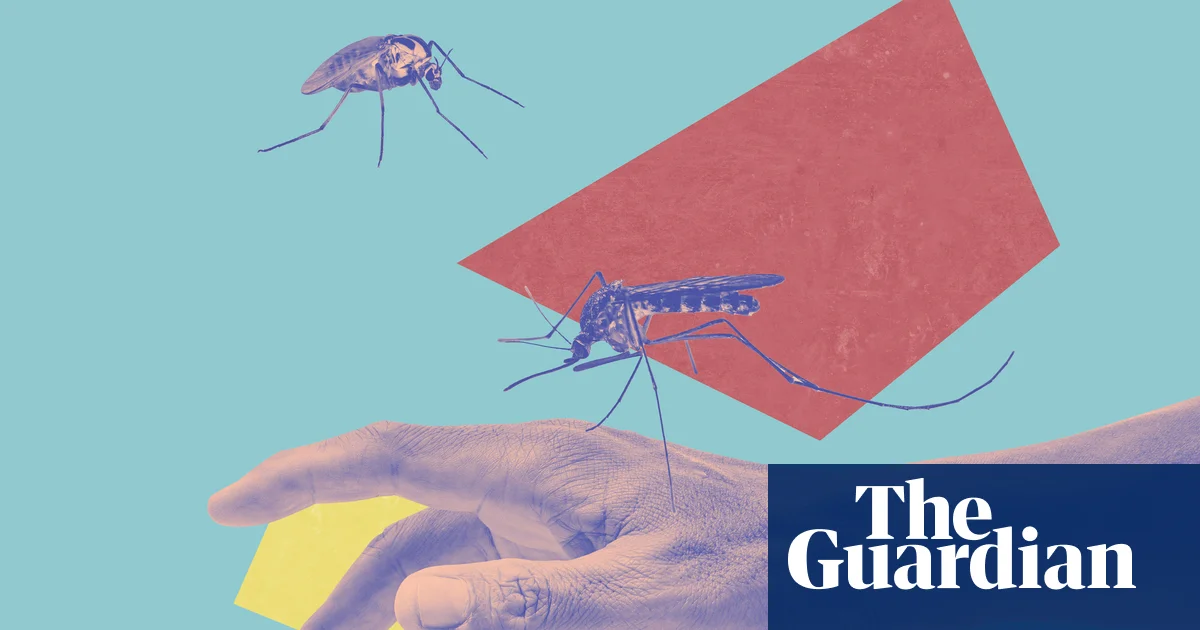
The article provides expert advice on how to prevent and treat insect bites, emphasizing the importance of avoiding certain bugs like wasps, mosquitoes, and ticks through protective clothing, repellents, and environmental management, as well as proper first aid and when to seek medical help for bites and stings.
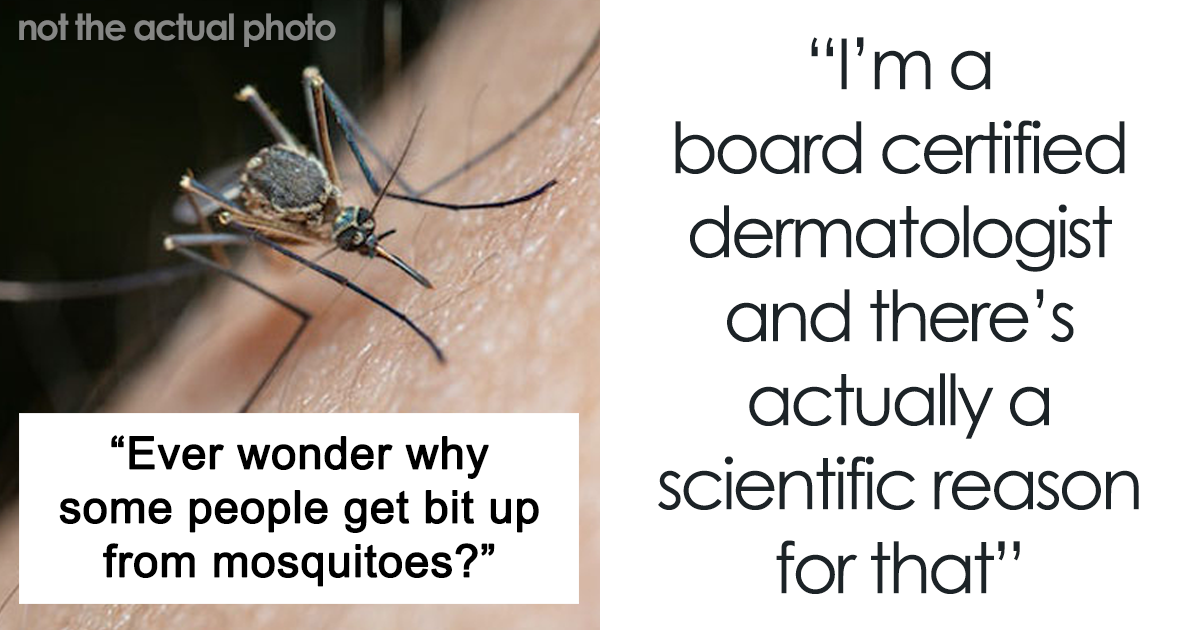
Dermatologist Dr. Lindsey Zubritsky explains why mosquitoes are attracted to some people more than others in a viral TikTok video. Mosquitoes are drawn to sweat, higher body temperature, and compounds like ammonia, uric acid, and lactic acid. Factors such as drinking beer, blood type (O being more attractive), carbon dioxide exhalation, and the color of clothing can also make individuals more appealing to mosquitoes. Mosquitoes are attracted to areas with robust bacterial colonies, such as ankles. Making lifestyle changes like wearing lighter-colored clothing, using mosquito repellent, and practicing better personal hygiene can help reduce mosquito bites.
Kaiser Permanente Northwest reports an increase in patients seeking care for insect bites in Multnomah County, Oregon, due to shifts in weather conditions caused by climate change. While most mosquitoes are considered nuisance pests, the county advises disposing of man-made water containers to disrupt their life cycle. Tick-borne diseases, such as Lyme Disease, pose a greater risk in the US, and residents are urged to take preventive measures, including covering skin and using bug spray when visiting grassy or wooded areas.
Mosquitos are most active in the early morning and early evening hours, preferring cooler temperatures and seeking moisture and shade. They are less active during the middle of the day when it is hotter and daylight can be deadly for them. To protect yourself from mosquito bites, use bug spray, citronella oil or candles, and avoid areas with standing water. Additionally, avoid spending time outdoors in the early mornings or evenings if you want to minimize mosquito encounters.
Spring brings beautiful flowers and pleasant weather, but also seasonal allergies and insect bites. Symptoms of hay fever include runny nose, cough, red/itchy eyes, and more. Insect bites can cause skin reactions and infections. Practical solutions include using insect repellent, nets on windows, and mosquito repellent preparations. Contact a doctor for a diagnosis and appropriate treatment, which may include ointments, drops, or anti-allergy medicines. Understanding symptoms is important to avoid unnecessary treatments and medications.