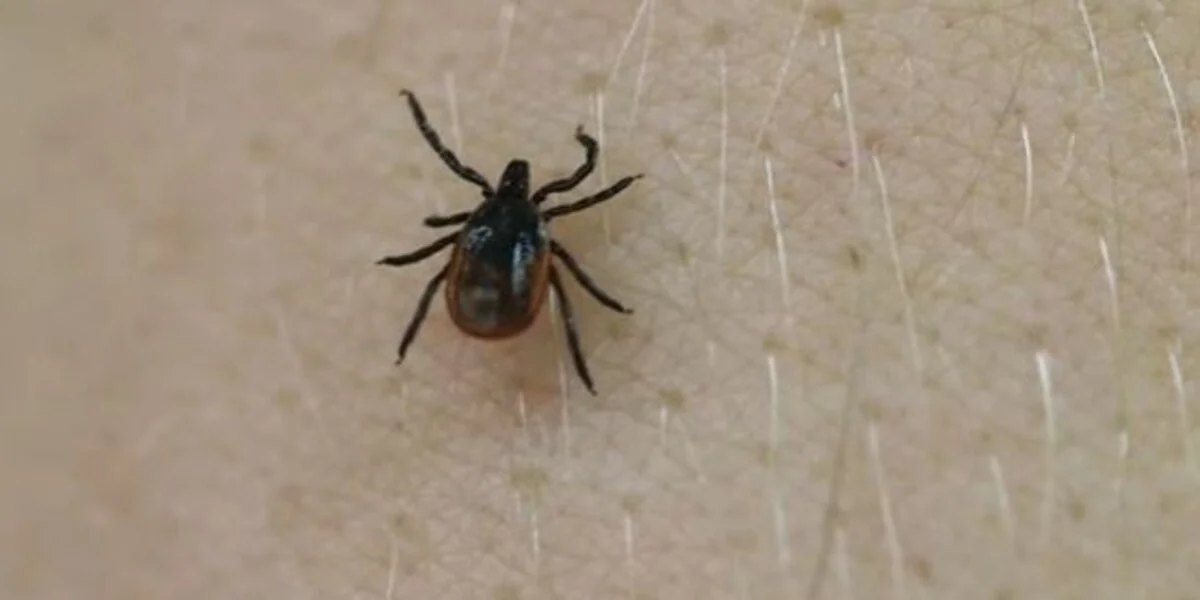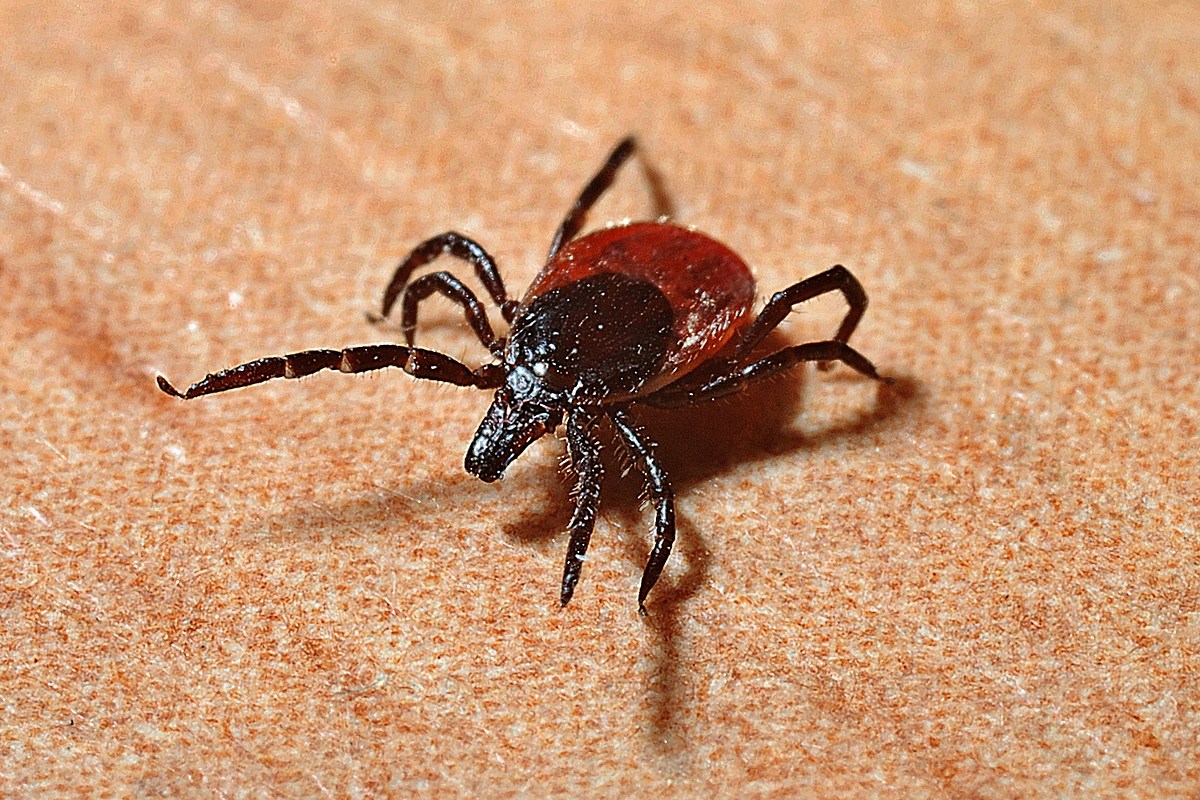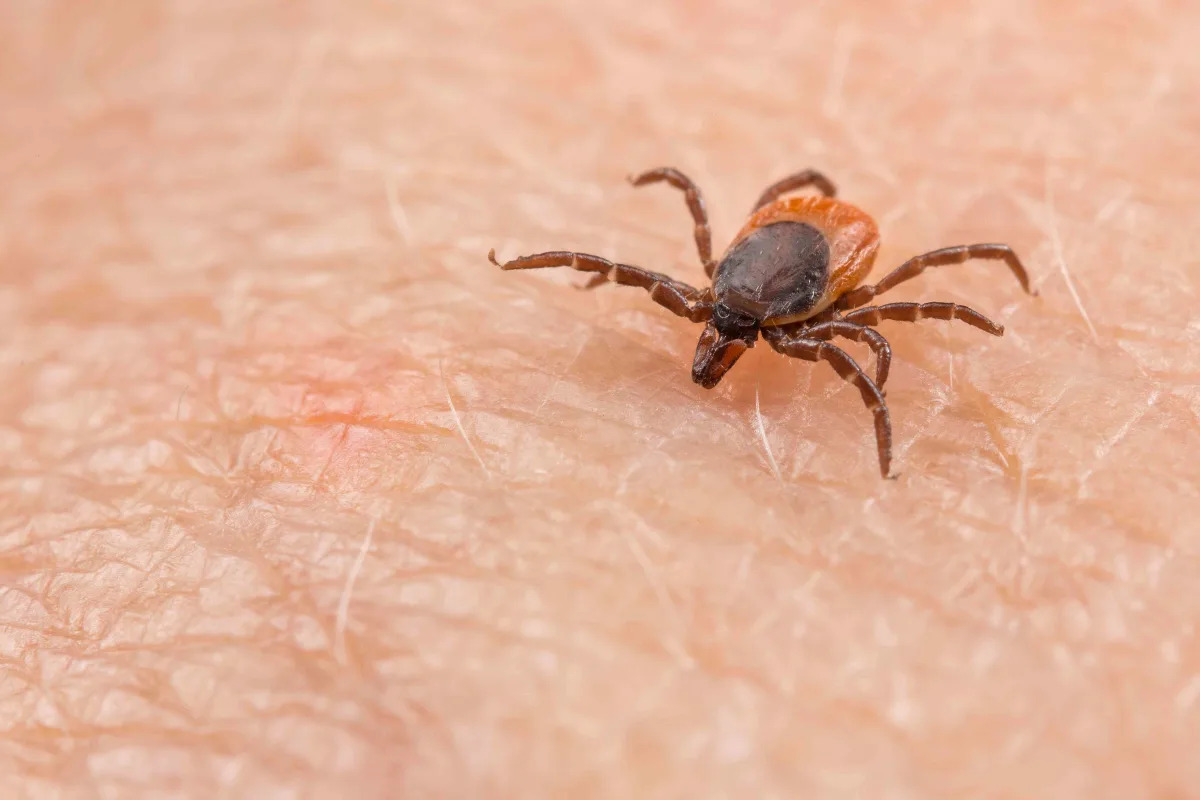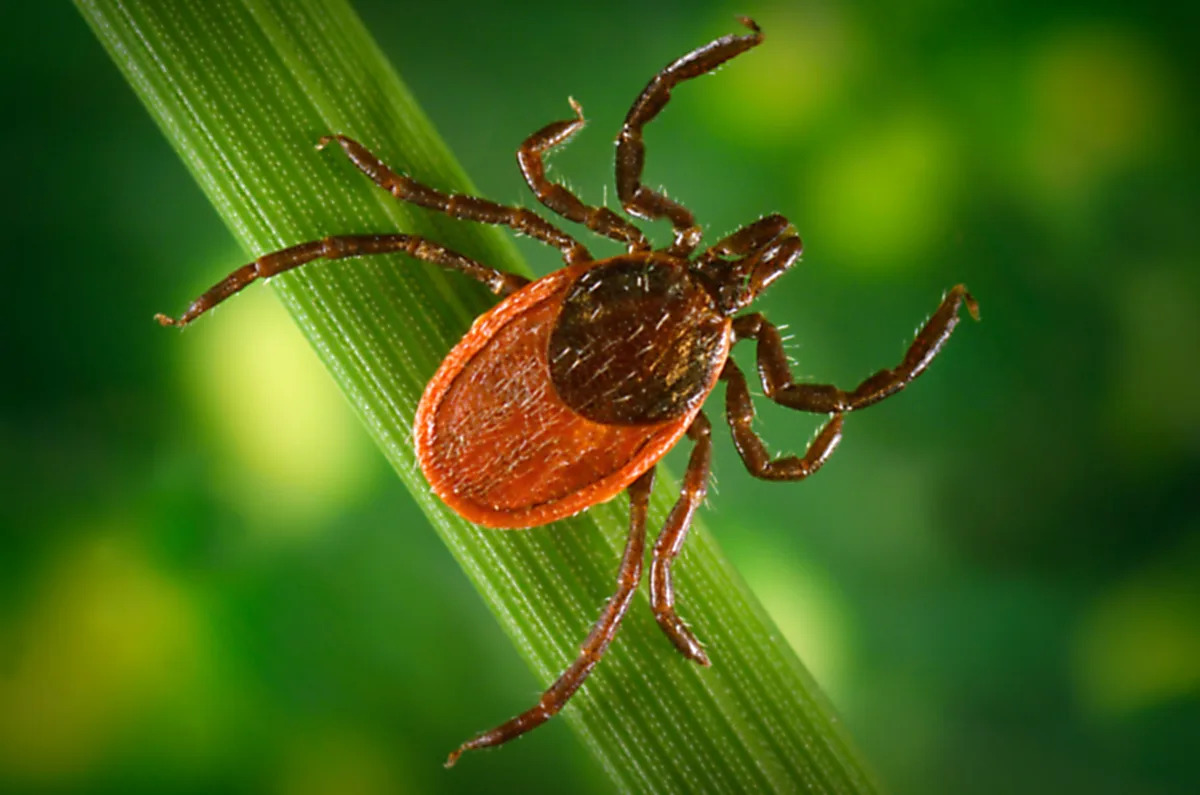
Residents of Islesboro, Maine, are facing increasing cases of tick-borne diseases like Lyme, babesiosis, and anaplasmosis, leading to health concerns and lifestyle changes. Efforts to control deer populations and raise awareness are ongoing, but the rising tick population and climate change pose ongoing challenges, with residents worried about future risks and the need for better prevention and treatment options.
Maria Palen's story highlights the hidden dangers of tick-borne illnesses like babesiosis, which can cause severe health issues including paralysis, emphasizing the importance of awareness, early detection, and proper precautions when spending time outdoors to prevent such infections.
Experts warn that babesiosis, a parasitic tick-borne disease, is spreading southward into Virginia, with cases rising due to the migration of the northern blacklegged tick. Although still less common than Lyme disease, babesiosis poses serious health risks, especially to immunocompromised individuals, and awareness among medical professionals and the public is crucial for prevention and early diagnosis.
Researchers warn that babesiosis, a malaria-like disease spread by ticks, is spreading in the mid-Atlantic US due to climate change, and doctors may be unprepared for the rise in cases, highlighting the need for increased awareness and public health measures.
A rare tick-borne disease called babesiosis, caused by a parasite similar to malaria, is increasingly spreading into Virginia, with cases rising over the past decade, especially along the Eastern Shore. The disease, transmitted by deer ticks, can cause flu-like symptoms and severe complications in vulnerable populations. Public health officials advise preventive measures against tick bites and proper tick removal to reduce infection risk.
A study reports that babesiosis, a rare tick-borne illness traditionally found in the Northeast, is spreading southward, with Maryland's Baltimore region becoming a hotspot for cases and infected ticks.
A study by Penn State researchers reveals that cases of babesiosis, a tick-borne disease often called "American malaria," have increased by 9% annually in the U.S. from 2015 to 2022. Nearly half of those affected were also co-infected with other tick-borne illnesses like Lyme disease, though co-infection does not increase mortality risk. The study highlights the importance of preventive measures in high-risk areas, particularly in the Northeast and Midwest, and suggests that doxycycline, commonly used for Lyme disease, may also be effective against babesiosis.
Researchers at Yale School of Medicine have discovered a new combination therapy that effectively eliminates drug-resistant babesiosis in mice, potentially offering immunity against future infections. The therapy combines the antimalarial drug tafenoquine with atovaquone, an anti-fungal/anti-parasite drug. This treatment cleared infections in both immunocompetent and immunocompromised mouse models and led to the development of protective immunity against the Babesia parasites. The findings could also contribute to the development of a babesiosis vaccine and offer insights into treatments for human malaria.
Babesiosis, a potentially lethal tick-borne disease, is becoming more common in certain areas of the United States, according to Dr. Michael Henshaw, associate biology professor at Grand Valley State University. Symptoms are typically mild but can become severe for the elderly or immunocompromised. To prevent babesiosis, experts suggest using repellents, wearing long clothes, and daily tick checks. Good tick removal involves grabbing the tick as close to the skin as possible with fine tweezers or specialized tools and pulling it straight out, without any twisting.
Minnesota has recorded 63 cases of babesiosis in 2021, a rare tick-borne disease caused by parasites that attacks red blood cells and can be life-threatening, especially for those with vulnerable immune systems. Symptoms are similar to the flu, and the best prevention method is to use EPA-registered bug repellent.
The Centers for Disease Control and Prevention has issued a warning about a newly discovered tick-borne disease called Babesiosis, which is potentially lethal. Symptoms include flu-like symptoms, fatigue, fever, sweats, muscle aches, nausea, vomiting, headache, shaking chills, and bloody urine. New York State has the second-highest number of tick-borne illnesses and Lyme Disease cases in the US. Most infections are acquired in the northeastern US and are due to a kind of Babesia called Babesia microti.
Babesiosis, a potentially lethal tick-borne disease, is on the rise in the Northeastern United States and can be easily mistaken for a summer cold. The disease is often asymptomatic or presents with mild symptoms, but can be life-threatening for immunocompromised or asplenic patients. However, it can be treated with medication if caught early. Lyme disease, also spread by ticks, is also on the rise and presents with a telltale “bullseye” rash. Vigilance is encouraged this summer, and experts advise the “A, B, C” method to stay safe from ticks: Avoid areas where ticks are likely to be found, use bug spray with DEET or picaridin, and cover up with long pants and long-sleeved shirts when outdoors.
Babesiosis, a tick-borne disease worse than Lyme disease, is now officially an endemic in every New England state, according to the CDC. The disease is caused by microscopic parasites that infect red blood cells and is most commonly spread through deer ticks. Symptoms include flu-like symptoms, and those with weak immune systems or no spleen should seek medical attention. Warmer winters mean ticks live longer and spread the disease more frequently, making it a significant issue for New England. There is no vaccine for either disease, so prevention measures such as insect repellent and full-body exams are crucial.
Babesiosis, a rare but deadly tick-borne illness, is spreading in Canada, with cases on the rise due to climate change. Babesiosis infects red blood cells and can be fatal to the elderly and immunocompromised. Symptoms include lethargy, headaches, body pain, flu-like symptoms, air-hunger, tinnitus, and night sweats. The best way to protect yourself is to prevent tick bites by doing regular tick checks, using insect repellent, wearing light-colored clothing, and staying to the center of trails while hiking. If you find a tick on your body, remove it carefully with tweezers and consult your doctor for appropriate next steps.