Tag

Ordovician Period

All articles tagged with #ordovician period

science7 months ago

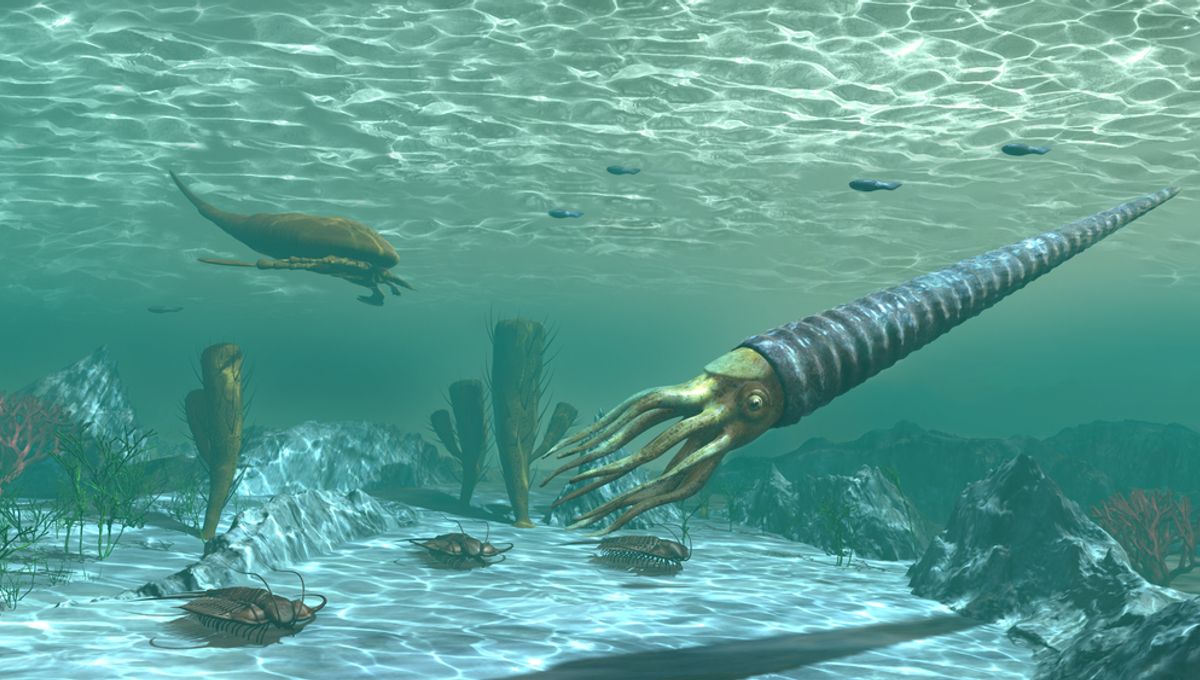
Unique Causes Behind the Ordovician Mass Extinction's 85% Life Loss

The Late Ordovician mass extinction, occurring around 445 million years ago, was a significant event that wiped out 85% of species, driven by climate cooling and other factors, yet it remains less known because it primarily affected marine life without drastically altering terrestrial ecosystems or key functional groups, making its long-term ecological impact relatively minor compared to other extinctions.
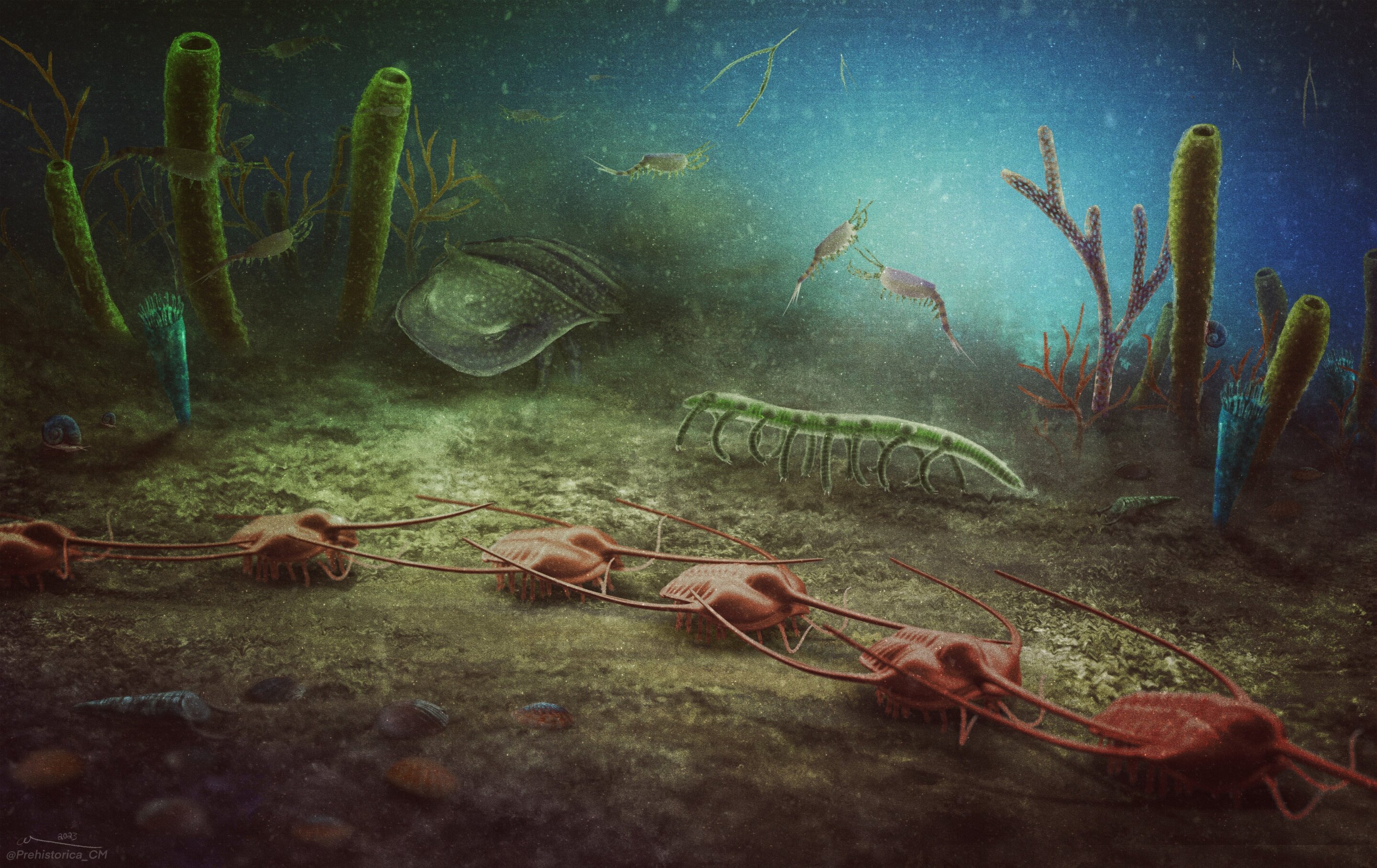
paleontology1 year ago

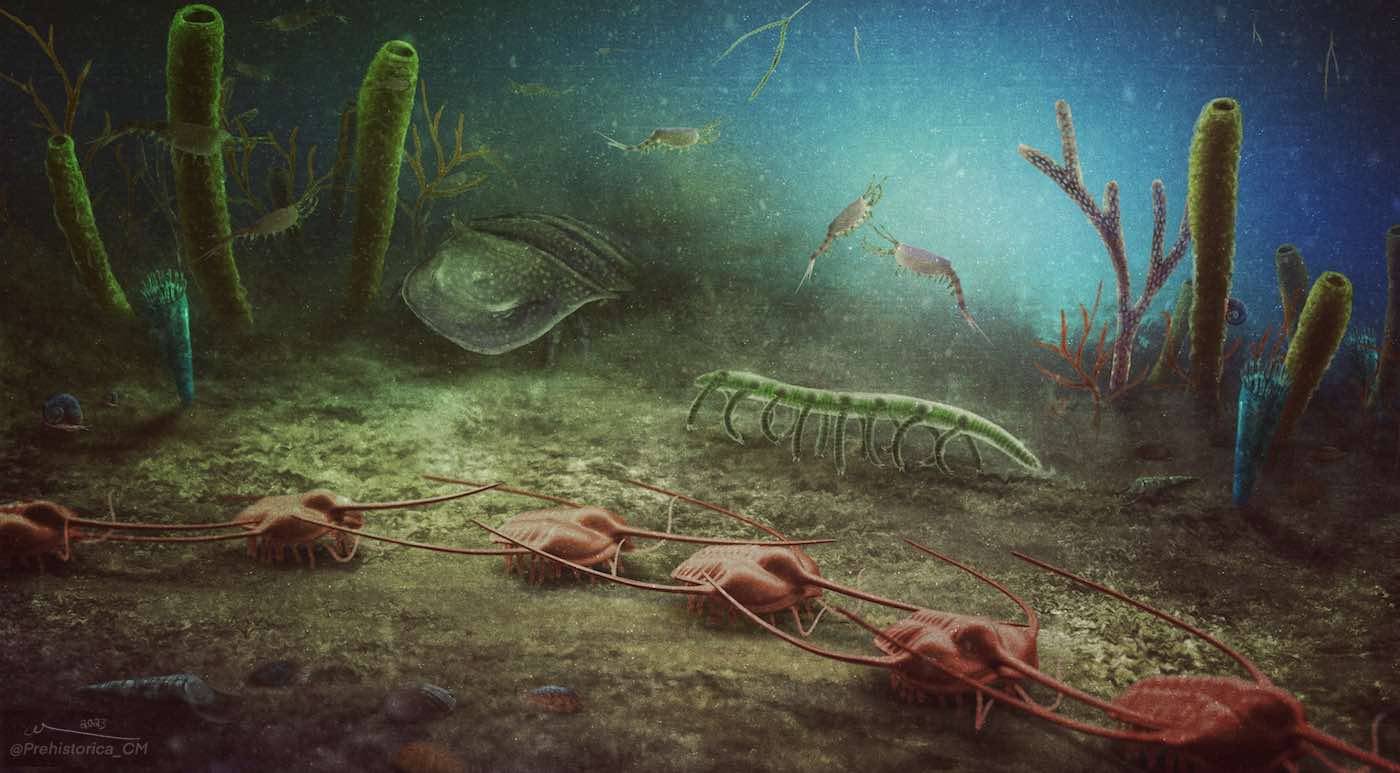
"Amateur Paleontologists Uncover 470-Million-Year-Old Fossil Site in France"

Amateur paleontologists in France have discovered the Cabrières Biota, a site containing nearly 400 well-preserved fossils dating back 470 million years to the Ordovician period, indicating a refuge for species escaping global warming. The diverse fossil site, rich in arthropods, cnidarians, algae, and sponges, provides insight into ecosystems near the South Pole during a time of intense global warming. Swiss researchers aim to further study the fossils' anatomy and relationships, with the findings published in Nature Ecology & Evolution.

paleontology1 year ago

"Southern France Unveils World-Class 470-Million-Year-Old Fossil Site"

A new fossil site, the Cabrières Biota, has been discovered in Montagne Noire, France, dating back to the Lower Ordovician period around 470 million years ago. This site contains over 400 well-preserved fossils, including rare soft elements, and provides insights into Ordovician polar ecosystems. The discovery suggests that the area served as a refuge for species during a time of intense global warming, offering a glimpse into the past and its potential implications for the future.

paleontology2 years ago

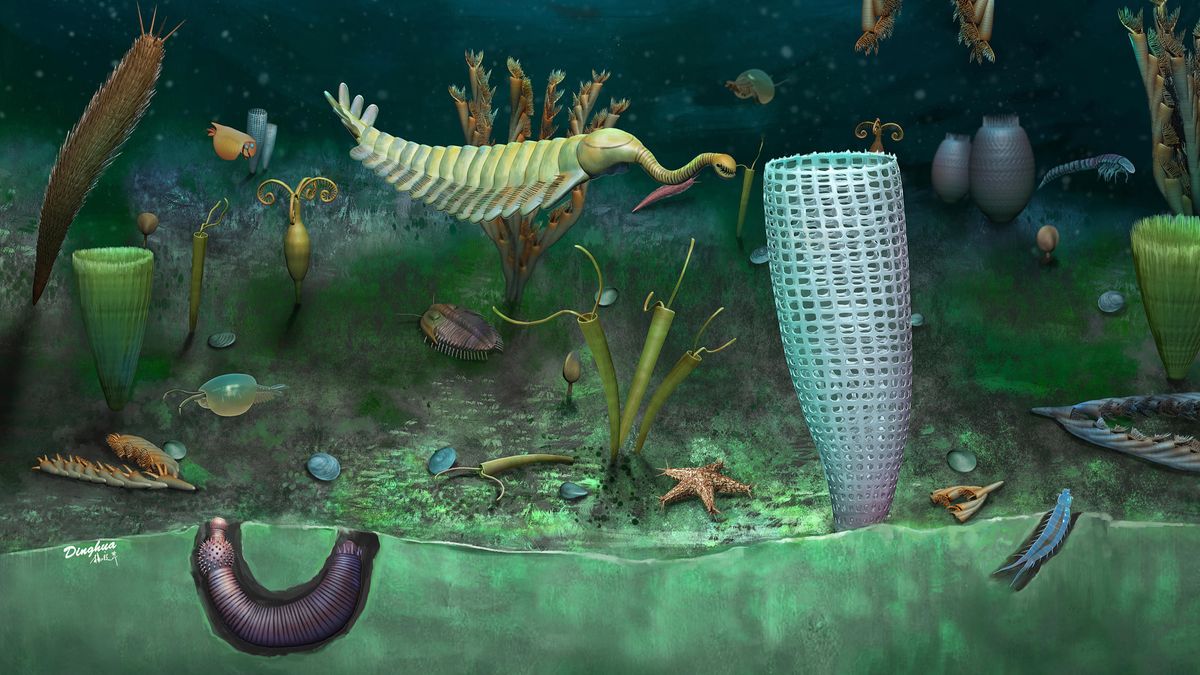
"Secret Welsh fossil site reveals 462 million-year-old sea creatures"

A secret fossil site in Wales has yielded the preserved eyes and brains of 462 million-year-old creatures, including more than 170 species, most of which are new to science. The site, called "Castle Bank," contains a myriad of soft-bodied marine creatures and their organs, which are scarcely preserved in the fossil record, and resembles the world-renowned Cambrian deposits of Burgess Shale in Canada and Qingjiang biota in China. The rocks of Castle Bank are 50 million years younger and give researchers a unique window into how soft-bodied life diversified in the Ordovician Period.

science2 years ago

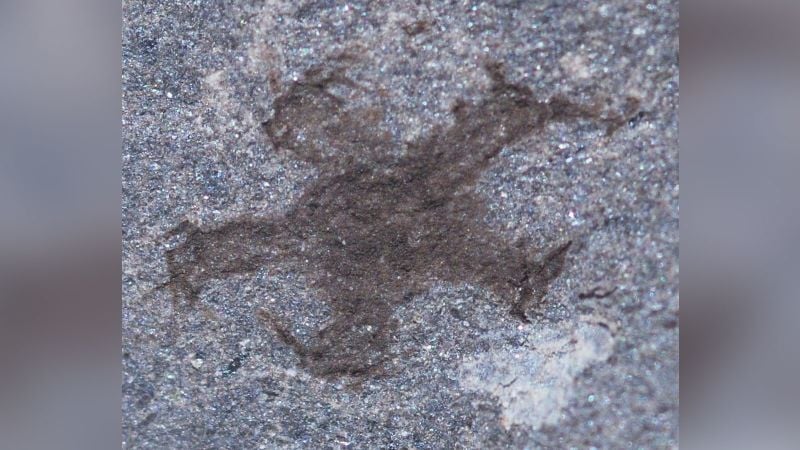
"Rare Middle Ordovician fossil site uncovered in Wales"

Exceptionally well-preserved fossils of tiny worms, starfish, sponges, barnacles, and other creatures with no modern parallel have been discovered at a quarry in Wales, providing a glimpse of life on Earth 462 million years ago. The Castle Bank fossil site near Llandrindod Wells in Powys is remarkable because the fossils show soft tissue such as eyes, nerves, the gut, and brain that are preserved as films of carbon in mudstone, making it a completely unique site. The majority of the 170 animals discovered so far were tiny and completely unknown species.