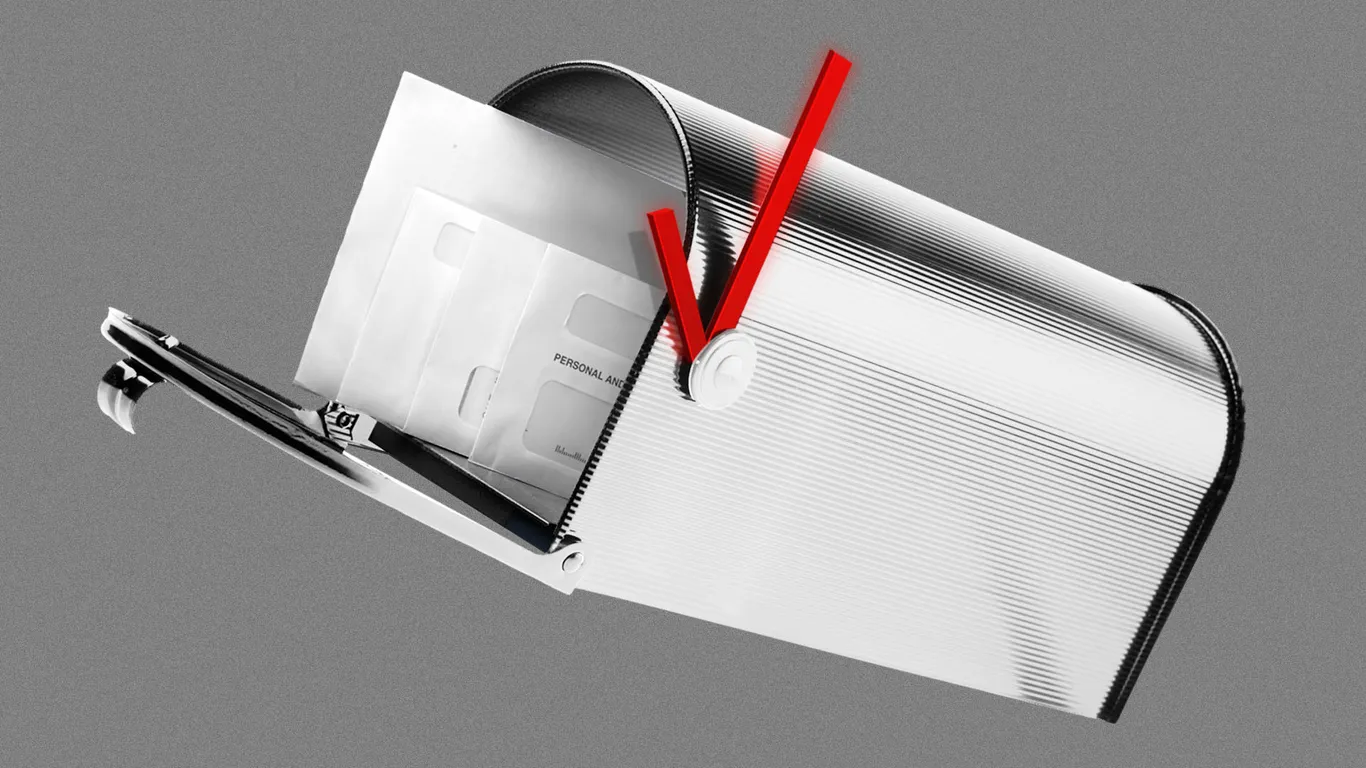
Despite President Trump's efforts to end mail-in voting, a majority of Americans support it, with 58% favoring no-excuse mail-in voting according to a Pew poll, including significant support across party lines, even as Trump plans to sign an executive order to end the practice.
Homeland Security Secretary Kristi Noem claimed that 1.6 million undocumented immigrants left the U.S. this year, but experts caution that it's too early to confirm a mass exodus, as data from various sources show mixed results and significant uncertainties about the current undocumented population.
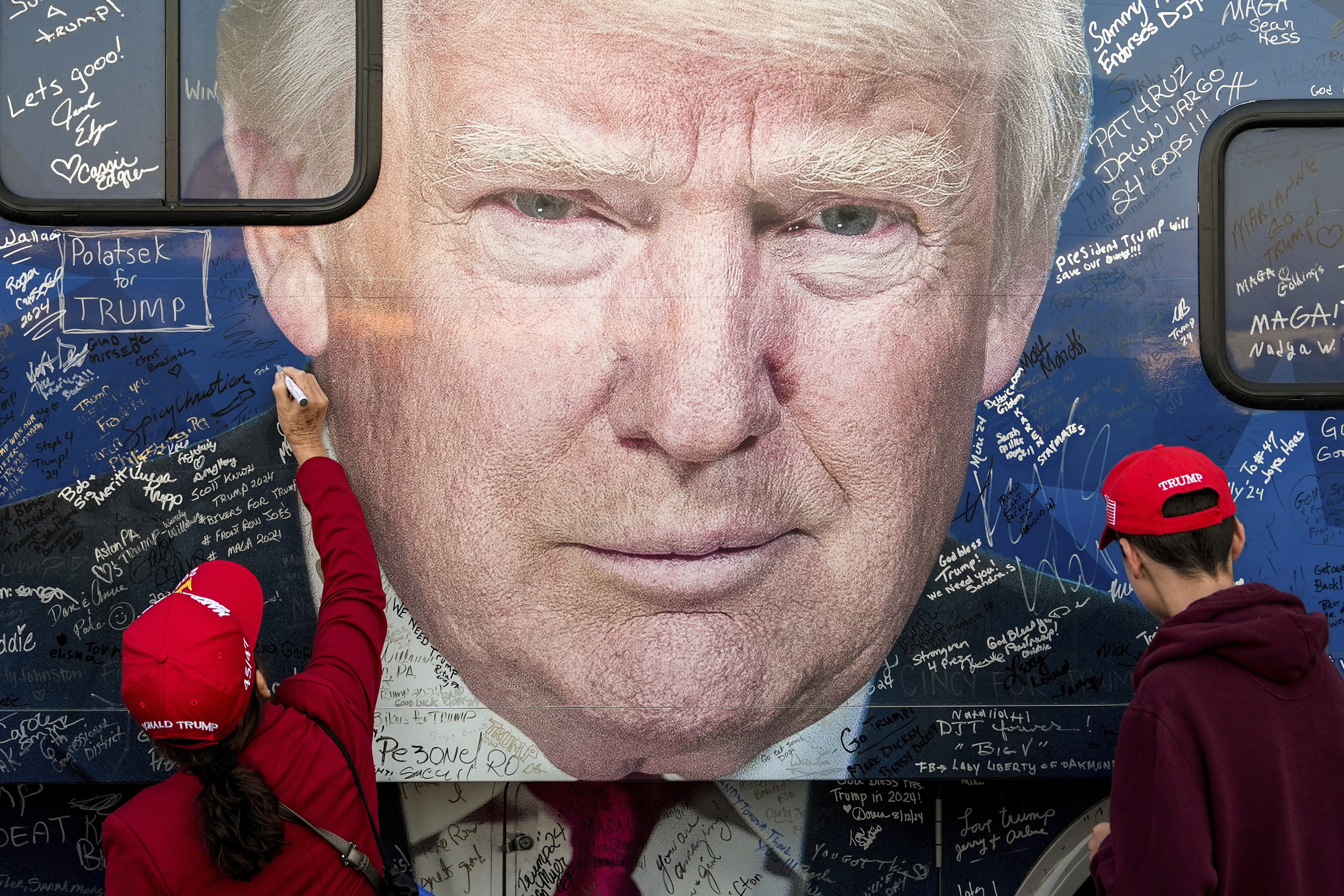
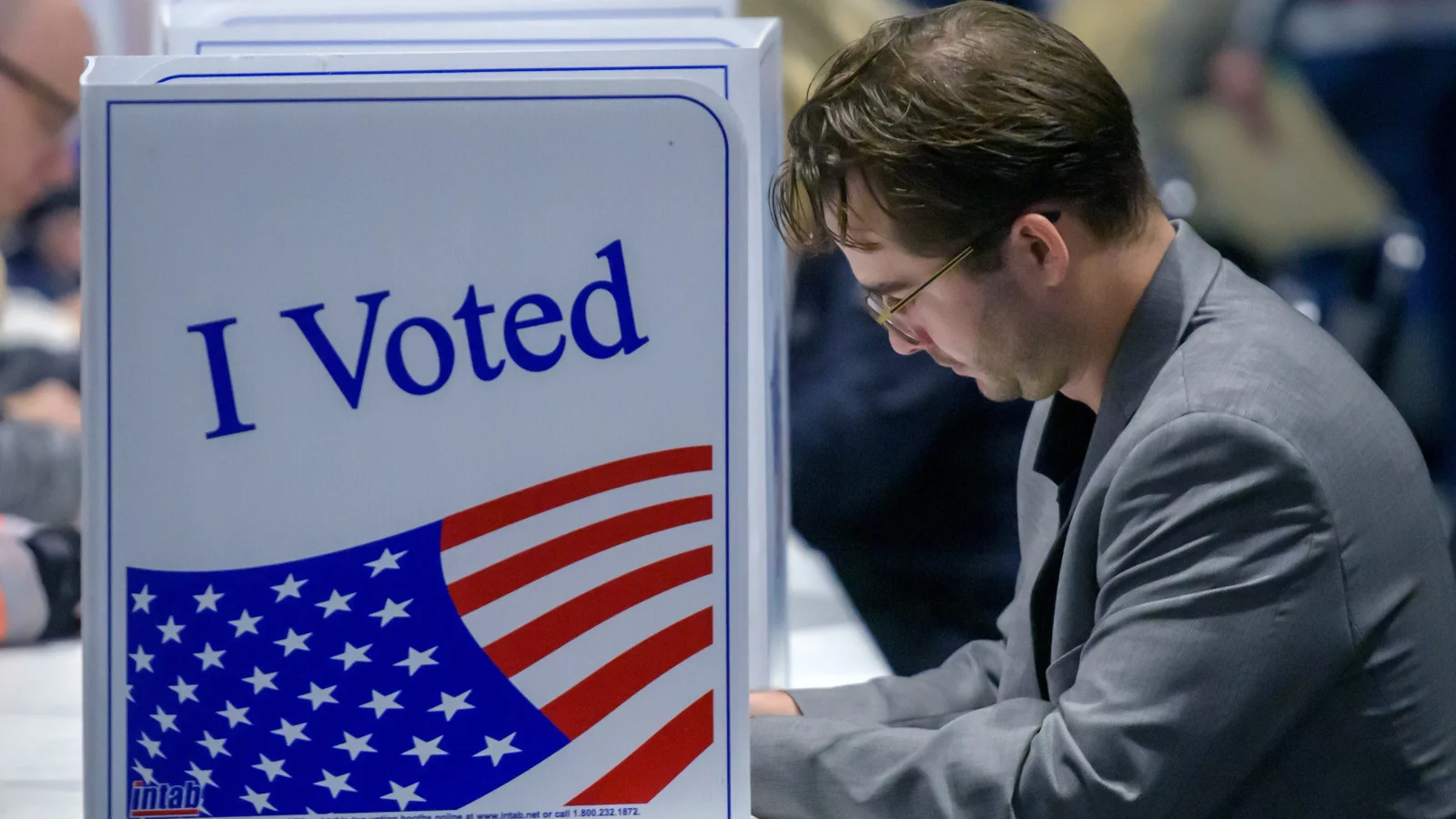
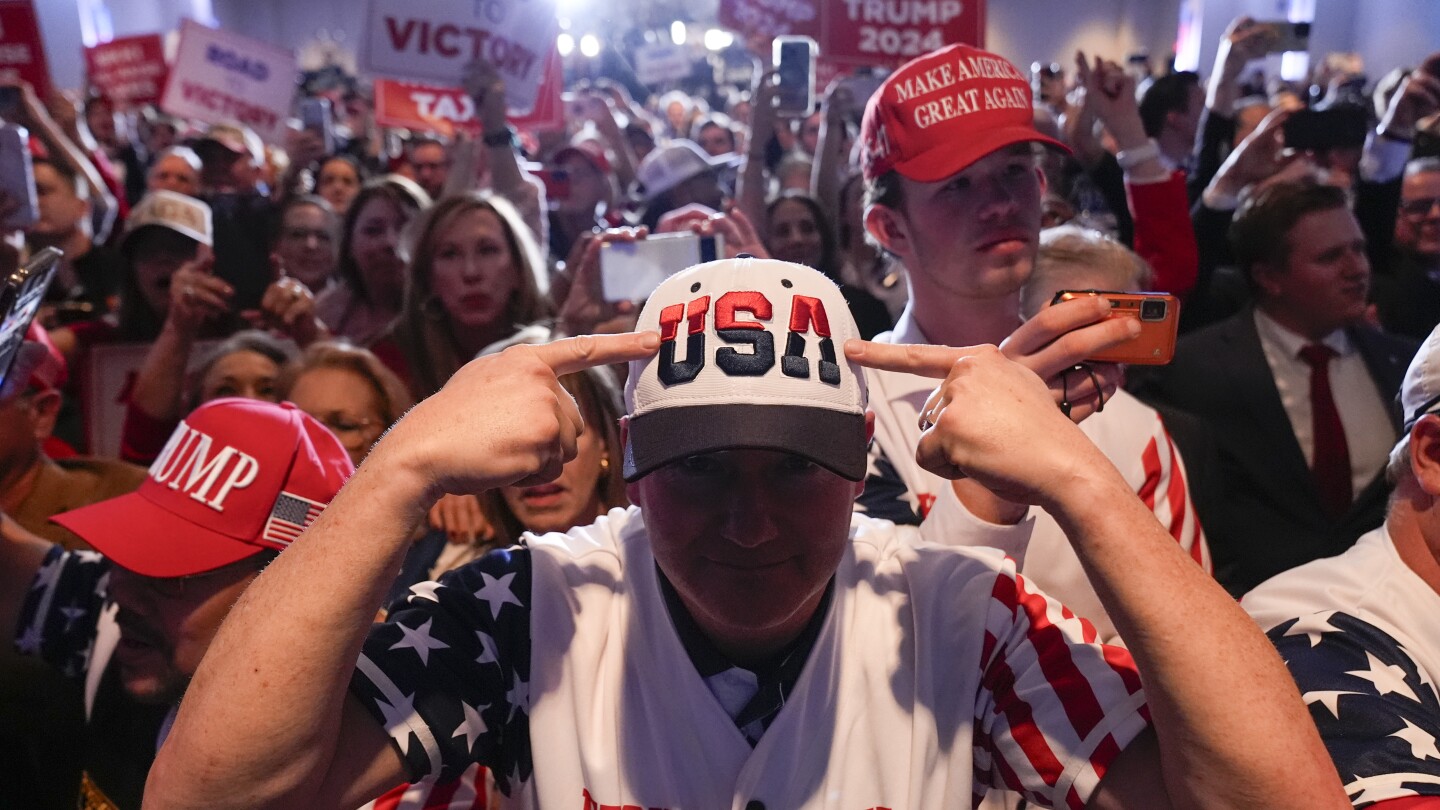
A Pew Research Center study finds that even if all eligible voters had cast ballots in the 2024 election, Trump would still have won, with his support growing among younger and more diverse voters, challenging the notion that higher turnout favors Democrats.
A Pew Research Center survey found that higher voter turnout in 2024 benefited Donald Trump more than Kamala Harris, with Trump gaining a larger share of votes from previous nonvoters and a more racially diverse coalition, suggesting that if all eligible voters had participated, the overall popular vote margin might not have changed significantly.
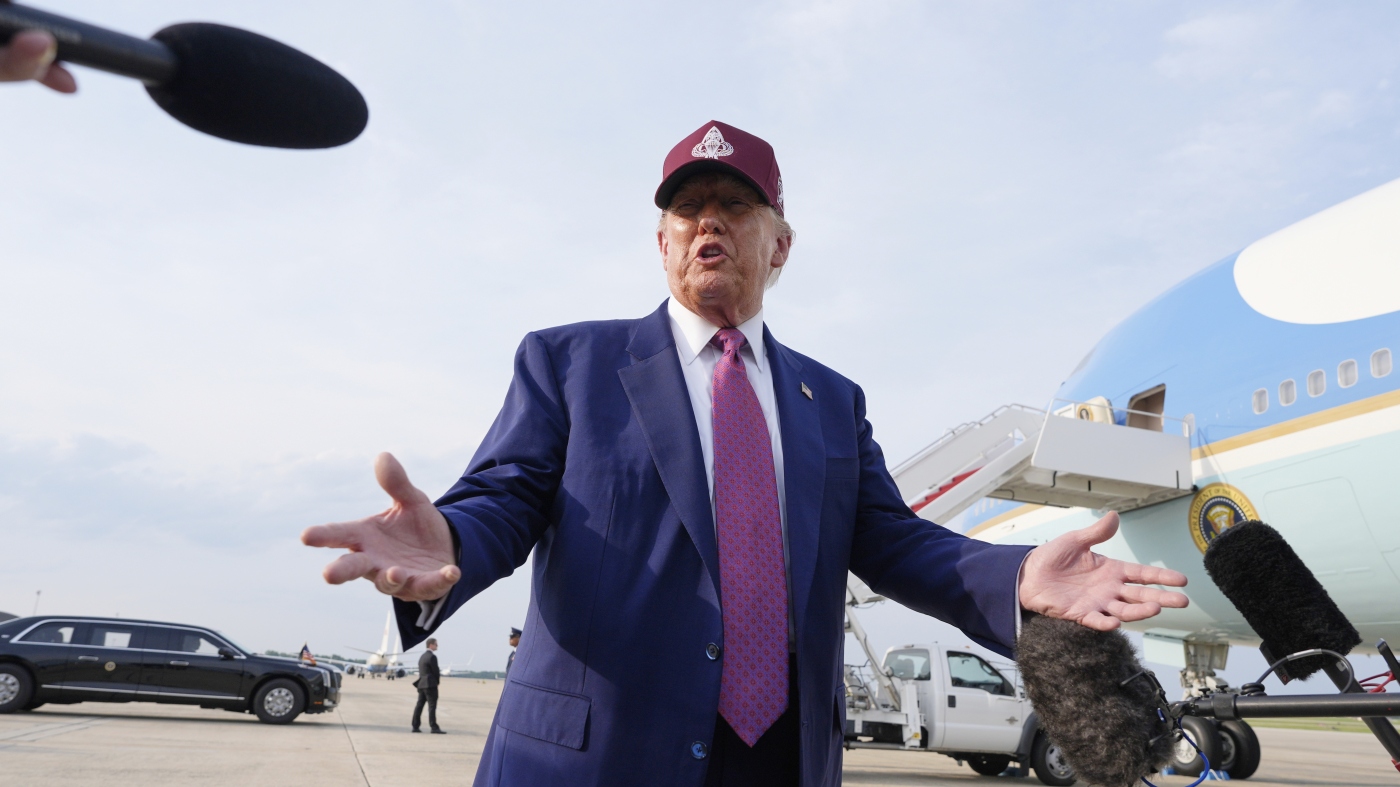
A Pew Research Center survey shows that majorities in key U.S. allies like France, the UK, Germany, South Korea, and Japan lack confidence in President Trump's global leadership, viewing him as arrogant and dangerous, with many countries criticizing his approach to international cooperation and climate change. Despite some positive views on his strength as a leader, overall international opinion remains largely negative, reflecting concerns about his policies and personality.
A Pew Research Center survey reveals that while 88% of US workers are satisfied with their jobs, nearly a third are unhappy with their pay, primarily due to wages not keeping pace with the cost of living. The survey, which included 5,400 working adults, also found that job satisfaction varies by race, age, and income, with older and higher-income workers generally more satisfied. Despite feeling secure in their jobs, 52% of respondents believe it would be difficult to find a desirable new job, and 25% plan to job hunt in the coming months.
A Pew Research Center survey reveals that 60% of Americans are unlikely to get the updated COVID-19 vaccine, with concerns about side effects and perceived necessity being major factors. The survey, conducted with 9,593 participants, comes as the CDC recommends the vaccine for those over 65 or immunocompromised. Meanwhile, President-elect Trump has chosen Robert F. Kennedy Jr., known for his anti-vaccine stance, to lead the Department of Health and Human Services.
Donald Trump won the presidential election against Kamala Harris, defying polls that predicted a close race. The Pew Research Center's Courtney Kennedy suggests that polls underestimated Trump's support due to a higher survey participation rate among Democrats compared to Republicans. Despite improvements in polling methods, challenges remain in accurately capturing Republican voter sentiment. The election highlighted the economy as a key issue, with voters favoring Trump's approach over the Biden administration's performance.
A Pew Research Center survey of 12,693 U.S. adults conducted from Feb. 13 to 25, 2024, reveals that 58% of Americans believe Israel's reasons for fighting Hamas are valid, while only 22% think the same about Hamas' reasons for fighting Israel. Additionally, 57% express some sympathy for both Israelis and Palestinians, with 26% sympathizing equally with both groups. The survey also highlights differences in views across age groups, with younger Americans being more critical of Israel's conduct in the war and expressing more favorable views of the Palestinian people. The report also delves into Americans' opinions on U.S. involvement in the conflict and their perceptions of President Joe Biden's handling of the issue.
A Pew Research Center survey reveals that while nearly three-quarters of teens feel happy or peaceful without their smartphones, 44% also feel anxious, with 40% feeling upset and 39% feeling lonely. The study also highlights teens' concerns about their parents' screen time habits, with 46% reporting that their parents are often distracted by their phones during conversations. Additionally, the research explores the impact of smartphones on family dynamics, with findings indicating that both parents and teens are equally aware of the likelihood of arguments about phone use.
A Pew Research Center survey found that while nearly three-quarters of teens feel happy or peaceful without their smartphones, 44% also feel anxious, with 40% feeling upset and 39% feeling lonely. The study also revealed that 46% of teens reported their parents being distracted by their own phones during conversations, compared to 31% of parents who admitted to this behavior. Additionally, the research highlighted varying perceptions on the impact of smartphones on social life and the development of social skills. The survey adds to the ongoing discussion about the role of smartphones in family dynamics and the impact on young people.
A Pew Research Center survey reveals that nearly three-quarters of U.S. teens feel happy or peaceful when they are without their smartphones, despite the majority not limiting their phone or social media use. Concerns about teens' relationships with their phones and social media have been growing, leading to lawsuits and testimonies from social media company CEOs. The survey also found that most teens believe smartphones have more benefits than harms, with 95% of U.S. teens having access to a smartphone. Additionally, the survey highlighted that about half of parents limit their teen's phone usage, and there are frequent arguments about phone use within families.
A Pew Research Center survey of 1,453 U.S. teens and parents reveals that most teens feel happy and peaceful when they don't have their smartphones, but 44% also feel anxious. Additionally, half of parents admit to looking through their teen's phone. The study also explores teens' views on screen time, their efforts to cut back, and their feelings when disconnected from their phones, as well as parents' struggles with managing their teen's phone use and their own screen time distractions.
A Pew Research Center survey of 24 democratic countries reveals that while representative democracy remains the preferred system of governance, satisfaction with its performance is declining, with a median of 59% expressing dissatisfaction. Support for authoritarian leadership has increased in several countries, including India and Mexico, with 67% of Indian respondents viewing it favorably. The U.S. stands out for its polarization and higher-than-average support for autocratic systems. Additionally, the survey found growing support for direct democracy and systems run by experts rather than elected officials.
A Pew Research Center survey of 12,000 adults found that 53% of Americans believe football, not baseball, is "America's sport," with only 27% choosing baseball. The survey also revealed that 62% of U.S. adults do not follow pro or college sports closely, and only 7% consider themselves "superfans" of sports. Despite football being considered the national sport, the survey found that most adults do not closely follow or discuss sports regularly.